New York Center For Rehabilitation & Nursing in Astoria, NY

Save

  • Outdoors

    A caregiver encourages an elderly man in a wheelchair to exercise with light weights in a park setting.
  • Building

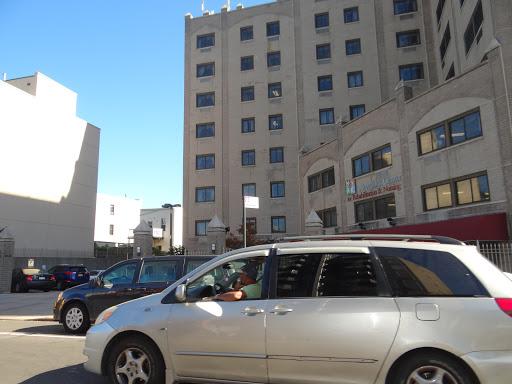
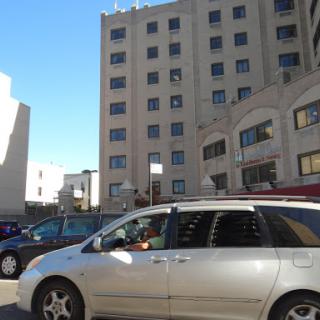
    A multi-story urban building with modern architectural design and a clear blue sky.
  • Architecture

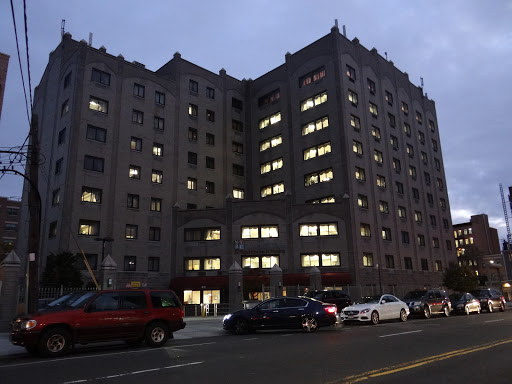
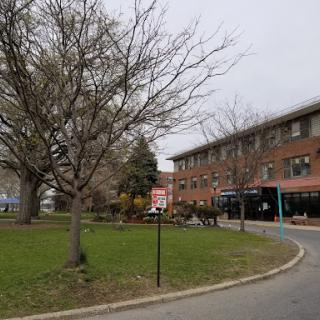
    A dimly lit urban building with illuminated windows at dusk.
  • Healthcare

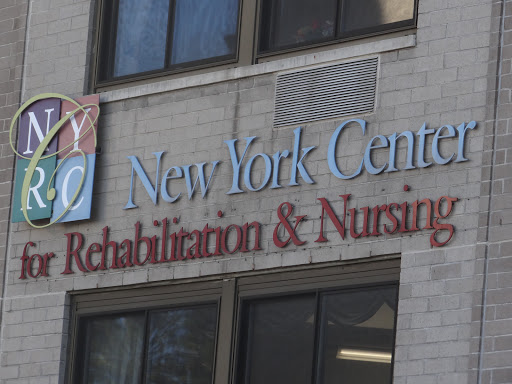
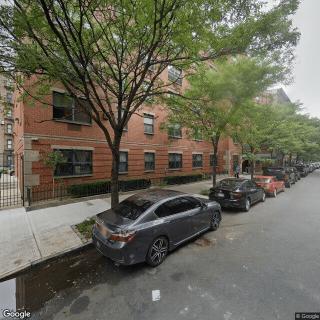
    Exterior view of the New York Center for Rehabilitation & Nursing.
  • Urban

    A bustling urban scene showcasing buildings, streets, and vehicles under a clear blue sky.
  • Recreation

    A caregiver engages with an elderly man in interactive play using colorful wooden toys, promoting cognitive and emotional wellness.
  • Parking

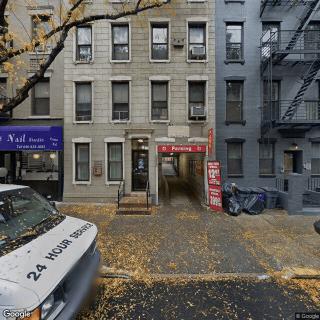
    A view of a city street featuring parked cars and buildings under a clear sky.

New York Center For Rehabilitation & Nursing in Astoria, NY

26-13 21St Street, Astoria, NY 11102

For more information about senior living options: (844) 490-3973

4.3 from 112 reviews
5 stars
88
4 stars
4
3 stars
1
2 stars
2
1 stars
17

Skilled Nursing Facility

Overall Review of New York Center For Rehabilitation & Nursing

Pros

  • pro The New York Center for Rehabilitation is a really nice place; it is very clean and well organized.
  • pro The facility is conducive to healing, with strong staffing and high cleanliness.
  • pro The therapy team here is among the best, and the rehab is highly recommended.
  • pro The front desk staff are respectful and welcoming.
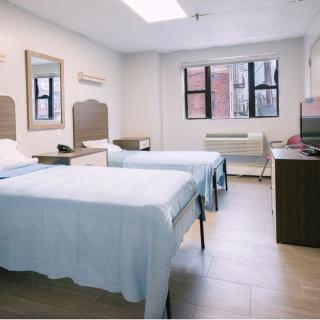
  • pro The facility has beautiful, spacious rooms and a comfortable environment.
  • pro The staff are amazing, and they genuinely care for the patients.
  • pro The admissions process is smooth, and the team is helpful and compassionate.
  • pro The building is beautiful and ideal for transitioning from hospital to home.
  • pro The art and recreation programs are engaging, with staff like Alla and Chavy contributing positively.
  • pro Overall, the care and attention in this center are repeatedly described as wonderful and reliable by residents and families.

Cons

  • pro The facility is outdated, dirty, and poorly maintained with dull decor.
  • pro The food is inedible, often canned or previously frozen, not fresh.
  • pro Medication dosages are frequently incorrect, with staff blaming it on being their first day.
  • pro Families report being left uninformed and treated coldly after a loved one dies.
  • pro The front desk and some staff are rude and unhelpful.
  • pro The facility is severely understaffed, causing slow responses and insufficient patient care.
  • pro Wound care and overall clinical oversight are inadequate, with bedsores and infections reported due to delays.
  • pro Hospice and palliative care are not properly differentiated, leading to inappropriate treatments and distress.

Review

New York Center for Rehabilitation & Nursing in Astoria is best suited for families seeking a robust post-acute rehab track with strong therapy orientation, clear chances for meaningful functional gains, and a generally clean, welcoming environment. The facility shows particular strength in rehabilitation services when the patient is ambulatory enough to participate actively in therapy and when staffing on the therapy floors is solid. Families that want a facility where the rehab team has a track record of pushing patients to regain walking ability, climb stairs, and return home will find these outcomes in play, especially on floors where therapists like Glenn and the occupational team have earned solid reputations.

That said, this community invites careful consideration for anyone with complex medical needs or limited ability to monitor day-to-day care. Alternatives are worth weighing for those requiring consistent, around-the-clock nursing vigilance, a hospice-focused or palliative care unit, or highly predictable, turnkey custodial care. Several reviews highlight issues around staffing levels, with insufficient nurses during evenings and weekends, gaps in timely assistance, and inconsistent medical oversight. For families who cannot closely supervise care or who worry about routine attention and rapid escalation of problems, exploring other options is prudent.

On the plus side, the pros frequently cited translate into tangible rehab advantages. The center is described as clean, well organized, and welcoming, with front-desk staff and social workers who deliver clear, attentive introductions and ongoing coordination. The therapy teams - especially on the second floor - are praised for professionalism and effectiveness, and residents respond to well-structured schedules of physical, occupational, and recreational therapy. Positive testimonials repeatedly credit therapists by name for enabling patients to regain mobility, with stories of patients leaving able to walk staircases and resume daily activities much sooner than anticipated. The environment and activities also contribute to a sense of engagement and motivation.

However, main cons repeatedly surface as concrete barriers to consistent, high-quality care. Understaffing remains the most persistent concern, leading to delayed responses to calls, gaps in routine nursing tasks, and questions about medication management and rounds. Several reviews recount frightening lapses in care, from missed or mishandled medications to inadequate monitoring that affected diabetic or post-operative patients. Food quality and menu limitations appear in multiple critiques, including reports of bland or inedible meals and insufficient dietary customization for diabetics or other needs. There are enough accounts of dirty rooms, unaddressed cleanliness issues, and mixed experiences between floors to justify serious scrutiny before admission, especially for a frail, highly vulnerable resident.

The strongest rehab and staff strengths can offset many issues for families prioritizing recovery potential and a positive therapeutic trajectory, but they do not fully neutralize the risk of inconsistent care. When a loved one makes progress in therapy and enjoys compassionate interaction with therapists and aides, the experience can feel transformative, and the admission process can feel smooth and reassuring. Yet the contrast between floors and shifts - combined with reports of overstretched staff and uneven medical oversight - means outcomes depend greatly on where and when care occurs, and which team members are on duty. For long-term custodial or hospice needs, the lack of a dedicated, well-functioning unit raises red flags.

For families moving forward with a decision, the practical course is clear: investigate the specific floor and shifts where a loved one would be placed, request a detailed care plan with daily therapy targets, and meet the admitting team with questions about staffing ratios, physician availability, and response times. Prioritize current resident feedback from a direct tour, ask about meal customization options, and probe the facility's process for medication reconciliation and adverse-event reporting. If those assurances cannot be secured, or if the patient's needs run toward constant, intimate supervision or hospice-level care, it is wise to consider alternatives where staffing consistency and patient safety are more uniformly prioritized.

Features

Housing

  • 280 resident community capacity 280 resident community capacity

Types of Care

  • Skilled Nursing Facility Skilled Nursing FacilitySkilled Nursing Facilities are crucial for seniors as they provide round-the-clock medical care, rehabilitation services, and assistance with daily activities. These facilities ensure that seniors receive the specialized care they need to maintain their health and well-being as they age.

Amenities

  • Air-conditioning Air-conditioningAir conditioning is important for seniors as they are more vulnerable to heat-related illnesses and may have underlying health conditions that make it difficult for them to regulate their body temperature. It helps to keep them comfortable, safe, and healthy in hot weather.
  • Beauty salon Beauty salonBeauty salons are important for seniors because they provide a space for them to feel pampered, socialize, and maintain their personal grooming and hygiene. Regular visits to a beauty salon can help boost seniors' self-esteem and overall well-being.
  • Cable or satellite TV Cable or satellite TVCable or satellite TV is important for seniors because it provides entertainment, news, and companionship, helping to combat loneliness and boredom. It also offers a wide range of programming options tailored to different interests and preferences.
  • Computer center Computer centerA computer center is essential for seniors as it provides access to technology, communication tools, and resources that can enhance their daily lives. It allows them to stay connected with loved ones, engage in online activities, and learn new skills, ultimately promoting socialization and mental stimulation.
  • Dining room Dining roomDining rooms are important for seniors as they provide a space for socialization, connection, and nutritious meals. They offer opportunities for residents to bond over shared meals, foster a sense of community, and promote healthy eating habits. Dining rooms also ensure that seniors have access to well-balanced meals tailored to their dietary needs and preferences.
  • Fitness room Fitness roomHaving a fitness room in a senior living community is essential for seniors to stay active, maintain their physical health, and improve their overall well-being. Regular exercise can help prevent falls, reduce the risk of chronic diseases, and promote mental sharpness. It also provides social opportunities for residents to connect with others and enjoy a sense of community.
  • Fully furnished Fully furnishedFully furnished senior living communities are important for seniors because they provide convenience, comfort, and a hassle-free moving experience. Seniors can easily settle into their new living space without the stress of having to buy and move furniture. This allows them to focus on enjoying their new home and community.
  • Gaming room Gaming roomGaming rooms are important for seniors as they provide a fun and engaging environment for socializing, cognitive stimulation, and physical activity. Games can improve memory, problem-solving skills, and overall mental well-being while fostering friendships and reducing feelings of isolation.
  • Garden GardenGardens are important for seniors as they provide a peaceful and therapeutic environment for relaxation, physical activity, and socialization. Being in nature has been shown to reduce stress, improve mood, and promote overall well-being. Gardens also offer opportunities for seniors to engage in gardening activities, which can improve mobility, flexibility, and cognitive function. Additionally, gardens create a sense of community and connection with others who share a passion for plants and outdoor spaces.
  • Housekeeping services Housekeeping servicesHousekeeping services are important for seniors because they help maintain a clean and safe living environment, promote independence, and reduce the risk of accidents or illnesses. Additionally, having assistance with household chores can alleviate physical strain and allow seniors to focus on other aspects of their well-being.
  • Kitchenette KitchenetteKitchenettes are important for seniors living in senior living communities because they provide the convenience and independence of being able to prepare simple meals and snacks in the comfort of their own living space. This can help promote a sense of autonomy and well-being for seniors, allowing them to maintain some level of control over their dietary choices and daily routines.
  • Move-in coordination Move-in coordinationMove-in coordination is important for seniors because it helps ease the transition into their new living environment. It ensures that all logistics, such as packing, organizing movers, and setting up utilities are taken care of, allowing seniors to focus on settling in and adjusting to their new home. Having a smooth move-in process can alleviate stress and anxiety, making the transition smoother and more enjoyable for seniors.
  • Outdoor space Outdoor spaceOutdoor spaces are important for seniors as they provide opportunities for physical activity, social interaction, exposure to natural light and fresh air, and a sense of connection to nature. Having access to outdoor spaces can improve overall well-being and quality of life for older adults living in senior communities.
  • Private bathrooms Private bathroomsPrivate bathrooms are important for seniors in senior living communities because they provide independence, dignity, and comfort. Having a private bathroom allows seniors to maintain their personal hygiene routines without the need for assistance, promoting a sense of autonomy and privacy. Additionally, private bathrooms help prevent the spread of infections and provide a safe and clean environment for seniors to navigate safely.
  • Restaurant-style dining Restaurant-style diningRestaurant-style dining is important for seniors because it allows them to enjoy delicious, nutritious meals in a social and upscale setting. This enhances their dining experience, promotes healthy eating habits, and fosters socialization with fellow residents, ultimately contributing to their overall well-being and quality of life.
  • Small library Small librarySmall libraries are important for seniors as they provide access to a variety of reading materials, including books, newspapers, and magazines. This can help stimulate their minds, keep them engaged, and provide a sense of community through book clubs and other social activities. Additionally, reading has been shown to improve cognitive function and overall mental well-being in older adults.
  • Telephone TelephoneTelephones are important for seniors as they provide a lifeline for communication with loved ones, emergency services, and healthcare providers. They offer a sense of security and independence, enabling seniors to stay connected and access assistance when needed.
  • Wellness center Wellness centerWellness centers are important for seniors because they offer a variety of programs and services that promote physical, mental, and emotional well-being. These centers provide opportunities for exercise, socialization, education, and relaxation, helping seniors maintain their overall health and quality of life.
  • Wi-Fi/high-speed internet available Wi-Fi/high-speed internet availableWi-Fi/high-speed internet is important for seniors to stay connected with loved ones, access online resources, and participate in virtual activities to combat feelings of loneliness and isolation. It also allows them to easily manage healthcare needs, access entertainment, and engage in lifelong learning opportunities.

Transportation

  • LaGuardia (3 miles away) LaGuardia (3 miles away)
  • John F Kennedy International (12 miles away) John F Kennedy International (12 miles away)
  • Newark International (14 miles away) Newark International (14 miles away)
  • Westchester Cty (23 miles away) Westchester Cty (23 miles away)
  • Community operated transportation Community operated transportationCommunity operated transportation is crucial for seniors as it provides them with the means to access essential services, social activities, and medical appointments. It allows seniors to maintain their independence and quality of life by ensuring they can participate in activities outside of their homes. Additionally, community-operated transportation services offer a safe and reliable way for seniors to travel without having to rely on family or friends for assistance.
  • Transportation arrangement Transportation arrangementTransportation arrangements are crucial for seniors as they may face challenges with driving, mobility, or access to public transportation. Having reliable transportation services ensures that seniors can easily attend appointments, social activities, and maintain their independence and quality of life.
  • Transportation arrangement (non-medical) Transportation arrangement (non-medical)Transportation arrangements are essential for seniors as they provide access to essential services, activities, and social interactions outside the home. This service helps maintain independence, mobility, and overall well-being for seniors who may have limited transportation options.
  • Transportation to doctors appointments Transportation to doctors appointmentsTransportation to doctors appointments is crucial for seniors as it ensures they have access to necessary medical care and support, promoting their health and well-being. It allows them to receive timely treatment, monitor existing conditions, and address any new health concerns efficiently. Additionally, transportation services can help seniors maintain their independence and quality of life by enabling them to stay connected with their healthcare providers.

Care Services

  • 12-16 hour nursing 12-16 hour nursing12-16 hour nursing care is crucial for seniors in order to ensure around-the-clock monitoring, timely medication administration, and prompt response to any health concerns or emergencies. This level of care helps to promote the overall well-being and safety of seniors living in senior living communities.
  • 24-hour call system 24-hour call system24-hour call systems are important for seniors because they provide peace of mind and immediate assistance in case of emergencies. This technology ensures that help is always available, promoting safety and security for elderly individuals living alone or in assisted living facilities.
  • 24-hour supervision 24-hour supervision24-hour supervision is important for seniors to ensure their safety, well-being, and access to immediate assistance in case of emergencies or health issues. This constant support provides peace of mind for both seniors and their loved ones, allowing them to age in place with dignity and security.
  • Activities of daily living assistance Activities of daily living assistanceActivities of daily living assistance are important for seniors because they provide essential support with tasks such as eating, bathing, dressing, and mobility. This assistance helps seniors maintain their independence, dignity, and overall quality of life as they age.
  • Assistance with bathing Assistance with bathingAssistance with bathing is crucial for seniors as it helps maintain personal hygiene, prevents infections, and ensures their overall well-being and comfort. It also provides a sense of dignity and independence for seniors who may struggle with this task on their own.
  • Assistance with dressing Assistance with dressingAssistance with dressing is important for seniors because it helps maintain their independence, promotes personal hygiene, prevents accidents and injuries, and improves overall quality of life. This service ensures that seniors can continue to dress comfortably and confidently, despite any physical limitations they may have.
  • Assistance with transfers Assistance with transfersAssistance with transfers is crucial for seniors as it helps prevent falls and injuries, maintains their independence, and ensures they can safely navigate their living environment. It also provides peace of mind for both seniors and their loved ones.
  • Diabetes diet Diabetes dietA diabetes diet is crucial for seniors as it helps manage blood sugar levels, reduce risks of complications, and improve overall health and well-being. By following a balanced and nutritious diet tailored to their specific needs, seniors can better control their diabetes and enhance their quality of life.
  • Meal preparation and service Meal preparation and serviceMeal preparation and service are crucial for seniors as they may have limited mobility or energy to cook nutritious meals. Having access to healthy and convenient food options can ensure they are getting the proper nutrition needed to maintain their overall health and well-being.
  • Medication management Medication managementMedication management is crucial for seniors to ensure they are taking the right medications at the correct dosages and times. This helps prevent adverse drug interactions, reduces the risk of medication errors, and promotes overall health and well-being. Proactive management also allows for adjustments as needed based on changing health conditions or new prescriptions.
  • Mental wellness program Mental wellness programMental wellness programs are essential for seniors as they promote cognitive stimulation, emotional support, and social engagement. These programs help prevent isolation, depression, and cognitive decline, ultimately enhancing the overall quality of life for older adults.
  • Special dietary restrictions Special dietary restrictionsSpecial dietary restrictions are important for seniors because age-related changes in metabolism and health conditions can make it difficult for their bodies to process certain foods. By following a diet tailored to their specific needs, seniors can maintain their overall health and well-being, manage chronic conditions, and reduce the risk of complications such as malnutrition or food interactions with medications.

Dining

  • Diabetes diet Diabetes dietA diabetes diet is crucial for seniors as it helps manage blood sugar levels, reduce risks of complications, and improve overall health and well-being. By following a balanced and nutritious diet tailored to their specific needs, seniors can better control their diabetes and enhance their quality of life.
  • Special dietary restrictions Special dietary restrictionsSpecial dietary restrictions are important for seniors because age-related changes in metabolism and health conditions can make it difficult for their bodies to process certain foods. By following a diet tailored to their specific needs, seniors can maintain their overall health and well-being, manage chronic conditions, and reduce the risk of complications such as malnutrition or food interactions with medications.

Activities

  • Community-sponsored activities Community-sponsored activitiesCommunity-sponsored activities are important for seniors as they provide opportunities for social interaction, mental stimulation, and physical activity. These activities can help improve overall well-being, combat loneliness and isolation, and promote a sense of belonging and purpose among older adults.
  • Concierge services Concierge servicesConcierge services are essential for seniors as they provide assistance with daily tasks and errands, enhance their quality of life by offering convenience and personalized care, and promote a sense of safety and security.
  • Fitness programs Fitness programsFitness programs are crucial for seniors as they help improve strength, flexibility, balance, and overall well-being. Staying active can reduce the risk of chronic diseases, improve mental health, and enhance quality of life in older adults.
  • Planned day trips Planned day tripsPlanned day trips are important for seniors because they offer opportunities for socialization, mental stimulation, and physical activity. They provide a change of scenery and help seniors stay engaged and connected to their community, promoting overall well-being and quality of life.
  • Resident-run activities Resident-run activitiesResident-run activities are important for seniors as they encourage social interaction, creativity, and a sense of autonomy. These activities empower seniors to stay engaged and active in their community while fostering meaningful connections with their peers.
  • Scheduled daily activities Scheduled daily activitiesScheduled daily activities are important for seniors because they provide structure, socialization, mental stimulation, and physical activity. Engaging in regular activities can improve overall well-being and quality of life for seniors living in a community setting.

Description

The New York Center For Rehabilitation & Nursing in Astoria, NY is a well-equipped assisted living community that prioritizes the comfort and well-being of its residents. The community offers a range of amenities to ensure a fulfilling and enjoyable experience.

Residents can take advantage of the on-site beauty salon to pamper themselves, as well as access to cable or satellite TV for entertainment. Community-operated transportation is available to facilitate outings and appointments, while the computer center allows residents to stay connected with loved ones.

Meals are served in a spacious dining room, providing restaurant-style dining experiences with special attention given to dietary restrictions. Additionally, there is a kitchenette available for residents who prefer to prepare their own meals.

For recreation and relaxation, the community offers several options such as a fitness room, gaming room, small library, and outdoor spaces like gardens. There is also Wi-Fi/high-speed internet connectivity throughout the facility.

Care services at this community are comprehensive and include 24-hour supervision and assistance with activities of daily living like bathing and dressing. Medication management ensures that residents receive their required medications on time. A mental wellness program prioritizes the mental health of residents.

In terms of nearby amenities, there are three cafes, eight restaurants, 32 pharmacies, three physicians' offices, one place of worship, three theaters, and four hospitals located conveniently close by. Transportation arrangements help residents access these facilities easily.

Overall, the New York Center For Rehabilitation & Nursing provides a comfortable living environment with numerous amenities and care services designed to promote overall well-being among its residents.

Nearby Places of Interest

Pharmacies

  • Rite Aid (0.5 miles)
  • CVS Pharmacy (0.8 miles)
  • CVS Pharmacy (0.9 miles)
  • Duane Reade (1.3 miles)
  • CVS Pharmacy (1.4 miles)
  • CVS Pharmacy (1.4 miles)
  • Duane Reade (1.5 miles)

Parks

  • Astoria Park (0.8 miles)
  • Rainey Park (1 miles)
  • Carl Schurz Dog Run (1 miles)
  • Carl Schurz Park (1 miles)
  • Randall's Island Park (1.6 miles)
  • Central Park Mall (2.4 miles)
  • Marcus Garvey Park (2.4 miles)

Restaurants

  • Ikraveit Foods (0.9 miles)
  • The Loeb Boathouse (2.3 miles)
  • Le Pain Quotidien (2.6 miles)
  • Harlem Kebab Grill (2.7 miles)
  • Sarabeth's (2.7 miles)
  • Tavern on the Green (2.7 miles)
  • La Grande Boucherie (3 miles)

Hospitals

  • Manhattan Psychiatric Center (1.2 miles)
  • Metropolitan Hospital Center (1.3 miles)
  • Bellevue Hospital Center (3.5 miles)
  • VA Medical Center (3.7 miles)

Physicians

  • David H. Koch Center for Cancer Care at Memorial Sloan Kettering Cancer Center (1.4 miles)
  • Memorial Sloan Kettering Cancer Center (1.7 miles)
  • Cummings, Allegra Weill Cornell Medicine Obstetrics and Gynecology (2.9 miles)

Transportation

  • MTA Subway - 21st St/Queensbridge (1.6 miles)
  • MTA - Queens Plaza South Subway Station (1.6 miles)
  • MTA Subway - 86th St (1.7 miles)
  • MTA Subway - 72nd St (1.8 miles)
  • LIRR Woodside Station (2.2 miles)
  • MTA Subway - 125th St (2.3 miles)
  • MTA Subway - Lexington Ave/59th St (2.3 miles)

Cafes

  • Ralph’s Café (2.1 miles)
  • Pier I Cafe (3.3 miles)
  • Starbucks (3.5 miles)

Places of Worship

  • St. Patrick's Cathedral (2.8 miles)

Theaters

  • AMC Loews Lincoln Square 13 (3 miles)
  • AMC Kips Bay 15 (3.4 miles)
  • AMC 34th Street 14 (3.9 miles)

Frequently Asked Questions

Where is New York Center For Rehabilitation & Nursing?
What photos are available for New York Center For Rehabilitation & Nursing in Astoria, New York?

Nearby Communities

  • Coler Rehabilitation And Nursing Care Center

    Coler Rehabilitation And Nursing Care Center

    Roosevelt Island, NY


    pro Extensive amenities and comprehensive 24/7 care with transport support.

  • The Bristal

    The Bristal

    New York, NY


    pro Multiple care options (Independent, Assisted Living, Memory Care) with extensive on-site amenities and activities.

  • The 80th Street Residence

    The 80th Street Residence

    New York, NY

    4 from 41 reviews
    $5,000 to $7,500 / month

    pro Strong staff engagement and consistent family communication.

  • Inspir Carnegie Hill

    Inspir Carnegie Hill

    New York, NY

    4.8 from 44 reviews
     

    pro Luxurious amenities with comprehensive care, including memory care.

  • Carnegie East House

    Carnegie East House

    New York, NY

    4.5 from 49 reviews
    $5,450 to $7,000 / month

    pro Attentive staff, quality care, and engaging on-site activities with good amenities.

  • Absolutely There's No Place Like Home

    Absolutely There's No Place Like Home

    New York, NY


    pro Excellent access to parks, pharmacies, doctors, restaurants, transit, and other services nearby.

  • Alma Rangel Gardens

    Alma Rangel Gardens

    New York, NY

    4.7 from 3 reviews
     

    pro Fully furnished apartments with housekeeping and move-in coordination in a central NYC location with a garden.

  • Queens Adult Care Center

    Queens Adult Care Center

    Elmhurst, NY

    4.4 from 107 reviews
    $1,313 / month

    pro Affordable pricing compared to local averages; some positive staff experiences.

  • Coterie Hudson Yards

    Coterie Hudson Yards

    New York, NY

    4.5 from 78 reviews
     

    pro Exclusive luxury with top-tier dining, comprehensive medical care, and premier amenities.

Related Resources

  • elderly blood pressure chartComprehensive Look at Senior Blood Pressure Charts: Normal and Elevated Levels by Age

    The overview of blood pressure management for seniors emphasizes the importance of monitoring and interpreting blood pressure readings, noting that normal ranges can vary due to age-related factors and individual health conditions. It highlights tailored guidelines for systolic and diastolic levels, the necessity of early detection and consistent management to prevent serious health complications, and advocates for personalized care strategies that incorporate lifestyle changes and medication adherence.

  • best dog for seniorsTop Canine Companions for Older Adults

    Dogs can greatly improve the lives of older adults by offering emotional support and encouraging physical activity, with factors such as size, temperament, and grooming needs being crucial in selecting a suitable breed. Senior dogs often make ideal companions for this demographic, promoting social connections and requiring care routines that align with seniors' capabilities.

  • elderly blood pressure chartComprehensive Guide to Blood Pressure Charts for Older Adults: Understanding Normal and High Readings by Age



    The guide on blood pressure charts for older adults stresses the importance of understanding normal and high blood pressure readings influenced by age, genetics, and lifestyle, while emphasizing regular monitoring and lifestyle modifications to prevent serious health issues. It provides insights into blood pressure categories, dietary recommendations, medication considerations, and the role of caregivers in supporting healthy habits.