Casa Del Sol Center

Save

Casa Del Sol Center

2905 East Missouri Avenue, Las Cruces, NM 88011

For more information about senior living options: (844) 490-3973

4.5 from 84 reviews
5 stars
64
4 stars
12
3 stars
0
2 stars
2
1 stars
6

Skilled Nursing Facility

Casa Del Sol Center Costs & Pricing

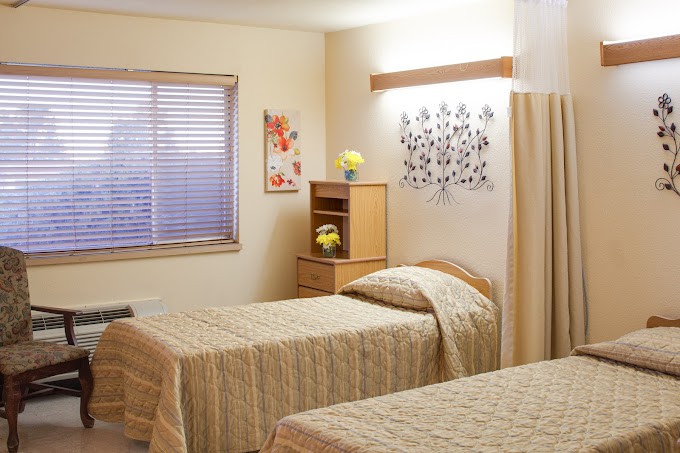
Casa Del Sol Center offers competitive pricing for its services compared to the broader market in Dona Ana County and throughout New Mexico. The center's semi-private rooms are priced at $5,500 per month, which is notably higher than the county average of $4,414 and the state average of $3,324. For those seeking more privacy, Casa Del Sol's private rooms are available at $7,000 per month - again surpassing both the county rate of $5,422 and the state figure of $4,391. While Casa Del Sol's rates reflect a premium level of care and amenities, they stand in contrast to lower-cost options within the region. Ultimately, families considering Casa Del Sol will want to weigh these costs against the quality of life and services provided by this facility.

Floor plansCasa Del Sol CenterDona Ana CountyNew Mexico
Semi-Private$5,500$4,414$3,324
Private$7,000$5,422$4,391

What level of care are you interested in?

Assisted Living

Memory Care

Independent Living

Skilled Nursing Facility

Continuing Care Retirement Community (CCRC)CCRC

Other


Request a tour at Casa Del Sol Center

    Overall Review of Casa Del Sol Center

    Pros

    • pro The staff are polite and professional.
    • pro The facility is clean and the staff are helpful.
    • pro The laundry service is efficient and helpful.
    • pro The staff are wonderful and frequently smile at residents.
    • pro The environment feels welcoming, well maintained, and compassionate.
    • pro Administration and staff provide kind and loving care.
    • pro CNAs, nurses, and therapists are capable, caring, and professional.
    • pro Families report that the staff treat their loved ones like family.
    • pro The building is clean and inviting, and residents feel comfortable.
    • pro Therapy teams help residents regain walking and mobility.
    • pro Some staff speak Spanish, helping residents feel more at home.

    Cons

    • pro Some staff members clearly hate working there, and that attitude infects the overall atmosphere.
    • pro The meals are barely adequate and heavily carbohydrate, problematic for diabetics.
    • pro There is only one shower, and residents sometimes have to wait a week for a proper shower.
    • pro The facility experiences roach infestations in the cafeteria area during the summer.
    • pro Some staff members are not invested and behave unprofessionally toward residents, reminiscent of correctional staff.
    • pro The nursing staff is professional but overworked; the facility is short-staffed, and problematic behavior is tolerated because those workers show up.
    • pro A staff member accused a resident of stealing food and harassed them.
    • pro There are instances of terrible care: medications not given on time, staff ignoring family members, and lack of prescribed meds leading to hospital stays.
    • pro The administration is described as the worst.

    Review

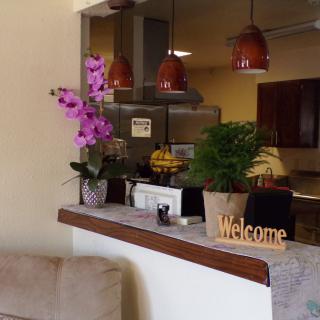
    The reviews depict a facility that inspires a wide range of lived experiences, from consistently warm, hopeful encounters to sharply negative episodes that underscore real challenges in staffing, safety, and daily operations. Across many accounts, the common thread is that the people who work there are often courteous, professional, and genuinely caring. Families repeatedly describe staff as polite, helpful, and attentive to residents' needs, with particular praise for caregivers who build trust with patients and their relatives. Several reviewers highlight that the building is clean and that residents look well cared for, and they note moments when staff go above and beyond to make loved ones feel at home. In several testimonials, relatives explicitly emphasize gratitude toward caregivers, nurses, CNAs, and therapists who helped their family members regain independence or feel secure during a difficult time.

    Alongside the praise, the comments reveal a mosaic of experiences that reflect variability in operations, morale, and outcomes. Some readers recount personal incidents that left them unsettled, including a stay where a staff member accused them of stealing food and subjected them to repeated harassment. These experiences are contrasted with many positive stories, but they point to underlying tensions that can arise in long-term care settings when workloads are heavy, supervision is uneven, or policies are not consistently enforced. A number of reviewers acknowledge that the care was satisfactory or excellent up to a point, then note lapses or problematic behavior from certain staff, suggesting that morale and engagement can fluctuate within the same facility.

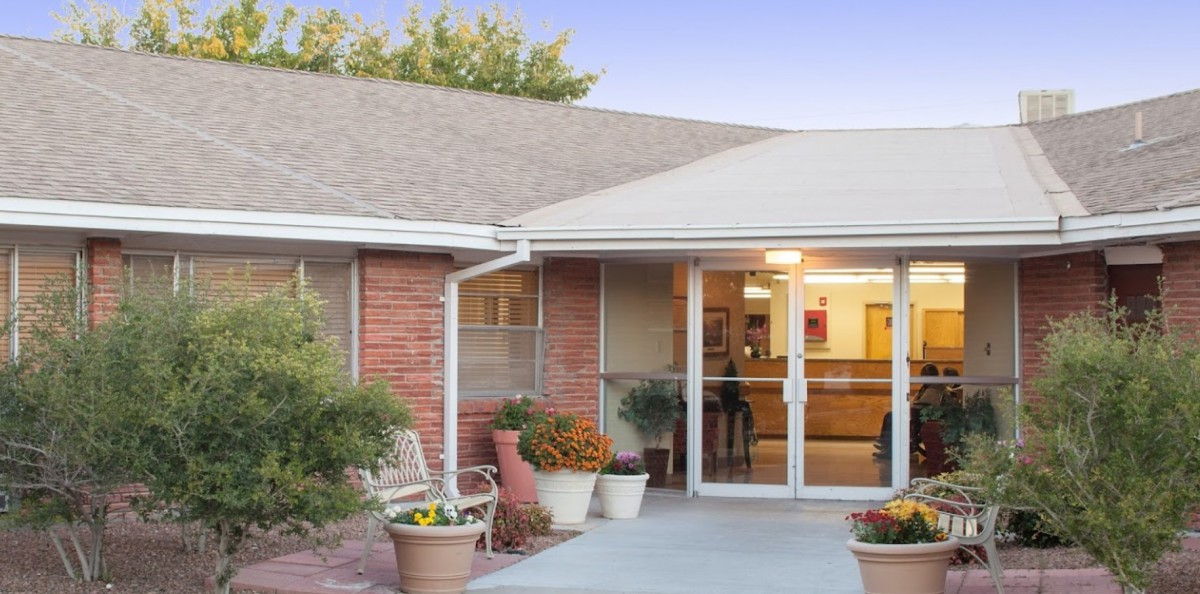
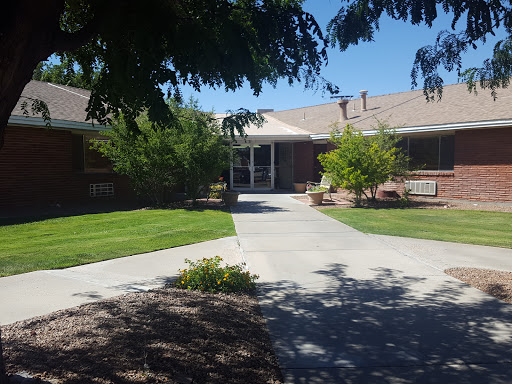
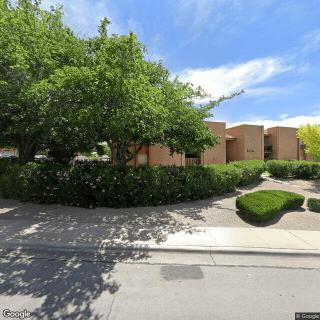
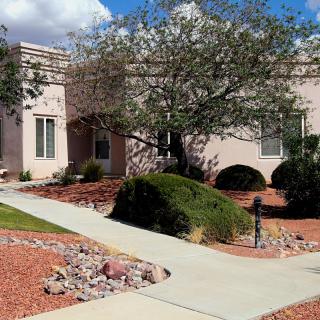
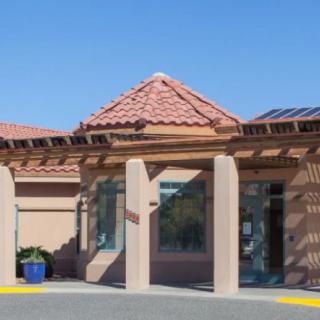
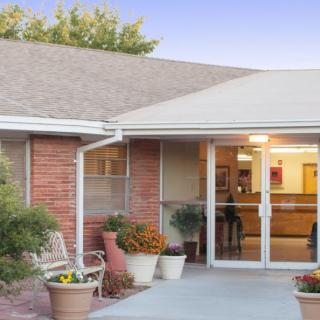
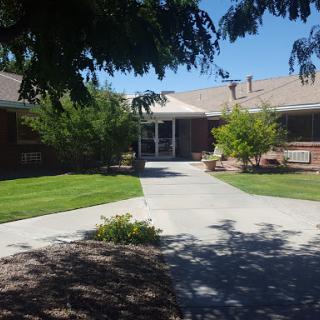
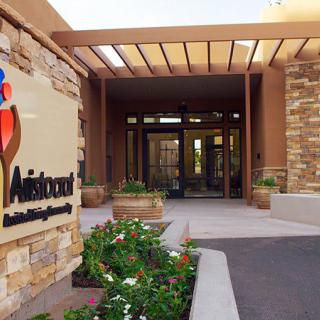
    Facility conditions and amenities emerge as a recurring point of discussion. Several comments mention that outside areas and doors could use some attention, and a few reviewers point to an older building that remains clean and well maintained but not without its drawbacks. There are mentions of limited shower options - one shower for the entire facility and occasional delays in accessing a proper shower - which highlight practical quality-of-life concerns that matter deeply to residents and families. Infestation issues, particularly roaches in the cafeteria area during the summer, are flagged by some reviewers as a health and comfort concern, underscoring the need for ongoing facility maintenance and pest control. Despite these criticisms, other reviewers describe the environment as inviting and well-kept, with a distinctive sense of communal care and a homey atmosphere.

    Nutrition and meals are another area where experiences diverge. A notable portion of the feedback criticizes meals as barely adequate and heavy on carbohydrates, which is especially problematic for residents with diabetes. Yet there are countervailing voices that report good meals and appreciation for the kitchen staff, with some residents noting that they enjoy the food and eat more than they would at home. The mixed reactions to dining reflect the broader theme: what works well for one resident may be less satisfactory for another, influenced by dietary needs, personal preferences, and the day-to-day realities of hospital-like dining in a nursing home setting.

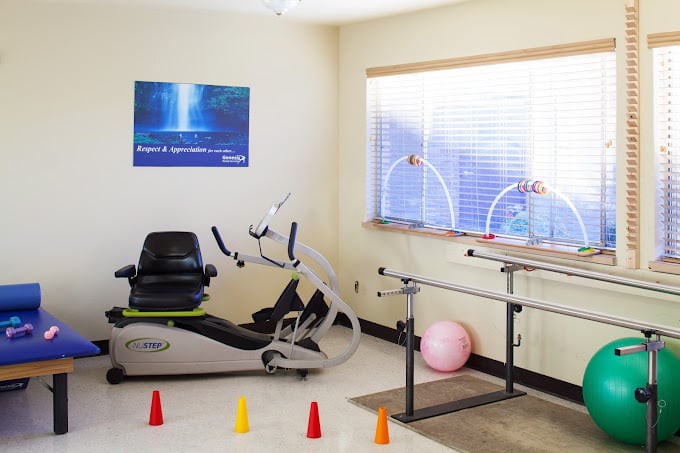
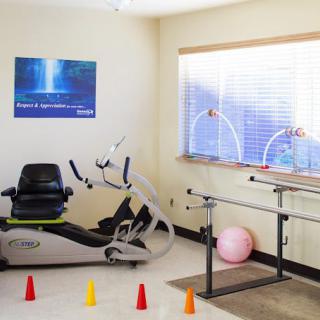
    Therapy and rehabilitative services receive strong and often glowing endorsements. Many reviewers speak highly of physical therapy, occupational therapy, and speech-language therapy, describing therapists as motivating, skilled, and instrumental in helping patients reclaim mobility. Several accounts specifically thank therapists for helping individuals regain the ability to walk or to perform daily activities with greater independence. The therapy teams are repeatedly praised for their expertise and dedication, and praise is extended to other supportive roles such as van drivers who provide reliable transport to appointments. These positive testimonials reinforce a core strength of the facility: when rehabilitation needs align with the patient's goals and the staff are aligned in their approach, meaningful progress and a sense of progress can be deeply felt by residents and their families.

    The composition and culture of the staff emerge as a nuanced theme. Some reviews celebrate a generally friendly and professional workforce, with comments about staff who speak Spanish and make residents feel more at ease. The presence of compassionate caregivers who treat residents like family is a recurring sentiment, and several accounts single out specific staff members for appreciation. However, there are also reflections on overwork, short-staffing, and inconsistent attitudes among some employees. In these voices, the care environment can feel impacted by fatigue or disengagement, with some residents and families perceiving unprofessional behavior or a lack of investment from certain team members. Taken together, the remarks suggest that staffing levels and morale profoundly shape daily experiences, for better or worse, and that residents often notice and remember not just the care plan, but how it is carried out in real-time by the people who deliver it.

    Overall, the facility appears to be a place of promise shadowed by real-world challenges. For many families, it represents a place where their loved ones are treated with kindness, where professional and empathetic care helps people live with dignity, and where there is genuine gratitude for the dedicated staff who strive to make every day better. For others, it is a reminder of the fragility of care environments beneath a veneer of order and cleanliness - where issues like medication timing, harassment incidents, or maintenance gaps can color the experience, underscoring the importance of vigilant administration, consistent staffing, and ongoing quality improvements. In the balance, the prevailing sentiment leans toward recognizing the facility's strengths in compassionate care, rehabilitation excellence, and a respectful culture, while also calling out concrete areas - communication, staffing stability, safety, and facility upkeep - that deserve continued attention to ensure that all residents receive reliable, dignified care every day.

    Features

    Housing

    • 21 resident community capacity 21 resident community capacity

    Types of Care

    • Skilled Nursing Facility Skilled Nursing FacilitySkilled Nursing Facilities are crucial for seniors as they provide round-the-clock medical care, rehabilitation services, and assistance with daily activities. These facilities ensure that seniors receive the specialized care they need to maintain their health and well-being as they age.

    Amenities

    • Beauty salon Beauty salonBeauty salons are important for seniors because they provide a space for them to feel pampered, socialize, and maintain their personal grooming and hygiene. Regular visits to a beauty salon can help boost seniors' self-esteem and overall well-being.
    • Cable or satellite TV Cable or satellite TVCable or satellite TV is important for seniors because it provides entertainment, news, and companionship, helping to combat loneliness and boredom. It also offers a wide range of programming options tailored to different interests and preferences.
    • Dining room Dining roomDining rooms are important for seniors as they provide a space for socialization, connection, and nutritious meals. They offer opportunities for residents to bond over shared meals, foster a sense of community, and promote healthy eating habits. Dining rooms also ensure that seniors have access to well-balanced meals tailored to their dietary needs and preferences.
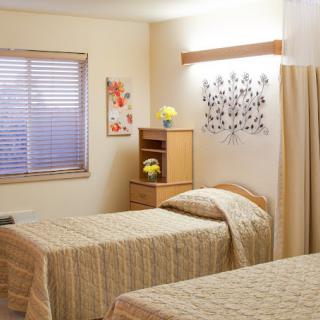
    • Fully furnished Fully furnishedFully furnished senior living communities are important for seniors because they provide convenience, comfort, and a hassle-free moving experience. Seniors can easily settle into their new living space without the stress of having to buy and move furniture. This allows them to focus on enjoying their new home and community.
    • Garden GardenGardens are important for seniors as they provide a peaceful and therapeutic environment for relaxation, physical activity, and socialization. Being in nature has been shown to reduce stress, improve mood, and promote overall well-being. Gardens also offer opportunities for seniors to engage in gardening activities, which can improve mobility, flexibility, and cognitive function. Additionally, gardens create a sense of community and connection with others who share a passion for plants and outdoor spaces.
    • Housekeeping services Housekeeping servicesHousekeeping services are important for seniors because they help maintain a clean and safe living environment, promote independence, and reduce the risk of accidents or illnesses. Additionally, having assistance with household chores can alleviate physical strain and allow seniors to focus on other aspects of their well-being.
    • Kitchenette KitchenetteKitchenettes are important for seniors living in senior living communities because they provide the convenience and independence of being able to prepare simple meals and snacks in the comfort of their own living space. This can help promote a sense of autonomy and well-being for seniors, allowing them to maintain some level of control over their dietary choices and daily routines.
    • Move-in coordination Move-in coordinationMove-in coordination is important for seniors because it helps ease the transition into their new living environment. It ensures that all logistics, such as packing, organizing movers, and setting up utilities are taken care of, allowing seniors to focus on settling in and adjusting to their new home. Having a smooth move-in process can alleviate stress and anxiety, making the transition smoother and more enjoyable for seniors.
    • Outdoor space Outdoor spaceOutdoor spaces are important for seniors as they provide opportunities for physical activity, social interaction, exposure to natural light and fresh air, and a sense of connection to nature. Having access to outdoor spaces can improve overall well-being and quality of life for older adults living in senior communities.
    • Telephone TelephoneTelephones are important for seniors as they provide a lifeline for communication with loved ones, emergency services, and healthcare providers. They offer a sense of security and independence, enabling seniors to stay connected and access assistance when needed.
    • Wi-Fi/high-speed internet available Wi-Fi/high-speed internet availableWi-Fi/high-speed internet is important for seniors to stay connected with loved ones, access online resources, and participate in virtual activities to combat feelings of loneliness and isolation. It also allows them to easily manage healthcare needs, access entertainment, and engage in lifelong learning opportunities.

    Care Services

    • 24-hour call system 24-hour call system24-hour call systems are important for seniors because they provide peace of mind and immediate assistance in case of emergencies. This technology ensures that help is always available, promoting safety and security for elderly individuals living alone or in assisted living facilities.
    • 24-hour supervision 24-hour supervision24-hour supervision is important for seniors to ensure their safety, well-being, and access to immediate assistance in case of emergencies or health issues. This constant support provides peace of mind for both seniors and their loved ones, allowing them to age in place with dignity and security.
    • Activities of daily living assistance Activities of daily living assistanceActivities of daily living assistance are important for seniors because they provide essential support with tasks such as eating, bathing, dressing, and mobility. This assistance helps seniors maintain their independence, dignity, and overall quality of life as they age.
    • Assistance with bathing Assistance with bathingAssistance with bathing is crucial for seniors as it helps maintain personal hygiene, prevents infections, and ensures their overall well-being and comfort. It also provides a sense of dignity and independence for seniors who may struggle with this task on their own.
    • Assistance with dressing Assistance with dressingAssistance with dressing is important for seniors because it helps maintain their independence, promotes personal hygiene, prevents accidents and injuries, and improves overall quality of life. This service ensures that seniors can continue to dress comfortably and confidently, despite any physical limitations they may have.
    • Assistance with transfers Assistance with transfersAssistance with transfers is crucial for seniors as it helps prevent falls and injuries, maintains their independence, and ensures they can safely navigate their living environment. It also provides peace of mind for both seniors and their loved ones.
    • Coordination with health care providers Coordination with health care providersCoordination with health care providers is crucial for seniors to ensure proper medical care, medication management, and overall well-being. This collaboration helps prevent overlapping treatments, track progress more effectively, and provide comprehensive support tailored to individual needs.
    • Diabetes diet Diabetes dietA diabetes diet is crucial for seniors as it helps manage blood sugar levels, reduce risks of complications, and improve overall health and well-being. By following a balanced and nutritious diet tailored to their specific needs, seniors can better control their diabetes and enhance their quality of life.
    • Meal preparation and service Meal preparation and serviceMeal preparation and service are crucial for seniors as they may have limited mobility or energy to cook nutritious meals. Having access to healthy and convenient food options can ensure they are getting the proper nutrition needed to maintain their overall health and well-being.
    • Medication management Medication managementMedication management is crucial for seniors to ensure they are taking the right medications at the correct dosages and times. This helps prevent adverse drug interactions, reduces the risk of medication errors, and promotes overall health and well-being. Proactive management also allows for adjustments as needed based on changing health conditions or new prescriptions.
    • Mental wellness program Mental wellness programMental wellness programs are essential for seniors as they promote cognitive stimulation, emotional support, and social engagement. These programs help prevent isolation, depression, and cognitive decline, ultimately enhancing the overall quality of life for older adults.
    • Special dietary restrictions Special dietary restrictionsSpecial dietary restrictions are important for seniors because age-related changes in metabolism and health conditions can make it difficult for their bodies to process certain foods. By following a diet tailored to their specific needs, seniors can maintain their overall health and well-being, manage chronic conditions, and reduce the risk of complications such as malnutrition or food interactions with medications.
    • Transportation arrangement (medical) Transportation arrangement (medical)Transportation arrangements for medical purposes are essential for seniors as they may have difficulty driving themselves to appointments or accessing public transportation. Having reliable and safe transportation options ensures that seniors can receive timely medical care and maintain their health and well-being.
    • Transportation to doctors appointments Transportation to doctors appointmentsTransportation to doctors' appointments is crucial for seniors as it ensures they have access to necessary medical care and support for their health needs. Without reliable transportation, seniors may struggle to attend important appointments, leading to potential delays in treatment and health complications. Providing transportation services helps seniors maintain their overall well-being and quality of life.
    Dining

    • Diabetes diet Diabetes dietA diabetes diet is crucial for seniors as it helps manage blood sugar levels, reduce risks of complications, and improve overall health and well-being. By following a balanced and nutritious diet tailored to their specific needs, seniors can better control their diabetes and enhance their quality of life.
    • Special dietary restrictions Special dietary restrictionsSpecial dietary restrictions are important for seniors because age-related changes in metabolism and health conditions can make it difficult for their bodies to process certain foods. By following a diet tailored to their specific needs, seniors can maintain their overall health and well-being, manage chronic conditions, and reduce the risk of complications such as malnutrition or food interactions with medications.

    Activities

    • Community-sponsored activities Community-sponsored activitiesCommunity-sponsored activities are important for seniors as they provide opportunities for social interaction, mental stimulation, and physical activity. These activities can help improve overall well-being, combat loneliness and isolation, and promote a sense of belonging and purpose among older adults.
    • Scheduled daily activities Scheduled daily activitiesScheduled daily activities are important for seniors because they provide structure, socialization, mental stimulation, and physical activity. Engaging in regular activities can improve overall well-being and quality of life for seniors living in a community setting.

    Description

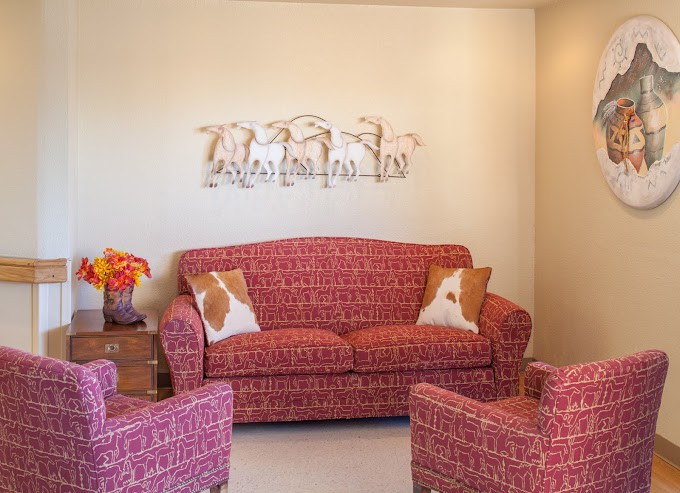
    The Casa Del Sol Center in Las Cruces, NM is a fully furnished assisted living community that offers a range of amenities and care services to meet the needs of its residents. The center provides a comfortable and spacious living environment, with cable or satellite TV, Wi-Fi/high-speed internet, and telephone services available to keep residents connected.

    Residents can enjoy delicious meals in the dining room, with special dietary restrictions accommodated. Housekeeping services are provided to ensure that living spaces are clean and tidy. Outdoor spaces and gardens are available for residents to relax and enjoy the fresh air.

    Care services at Casa Del Sol Center include 24-hour supervision and assistance with activities of daily living such as bathing, dressing, and transfers. The center also coordinates with health care providers to ensure that residents receive necessary medical care. Medication management is available to help residents stay on track with their medications.

    The mental wellness program at Casa Del Sol Center focuses on promoting emotional well-being and providing support for residents' mental health needs. Transportation arrangements can be made for medical appointments, ensuring that residents have access to necessary healthcare resources.

    Located conveniently close to cafes, parks, pharmacies, physicians' offices, restaurants, places of worship, theaters, and hospitals, Casa Del Sol Center provides an ideal location for accessing various amenities and resources in the surrounding community.

    Overall, the Casa Del Sol Center offers a comprehensive range of amenities and care services in a comfortable and convenient setting for individuals seeking assisted living support in Las Cruces, NM.

    Nearby Places of Interest

    Physicians

    • TLC Medical Clinic (0.1 miles)
    • Rio Grande Medical Group (0.6 miles)
    • David M. Valenzuela (0.6 miles)
    • Dr Maria G. Crawley, MD (0.6 miles)
    • Memorial Cancer Center (0.6 miles)
    • Segal Robert J Dermatologist (0.7 miles)
    • Las Cruces Hearing Center (0.7 miles)

    Restaurants

    • Genghis Grill (0.5 miles)
    • McAlister's Deli (0.5 miles)
    • Cattle Baron (0.6 miles)
    • Farley's Food & Fun Pub (1 miles)
    • Sonic Drive-In (1 miles)
    • Hooters (1 miles)
    • Raising Cane's Chicken Fingers (1 miles)

    Hospitals

    • Memorial Medical Center (0.6 miles)
    • MountainView Regional Home Health (1.3 miles)
    • Davita Dialysis (1.4 miles)

    Theaters

    • Cineport 10 (0.7 miles)

    Cafes

    • Milagro Coffee Y Espresso (1.1 miles)
    • Corner Bakery Cafe (1.3 miles)
    • Boba Cafe (1.6 miles)
    • Starbucks (1.7 miles)
    • Starbucks (2.9 miles)

    Places of Worship

    • University United Methodist Church (1.1 miles)
    • St Genevieve's Catholic Church (2.1 miles)

    Pharmacies

    • Albertsons Pharmacy (1.2 miles)
    • Walgreens (1.3 miles)
    • Albertsons Pharmacy (2 miles)
    • Walmart Pharmacy (2.2 miles)
    • Walgreens (2.2 miles)
    • Compounding Specialists of The Southwest (3.3 miles)

    Parks

    • Hadley Dog Park (1.9 miles)
    • Veterans Memorial Park (2.8 miles)
    • Pioneer Park (2.9 miles)

    Frequently Asked Questions

    How much does it cost to live at Casa Del Sol Center in Las Cruces, NM?
    Where is Casa Del Sol Center?
    What photos are available for Casa Del Sol Center in Las Cruces, New Mexico?

    Nearby Communities

    Related Resources

    • elderly blood pressure chartComprehensive Guide to Blood Pressure Charts for Older Adults: Understanding Normal and High Readings by Age

      The guide on blood pressure charts for older adults stresses the importance of understanding normal and high blood pressure readings influenced by age, genetics, and lifestyle, while emphasizing regular monitoring and lifestyle modifications to prevent serious health issues. It provides insights into blood pressure categories, dietary recommendations, medication considerations, and the role of caregivers in supporting healthy habits.

    • how to pay for nursing home care with social securityFinancing Long-Term Nursing Home Care Through Social Security: A Thorough Exploration

      The article explores the complexities of using Social Security to finance long-term nursing home care in the U.S., detailing eligibility requirements and misconceptions, while emphasizing that these benefits often do not cover full costs and highlighting the need for strategic financial planning and professional guidance.

    • pneumonia in elderlyEssential Knowledge on Pneumonia in Older Adults

      Pneumonia significantly affects older adults due to weakened immune systems and atypical symptoms that complicate diagnosis, necessitating early detection and tailored treatment. Risk factors include chronic diseases and cognitive impairments, with preventive measures like vaccinations and healthy lifestyles being crucial for reducing risk.


    Get Pricing Ask A Question Schedule A Tour Contact Senior Advisor