Belen Meadows Healthcare and Rehabilitation Center

Save

Belen Meadows Healthcare and Rehabilitation Center

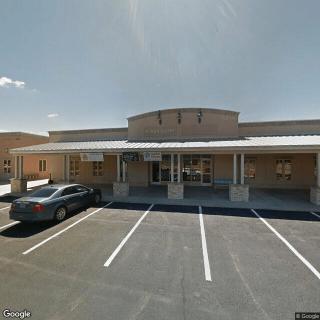
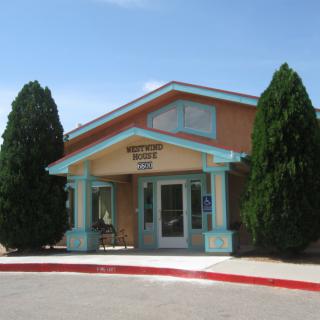
1831 Camino del Llano, Belen, NM 87002

For more information about senior living options: (844) 490-3973

4 from 99 reviews
5 stars
62
4 stars
13
3 stars
3
2 stars
0
1 stars
21

Skilled Nursing Facility

Overall Review of Belen Meadows Healthcare and Rehabilitation Center

Pros

  • pro The staff were very helpful.
  • pro Everyone encountered was friendly and helpful.
  • pro The staff on Hall 2 kept rooms clean and helped residents get in and out of bed.
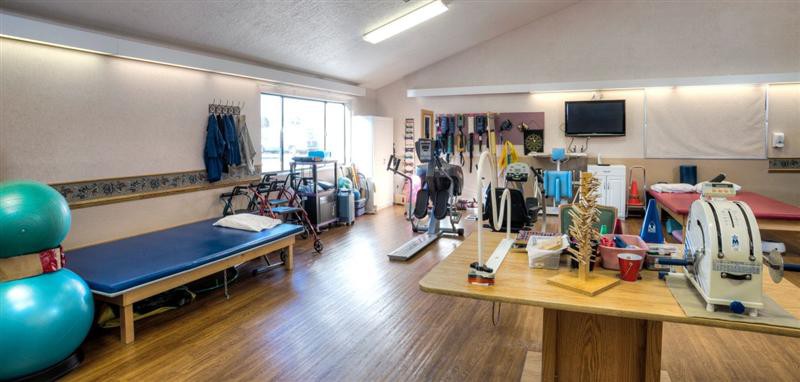
  • pro Physical therapy is going great for residents at the facility.
  • pro The environment is clean and quiet.
  • pro The administrative staff are kind, responsive, and helpful with paperwork.
  • pro The PT/OT team is outstanding and gently helps residents reach their goals.
  • pro Karen Gabaldon was friendly, informative, and professional.

Cons

  • pro A reviewer warned that it is not advisable to place a loved one at the facility.
  • pro One reviewer described the staff's bedside manner as the worst ever, noting Victoria did not know what she was doing.
  • pro The facility was described as dirty, with pee splashes in the bathroom.
  • pro Another reviewer reported repeated dietary errors, such as serving eggs despite allergies and offering unfit foods for a patient with tongue cancer.
  • pro Therapy was criticized as inconsistent, and a patient was left sitting in waste for a long time.
  • pro The social workers were said to be condescending and pushy and to disregard the patient's decisions.
  • pro A reviewer alleged elder abuse and stated that the facility prioritizes money over patient care.
  • pro Hygiene was neglected, with no bathing and dirty beds, leading to bedsores.

Review

The experiences shared about Belen Meadows Healthcare and Rehabilitation Center are deeply mixed, spanning moments of genuine gratitude and concern that cut across many visits and conversations. On one end, there are numerous praises for kindness, responsiveness, and a sense that staff genuinely care about residents. On the other, there are stark, highly troubling accounts of neglect and outright allegations of abuse. Taken together, the collection paints a picture of a facility where care can be exemplary in some instances and profoundly lacking in others, depending on who you encounter and when you arrive.

Several reviews highlight positive interactions with staff, noting that employees are polite, helpful, and attentive. One account describes a front-desk staff member as "extra nice and helpful," while another thanks the entire team for their consistent courtesy and the feeling that residents are treated with dignity. Visitors repeatedly emphasize the cleanliness and orderliness of the environment, with comments such as "the environment was very clean and quiet" and "the facility is clean, no odors whatsoever." There are also persistent endorsements of the medical and therapy teams, including praise for the physical therapy and occupational therapy staff who helped a patient reach goals. A family member describes the PT/OT team as outstanding and gently guiding recovery, and another notes that the administrative group helps navigate insurance matters and questions promptly. Even when logistics arise - such as coordinating services with religious programs or arranging space for different activities - the staff is described as cooperative and solution-oriented.

There are specific anecdotes that illustrate the care and attentiveness some residents receive. For instance, one reviewer praised two women who worked on Hall 2 for keeping the room clean, handling duties like changing linens and helping a resident in and out of bed, with the nurse described as "tentative" in a positive sense. The staff's responsiveness to family concerns could be seen in a story about coordinating Catholic services with the administrator: after a minor scheduling clash, a director was enlisted to find an alternative room so the services could proceed smoothly, and the layperson in charge of the script reportedly adapted the plan and the day turned into a meaningful visit for Catholic residents. Other comments speak to the ongoing availability of staff for questions and reassurance, and to a sense of reassurance that the facility will "turn out just fine" as long as communication continues to improve and arrangements stay flexible.

Yet the breadth of experiences includes several severe red flags and troubling accusations. A number of reviewers describe highly negative encounters that go beyond mere dissatisfaction. One person explicitly states a plan to seek legal help after discovering their father had suffered two strokes and receiving what they feel was incorrect or delayed care. Another individual writes with alarm that a loved one was not bathed since arrival, was given inappropriate food for their medical condition, and appeared to be neglected to the point of severe distress or depression. Phrases like "do NOT place a loved one here," "I wouldn't be here," and "elderly abuse is happening here" appear in reviews that recount issues such as unsanitary conditions, missed or mismanaged meals for patients with specific dietary restrictions, and lack of response from therapy teams. There are also accounts of patients left in uncomfortable positions, situations where care plans were not followed, and social workers described as condescending or unhelpful.

Other reviews detail more specific episodes that raise serious concerns about patient safety and quality of life. A grandfather's short stay is described as unsatisfactory and disrespectful, with claims of dirty facilities, repeat dietary errors (eggs served despite dietary restrictions), and a broader sense that staff prioritized other tasks over patient needs. There are accusatory and emotional statements about intervening to discharge patients, instances of bedsores due to lack of timely care, and reports that some residents were left unattended for long periods or not cleaned adequately. The most alarming statements explicitly call for caution to avoid using the facility, urging readers to consider other options and stating that abuse and neglect were occurring.

In conversations about management and communication, there are mixed impressions. Some reviews emphasize praise for Karen, Patti, and other administrative staff who helped locate placements, facilitate transfers, and answer questions with patience and clarity. The sentiment here is that competent, proactive administrative leadership can make a meaningful difference in navigating complicated insurance and care transitions. On the other hand, other accounts imply that discrepancies and conflicts arise from scheduling, room assignments, and service delivery that could have been prevented with more proactive coordination and oversight. The recurring thread is that when communication is effective and the staff are aligned with families' needs, experiences can be positive; when it is lacking or mismanaged, concerns escalate quickly.

Taken as a whole, the body of reviews presents a facility that is capable of delivering high-quality care in certain contexts - cleanliness, friendly staff, accessible administration, timely therapy, and supportive family engagement - while also exhibiting serious failures in other circumstances that can have life-altering consequences for residents. The contrasts are sharp: some families feel their loved ones are treated with dignity, given meaningful therapy, and kept safe and comfortable; others describe neglect, communication breakdowns, and potentially dangerous lapses in basic care and patient rights. Even within the same facility, the tone of a single day can swing from praise to alarm, underscoring the variability in experience.

If you are considering Belen Meadows, or supporting a loved one there, these reviews suggest a careful, discerning approach. It may be wise to visit at different times, speak directly with both clinical and administrative staff, and - where appropriate - document concerns promptly and thoroughly. The stories here are a reminder that institutional care can be a source of immense comfort and healing, but it also requires vigilant oversight and ongoing communication to ensure every resident receives safe, respectful, and appropriate care.

Features

Housing

  • 21 resident community capacity 21 resident community capacity

Types of Care

  • Skilled Nursing Facility Skilled Nursing FacilitySkilled Nursing Facilities are crucial for seniors as they provide round-the-clock medical care, rehabilitation services, and assistance with daily activities. These facilities ensure that seniors receive the specialized care they need to maintain their health and well-being as they age.

Amenities

  • Beauty salon Beauty salonBeauty salons are important for seniors because they provide a space for them to feel pampered, socialize, and maintain their personal grooming and hygiene. Regular visits to a beauty salon can help boost seniors' self-esteem and overall well-being.
  • Cable or satellite TV Cable or satellite TVCable or satellite TV is important for seniors because it provides entertainment, news, and companionship, helping to combat loneliness and boredom. It also offers a wide range of programming options tailored to different interests and preferences.
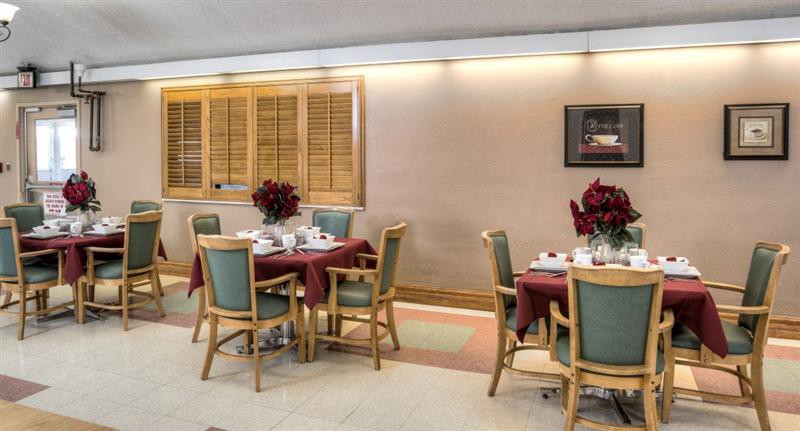
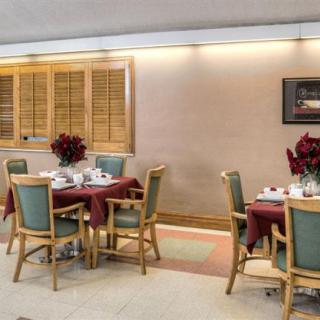
  • Dining room Dining roomDining rooms are important for seniors as they provide a space for socialization, connection, and nutritious meals. They offer opportunities for residents to bond over shared meals, foster a sense of community, and promote healthy eating habits. Dining rooms also ensure that seniors have access to well-balanced meals tailored to their dietary needs and preferences.
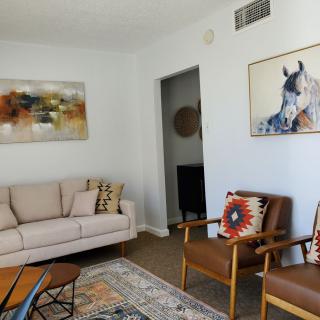
  • Fully furnished Fully furnishedFully furnished senior living communities are important for seniors because they provide convenience, comfort, and a hassle-free moving experience. Seniors can easily settle into their new living space without the stress of having to buy and move furniture. This allows them to focus on enjoying their new home and community.
  • Garden GardenGardens are important for seniors as they provide a peaceful and therapeutic environment for relaxation, physical activity, and socialization. Being in nature has been shown to reduce stress, improve mood, and promote overall well-being. Gardens also offer opportunities for seniors to engage in gardening activities, which can improve mobility, flexibility, and cognitive function. Additionally, gardens create a sense of community and connection with others who share a passion for plants and outdoor spaces.
  • Housekeeping services Housekeeping servicesHousekeeping services are important for seniors because they help maintain a clean and safe living environment, promote independence, and reduce the risk of accidents or illnesses. Additionally, having assistance with household chores can alleviate physical strain and allow seniors to focus on other aspects of their well-being.
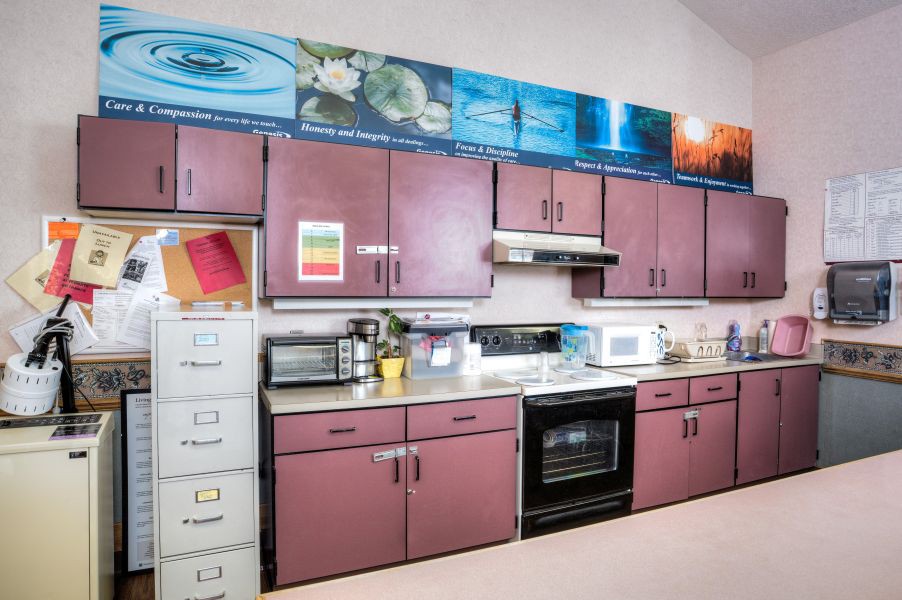
  • Kitchenette KitchenetteKitchenettes are important for seniors living in senior living communities because they provide the convenience and independence of being able to prepare simple meals and snacks in the comfort of their own living space. This can help promote a sense of autonomy and well-being for seniors, allowing them to maintain some level of control over their dietary choices and daily routines.
  • Move-in coordination Move-in coordinationMove-in coordination is important for seniors because it helps ease the transition into their new living environment. It ensures that all logistics, such as packing, organizing movers, and setting up utilities are taken care of, allowing seniors to focus on settling in and adjusting to their new home. Having a smooth move-in process can alleviate stress and anxiety, making the transition smoother and more enjoyable for seniors.
  • Outdoor space Outdoor spaceOutdoor spaces are important for seniors as they provide opportunities for physical activity, social interaction, exposure to natural light and fresh air, and a sense of connection to nature. Having access to outdoor spaces can improve overall well-being and quality of life for older adults living in senior communities.
  • Telephone TelephoneTelephones are important for seniors as they provide a lifeline for communication with loved ones, emergency services, and healthcare providers. They offer a sense of security and independence, enabling seniors to stay connected and access assistance when needed.
  • Wi-Fi/high-speed internet available Wi-Fi/high-speed internet availableWi-Fi/high-speed internet is important for seniors to stay connected with loved ones, access online resources, and participate in virtual activities to combat feelings of loneliness and isolation. It also allows them to easily manage healthcare needs, access entertainment, and engage in lifelong learning opportunities.

Care Services

  • 24-hour call system 24-hour call system24-hour call systems are important for seniors because they provide peace of mind and immediate assistance in case of emergencies. This technology ensures that help is always available, promoting safety and security for elderly individuals living alone or in assisted living facilities.
  • 24-hour supervision 24-hour supervision24-hour supervision is important for seniors to ensure their safety, well-being, and access to immediate assistance in case of emergencies or health issues. This constant support provides peace of mind for both seniors and their loved ones, allowing them to age in place with dignity and security.
  • Activities of daily living assistance Activities of daily living assistanceActivities of daily living assistance are important for seniors because they provide essential support with tasks such as eating, bathing, dressing, and mobility. This assistance helps seniors maintain their independence, dignity, and overall quality of life as they age.
  • Assistance with bathing Assistance with bathingAssistance with bathing is crucial for seniors as it helps maintain personal hygiene, prevents infections, and ensures their overall well-being and comfort. It also provides a sense of dignity and independence for seniors who may struggle with this task on their own.
  • Assistance with dressing Assistance with dressingAssistance with dressing is important for seniors because it helps maintain their independence, promotes personal hygiene, prevents accidents and injuries, and improves overall quality of life. This service ensures that seniors can continue to dress comfortably and confidently, despite any physical limitations they may have.
  • Assistance with transfers Assistance with transfersAssistance with transfers is crucial for seniors as it helps prevent falls and injuries, maintains their independence, and ensures they can safely navigate their living environment. It also provides peace of mind for both seniors and their loved ones.
  • Coordination with health care providers Coordination with health care providersCoordination with health care providers is crucial for seniors to ensure proper medical care, medication management, and overall well-being. This collaboration helps prevent overlapping treatments, track progress more effectively, and provide comprehensive support tailored to individual needs.
  • Diabetes diet Diabetes dietA diabetes diet is crucial for seniors as it helps manage blood sugar levels, reduce risks of complications, and improve overall health and well-being. By following a balanced and nutritious diet tailored to their specific needs, seniors can better control their diabetes and enhance their quality of life.
  • Meal preparation and service Meal preparation and serviceMeal preparation and service are crucial for seniors as they may have limited mobility or energy to cook nutritious meals. Having access to healthy and convenient food options can ensure they are getting the proper nutrition needed to maintain their overall health and well-being.
  • Medication management Medication managementMedication management is crucial for seniors to ensure they are taking the right medications at the correct dosages and times. This helps prevent adverse drug interactions, reduces the risk of medication errors, and promotes overall health and well-being. Proactive management also allows for adjustments as needed based on changing health conditions or new prescriptions.
  • Mental wellness program Mental wellness programMental wellness programs are essential for seniors as they promote cognitive stimulation, emotional support, and social engagement. These programs help prevent isolation, depression, and cognitive decline, ultimately enhancing the overall quality of life for older adults.
  • Special dietary restrictions Special dietary restrictionsSpecial dietary restrictions are important for seniors because age-related changes in metabolism and health conditions can make it difficult for their bodies to process certain foods. By following a diet tailored to their specific needs, seniors can maintain their overall health and well-being, manage chronic conditions, and reduce the risk of complications such as malnutrition or food interactions with medications.
  • Transportation arrangement (medical) Transportation arrangement (medical)Transportation arrangements for medical purposes are essential for seniors as they may have difficulty driving themselves to appointments or accessing public transportation. Having reliable and safe transportation options ensures that seniors can receive timely medical care and maintain their health and well-being.
  • Transportation to doctors appointments Transportation to doctors appointmentsTransportation to doctors' appointments is crucial for seniors as it ensures they have access to necessary medical care and support for their health needs. Without reliable transportation, seniors may struggle to attend important appointments, leading to potential delays in treatment and health complications. Providing transportation services helps seniors maintain their overall well-being and quality of life.
Dining

  • Diabetes diet Diabetes dietA diabetes diet is crucial for seniors as it helps manage blood sugar levels, reduce risks of complications, and improve overall health and well-being. By following a balanced and nutritious diet tailored to their specific needs, seniors can better control their diabetes and enhance their quality of life.
  • Special dietary restrictions Special dietary restrictionsSpecial dietary restrictions are important for seniors because age-related changes in metabolism and health conditions can make it difficult for their bodies to process certain foods. By following a diet tailored to their specific needs, seniors can maintain their overall health and well-being, manage chronic conditions, and reduce the risk of complications such as malnutrition or food interactions with medications.

Activities

  • Community-sponsored activities Community-sponsored activitiesCommunity-sponsored activities are important for seniors as they provide opportunities for social interaction, mental stimulation, and physical activity. These activities can help improve overall well-being, combat loneliness and isolation, and promote a sense of belonging and purpose among older adults.
  • Scheduled daily activities Scheduled daily activitiesScheduled daily activities are important for seniors because they provide structure, socialization, mental stimulation, and physical activity. Engaging in regular activities can improve overall well-being and quality of life for seniors living in a community setting.

Description

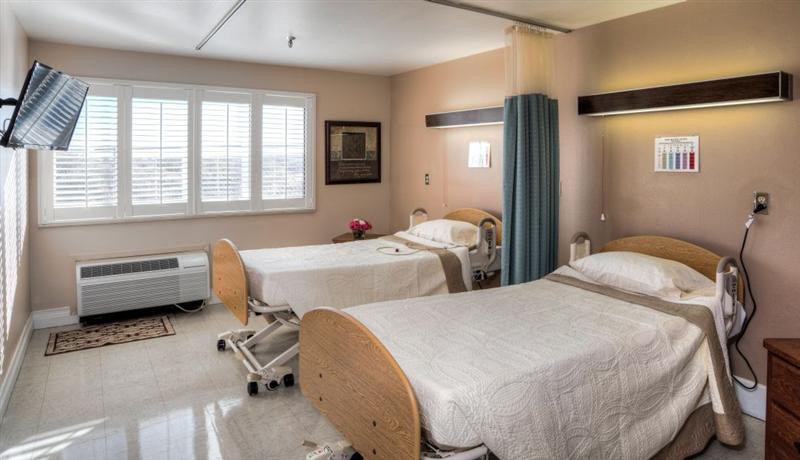
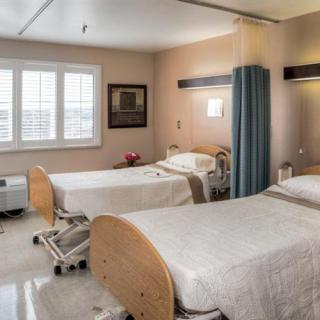
The Belen Meadows Healthcare and Rehabilitation Center in Belen, NM, offers a comfortable and supportive assisted living community for seniors. Our facility is fully furnished and equipped with amenities to provide a comfortable and enjoyable living experience. Residents can relax and unwind in their own private cable or satellite TV-equipped rooms or spend time socializing in the communal areas such as the dining room and outdoor spaces.

Our dedicated housekeeping services ensure that residents enjoy a clean and organized environment at all times. Each resident has access to a personal kitchenette for their convenience. Move-in coordination services are provided to make the transition into our community as seamless as possible.

At Belen Meadows, we prioritize the well-being of our residents by providing 24-hour supervision and assistance with activities of daily living such as bathing, dressing, and transfers. Our staff coordinates with healthcare providers to ensure comprehensive care for each resident's individual needs. We offer specialized diabetes diets, meal preparation, and medication management services.

Mental wellness is important to us, which is why we have a program designed to support our residents' emotional well-being. We also accommodate special dietary restrictions to cater to each resident's unique needs.

Transportation arrangements are available for medical appointments, ensuring that residents have access to essential healthcare services. Additionally, there are nearby cafes, pharmacies, physicians' offices, restaurants, transportation options, and places of worship for added convenience.

With scheduled daily activities planned by our experienced staff members, residents have plenty of opportunities for social engagement and entertainment.

Choose Belen Meadows Healthcare and Rehabilitation Center for quality assisted living care in a comforting environment where your loved one can thrive.

Nearby Places of Interest

Physicians

  • Family Practice Specialists (0.2 miles)
  • Presbyterian, Presbyterian Medical Group (0.3 miles)
  • First Choice Community Healthcare (0.8 miles)
  • Total Eye Care Optometrists (0.8 miles)
  • Valencia Family Medicine (11 miles)
  • Wicks Dane K MD Enchantment Healthcare (11.1 miles)
  • Enchantment Healthcare (11.1 miles)

Restaurants

  • Pennys Diner Belen (0.4 miles)
  • Circle T Burgers (0.7 miles)
  • Taqueria Sinaloa (0.8 miles)
  • Hondumex (0.8 miles)
  • Rita's New Mexican Restaurant (1.1 miles)
  • Rutilio's New Mexican Foods (1.2 miles)
  • Sonic Drive-In (1.4 miles)

Places of Worship

  • Belen Christian Church (0.5 miles)
  • Belen English Congregation of Jehovah's Witnesses (0.8 miles)
  • Christian Family Fellowship (0.9 miles)
  • Freedom Worship Center formerly Rampart Christian Fellowship (1.1 miles)
  • Southern Baptist Convention (1.1 miles)
  • First Baptist Church (1.2 miles)
  • Belen Missionary Baptist Church (1.3 miles)

Cafes

  • Alejandro's Cafe (0.6 miles)
  • Morgans Cakes & More (0.9 miles)
  • Casa De Abo (1.7 miles)
  • Grounded Bookstore and Coffee Shop (2.6 miles)
  • Sunrise Cafe (7.3 miles)
  • Valencia Coffee (9.4 miles)

Pharmacies

  • Share 'n Care Compounding Pharmacy (1 miles)
  • Buckland Pharmacy (1.1 miles)
  • Walgreens (1.1 miles)
  • Walmart Pharmacy (11.5 miles)
  • Natural Rx (11.5 miles)
  • Albertsons Market Pharmacy (11.6 miles)
  • Sav-On Pharmacy (11.6 miles)

Transportation

  • Belen Station (1.4 miles)
  • NM Rail Runner (1.5 miles)
  • Belen Regional Airport BRG (2.2 miles)
  • U-Haul Neighborhood Dealer (3.3 miles)
  • Mountain Legends Taxidermy (5.8 miles)
  • Mid Valley Airpark (E98) (7.6 miles)
  • Mountain Air Helicopters (8.1 miles)

Parks

  • Los Lunas Sports Complex (10 miles)
  • River Park (11.2 miles)
  • Riverside Park Los Lunas (11.3 miles)
  • Los Lunas Parks & Recreation (11.9 miles)
  • Cypress Estates Park (11.9 miles)
  • San Antonio Park (12.6 miles)

Frequently Asked Questions

Where is Belen Meadows Healthcare and Rehabilitation Center?
What photos are available for Belen Meadows Healthcare and Rehabilitation Center in Belen, New Mexico?

Nearby Communities

Related Resources

  • brain games for seniorsEffective Strategies for Keeping Seniors' Minds Active: A Deep Dive into Brain Games and Apps

    The article outlines strategies for keeping seniors' minds active through brain games and apps, highlighting the importance of cognitive exercises, social engagement, and a healthy lifestyle in combating cognitive decline. It emphasizes the benefits of various types of games and offers practical tips for maintaining mental wellness through enjoyable activities while acknowledging their limitations.

  • aid and attendance vaIn-Depth Look at the VA Aid and Attendance Program

    The VA Aid and Attendance program offers financial assistance to veterans needing help with daily activities due to health issues, available through a pension for low-income wartime veterans or an allowance for 100% disabled individuals. Eligibility depends on medical documentation of care needs and navigating guidelines about income and service history, with funds being usable for various healthcare-related expenses.

  • caring for elderly parentsNurturing Our Loved Ones: A Daughter's Journey in Caring for Her Mother
    Please provide the content you'd like summarized.