
3216 State Highway 47, Los Lunas, NM 87031
For more information about senior living options: (866) 208-4318
Overall Review of Senior Living Systems
Pros
 The program's director expresses gratitude to residents, family members, staff and the community for supporting the program over the last 30 years.
- The program is described as a community committed to reducing isolation among older adults through a variety of programs and services.
- The staff provided phenomenal care to a resident with dementia, showing love and enhancing her life.
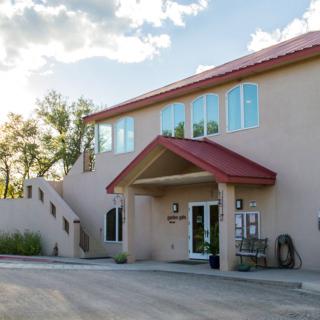
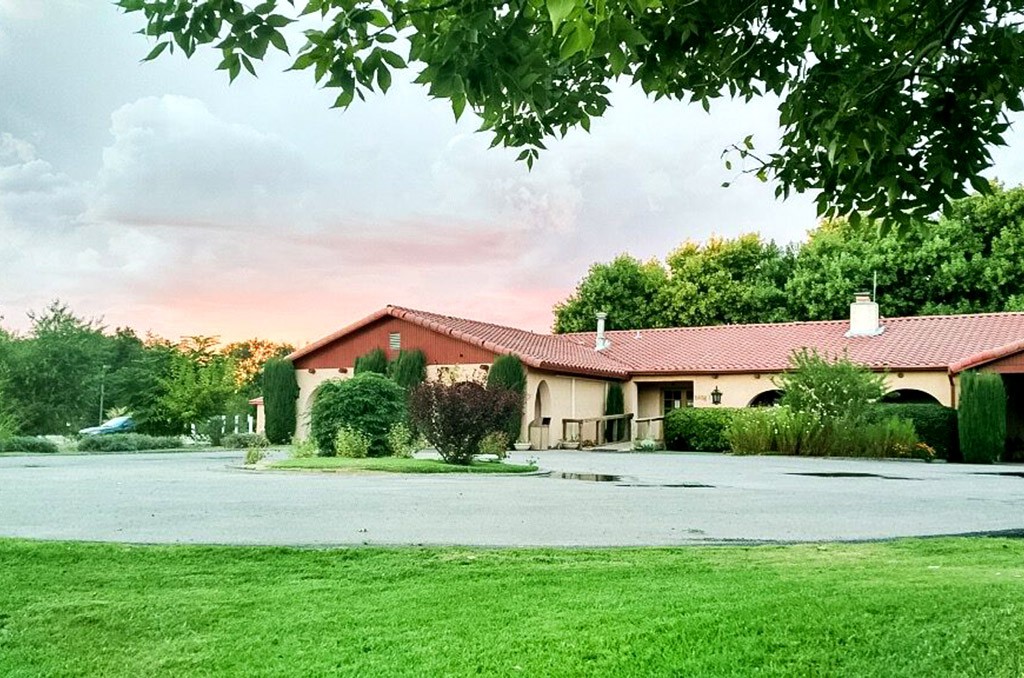
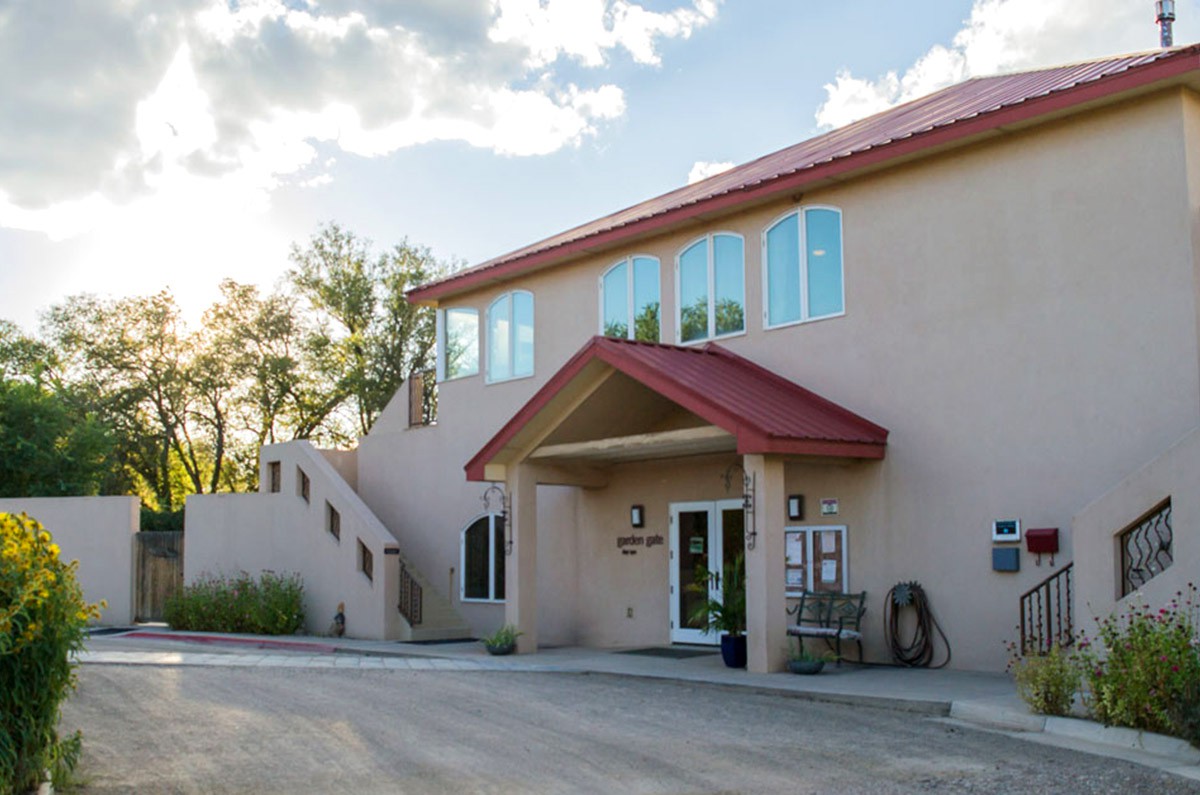
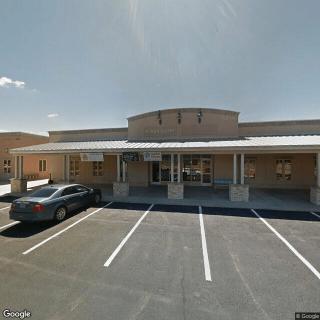
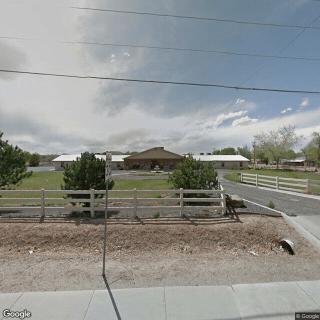
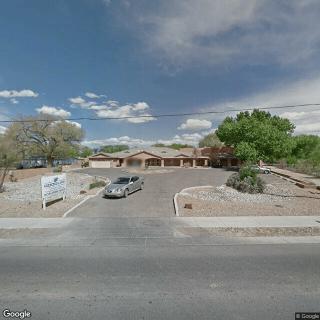
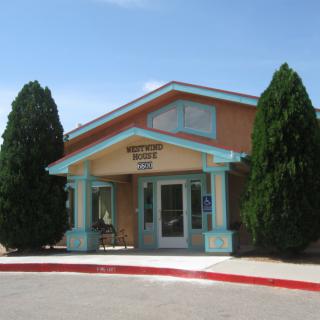
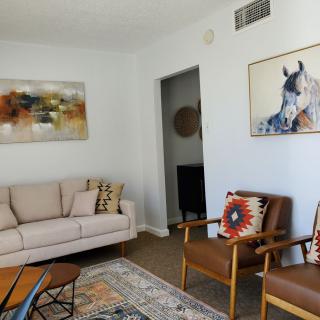
- Senior Living Systems is described as clean and well-maintained, with content residents, friendly staff, and a secure, convenient location.
- Residents have their own very nice rooms; the staff are great; the facility offers a bistro and good food.
Cons
 Horrible management.
- Staff are mean to residents.
- Managers don’t do anything but sit at the desk all shift.
- They treat their staff horrible.
Review
Senior Living Systems in Los Lunas is best suited for families seeking an assisted-living environment that can deliver genuinely attentive, dementia-capable care in a clean, home-like campus. Prospective residents who value personal attention, steady routines, and a atmosphere where meals and daily life feel approachable will find this community appealing. The facility’s strengths lie in a well-maintained setting, pleasant rooms, a bistro-style dining option, and security features that offer peace of mind to families worried about wandering or safety. If the priority is a warm, resident-centered experience where staff engage with residents and provide companionship, this community can deliver that sense of daily comfort.
But there are clear signals that families should consider alternatives, especially if administrative consistency and staff treatment are non-negotiables. Several reviews point to management problems: claims that managers sit at desks and fail to address resident concerns, and allegations that staff are treated poorly by leadership. Such a culture can undermine resident well-being even where direct caregiving is compassionate. Families needing rock-solid administrative oversight, transparent problem-solving, and a consistently respectful work environment may prefer communities with stronger, more visible leadership. Those requiring rapid placement or highly integrated medical nursing oversight may also want to compare options that advertise more robust escalation protocols.
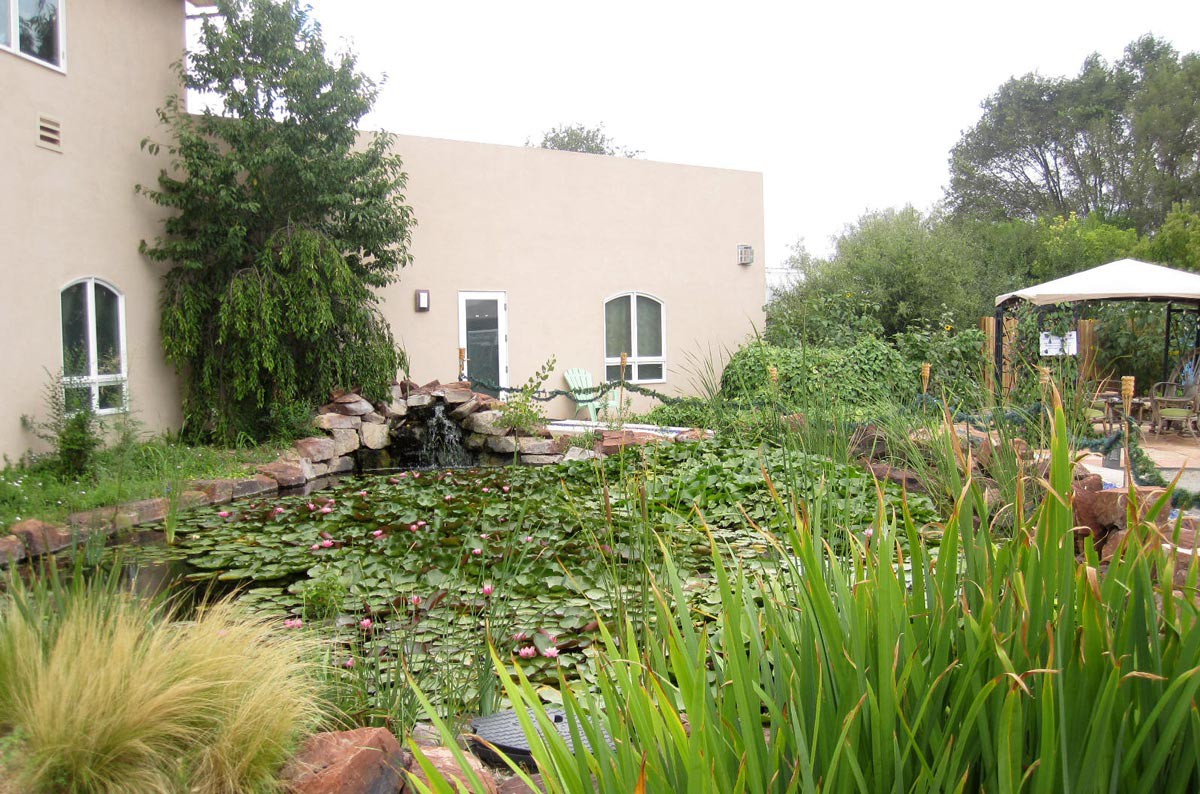
The strongest positives center on care quality in everyday life. Residents and family members describe a clean, well-kept facility, nicely maintained rooms, and a pleasant campus environment. The dining experience, including a bistro and satisfactory meals, is frequently cited as a real plus. Staff have been portrayed as friendly, responsive, and willing to collaborate with families, ranging from arranging visits to bringing in entertainment or activities for residents. For families navigating dementia care, the anecdotal testimony that caregivers can maintain a loving, patient approach even as dementia progresses is meaningful, signaling that life inside the community can feel dignified and enjoyable.
Those positives do not vanish in a vacuum; they interact with the management concerns in ways that matter for decision-making. When care teams are kind and consistent day to day, they can cushion the impact of imperfect leadership, but the opposite is also true: sustained leadership issues can erode staff morale, increase turnover, and disrupt routines that residents rely on. The reality suggested by the mixed ratings is that while some residents thrive and feel well cared for, others encounter experiences shaped by inconsistent management and staff dynamics. Families should weigh whether a strong front-line caregiving culture can prevail even if administrative signals are ambiguous.
The most important caution is the potential ripple effect of weak management on resident safety, accountability, and satisfaction. Reports of staff mistreatment, or a perceived lack of intervention from managers when problems arise, are red flags that demand closer scrutiny during visits. This is not to dismiss the genuine care many residents receive, but it is a reminder that leadership quality often determines how smoothly the daily care is delivered, how staff are coached, and how concerns are escalated and resolved. Prospective residents should ask pointed questions: how is caregiver feedback handled, who is on-site during key shifts, what systems exist for incident reporting, and how quickly managers respond to complaints. A tour should include conversations with frontline caregivers and several residents to gauge consistency in interactions and tone.
In the end, Senior Living Systems can be a solid option for families prioritizing a dementia-friendly, home-like assisted-living setting with good food, visible security, and a clean, comfortable environment. The decisive factor is management culture and its impact on the resident experience. For families able to verify that leadership is responsive, engaged, and capable of sustaining positive front-line care, this community offers a compelling blend of warmth and practicality. For those who cannot overlook reports of managerial disconnect or who require unwavering administrative reliability, it is prudent to compare with alternatives that demonstrate a track record of cohesive leadership and consistently respectful care. Take time to visit, speak with staff at multiple levels, review any available incident records, and probe the waiting list dynamics to ensure alignment with timing and expectations before making a commitment.
 52 resident community capacity
 Assisted Living
 Air-conditioning
 Beautician on-site
 Cable or satellite TV
 Cafe
Cafe Computer center
 Dining room
 Fitness room
 Fully furnished
 Gaming room
 Garden
 Guest parking
 Hiking trails
 Housekeeping services
 Kitchenette
 Laundry
 Move-in coordination
 Outdoor space
 Party space
 Private bathrooms
 Respite or short term stays offered
 Restaurant-style dining
 Security gate
 Small library
 Spa
Spa Swimming pool
 Telephone
 VA Benefits Consultation
 Wi-Fi/high-speed internet available
 Albuquerque International (19 miles away)
 Community operated transportation
 24-hour call system
 Activities of daily living assistance
 Assistance with bathing
 Assistance with dressing
 Assistance with transfers
 Companion care
 Diabetes diet
 Hospice care
 Medication management
 Special dietary restrictions
 Arts and crafts
 Concierge services
 Games
Games Live musical performances
 Planned day trips
 Religious services
 English



 Social Security Benefits and Assisted Living: Navigating Options Across the U.S.
 An Extensive Exploration of the VA Aid and Attendance Benefit
 Senior Transition Services: Understanding Their Role, Cost, and Importance