
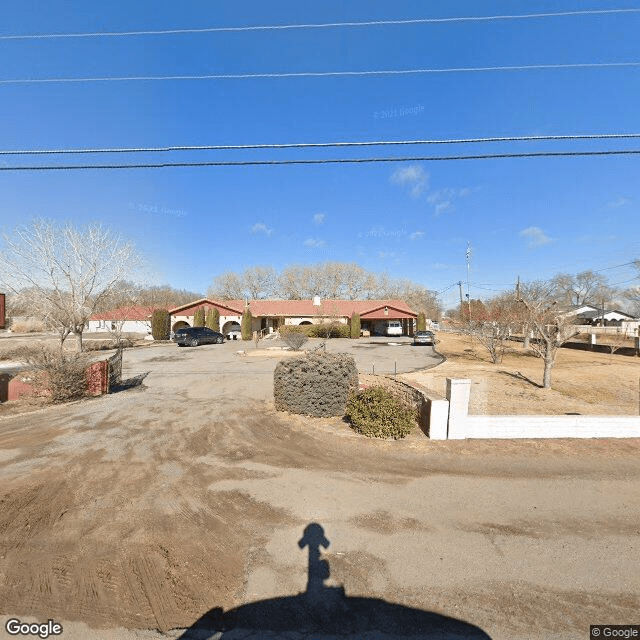
3216 NM-47, Los Lunas, NM 87031
To contact a resident: (505) 865-8813
For more information about senior living options: (866) 208-4318
Overall Review of Center for Ageless Living
Pros
 The place is Valencia County's best kept secret.
- The family is very pleased with the environment and care provided to their mother.
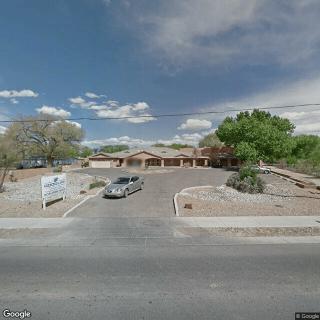
- The grounds and gardens are relaxing, welcoming, and carefully maintained.
- The facility emphasizes strong family and community involvement, which is highly encouraged and supported.
Cons
 The living situation is horrible for residents' loved ones.
- The facility smells like urine and feces.
- The managers treat their employees terribly in front of family members.
- The staff are extremely unprofessional.
- They never answer the phone.
Review
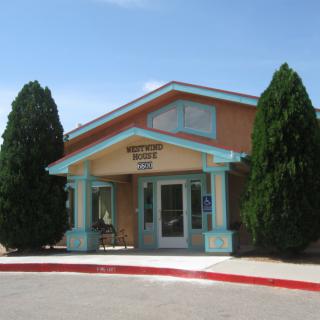
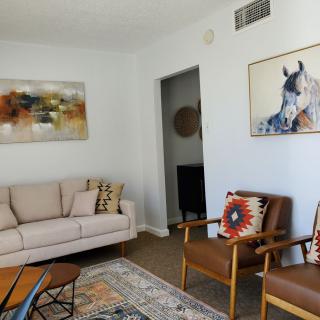
Center for Ageless Living in Los Lunas is best suited for families seeking a compact, community-driven setting where independence sits alongside accessible personal care, and where daily life is shaped by gardens, a day-spa vibe, and active family involvement. The campus blends a 45-bed assisted-living operation with five independent-living apartments, all on a six-acre lot that features organic gardens, a Bistro & Bakery, and a park-focused community program. For households desiring more than a sterile corridor, this environment offers tangible benefits: inviting grounds, a relaxed atmosphere, and a sense that the resident remains connected to a broader, life-enriching community.
Alternatives should be considered by anyone whose priorities hinge on consistent, professional operations and straightforward communication. The most troubling notes from the experience center on cleanliness and odor, signals that comfort and safety rely on proactive upkeep. Reports of management behavior in front of family members raise concerns about leadership culture and oversight, critical factors when care needs intensify. A facility that struggles to answer the phone when families reach out can quickly translate into missed updates about health changes or daily routines. For families prioritizing reliability and unambiguous accountability, a more responsive operation with clear lines of communication is a wiser long-term choice.
From a strengths perspective, the campus itself serves as a meaningful asset. The small, home-like footprint paired with community-oriented features creates a sense of belonging rather than isolation. The environment is described as relaxing and well maintained, with grounds that invite walks and outdoor time. The on-site blend of assisted living and independent living options is practical for families navigating transitions, while the inclusion of personal care services on site reduces the need for multiple moves. The emphasis on family and community involvement signals a culture where residents are embedded in relationships, not merely housed, and that connection can meaningfully elevate day-to-day life for many residents.
Yet the most serious shade on the balance sheet is the reported odor and cleanliness issues, which cannot be dismissed. Persistent odor problems or a perceived neglect of upkeep quickly undermine comfort, particularly for residents with mobility or cognitive challenges. Equally disconcerting are accounts of unprofessional conduct by leadership in front of family members, which erodes trust and raises questions about care oversight and staff morale. The juxtaposition of questionable management behavior with uneven responsiveness creates a risk that important health or safety signals go unaddressed. When these dynamics converge, they demand a careful, transparent remediation plan before any longer-term residency is pursued.
On balance, the positives can offset the negatives for families who prize a serene, garden-forward setting with active community engagement and housing flexibility within a single campus. The key is rigorous due diligence: arrange tours at different times, speak with multiple residents and family members, inspect housekeeping and maintenance routines, and confirm a reliable point of contact in administration who can address concerns promptly. If the campus demonstrates a credible path to improved communication and consistent cleanliness, the strengths, environment, social life, and integrated care, make Center for Ageless Living a practical choice. If those commitments fail to materialize, alternatives with steadier management and stronger responsiveness should be pursued without hesitation.
Bottom line: Center for Ageless Living works best for families who can tolerate some operational imperfections in exchange for a community-centered, garden-friendly setting with integrated care. It is not ideal for households demanding flawless daily operations, rock-solid phone responsiveness, and consistently professional leadership. Prospective residents should approach with a concrete plan: visit multiple times, identify a direct point of contact, and demand explicit commitments on cleanliness, communication, and staffing. If those commitments align with expectations, the community can deliver a warm, engaged living experience; if not, the search should quickly turn toward options offering a more consistently reliable structure.
 Assisted Living
 Independent Living
 Activities on-site
 Devotional services off-site
 Indoor common areas
 Albuquerque International (19 miles away)
 Ambulatory care
 Diabetic care
 Meals provided


 Comprehensive Insights into Activities of Daily Living (ADLs) and Their Assessment
 Medicare Coverage for Assisted Living: An In-Depth Exploration
 Choosing the Right Senior Care: A Detailed Exploration of Assisted Living and Nursing Homes