Overall Review of Hamilton Continuing Care
common
22 reviews mention this
Staff care is repeatedly praised
Residents and families consistently describe staff as helpful, kind, and responsive.
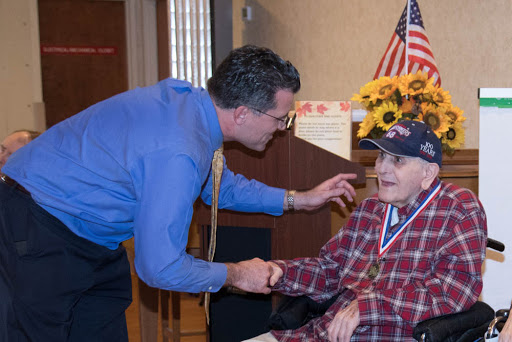
Many reviews highlight staff warmth, professionalism, and a sense of being taken seriously, whether it was nurses, CNAs/aides, therapy staff, or the administrative team. Several families say staff communication helped them feel confident about their loved ones’ day-to-day needs and recovery progress. A few reviews also describe moments of poor attention or unprofessional behavior, but even those often contrast that with other staff members they felt were caring.
differentiator
6 reviews mention this
Care and therapy teams stand out
Rehabilitation experiences often center on attentive nursing and encouraging therapy.
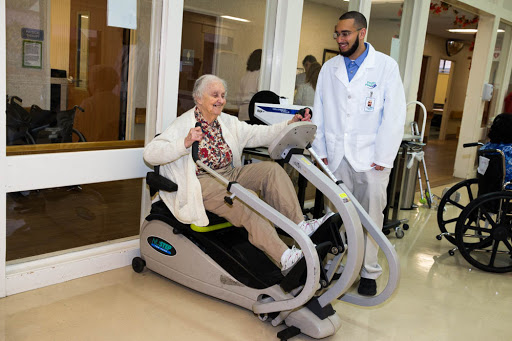
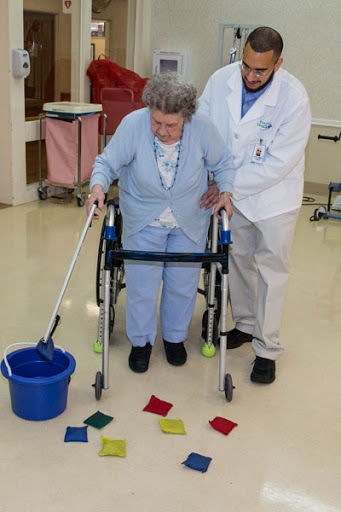
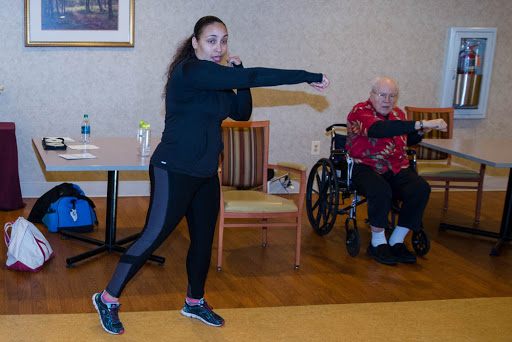
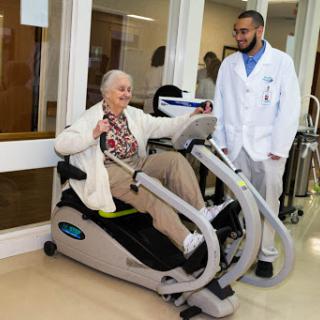
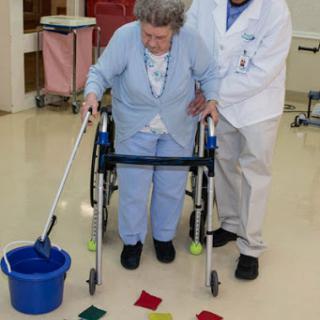
Reviews repeatedly return to the rehab experience, with residents and families describing therapy teams as knowledgeable, motivating, and focused on recovery goals. Nursing care is also described as supportive and attentive, including follow-through around therapy plans and everyday comfort. Memory care is mentioned as a specific area where families felt well supported, and at least one review describes residents being closely attended rather than left on their own.
common
14 reviews mention this
Clean rooms and upkeep matter
Cleanliness comes up often, from rooms to common areas.
Numerous reviews describe the facility as very clean and well organized, including clean rooms and a maintained atmosphere. Several families also mention how cleanliness affected their comfort during visits or stays. A smaller number of reviews raise concerns about the condition of bathrooms or the overall facility feel, including strong negative comments about cleanliness.
caveat
6 reviews mention this
Food quality is mixed
Food is a frequent point of disagreement in reviews.
Some reviews describe food positively, including comments about good food and well-managed meal support. Others call meals gross, disgusting, or so-so, and mention issues like late delivery, limited options, or difficulty keeping food warm for visits. Even when families were generally satisfied, food quality and meal experience sometimes became a clear exception.
caveat
5 reviews mention this
Communication and call response vary
Communication and call response are inconsistent across reviews.
Several reviews praise communication with families, including regular updates and follow-through on questions and concerns. However, multiple negative reviews describe delayed responses to call bells, missed needs (like pain medication or water), and inadequate overnight attention. In at least one case, a review says an administrator addressed call-response concerns after they were raised, suggesting improvement after feedback rather than a uniform experience.
common
3 reviews mention this
Many activities keep days structured
Residents are described as having scheduled activities throughout the day.
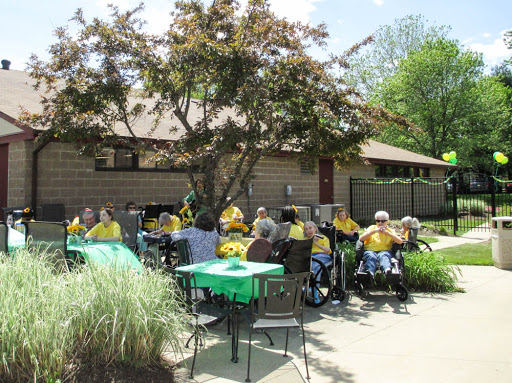
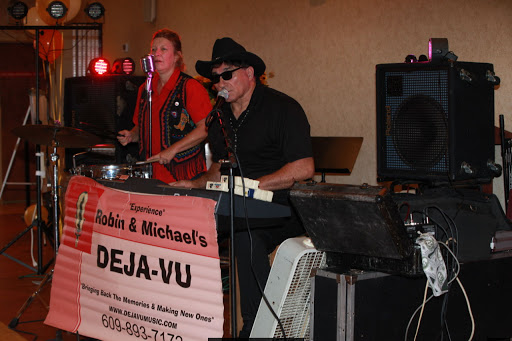
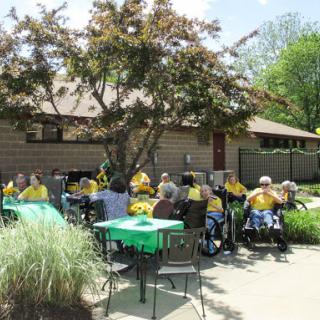
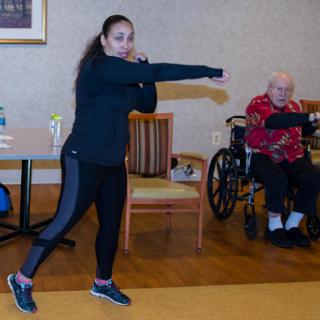
Reviews mention a steady schedule of activities that fills the day, including opportunities for residents to get out of bed and socialize. Some reviews also describe organized programs and resident engagement like singing or community events. This lines up with the community offering planned daily activities and day trips as part of its activity approach.
common
2 reviews mention this
Nearby errands can be close
The surrounding area includes common errands within a few miles.
Families looking for convenient nearby stops can use options such as parks and nearby pharmacies or dining. One review also emphasizes the community’s location as convenient to family homes, supporting the idea that visits and errands can be manageable. Nearby options include places like Mercer County Park and several pharmacy and quick-meal stops within roughly a mile to a few miles.
How we summarize
Counts show how many written reviews mention each theme; a review can touch several themes, and only frequently mentioned themes are displayed.

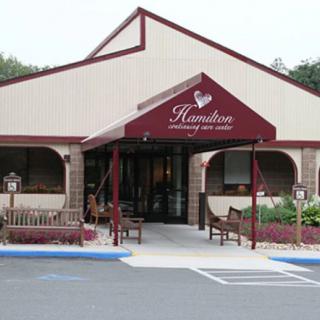
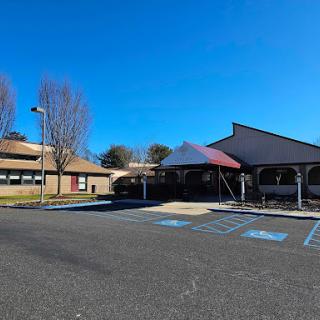
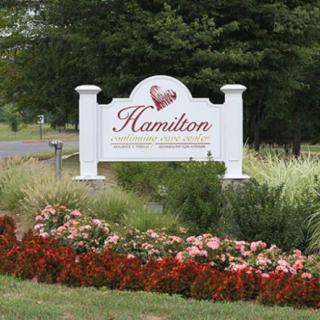
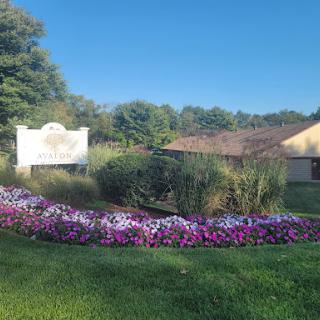
 180 resident community capacity
 Skilled Nursing Facility
 Air-conditioning
 Beauty salon
 Cable or satellite TV
 Computer center
 Dining room
 Fitness room
 Fully furnished
 Gaming room
 Garden
 Housekeeping services
 Kitchenette
 Move-in coordination
 Outdoor space
 Private bathrooms
 Restaurant-style dining
 Small library
 Telephone
 Wellness center
 Wi-Fi/high-speed internet available
 Trenton-Mercer County (8 miles away)
 Community operated transportation
 12-16 hour nursing
 24-hour call system
 Activities of daily living assistance
 Assistance with bathing
 Assistance with dressing
 Assistance with transfers
 Diabetes diet
 Medication management
 Mental wellness program
 Special dietary restrictions
 Concierge services
 Planned day trips
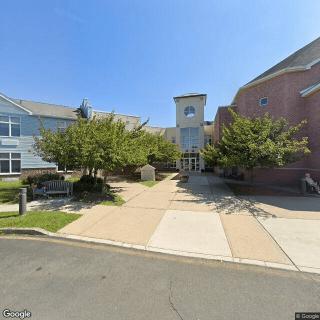
 Nearby amenities and dedicated care.
 Engaging Brain Games and Innovative Apps to Keep Senior Minds Active
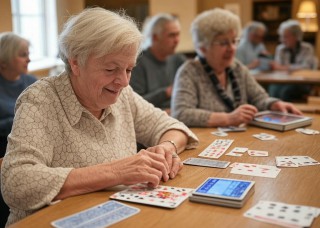 Effective Strategies for Keeping Seniors' Minds Active: A Deep Dive into Brain Games and Apps
 In-Depth Look at the VA Aid and Attendance Program