
300 Sparrow Drive, Hamilton Township, NJ 08690
For more information about senior living options: (866) 208-4318
Overall Review of Traditions at Hamilton Crossing
Pros
 It’s a sensible option for retirees who prefer a senior-friendly neighborhood.
- The street-facing garage design adds practical curb appeal to the home.
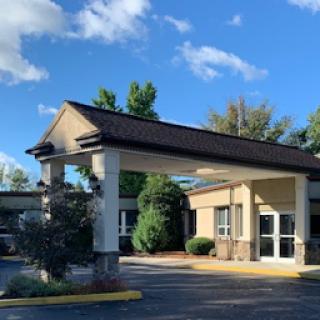
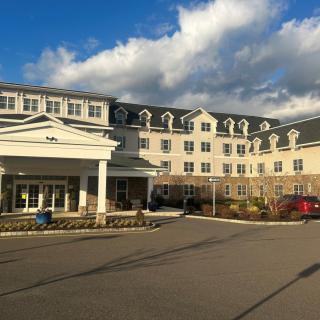
- The overall front facade communicates a straightforward, accessible presentation.
Cons
 The reviewer dislikes that the garage is visible from the street and dominates the front of the house.
- The design makes the property look like a garage city.
Review
Traditions at Hamilton Crossing is best suited for seniors who want a true neighborhood experience, where peers share a similar life stage and daily rhythms, within a setup that emphasizes maintenance-free living and predictable routines. This community seems to function as a self-contained senior enclave, appealing to those who value companionship and ease of navigation over high-end bespoke finishes. If the priority is a modern, luxury aesthetic or highly customized home exteriors, alternatives with more contemporary design language and varied architecture will likely serve better. The impression of a purpose-built senior neighborhood, rather than a sleek, mixed-use campus, shapes expectations about atmosphere, social opportunities, and the pace of life.
Those considering alternatives should weigh options that prioritize curb appeal and architectural variety. Aesthetic concerns are not minor for many families, and the sense that the exterior reads as a “garage city” could clash with preferences for a more polished curb appeal or a campus that feels intentionally designed rather than utilitarian. For residents who demand a broader range of on-site amenities, more upscale common areas, or a campus that visually signals a premium living environment, exploring other communities with varied exterior styles and newer renovations is sensible. Families also mindful of consistent experiences should note the mixed review pattern, which suggests variability in resident satisfaction and service delivery.
The main strengths lie in delivering a practical, socially oriented living situation where neighbors share a common frame of reference. The density of a senior-focused neighborhood can translate into readily available companionship, mutual support, and ease of social participation, factors that help maintain independence while reducing isolation. For residents who prioritize routine, predictable schedules, and straightforward daily living, the pros of this setting, structured surroundings, familiarity, and a sense of belonging, can meaningfully offset the less compelling architectural vibe. In short, the value is not in shell and showroom polish, but in the lived experience of community and ease.
However, the drawbacks are real and should not be minimized. The most conspicuous con is the exterior and overall curb appeal, which can feel dated or unremarkable to those accustomed to more stylish or modern campuses. Coupled with mixed resident sentiment, this signals that service quality and accommodation standards may also vary by unit or shift, requiring careful verification before commitment. For seniors with higher care needs, the available levels of on-site support must be confirmed, whether independent living, assisted living, or memory care are offered on-site, and what the transition process looks like if care needs change. Without clear clarity on these points, the cost-to-value equation could tilt unfavorably.
Prospective buyers should approach a visit with a focused checklist: tour several model homes or floor plans to assess space, daylight, and accessibility; speak candidly with both staff and residents about daily routines, responsiveness, and how transitions between levels of care are managed; examine the age of furnishings, common areas, and the exterior grounds to determine if the look aligns with long-term comfort. Clarify what maintenance, landscaping, and exterior upkeep cover, and whether there are ongoing renovation plans that might disrupt living comfort. If a neighborly, uncomplicated lifestyle feels right, and curb appeal is a secondary concern, Traditions at Hamilton Crossing may prove to be a prudent fit.
In sum, Traditions at Hamilton Crossing serves a practical niche for seniors who prize a genuine neighborhood atmosphere and uncomplicated, maintenance-free living over boutique ambiance. It is a solid option for those who value social integration, routine predictability, and the safety net of a community designed for aging in place. For families prioritizing curb appeal, architectural variety, or a consistently high bar for care services, this community warrants careful comparison with other local options. The key is aligning the selection with personal priorities: social connectedness and simplicity on one hand, and aesthetic polish and uniform service quality on the other.
 6 resident community capacity
 Active Adult Communities (55+)
 Housekeeping services
 Telephone
 Wi-Fi/high-speed internet available
 Trenton-Mercer County (9 miles away)
 Assistance with dressing
 Meal preparation and service
 Medication management
 Diabetes diet
 Special dietary restrictions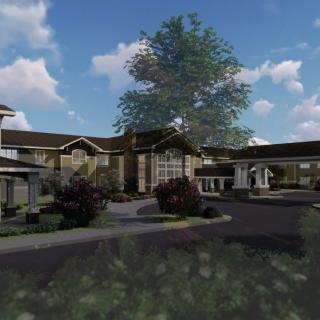


 Nurturing Our Loved Ones: A Daughter's Journey in Caring for Her Mother
 Nurturing Our Elders: Linda's Journey of Supporting Her Mother
 A Comprehensive Exploration of Common Misunderstandings about Powers of Attorney