For more information about senior living options: (866) 208-4318
4 from 120 reviews
5 stars
83
4 stars
7
3 stars
4
2 stars
3
1 stars
23
Overall Review of Atrium Post Acute Care Of Hamilton
common38 reviews mention this
Staff and nursing support stand out
Residents and families repeatedly describe staff who are kind and responsive.
A large share of reviews emphasize attentive, caring interactions from nurses, aides, and therapists, including feeling informed and supported during rehab. Several reviewers mention named staff members showing patience, check-ins, and help with daily needs. A few more critical reviews contrast this with moments when call lights were slow to be answered or when staff seemed dismissive or understaffed.
differentiator26 reviews mention this
Physical therapy gets high praise
Physical therapy is frequently described as effective and professionally delivered.
Many reviews highlight improvements driven by physical therapy and describe therapists as compassionate, patient, and focused on getting patients safer and stronger. Several families specifically call out the therapists’ professionalism and day-to-day support through therapy sessions. While some negative reviews complain about staffing or less therapy than expected, the recurring theme across positive feedback is that PT work makes a noticeable difference.
common16 reviews mention this
Facility cleanliness and upkeep
Multiple reviews mention the building feels clean and well maintained.
Positive reviews frequently describe the facility as clean, modern, and well kept, including comments about a clean dining area and a generally fresh appearance. Some reviewers also describe the atmosphere as peaceful. A smaller set of critical reviews dispute cleanliness, pointing to odors and overall conditions as areas of concern.
common14 reviews mention this
Food quality and dining experience
Residents and families often report good food choices and meal satisfaction.
Dining is a consistent thread in the reviews, with many people saying the food was delicious and that meal options were enjoyable. Several also connect food with a smoother rehab experience, including families noting special foods or strong overall satisfaction. A few negative reviews mention problems with meal service and food handling, but the dominant feedback is that meals are a bright spot.
common12 reviews mention this
Activities keep residents engaged
Reviews describe an activity calendar that keeps residents involved.
Many reviewers mention daily events and an active schedule, including group gatherings and resident-focused activities. A number of families credit an activities team member for helping a loved one stay social and upbeat. In contrast, at least a couple of negative reviews focus less on activities and more on care gaps, but engagement still shows up often in the positive accounts.
caveat17 reviews mention this
Care responsiveness and staffing raise concerns
Some reviews raise serious concerns about staffing and timely patient help.
Several critical reviews report delayed responses to call bells, trouble getting medications on time, and difficulty receiving help with basic needs. Some also describe problems with pain management or communication, including families feeling they had to stay closely involved to get things done. Even so, other reviews describe the opposite experience—so residents may want to pay close attention to schedules and day-to-day responsiveness during their stay.
How we summarize
Counts show how many written reviews mention each theme; a review can touch several themes, and only frequently mentioned themes are displayed.
Features
Housing
55 resident community capacity
Types of Care
Skilled Nursing Facility
Amenities
Air-conditioning
Beauty salon
Cable or satellite TV
Computer center
Dining room
Fitness room
Fully furnished
Gaming room
Garden
Housekeeping services
Kitchenette
Move-in coordination
Outdoor space
Private bathrooms
Restaurant-style dining
Small library
Telephone
Wellness center
Wi-Fi/high-speed internet available
Transportation
Trenton-Mercer County (8 miles away)
Community operated transportation
Transportation arrangement
Transportation arrangement (non-medical)
Transportation to doctors appointments
Care Services
12-16 hour nursing
24-hour call system
24-hour supervision
Activities of daily living assistance
Assistance with bathing
Assistance with dressing
Assistance with transfers
Diabetes diet
Meal preparation and service
Medication management
Mental wellness program
Special dietary restrictions
Dining
Diabetes diet
Special dietary restrictions
Activities
Community-sponsored activities
Concierge services
Fitness programs
Planned day trips
Resident-run activities
Scheduled daily activities
Nearby Places of Interest
Physicians
Rwj Occupational Health (0.1 miles)
Campus Eye Group (0.2 miles)
Daniel Kessell Dermatology (0.2 miles)
Pediatrics by Nights (1.1 miles)
Certified Dermatology (1.9 miles)
Altus Medical Care (2.5 miles)
Nottingham Medical Associates (2.8 miles)
Parks
Veteran's Park Hamilton (0.7 miles)
Sharp's Lane Crestwood Park (1.5 miles)
Mercer County Park (3.9 miles)
Cadwalader Park (5.9 miles)
Delaware River Canal Tow Path (8.9 miles)
Pharmacies
CVS Pharmacy (1 miles)
Walgreens (1 miles)
Rite Aid (1 miles)
Walgreens (1.1 miles)
CVS Pharmacy (1.5 miles)
CVS Pharmacy (2 miles)
CVS Pharmacy (2.1 miles)
Cafes
Panera Bread (1.1 miles)
Starbucks (2.3 miles)
Panera Bread (2.3 miles)
Van Gogh Cafe (2.8 miles)
Starbucks (5.7 miles)
Starbucks (6.3 miles)
Starbucks (6.9 miles)
Restaurants
McDonald's (1.3 miles)
Cracker Barrel (2.3 miles)
Chick-Fil-A (2.3 miles)
McDonald's (2.3 miles)
Taco Bell (2.4 miles)
Taco Bell (2.4 miles)
Broad Street Diner (2.6 miles)
Places of Worship
St Gregory the Great Roman Catholic Church (2 miles)
Baps Shri Swaminarayan Mandir, New Jersey (5.8 miles)
Princeton University Chapel (9.3 miles)
Transportation
Hamilton Station (3.2 miles)
Trenton Transit Center (4.2 miles)
NJT - Princeton Junction Station (7.5 miles)
Avis Rent A Car (7.5 miles)
Trenton-Mercer Airport (TTN) (8.7 miles)
Hospitals
Mercer Family Health Center (5.5 miles)
Trenton Psychiatric Hospital (7.1 miles)
University Medical Center of Princeton at Plainsboro (9.1 miles)
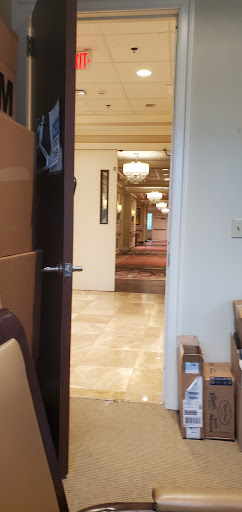
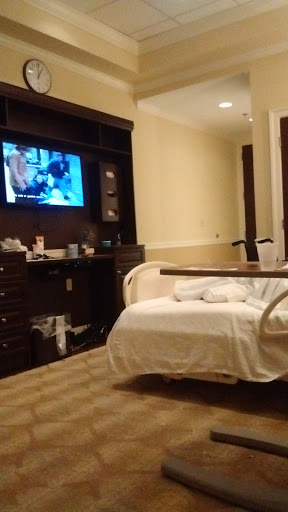
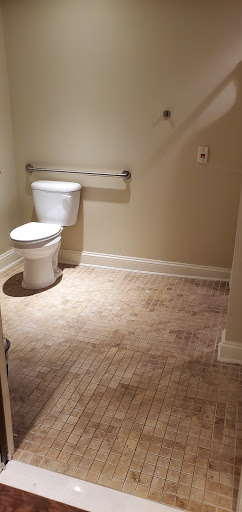
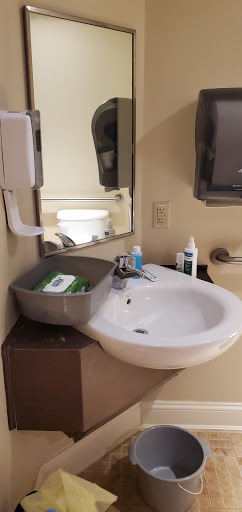
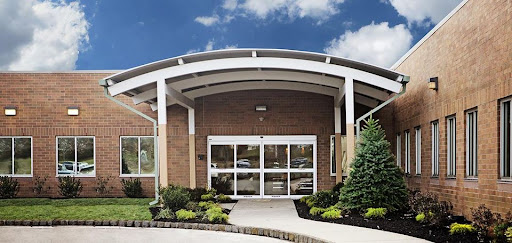
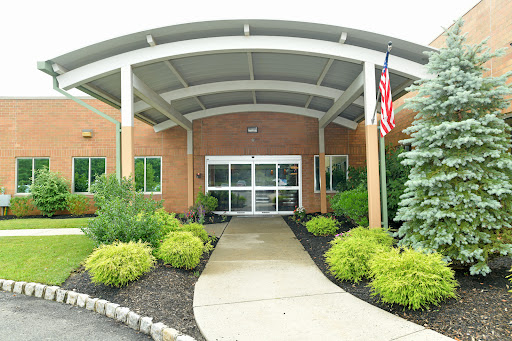
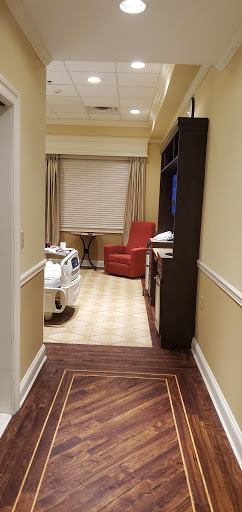
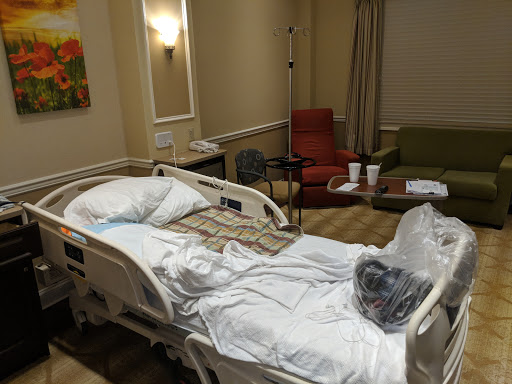
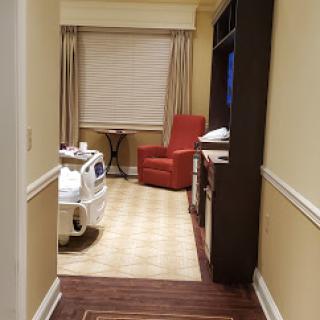
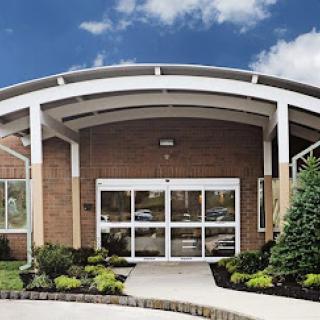
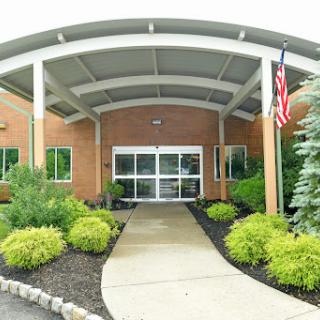
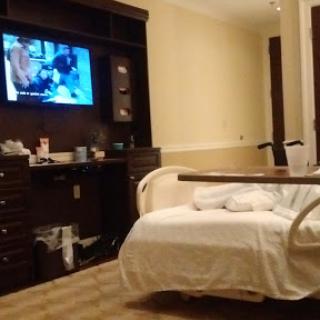
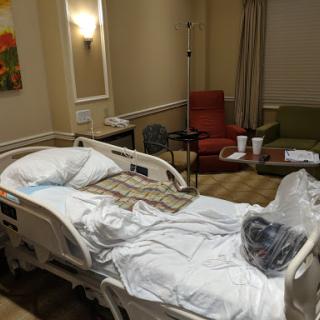
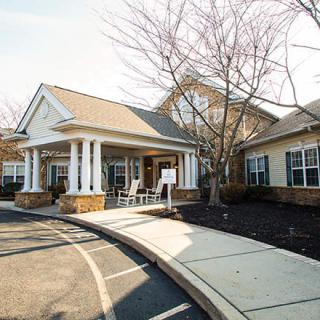
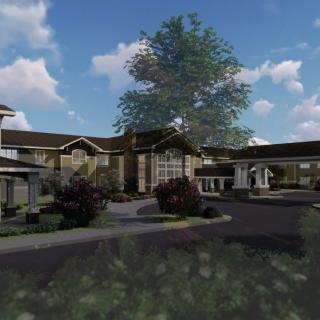
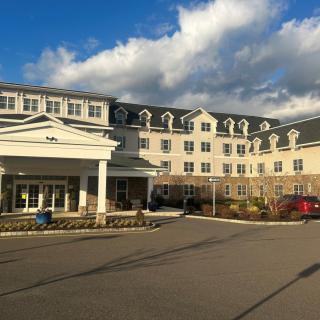
Atrium Post Acute Care Of Hamilton on seniors.fyi includes 10 photos including images showing bathroom, landscaping, windows, interior, bedroom, building, architecture, entrance, and more.
Nearby Communities
Evergreen at Hamilton
Hamilton Township, NJ
Personalized care with meal prep, medication management, and essential connectivity (Wi?Fi/phone).
CareOne At Hamilton
Trenton, NJ
4.5 from 92 reviews
Attentive staff, clean facilities, and engaging activities with good dining.
CareOne at Hamilton
Hamilton, NJ
4.2 from 75 reviews
$4,600 to $5,500 / month
Caring staff with clean, well-maintained facilities and engaging activities.
Brookdale Hamilton
Hamilton, NJ
4.6 from 86 reviews
$8,000 to $9,200 / month
Friendly, compassionate staff in a small, intimate memory-care community with personalized care.
Traditions at Hamilton Crossing
Hamilton Township, NJ
2.8 from 4 reviews
Comprehensive in-house care and dietary accommodations.
The Landing Of Hamilton
Hamilton, NJ
4.5 from 56 reviews
Multiple care levels with on-site amenities and transportation.
The Landing of Hamilton
Hamilton, NJ
4.4 from 58 reviews
$4,795 to $7,995 / month
Attentive, safe care in a clean, inviting environment with friendly staff and engaging activities.
Homestead at Hamilton
Hamilton Township, NJ
4.4 from 57 reviews
$3,475 to $5,475 / month
Friendly staff with engaging activities in a welcoming, well-maintained environment, especially in memory care.
Enchantment at Hamilton
Hamilton Township, NJ
Modern amenities with on-site dining and care services.
Anticipatory grief is an emotional response to the impending loss of a loved one, characterized by complex emotions such as sadness and anger, and involves navigating stages similar to those identified by Kübler-Ross. Coping strategies are vital for managing this process, emphasizing compassionate communication, self-care, and support groups while recognizing the cultural influences on grieving.
Adult day care programs offer essential support and activities for older adults, yet many hesitate to participate due to concerns about independence and stigma. To alleviate these apprehensions, families should facilitate open discussions, explore financial resources, suggest trial visits, and collaborate with healthcare providers to highlight the benefits of such services for both the participants and their caregivers.
Living wills and advance directives are crucial legal documents that outline an individual's healthcare preferences when they cannot make decisions themselves, enhancing patient autonomy and alleviating family stress during medical crises. The article emphasizes the need for these documents to be personalized, legally valid, and regularly updated, while also encouraging communication about end-of-life wishes among family members and healthcare providers.
Get PricingAsk A QuestionSchedule A TourContact Senior Advisor
By clicking submit, you agree to our Partner's Terms of Use. You
also consent to receive calls and texts, which may be autodialed, from our Partner. Your consent is not a condition to
using our Partner's service. Please visit our Partner's Privacy Policy for information about their privacy practices.




 55 resident community capacity
 Skilled Nursing Facility
 Air-conditioning
 Beauty salon
 Cable or satellite TV
 Computer center
 Dining room
 Fitness room
 Fully furnished
 Gaming room
 Garden
 Housekeeping services
 Kitchenette
 Move-in coordination
 Outdoor space
 Private bathrooms
 Restaurant-style dining
 Small library
 Telephone
 Wellness center
 Wi-Fi/high-speed internet available
 Trenton-Mercer County (8 miles away)
 Community operated transportation
 12-16 hour nursing
 24-hour call system
 Activities of daily living assistance
 Assistance with bathing
 Assistance with dressing
 Assistance with transfers
 Diabetes diet
 Medication management
 Mental wellness program
 Special dietary restrictions
 Concierge services
 Planned day trips
 Personalized care with meal prep, medication management, and essential connectivity (Wi?Fi/phone).

 Recognizing the Journey: Understanding and Navigating Anticipatory Grief
 Encouraging Participation in Adult Day Care: A Guide to Supporting a Hesitant Parent
 Comprehensive Exploration of Living Wills and Other Advance Directives