Overall Review of Rose Garden Nursing And Rehabilitation Center
common34 reviews mention this
Staff care and responsiveness stand out
Residents and families repeatedly describe attentive, professional caregivers.
A large share of reviews focus on staff members showing up with kindness, professionalism, and responsiveness to daily needs. Several families specifically mention nursing and aides handling calls and care tasks promptly, and many describe the rehab and support teams as helpful throughout recovery. Visitors also describe the front-line experience as welcoming and accommodating, including help coordinating transitions and staying in communication during the stay.
common9 reviews mention this
Restaurant-style dining earns strong praise
Meals are frequently described as a highlight of the stay.
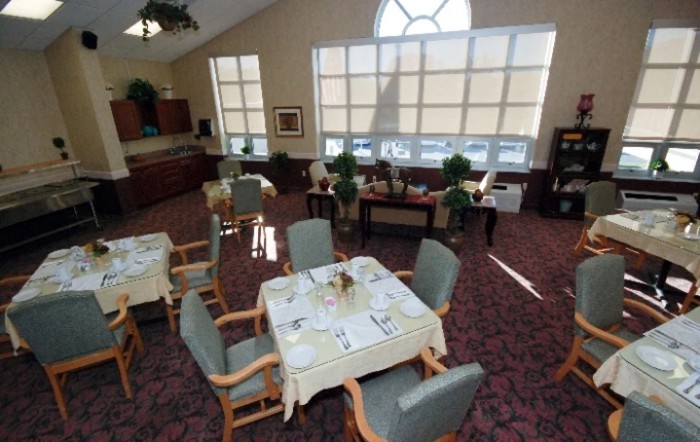
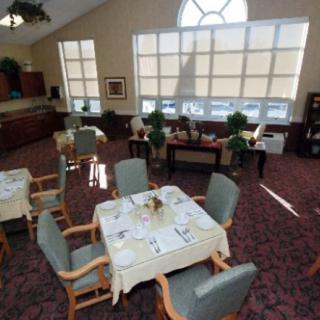
Multiple reviews call out the quality of food, with comments that meals felt excellent and comparable to restaurants. Families also mention that dietary needs were taken seriously, and some describe the dining area as a more restaurant-like experience rather than a cafeteria setting. The community’s menu approach for specific diets is also reflected in what residents are served.
common6 reviews mention this
Clean facility and rooms are praised
Reviews consistently mention a clean, well-kept building.
Several residents and families describe the facility as neat, meticulous, and kept clean throughout the stay. Reviews also mention rooms being tidy and well furnished, and that common areas were pleasant to use. While there are negative reviews, most of the cleanliness feedback is framed as a reliable part of the experience.
common7 reviews mention this
Activities help residents stay engaged
Residents are described as having enough to do day-to-day.
Many reviews mention organized activities and holiday events, along with arts-and-crafts and religious opportunities for residents who have more energy. Families describe residents staying engaged—going to programs, sitting outside, and participating in recreation—rather than staying isolated. A few reviews also suggest the day-to-day routine was easier to manage because staff planned meaningful time for residents.
common8 reviews mention this
Rehab therapy receives repeated kudos
Physical and speech therapy are repeatedly described positively.
A recurring theme is the quality of therapy, especially physical therapy, with reviews describing it as motivating and instrumental for recovery. Several families mention speech and occupational therapy as part of the rehab support, not just physical recovery. Reviews also describe therapists working with residents’ starting point and helping them work toward being able to function at home.
caveat4 reviews mention this
Some reviewers question staffing consistency
Some negative reviews raise concerns about staffing and supervision.
Not every review is positive on staffing, with some families describing problems after an initial period that went well. Concerns include limited supervision for higher-needs residents and reports that nursing coverage was inconsistent. A few reviewers also describe care being sub-par at times, which suggests the day-to-day experience may vary depending on staffing and the unit’s workload.
How we summarize
Counts show how many written reviews mention each theme; a review can touch several themes, and only frequently mentioned themes are displayed.
Features
Housing
128 resident community capacity
Types of Care
Skilled Nursing Facility
Amenities
Air-conditioning
Beauty salon
Cable or satellite TV
Computer center
Dining room
Fitness room
Fully furnished
Gaming room
Garden
Housekeeping services
Kitchenette
Move-in coordination
Outdoor space
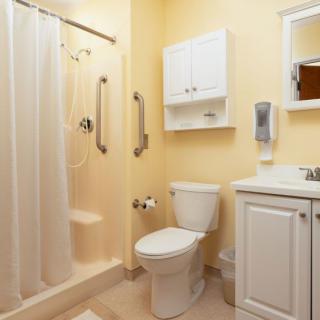
Private bathrooms
Restaurant-style dining
Small library
Telephone
Wellness center
Wi-Fi/high-speed internet available
Transportation
Community operated transportation
Transportation arrangement
Transportation arrangement (non-medical)
Transportation to doctors appointments
Care Services
12-16 hour nursing
24-hour call system
24-hour supervision
Activities of daily living assistance
Assistance with bathing
Assistance with dressing
Assistance with transfers
Diabetes diet
Meal preparation and service
Medication management
Mental wellness program
Special dietary restrictions
Dining
Diabetes diet
Special dietary restrictions
Activities
Community-sponsored activities
Concierge services
Fitness programs
Planned day trips
Resident-run activities
Scheduled daily activities
Nearby Places of Interest
Physicians
Geffner R E MD (0.9 miles)
Central Jersey Hand Surgery (1.7 miles)
Garden State Pain and Radiology Center (1.7 miles)
Atlantic Coast Rheumatology (2.9 miles)
South Jersey Dermatology Center (2.9 miles)
Fischer Family Medicine PA (2.9 miles)
Toms River Medical Group (2.9 miles)
Pharmacies
CVS Pharmacy (1 miles)
Walgreens (2.8 miles)
CVS Pharmacy (2.8 miles)
Rite Aid (2.9 miles)
Walgreens (3 miles)
Community Surgical Pharmacy (3 miles)
Rite Aid (3.1 miles)
Hospitals
Children’s Specialized Hospital Outpatient and Long Term Care Center – Toms River Stevens Road (1.2 miles)
Community Medical Center For Kids & Family (3.1 miles)
Children's Specialized Hospital Outpatient Center – Toms River Lakehurst Road (3.3 miles)
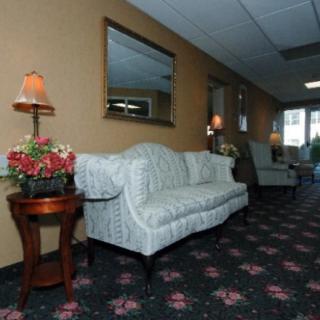
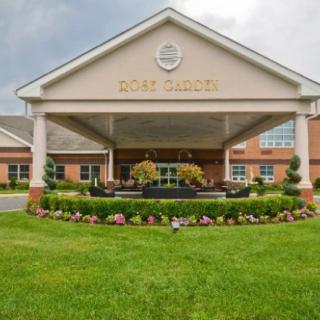
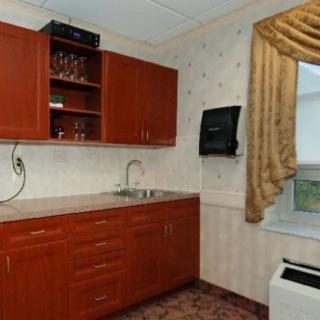
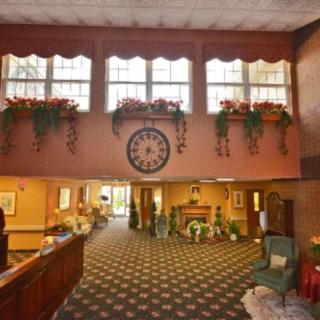
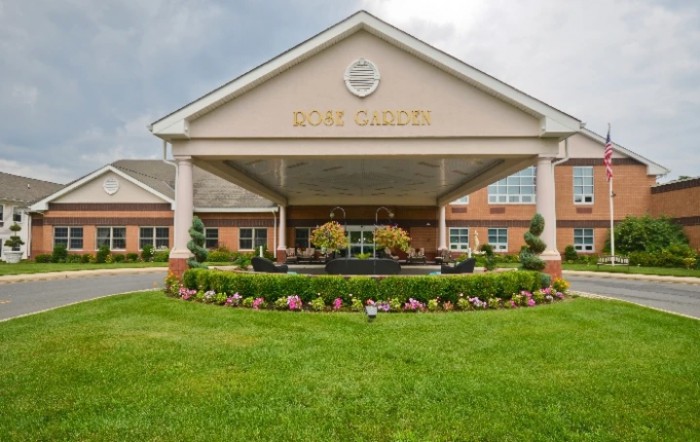
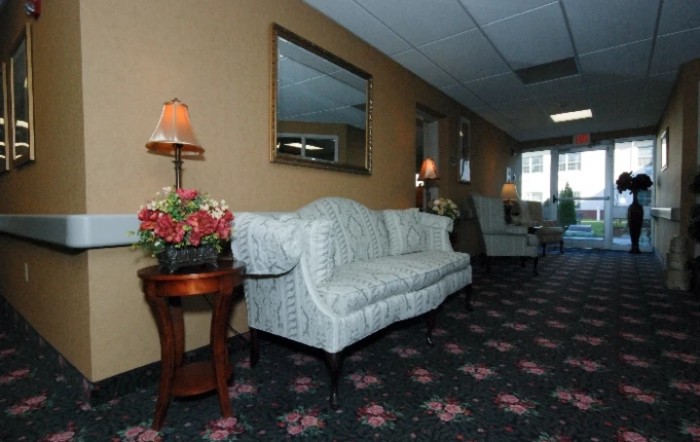
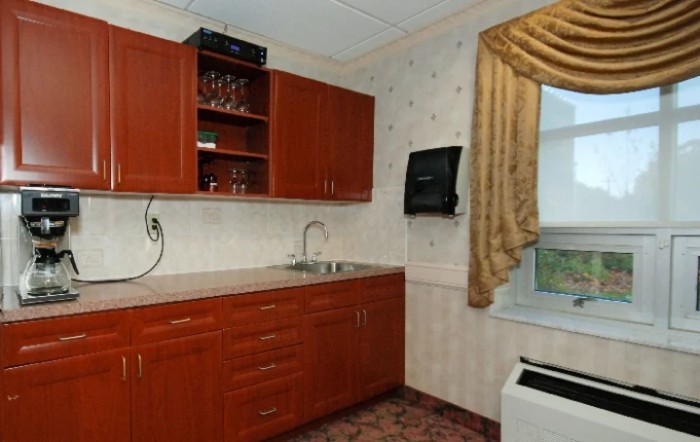
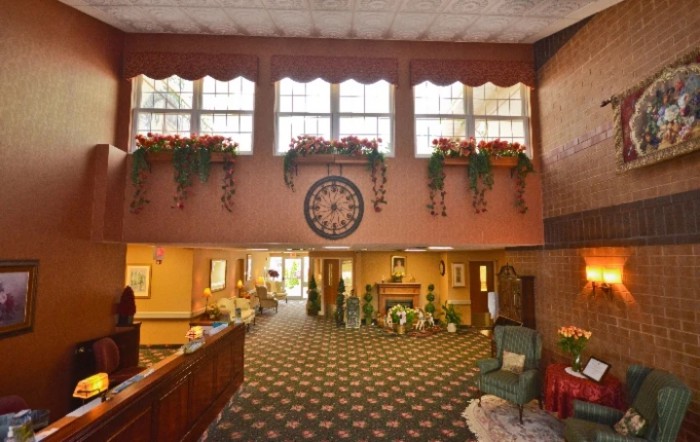
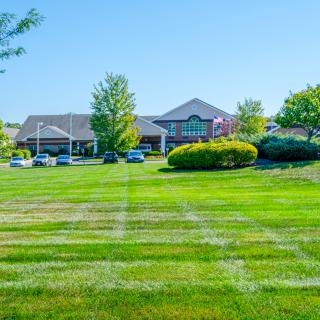
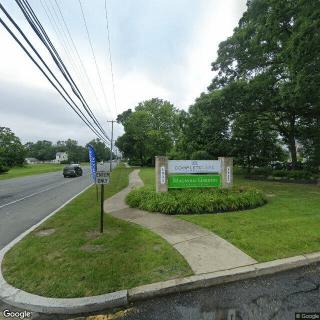
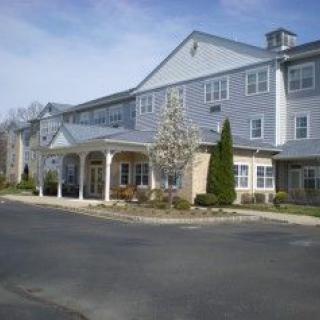
Rose Garden Nursing And Rehabilitation Center on seniors.fyi includes 5 photos including images showing interior, decor, windows, landscaping, lobby, kitchen, cabinets, dining, and more.
Nearby Communities
Rose Garden Nursing and Rehab
Toms River, NJ
4.2 from 105 reviews
$7,350 / month
Caring, attentive staff with strong therapy services in a welcoming, clean setting.
Brandywine Senior Living at Toms River
Toms River, NJ
4.8 from 105 reviews
$3,660 to $5,160 / month
Caring staff and a warm, home-like environment with engaging activities.
Brandywine Living At Toms River
Toms River, NJ
4.9 from 96 reviews
Clean, warm, home-like environment with attentive staff and engaging activities.
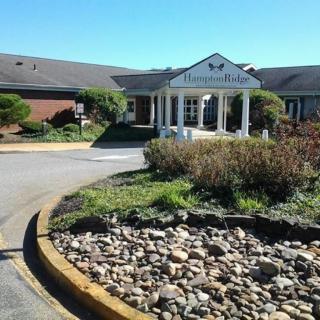
Hampton Ridge
Toms River, NJ
3.8 from 141 reviews
Clean facility with a strong rehabilitation program and engaging activities.
Hampton Ridge Healthcare And Rehabilitation
Toms River, NJ
Extensive amenities and comprehensive daily care services, plus transportation and wellness programs.
Bey Lea Village Care Center
Toms River, NJ
3.4 from 25 reviews
$5,735 to $6,200 / month
Caring staff in a clean, inviting setting with good dining and activities.
Gardens of Pleasant Plains
Toms River, NJ
4.5 from 31 reviews
Intimate, small-capacity community with personalized care and included meals.
Complete Care at Green Acres
Toms River, NJ
4.6 from 126 reviews
$3,820 to $4,200 / month
Clean, well-kept environment with engaging activities and compassionate staff.
Magnolia Gardens
Toms River, NJ
4 from 52 reviews
$3,495 to $4,595 / month
Caring, responsive staff in a clean, well-maintained facility.
The article explores the complexities of using Social Security to finance long-term nursing home care in the U.S., detailing eligibility requirements and misconceptions, while emphasizing that these benefits often do not cover full costs and highlighting the need for strategic financial planning and professional guidance.
Pneumonia significantly affects older adults due to weakened immune systems and atypical symptoms that complicate diagnosis, necessitating early detection and tailored treatment. Risk factors include chronic diseases and cognitive impairments, with preventive measures like vaccinations and healthy lifestyles being crucial for reducing risk.
Palliative care enhances the quality of life for seriously ill patients by providing comprehensive support at home through a multidisciplinary team, addressing various needs and prioritizing comfort over curative treatments. While it offers personalized care and involves family in decision-making, challenges like caregiver stress and logistical issues persist, with growing demand prompting advancements in technology and healthcare policies to improve access.
Rose Garden Nursing And Rehabilitation Center photos
×
Interior
Decor
Building
Windows
Lobby
Interior
Decor
Dining
Landscaping, Building, Architecture, and Entrance
Windows
Kitchen and Cabinets
Lobby
Reception Area
Get PricingAsk A QuestionSchedule A TourContact Senior Advisor
By clicking submit, you agree to our Partner's Terms of Use. You
also consent to receive calls and texts, which may be autodialed, from our Partner. Your consent is not a condition to
using our Partner's service. Please visit our Partner's Privacy Policy for information about their privacy practices.

 128 resident community capacity
 Skilled Nursing Facility
 Air-conditioning
 Beauty salon
 Cable or satellite TV
 Computer center
 Dining room
 Fitness room
 Fully furnished
 Gaming room
 Garden
 Housekeeping services
 Kitchenette
 Move-in coordination
 Outdoor space
 Private bathrooms
 Restaurant-style dining
 Small library
 Telephone
 Wellness center
 Wi-Fi/high-speed internet available
 Community operated transportation
 12-16 hour nursing
 24-hour call system
 Activities of daily living assistance
 Assistance with bathing
 Assistance with dressing
 Assistance with transfers
 Diabetes diet
 Medication management
 Mental wellness program
 Special dietary restrictions
 Concierge services
 Planned day trips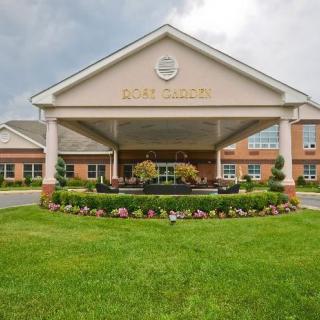
 Caring, attentive staff with strong therapy services in a welcoming, clean setting.
 Financing Long-Term Nursing Home Care Through Social Security: A Thorough Exploration
 Essential Knowledge on Pneumonia in Older Adults
 Exploring Palliative Care in the Home: A Comprehensive Overview