At Rose Garden Nursing and Rehab, the cost for a semi-private room is set at $7,350 per month. This figure reflects a premium compared to the average rates in both Ocean County, which sits at approximately $4,532, and the broader context of New Jersey, where the average is around $5,068. While Rose Garden's pricing may be higher than regional averages, it is essential to consider the quality of care and range of services offered within this facility. The investment in care not only encompasses accommodation but also includes access to skilled nursing staff and specialized rehabilitation programs designed to support residents' health and well-being.
Floor plans
Rose Garden Nursing and Rehab
Ocean County
New Jersey
Semi-Private
$7,350
$4,532
$5,068
Skilled Nursing Facilities with a similar price nearby
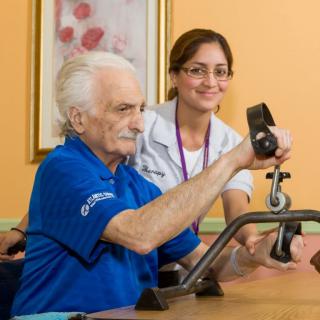
Residents and families highlight strong PT, OT, and speech therapy during rehab stays.
A recurring theme is the rehab therapy experience, with multiple reviews praising physical therapy for helping residents regain function and manage day-to-day needs. Several reviewers also mention speech therapy and occupational therapy as part of the recovery process. Some families describe therapists as patient and focused on helping the person reach discharge goals.
common14 reviews mention this
Meals are often praised
Food quality is frequently mentioned, with many residents finding meals enjoyable.
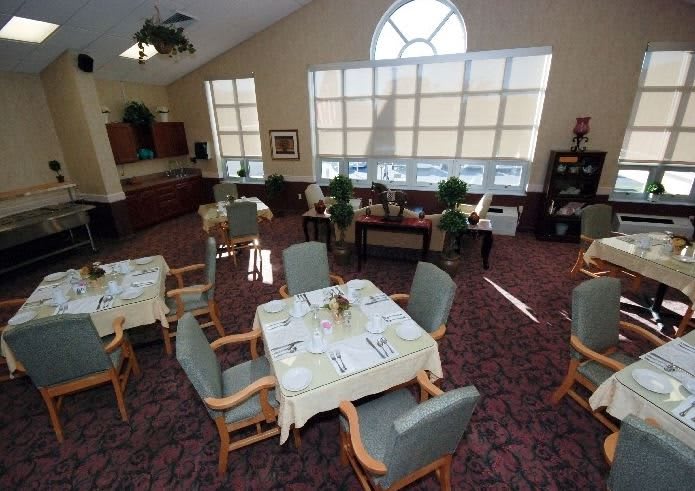
Dining comes up often: many reviewers describe the meals as excellent, top-notch, or restaurant-like. A few mention that the kitchen pays attention to dietary needs, and several describe the person they visited as eating well. There are also a handful of complaints about food quality or incorrect/cold meals, so expectations vary by experience.
common10 reviews mention this
Activities keep residents engaged
Reviews commonly describe events and structured activities that help residents stay involved.
Many families and visitors say there is a steady calendar of activities and events, including arts and crafts, holiday celebrations, and religious opportunities. Reviewers also note that residents often spend time outside the room—such as sitting in a dayroom or participating depending on energy level. A few reviews tie engagement to improved mood and comfort during longer stays.
common35 reviews mention this
Staff attentiveness shapes the experience
Care teams are repeatedly described as kind, professional, and responsive to residents and families.
Staff quality is one of the most consistent themes, with many reviews praising nurses, aides, therapists, and administrative staff for being caring and attentive. Multiple reviewers mention timely help with daily needs and communication with families, especially around insurance, discharge planning, or day-to-day questions. Some reviews even describe feeling comfortable and supported as a family during stressful transitions.
caveat5 reviews mention this
Care coverage and medication timing vary
Some reviews report problems with staffing coverage, medication timing, and consistent care delivery.
While many reviews are positive about nursing responsiveness, a set of negative reviews describe gaps in coverage or delays—such as difficulty finding a nurse during the rehab area, help not arriving on schedule, and long waits for pain medications. Other complaints include limited supervision or reduced assistance (including bathing/showering frequency) and concerns about medication handling. These issues are not consistent across reviews, but they come up enough to be a key consideration.
How we summarize
Counts show how many written reviews mention each theme; a review can touch several themes, and only frequently mentioned themes are displayed.
Features
Types of Care
Skilled Nursing Facility
Amenities
Activities off-site
Activities on-site
Beautician on-site
Indoor common areas
Outdoor common areas
Dining
Low / no sodium
Meals provided
Activities
Activities off-site
Activities on-site
Nearby Places of Interest
This section of Toms River, New Jersey, offers a variety of healthcare providers, including physicians specializing in hand surgery, pain management, rheumatology, dermatology, and family medicine. There are several pharmacies conveniently located within a few miles for easy access to medications. The area also features hospitals catering to children and families for specialized medical care. Dining options include popular chain restaurants like TGI Friday's and Applebee's, as well as fast-food establishments like McDonald's and Tacoholics. For leisure activities, there are cafes such as Starbucks nearby, places of worship like the Presbyterian Church of Toms River for spiritual support, and parks like Jakes Branch County Park and Windward Beach Park for outdoor recreation. Additionally, transportation options are available at the Toms River Bus Terminal for convenient travel around the area.
Physicians
Geffner R E MD (0.9 miles)
Central Jersey Hand Surgery (1.7 miles)
Garden State Pain and Radiology Center (1.7 miles)
Atlantic Coast Rheumatology (2.9 miles)
South Jersey Dermatology Center (2.9 miles)
Fischer Family Medicine PA (2.9 miles)
Toms River Medical Group (3 miles)
Pharmacies
CVS Pharmacy (1.1 miles)
CVS Pharmacy (2.8 miles)
Walgreens (2.8 miles)
Rite Aid (2.9 miles)
Walgreens (2.9 miles)
Community Surgical Pharmacy (3 miles)
Rite Aid (3.1 miles)
Hospitals
Children’s Specialized Hospital Outpatient and Long Term Care Center – Toms River Stevens Road (1.2 miles)
Community Medical Center For Kids & Family (3.1 miles)
Children's Specialized Hospital Outpatient Center – Toms River Lakehurst Road (3.3 miles)
At Rose Garden Nursing and Rehab, the cost for a semi-private room is set at $7,350 per month. This figure reflects a premium compared to the average rates in both Ocean County, which sits at approximately $4,532, and the broader context of New Jersey, where the average is around $5,068. While Rose Garden's pricing may be higher than regional averages, it is essential to consider the quality of care and range of services offered within this facility. The investment in care not only encompasses accommodation but also includes access to skilled nursing staff and specialized rehabilitation programs designed to support residents' health and well-being.
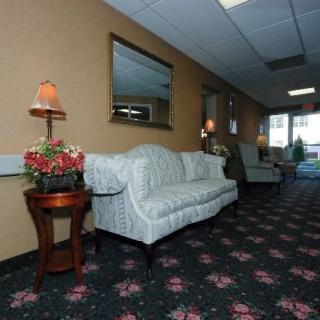
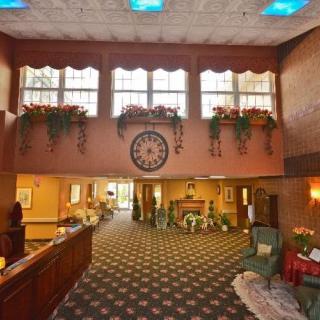
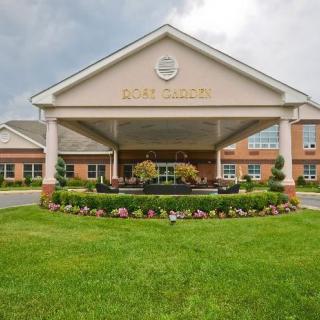
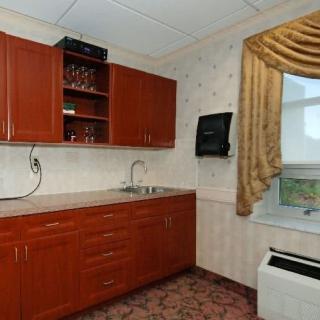
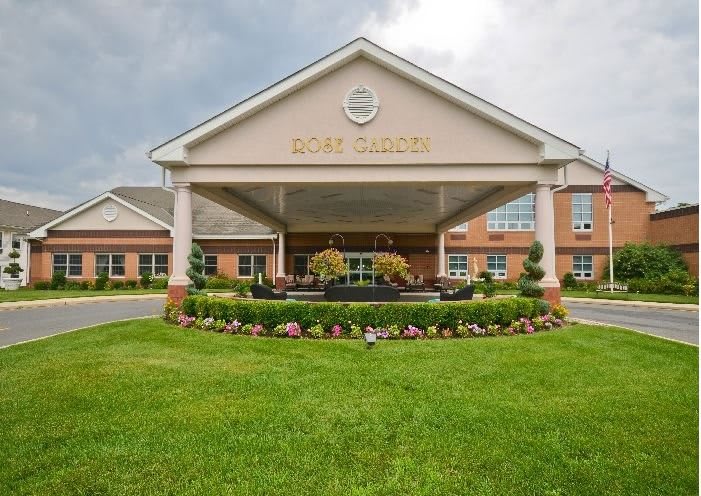
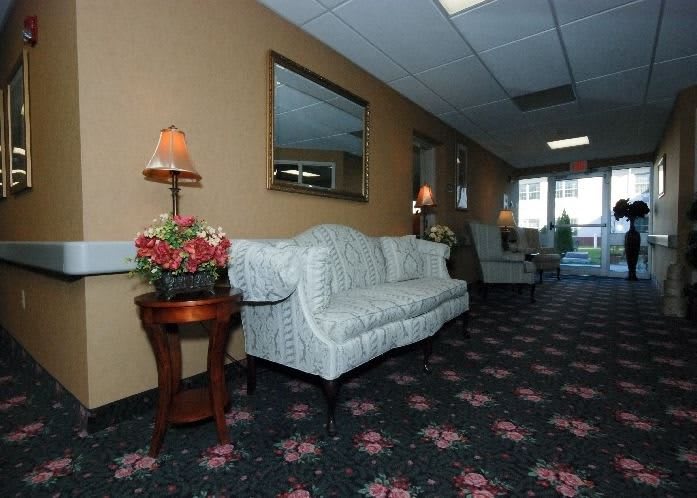
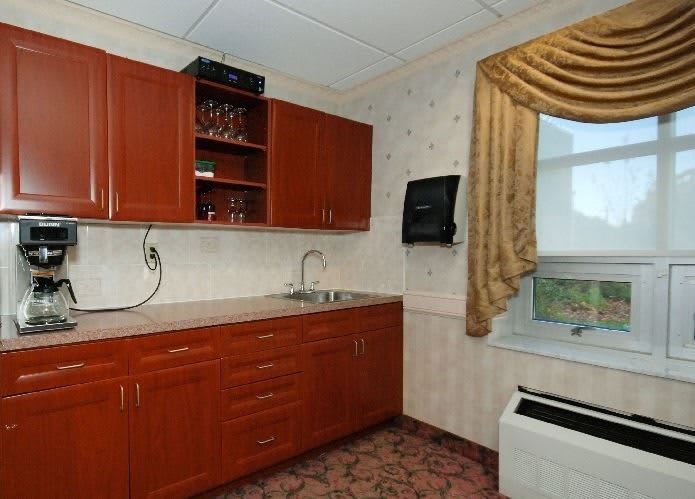
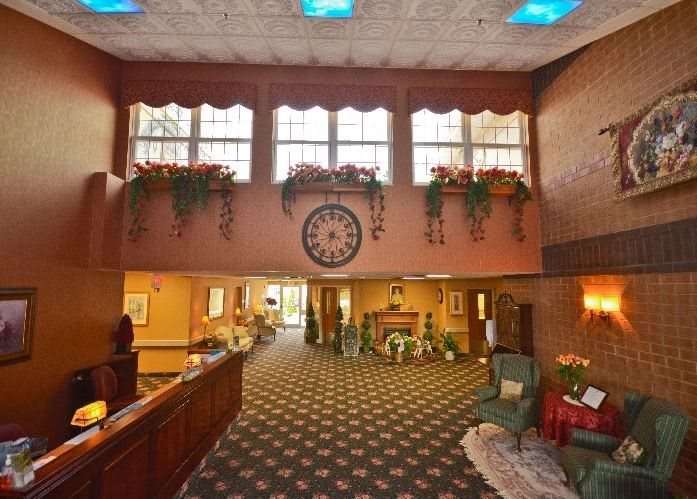
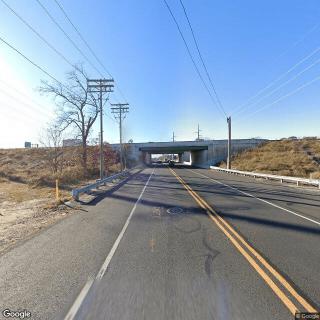
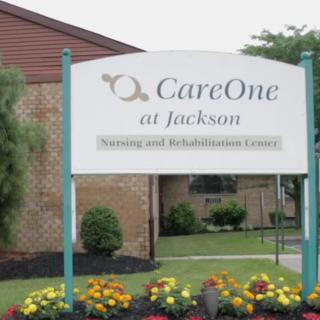
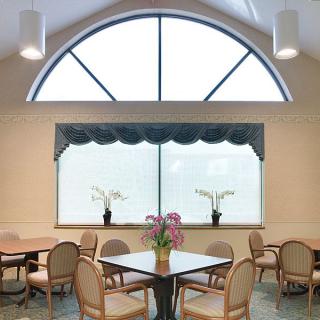
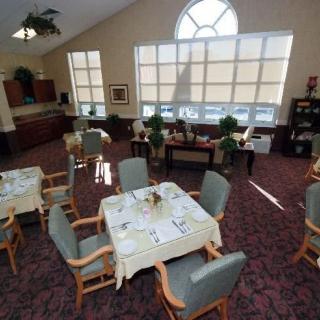
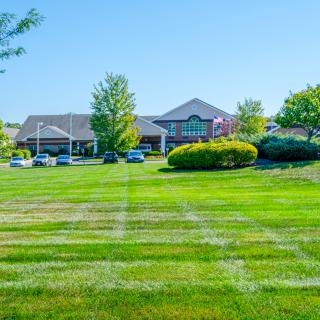
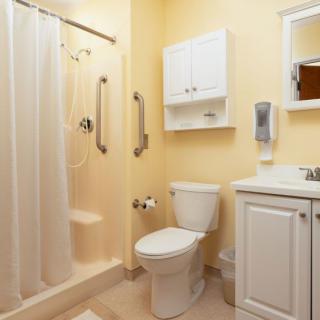
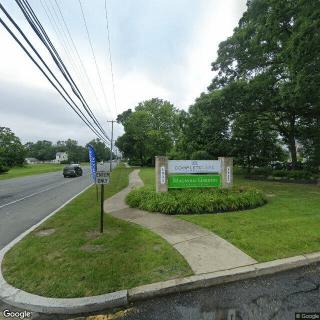
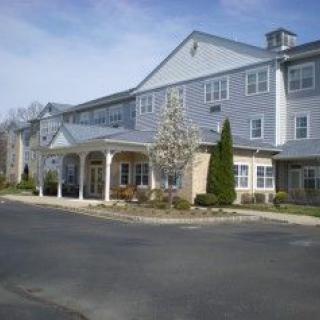
Rose Garden Nursing and Rehab on seniors.fyi includes 6 photos including images showing interior, landscaping, lobby, decor, windows, natural light, reception desk, building, and more.
Nearby Communities
Rose Garden Nursing And Rehabilitation Center
Toms River, NJ
4.1 from 70 reviews
Comprehensive on-site amenities and 24/7 care.
Brandywine Senior Living at Toms River
Toms River, NJ
4.8 from 105 reviews
$3,660 to $5,160 / month
Caring staff and a warm, home-like environment with engaging activities.
Brandywine Living At Toms River
Toms River, NJ
4.9 from 96 reviews
Clean, warm, home-like environment with attentive staff and engaging activities.
Hampton Ridge
Toms River, NJ
3.8 from 141 reviews
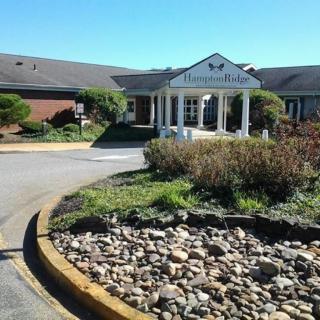
Clean facility with a strong rehabilitation program and engaging activities.
Hampton Ridge Healthcare And Rehabilitation
Toms River, NJ
Extensive amenities and comprehensive daily care services, plus transportation and wellness programs.
Bey Lea Village Care Center
Toms River, NJ
3.4 from 25 reviews
$5,735 to $6,200 / month
Caring staff in a clean, inviting setting with good dining and activities.
Gardens of Pleasant Plains
Toms River, NJ
4.5 from 31 reviews
Intimate, small-capacity community with personalized care and included meals.
Complete Care at Green Acres
Toms River, NJ
4.6 from 126 reviews
$3,820 to $4,200 / month
Clean, well-kept environment with engaging activities and compassionate staff.
Magnolia Gardens
Toms River, NJ
4 from 52 reviews
$3,495 to $4,595 / month
Caring, responsive staff in a clean, well-maintained facility.
Elder abuse affects many older adults worldwide and includes physical, emotional, neglectful, and financial harm, with about one in six individuals over 60 experiencing abuse annually. Prevention and intervention strategies focus on awareness, support for caregivers, and mandatory reporting, while recovery necessitates comprehensive support for both physical and emotional needs.
The guide details ten essential responsibilities of senior caregivers, including personal care, mobility assistance, medication management, and emotional support, while emphasizing the importance of safety, nutrition, and maintaining a safe living environment to enhance seniors' quality of life and independence.
The article highlights nine memory-boosting activities for seniors that enhance cognitive health and social interaction, including puzzles, trivia quizzes, and storytelling, while emphasizing the importance of adapting these activities to individual preferences to maximize enjoyment and engagement. Consistent mental engagement is linked to improved cognitive function and emotional well-being in older adults.
Landscaping, Building, Architecture, Entrance, and Exterior
Windows
Kitchen and Cabinets
Reception Desk
Get PricingAsk A QuestionSchedule A TourContact Senior Advisor
By clicking submit, you agree to our Partner's Terms of Use. You
also consent to receive calls and texts, which may be autodialed, from our Partner. Your consent is not a condition to
using our Partner's service. Please visit our Partner's Privacy Policy for information about their privacy practices.

 Skilled Nursing Facility
 Activities off-site
 Beautician on-site
 Indoor common areas
 Outdoor common areas
 Low / no sodium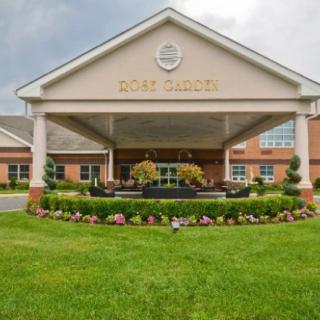
 Comprehensive on-site amenities and 24/7 care.
 Powerful Realities of Elder Abuse and the Most Effective Ways to Report It
 Ten Vital Duties of a Senior Caregiver: A Comprehensive Guide
 9 Stimulating Memory Activities for Seniors: Puzzles, Cards, and Much More