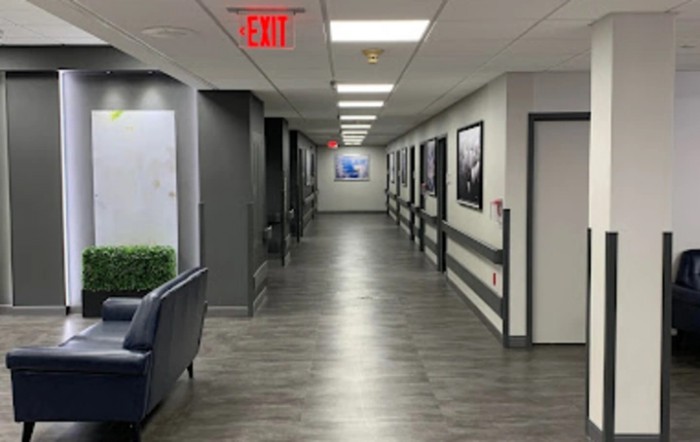
Residents and visitors repeatedly call out how clean the facility feels.
Many reviewers describe the community as clean, well kept, and free of noticeable odors, including comments about no smell like urine. Several also mention cleanliness specifically when visiting rooms or common areas. A minority of reviews raise concerns, including reports of dirty rooms that needed extra cleaning attention.
common35 reviews mention this
Friendly, professional staff get praise
Staff friendliness and professionalism come up again and again across reviews.
Across the reviews, people describe staff members as courteous, helpful, respectful, and pleasant, with front desk teams also singled out as professional. Several visitors also mention feeling welcomed and encouraged during visits. While most feedback is positive, a few reviews express dissatisfaction with compassion or people skills, including negative comments about certain nursing interactions.
caveat3 reviews mention this
Food quality and diet follow-through
Food and diet are uneven in reviews, with both praise and serious complaints.
Some reviewers say the food quality is good and note conversations about what residents are eating. Others report major breakdowns around feeding schedules and following a renal diet, including claims that a resident was not served dinner after dialysis and was hospitalized repeatedly. This is one of the few topics where the reviews diverge sharply.
common7 reviews mention this
Skilled nursing support feels central
Nursing care, medical concerns, and daily support are frequent discussion points.
Multiple reviewers mention nursing and care support in the day-to-day sense, including concerns tied to specific conditions and recovery after stroke. Some describe nurses as caring and responsive, while others raise worries about issues like diapering, following scheduled routines, and how staff handle medical needs. One review also mentions a concern about getting a resident evaluated by a doctor for a jaw issue.
common4 reviews mention this
Activities and communal life
Residents’ day-to-day engagement shows up through activities like games and exercise.
Reviewers describe residents participating in group activities in shared spaces, including games and birthday celebrations. There are also mentions of exercise services. In addition, some reviews reflect on spiritual fellowship and regular visits as part of what residents and families look forward to during their time there.
common2 reviews mention this
Nearby errands and services
The area offers nearby pharmacy and medical options for visitors.
Some reviews highlight the practical aspect of visiting, and the surrounding neighborhood includes nearby pharmacies and medical services. That can make it easier for families to handle quick stops without traveling far.
How we summarize
Counts show how many written reviews mention each theme; a review can touch several themes, and only frequently mentioned themes are displayed.
Features
Housing
180 resident community capacity
Types of Care
Skilled Nursing Facility
Amenities
Air-conditioning
Beauty salon
Cable or satellite TV
Computer center
Dining room
Fitness room
Fully furnished
Gaming room
Garden
Housekeeping services
Kitchenette
Move-in coordination
Outdoor space
Private bathrooms
Restaurant-style dining
Small library
Telephone
Wellness center
Wi-Fi/high-speed internet available
Transportation
Newark International (16 miles away)
LaGuardia (17 miles away)
Westchester Cty (24 miles away)
Community operated transportation
Transportation arrangement
Transportation arrangement (non-medical)
Transportation to doctors appointments
Care Services
12-16 hour nursing
24-hour call system
24-hour supervision
Activities of daily living assistance
Assistance with bathing
Assistance with dressing
Assistance with transfers
Diabetes diet
Meal preparation and service
Medication management
Mental wellness program
Special dietary restrictions
Dining
Diabetes diet
Special dietary restrictions
Activities
Community-sponsored activities
Concierge services
Fitness programs
Planned day trips
Resident-run activities
Scheduled daily activities
Nearby Places of Interest
Pharmacies
Walgreens (0.4 miles)
CVS Pharmacy (1.6 miles)
CVS Pharmacy (1.7 miles)
CVS Pharmacy (3.1 miles)
CVS Pharmacy (3.1 miles)
Walgreens (3.2 miles)
CVS Pharmacy (3.6 miles)
Transportation
NJT - Hawthorne Station (2 miles)
NJT - Waldwick Station (6.5 miles)
NJT - Watchung Station (7.3 miles)
IHA Arbor Road Bus Stop (7.9 miles)
Restaurants
La Ziza (2 miles)
Sportsmans' Tavern (2.8 miles)
The Capital Grille (3 miles)
McDonald's (3.1 miles)
Suburban Diner (3.4 miles)
Van Dyke Ice Cream (4.1 miles)
Popeyes Louisiana Kitchen (4.7 miles)
Hospitals
St Joseph's Regional Medical Center (2.1 miles)
The Valley Hospital (4.8 miles)
Holy Name Medical Center (6.8 miles)
Hackensack Meridian Health Pascack Valley Medical Center (7.6 miles)
Physicians
Paterson Community Health Center (2.1 miles)
Christian Health Care Center () (4.8 miles)
Dr Mondana S. Yazdi, MD (6.8 miles)
Retina Associates of New Jersey PA (7.1 miles)
Kayal Orthopedic - Westwood (7.6 miles)
Parks
Paterson Great Falls National Historical Park (2.5 miles)
Saddle River County Park - Dunkerhook Area (2.7 miles)
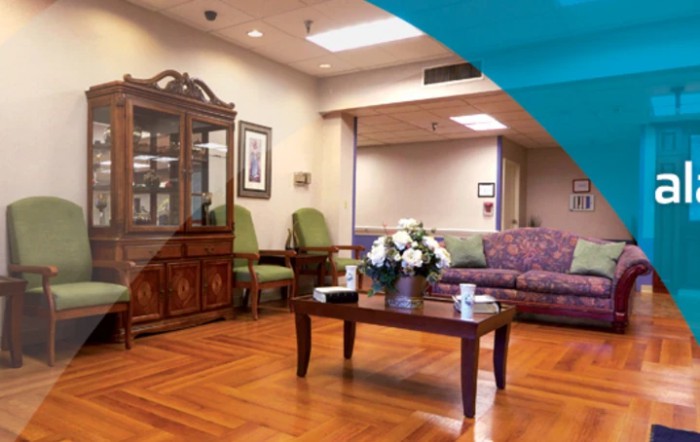
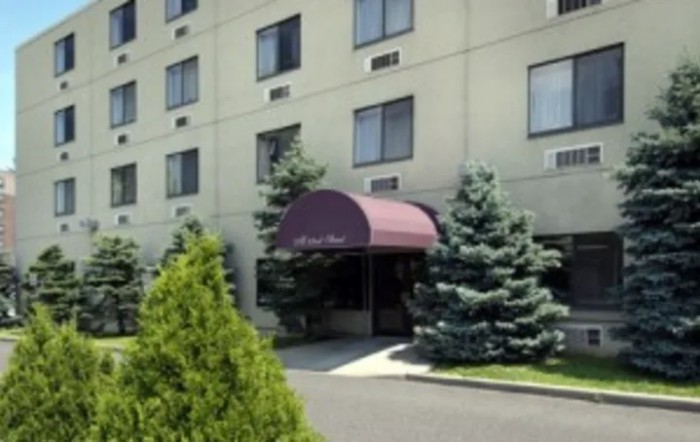
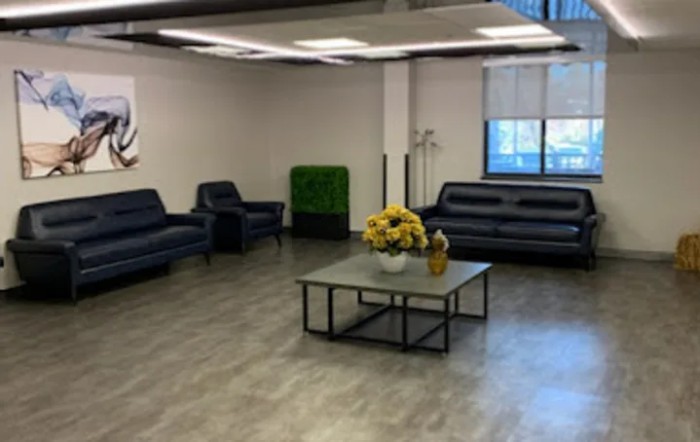
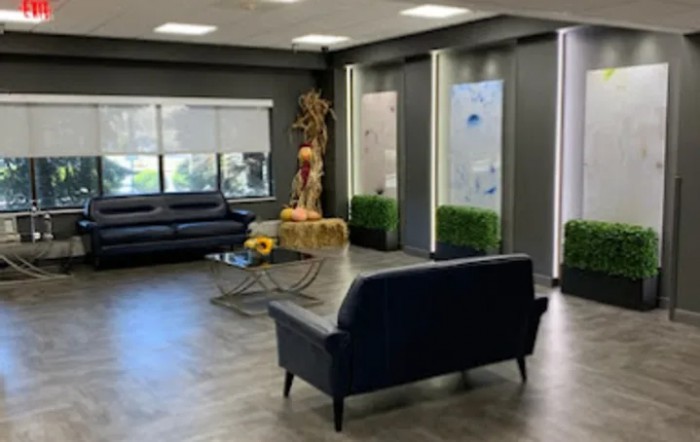
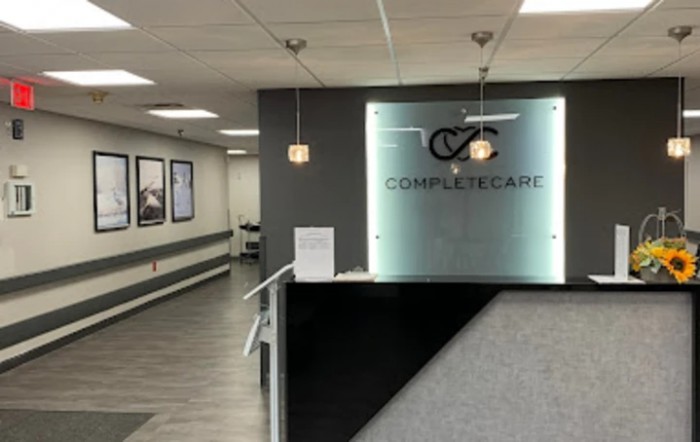
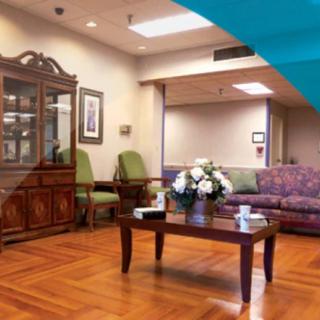
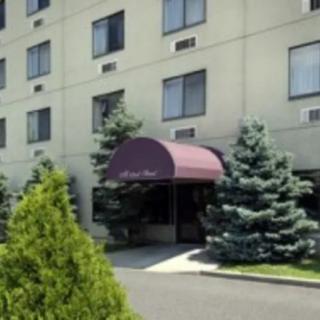
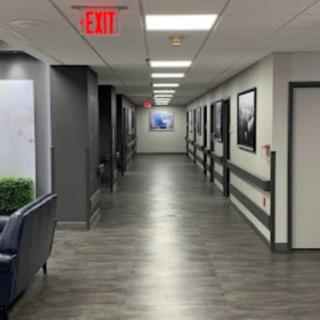
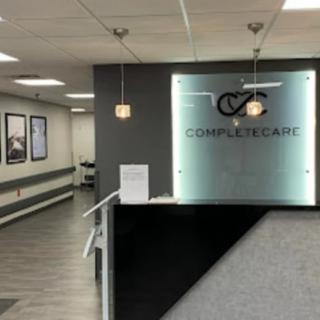
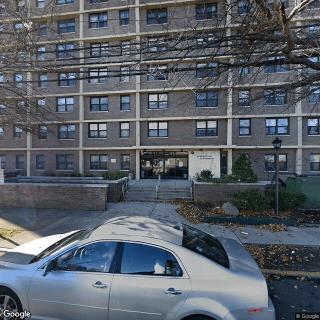
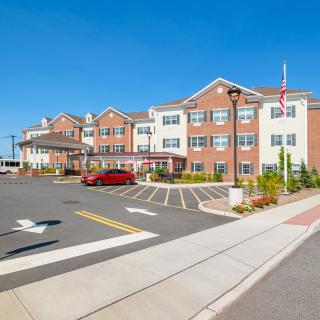
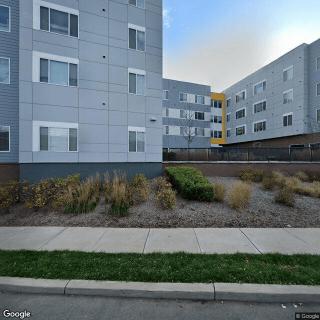
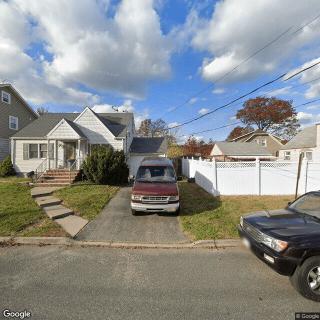
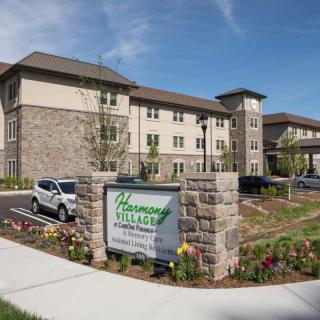
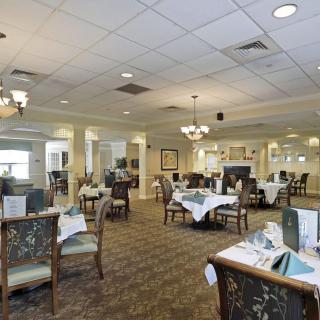
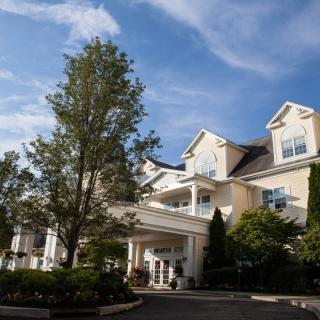
Complete Care At Passaic County on seniors.fyi includes 6 photos including images showing interior, decor, building, lobby, living room, artwork, lighting, hardwood floor, and more.
Nearby Communities
Helping Hands Inc
Paterson, NJ
Close to pharmacies, doctors, parks, restaurants, worship venues, theater, and hospital.
Barnert Subacute Rehabilitation Center
Paterson, NJ
4.7 from 119 reviews
Comprehensive on-site amenities and 24/7 supervision.
Federation Apartments
Paterson, NJ
3.9 from 10 reviews
Friendly, supportive community with attentive staff and well-maintained facilities.
The Chelsea at Fair Lawn
Fair Lawn, NJ
4.8 from 36 reviews
$3,400 to $6,600 / month
Friendly, professional staff with a strong community and on-site physician visits.
Freedom Village
Paterson, NJ
3.2 from 14 reviews
$1,098 / month
Clean and secure environment with a friendly resident community and some responsive management.
Liberty Healthcare Services
Elmwood Park, NJ
Harmony Village at CareOne Paramus
Paramus, NJ
4.4 from 63 reviews
$6,760 to $11,440 / month
Compassionate staff, strong dementia-focused care, and a beautiful, well-maintained campus with varied activities.
Juniper Village at Paramus
Paramus, NJ
4.6 from 117 reviews
$3,995 to $9,065 / month
Engaged staff, varied activities, and a clean, welcoming community.
Van Dyk Park Place
Hawthorne, NJ
4.8 from 67 reviews
$4,950 to $7,500 / month
Compassionate staff in a welcoming, home-like setting with engaging activities.
Medicare covers in-home health care services, which are medical and provided by licensed professionals under a physician's supervision, whereas non-medical personal assistance is generally not covered unless part of a broader skilled care plan. Eligibility for benefits depends on being homebound and needing intermittent skilled services from a Medicare-certified agency, with specific coverage limitations and additional resources available for navigating options.
In-home care is increasingly sought after by older adults for maintaining independence, with average private home care rates in 2025 varying by state and service type, reflecting geographical and local labor market influences. As demand rises, families are considering funding options like Medicaid waivers and long-term care insurance to manage costs effectively while ensuring quality care.
Home health care has become essential for supporting independence among the aging population, offering diverse services such as skilled nursing and rehabilitation in familiar environments, while also incorporating technology for personalized care. Despite its benefits, including improved recovery rates and emotional well-being, challenges like safety, staff availability, and insurance navigation must be managed for effective implementation.
Get PricingAsk A QuestionSchedule A TourContact Senior Advisor
By clicking submit, you agree to our Partner's Terms of Use. You
also consent to receive calls and texts, which may be autodialed, from our Partner. Your consent is not a condition to
using our Partner's service. Please visit our Partner's Privacy Policy for information about their privacy practices.



 180 resident community capacity
 Skilled Nursing Facility
 Air-conditioning
 Beauty salon
 Cable or satellite TV
 Computer center
 Dining room
 Fitness room
 Fully furnished
 Gaming room
 Garden
 Housekeeping services
 Kitchenette
 Move-in coordination
 Outdoor space
 Private bathrooms
 Restaurant-style dining
 Small library
 Telephone
 Wellness center
 Wi-Fi/high-speed internet available
 Newark International (16 miles away)
 Community operated transportation
 12-16 hour nursing
 24-hour call system
 Activities of daily living assistance
 Assistance with bathing
 Assistance with dressing
 Assistance with transfers
 Diabetes diet
 Medication management
 Mental wellness program
 Special dietary restrictions
 Concierge services
 Planned day trips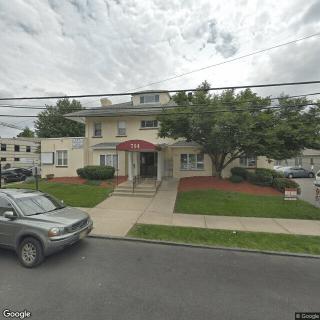
 Close to pharmacies, doctors, parks, restaurants, worship venues, theater, and hospital.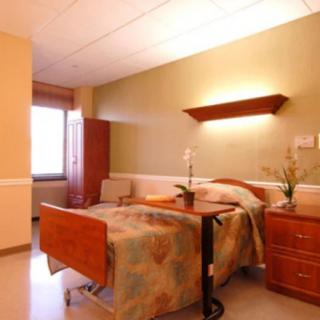
 Navigating Medicare Coverage for In-Home Care Services
 In-Home Care Costs in 2025: A Detailed State-by-State Exploration
 Understanding Home Health Care: A Comprehensive Guide