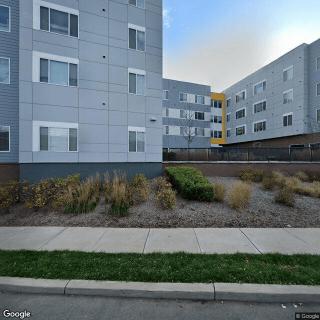
Barnert Subacute Rehabilitation Center

Save

Barnert Subacute Rehabilitation Center

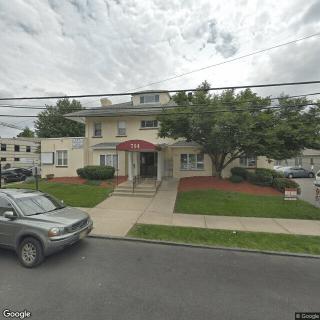
680 Broadway Suite 301, Paterson, NJ 07514

For more information about senior living options: (844) 490-3973

4.7 from 100 reviews
5 stars
80
4 stars
14
3 stars
2
2 stars
0
1 stars
4

Skilled Nursing Facility

Overall Review of Barnert Subacute Rehabilitation Center

Pros

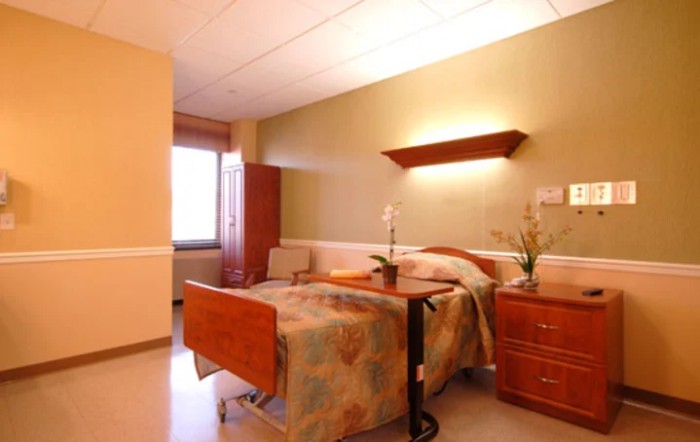
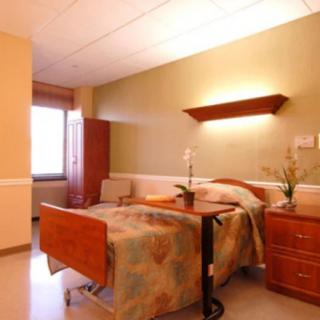
  • pro The facility is clean, pleasant, and odor-free.
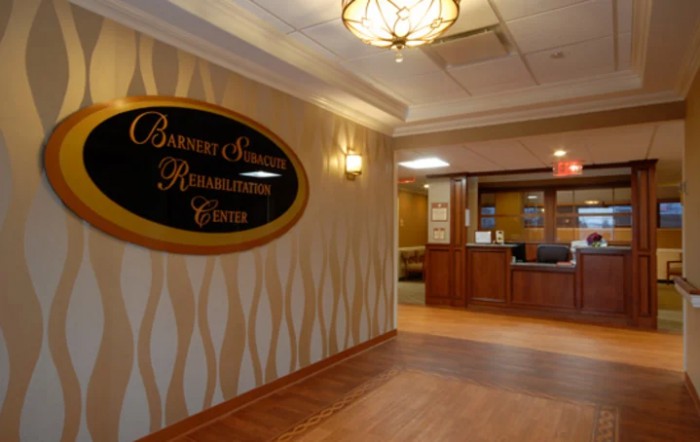
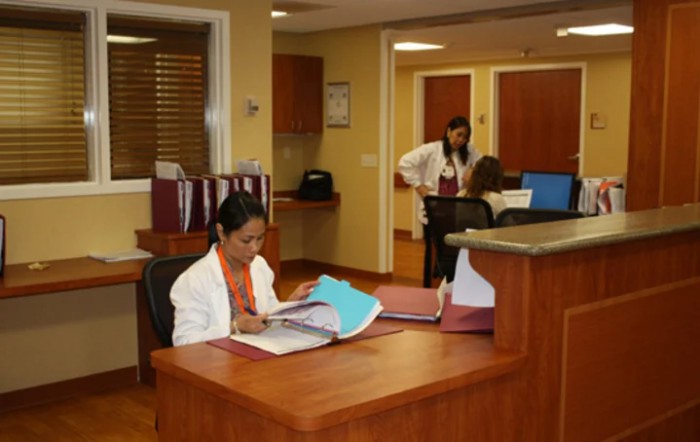
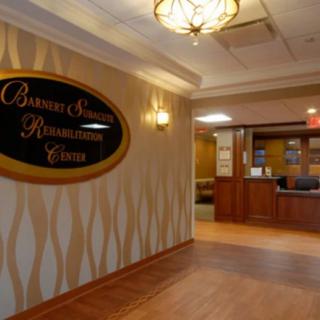
  • pro The front desk staff are friendly and helpful, making a positive first impression.
  • pro The staff are caring, professional, courteous, and consistently go above and beyond.
  • pro The rehab team is outstanding and instrumental in recovery.
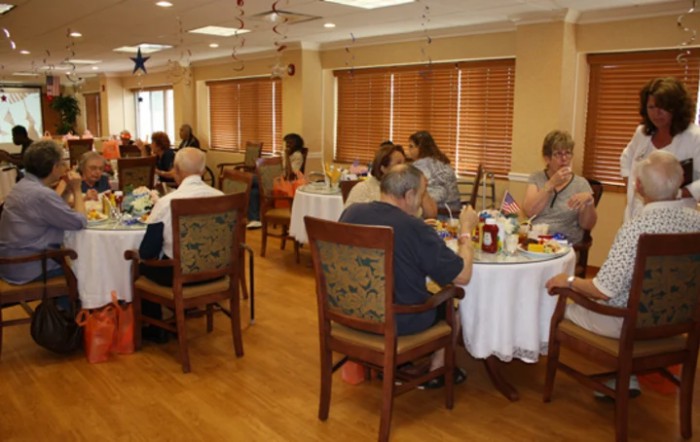
  • pro The food is exceptional, providing a five-star dining experience.
  • pro Cleaning staff keep rooms, bathrooms, and hallways spotless.
  • pro The environment fosters camaraderie and attentive care.
  • pro Nurses and CNAs are highly caring, professional, and respectful.
  • pro Therapists are skilled and provide excellent service, aiding recovery.
  • pro The center is well-maintained, welcoming, and family-friendly.

Cons

  • pro A reviewer claimed the center treated their mother poorly and prioritized insurance over providing needed treatment, and they would not recommend the facility.
  • pro Another reviewer criticized management for not responding to medication concerns in a timely fashion and for not meeting the on-site doctor.
  • pro A reviewer described the furniture as old and outdated and the elevators as poor.
  • pro One reviewer said upper management was disgusted with how they handled issues and failed to support patients and families.
  • pro A reviewer warned that if payments stop, social workers and administration push to move patients out, suggesting a profit-driven motive.
  • pro Another comment noted that the facility had gone downhill compared to years earlier.

Review

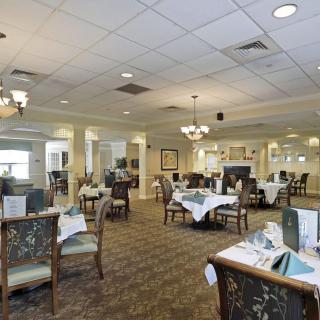
A wide range of impressions come through in these reflections about Barnett Subacute. Taken together, they paint a picture of a facility that many visitors and loved ones find to be clean, welcoming, and staffed by caring, professional people. Several reviewers emphasize the overall warmth of the environment and the sense that the place is well cared for, from the spotless common areas to the absence of what one person called "institutional smells." The recurring verdict from multiple voices is that this is a setting where patients often feel comfortable and well supported as they work through recovery or rehabilitation.

Cleanliness and a pleasant environment are consistently highlighted. Reviewers describe well-maintained rooms, clean hallways, and an atmosphere that feels orderly rather than clinical in a harsh sense. One visitor notes the space is "clean and spacious," with housekeeping doing a solid job, and another remarks on a five-star dining experience that accompanies a broader impression of high standards. Several comments point to a welcoming physical environment as a foundation for positive experiences, with many noting the absence of odors and a general sense that the facility takes pride in its presentation and upkeep.

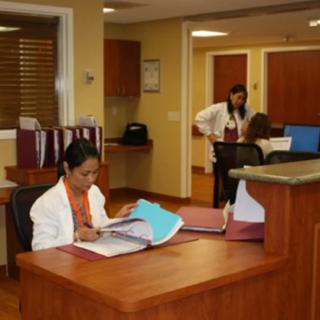
The human touch at the front of the house is singled out repeatedly. The front desk staff are praised for being pleasant, hospitable, and helpful, often setting a good tone as families arrive or sign in. One reviewer specifically mentions that a front-desk interaction makes a strong impression on a business, highlighting how these initial exchanges reflect the facility's culture. The same thread of kindness and attentiveness extends to receptionists who welcome guests with smiles and a sense that guests and patients are valued. This welcoming environment appears to ripple through the care teams, reinforcing a sense that visitors are seen and heard.

The rehab and nursing teams receive a great deal of praise for their dedication and skill. Multiple reviewers call out particular individuals - Marie the nursing aide is described as amazing, and the rehab team is repeatedly lauded for its effectiveness and professionalism. Emily and Margaret are named as especially supportive and caring, while therapists across the physical and occupational disciplines are credited with instrumental, high-quality interventions that aid recovery. The sentiments are strengthened by comments from families and patients who describe staff as friendly, kind, and deeply committed to patients' well-being. The overall impression is that, when it comes to direct care, the facility tends to be strong and dependable, with a culture of going "above and beyond" for those in their care.

Food and general atmosphere also factor into these positive experiences. One reviewer calls the dining experience "five-star," underscoring that excellent meals can be part of a holistic recovery journey. The sense of camaraderie among residents and staff - together with a clean, well-run environment - contributes to a vibe that many families associate with comfort and reassurance during what can be a challenging time. In several entries, visitors describe the center as warm, welcoming, and conducive to healing, with staff who are both professional and personable.

Family experiences vary, but several stories stand out as heartening. A father or husband notes that he and his family member are well cared for, with the patient expressing contentment and a preference not to return home yet because the care is so reassuring. Another reviewer mentions that their mom, after a fracture, was treated with a level of attention that left a lasting positive impression, while a son highlights how his mother's two-week stay was marked by genuine care and respect. In the case of a visiting friend, staff are described as helpful and attentive to the needs of loved ones, reinforcing the sense that the facility maintains a family-centered approach to care. The emotional resonance of these experiences - seeing loved ones cared for, feeling included in the care plan, and receiving consistent, compassionate communication - appears to be a strong and recurring feature.

Not all feedback is uniformly glowing, and a few reviewers offer more cautioned or critical perspectives. Some concerns center on management and communication. One reviewer recounts a distressing experience involving perceived delays in medication changes and a lack of timely updates, with a sense that the business and administrative side overshadowed patient advocacy in that instance. Others point to the impression that insurance considerations and bed management can drive decisions in ways that feel disquieting to families, suggesting that some interactions with social workers or administration could be more proactive or transparent. There are even critiques of physical infrastructure - an older, outdated feel to furniture and elevators - paired with calls for more proactive engagement from leadership and clearer lines of communication about care changes.

In the broader context of rehabilitation services, the stories emphasize both strengths and teachable moments. The rehab staff are praised for their tangible clinical impact, with specific therapists named (for example, those who lead highly regarded physical and occupational therapy sessions) and a sense that patients experience real progress through skilled, patient-centered care. Yet a minority of reviewers express concerns about consistency in therapy quality across all shifts, and a few mention gaps in therapy timing or intensity as areas for improvement. Overall, the feedback acknowledges that while many patients and families feel grateful for the care received, there are legitimate calls for enhanced coordination, more responsive management, and better communication around medication and discharge planning.

Taken together, these accounts depict Barnett Subacute as a facility that many people come away from feeling grateful for - clean, welcoming, and staffed by a team that genuinely cares about patients and their families. The consistent praise for frontline staff, the positive remarks about the rehab team, and the glowing notes about dining and environment build a strong impression of a place where healing is supported by kindness, competence, and a culture of attentiveness. At the same time, a smaller but meaningful thread of critique reminds readers that efficiencies and empathy in health care are not always perfectly aligned - and that timely communication, transparent handling of insurance and meds, and maintenance of facilities are ongoing areas for attention. Overall, for those evaluating rehab needs, the facility presents itself as a solid option with many advocates and a few cautions worth considering.

Features

Housing

  • 68 resident community capacity 68 resident community capacity

Types of Care

  • Skilled Nursing Facility Skilled Nursing FacilitySkilled Nursing Facilities are crucial for seniors as they provide round-the-clock medical care, rehabilitation services, and assistance with daily activities. These facilities ensure that seniors receive the specialized care they need to maintain their health and well-being as they age.

Amenities

  • Air-conditioning Air-conditioningAir conditioning is important for seniors as they are more vulnerable to heat-related illnesses and may have underlying health conditions that make it difficult for them to regulate their body temperature. It helps to keep them comfortable, safe, and healthy in hot weather.
  • Beauty salon Beauty salonBeauty salons are important for seniors because they provide a space for them to feel pampered, socialize, and maintain their personal grooming and hygiene. Regular visits to a beauty salon can help boost seniors' self-esteem and overall well-being.
  • Cable or satellite TV Cable or satellite TVCable or satellite TV is important for seniors because it provides entertainment, news, and companionship, helping to combat loneliness and boredom. It also offers a wide range of programming options tailored to different interests and preferences.
  • Computer center Computer centerA computer center is essential for seniors as it provides access to technology, communication tools, and resources that can enhance their daily lives. It allows them to stay connected with loved ones, engage in online activities, and learn new skills, ultimately promoting socialization and mental stimulation.
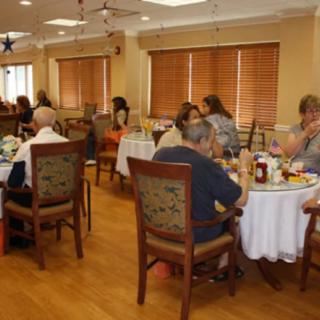
  • Dining room Dining roomDining rooms are important for seniors as they provide a space for socialization, connection, and nutritious meals. They offer opportunities for residents to bond over shared meals, foster a sense of community, and promote healthy eating habits. Dining rooms also ensure that seniors have access to well-balanced meals tailored to their dietary needs and preferences.
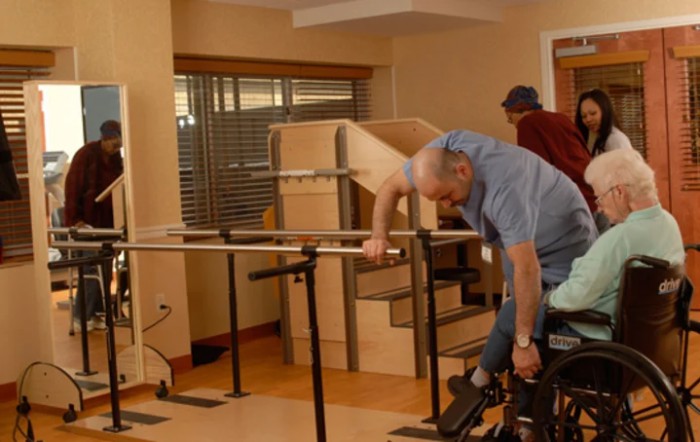
  • Fitness room Fitness roomHaving a fitness room in a senior living community is essential for seniors to stay active, maintain their physical health, and improve their overall well-being. Regular exercise can help prevent falls, reduce the risk of chronic diseases, and promote mental sharpness. It also provides social opportunities for residents to connect with others and enjoy a sense of community.
  • Fully furnished Fully furnishedFully furnished senior living communities are important for seniors because they provide convenience, comfort, and a hassle-free moving experience. Seniors can easily settle into their new living space without the stress of having to buy and move furniture. This allows them to focus on enjoying their new home and community.
  • Gaming room Gaming roomGaming rooms are important for seniors as they provide a fun and engaging environment for socializing, cognitive stimulation, and physical activity. Games can improve memory, problem-solving skills, and overall mental well-being while fostering friendships and reducing feelings of isolation.
  • Garden GardenGardens are important for seniors as they provide a peaceful and therapeutic environment for relaxation, physical activity, and socialization. Being in nature has been shown to reduce stress, improve mood, and promote overall well-being. Gardens also offer opportunities for seniors to engage in gardening activities, which can improve mobility, flexibility, and cognitive function. Additionally, gardens create a sense of community and connection with others who share a passion for plants and outdoor spaces.
  • Housekeeping services Housekeeping servicesHousekeeping services are important for seniors because they help maintain a clean and safe living environment, promote independence, and reduce the risk of accidents or illnesses. Additionally, having assistance with household chores can alleviate physical strain and allow seniors to focus on other aspects of their well-being.
  • Kitchenette KitchenetteKitchenettes are important for seniors living in senior living communities because they provide the convenience and independence of being able to prepare simple meals and snacks in the comfort of their own living space. This can help promote a sense of autonomy and well-being for seniors, allowing them to maintain some level of control over their dietary choices and daily routines.
  • Move-in coordination Move-in coordinationMove-in coordination is important for seniors because it helps ease the transition into their new living environment. It ensures that all logistics, such as packing, organizing movers, and setting up utilities are taken care of, allowing seniors to focus on settling in and adjusting to their new home. Having a smooth move-in process can alleviate stress and anxiety, making the transition smoother and more enjoyable for seniors.
  • Outdoor space Outdoor spaceOutdoor spaces are important for seniors as they provide opportunities for physical activity, social interaction, exposure to natural light and fresh air, and a sense of connection to nature. Having access to outdoor spaces can improve overall well-being and quality of life for older adults living in senior communities.
  • Private bathrooms Private bathroomsPrivate bathrooms are important for seniors in senior living communities because they provide independence, dignity, and comfort. Having a private bathroom allows seniors to maintain their personal hygiene routines without the need for assistance, promoting a sense of autonomy and privacy. Additionally, private bathrooms help prevent the spread of infections and provide a safe and clean environment for seniors to navigate safely.
  • Restaurant-style dining Restaurant-style diningRestaurant-style dining is important for seniors because it allows them to enjoy delicious, nutritious meals in a social and upscale setting. This enhances their dining experience, promotes healthy eating habits, and fosters socialization with fellow residents, ultimately contributing to their overall well-being and quality of life.
  • Small library Small librarySmall libraries are important for seniors as they provide access to a variety of reading materials, including books, newspapers, and magazines. This can help stimulate their minds, keep them engaged, and provide a sense of community through book clubs and other social activities. Additionally, reading has been shown to improve cognitive function and overall mental well-being in older adults.
  • Telephone TelephoneTelephones are important for seniors as they provide a lifeline for communication with loved ones, emergency services, and healthcare providers. They offer a sense of security and independence, enabling seniors to stay connected and access assistance when needed.
  • Wellness center Wellness centerWellness centers are important for seniors because they offer a variety of programs and services that promote physical, mental, and emotional well-being. These centers provide opportunities for exercise, socialization, education, and relaxation, helping seniors maintain their overall health and quality of life.
  • Wi-Fi/high-speed internet available Wi-Fi/high-speed internet availableWi-Fi/high-speed internet is important for seniors to stay connected with loved ones, access online resources, and participate in virtual activities to combat feelings of loneliness and isolation. It also allows them to easily manage healthcare needs, access entertainment, and engage in lifelong learning opportunities.

Transportation

  • Newark International (16 miles away) Newark International (16 miles away)
  • LaGuardia (17 miles away) LaGuardia (17 miles away)
  • Westchester Cty (25 miles away) Westchester Cty (25 miles away)
  • Community operated transportation Community operated transportationCommunity operated transportation is crucial for seniors as it provides them with the means to access essential services, social activities, and medical appointments. It allows seniors to maintain their independence and quality of life by ensuring they can participate in activities outside of their homes. Additionally, community-operated transportation services offer a safe and reliable way for seniors to travel without having to rely on family or friends for assistance.
  • Transportation arrangement Transportation arrangementTransportation arrangements are crucial for seniors as they may face challenges with driving, mobility, or access to public transportation. Having reliable transportation services ensures that seniors can easily attend appointments, social activities, and maintain their independence and quality of life.
  • Transportation arrangement (non-medical) Transportation arrangement (non-medical)Transportation arrangements are essential for seniors as they provide access to essential services, activities, and social interactions outside the home. This service helps maintain independence, mobility, and overall well-being for seniors who may have limited transportation options.
  • Transportation to doctors appointments Transportation to doctors appointmentsTransportation to doctors appointments is crucial for seniors as it ensures they have access to necessary medical care and support, promoting their health and well-being. It allows them to receive timely treatment, monitor existing conditions, and address any new health concerns efficiently. Additionally, transportation services can help seniors maintain their independence and quality of life by enabling them to stay connected with their healthcare providers.

Care Services

  • 12-16 hour nursing 12-16 hour nursing12-16 hour nursing care is crucial for seniors in order to ensure around-the-clock monitoring, timely medication administration, and prompt response to any health concerns or emergencies. This level of care helps to promote the overall well-being and safety of seniors living in senior living communities.
  • 24-hour call system 24-hour call system24-hour call systems are important for seniors because they provide peace of mind and immediate assistance in case of emergencies. This technology ensures that help is always available, promoting safety and security for elderly individuals living alone or in assisted living facilities.
  • 24-hour supervision 24-hour supervision24-hour supervision is important for seniors to ensure their safety, well-being, and access to immediate assistance in case of emergencies or health issues. This constant support provides peace of mind for both seniors and their loved ones, allowing them to age in place with dignity and security.
  • Activities of daily living assistance Activities of daily living assistanceActivities of daily living assistance are important for seniors because they provide essential support with tasks such as eating, bathing, dressing, and mobility. This assistance helps seniors maintain their independence, dignity, and overall quality of life as they age.
  • Assistance with bathing Assistance with bathingAssistance with bathing is crucial for seniors as it helps maintain personal hygiene, prevents infections, and ensures their overall well-being and comfort. It also provides a sense of dignity and independence for seniors who may struggle with this task on their own.
  • Assistance with dressing Assistance with dressingAssistance with dressing is important for seniors because it helps maintain their independence, promotes personal hygiene, prevents accidents and injuries, and improves overall quality of life. This service ensures that seniors can continue to dress comfortably and confidently, despite any physical limitations they may have.
  • Assistance with transfers Assistance with transfersAssistance with transfers is crucial for seniors as it helps prevent falls and injuries, maintains their independence, and ensures they can safely navigate their living environment. It also provides peace of mind for both seniors and their loved ones.
  • Diabetes diet Diabetes dietA diabetes diet is crucial for seniors as it helps manage blood sugar levels, reduce risks of complications, and improve overall health and well-being. By following a balanced and nutritious diet tailored to their specific needs, seniors can better control their diabetes and enhance their quality of life.
  • Meal preparation and service Meal preparation and serviceMeal preparation and service are crucial for seniors as they may have limited mobility or energy to cook nutritious meals. Having access to healthy and convenient food options can ensure they are getting the proper nutrition needed to maintain their overall health and well-being.
  • Medication management Medication managementMedication management is crucial for seniors to ensure they are taking the right medications at the correct dosages and times. This helps prevent adverse drug interactions, reduces the risk of medication errors, and promotes overall health and well-being. Proactive management also allows for adjustments as needed based on changing health conditions or new prescriptions.
  • Mental wellness program Mental wellness programMental wellness programs are essential for seniors as they promote cognitive stimulation, emotional support, and social engagement. These programs help prevent isolation, depression, and cognitive decline, ultimately enhancing the overall quality of life for older adults.
  • Special dietary restrictions Special dietary restrictionsSpecial dietary restrictions are important for seniors because age-related changes in metabolism and health conditions can make it difficult for their bodies to process certain foods. By following a diet tailored to their specific needs, seniors can maintain their overall health and well-being, manage chronic conditions, and reduce the risk of complications such as malnutrition or food interactions with medications.

Dining

  • Diabetes diet Diabetes dietA diabetes diet is crucial for seniors as it helps manage blood sugar levels, reduce risks of complications, and improve overall health and well-being. By following a balanced and nutritious diet tailored to their specific needs, seniors can better control their diabetes and enhance their quality of life.
  • Special dietary restrictions Special dietary restrictionsSpecial dietary restrictions are important for seniors because age-related changes in metabolism and health conditions can make it difficult for their bodies to process certain foods. By following a diet tailored to their specific needs, seniors can maintain their overall health and well-being, manage chronic conditions, and reduce the risk of complications such as malnutrition or food interactions with medications.

Activities

  • Community-sponsored activities Community-sponsored activitiesCommunity-sponsored activities are important for seniors as they provide opportunities for social interaction, mental stimulation, and physical activity. These activities can help improve overall well-being, combat loneliness and isolation, and promote a sense of belonging and purpose among older adults.
  • Concierge services Concierge servicesConcierge services are essential for seniors as they provide assistance with daily tasks and errands, enhance their quality of life by offering convenience and personalized care, and promote a sense of safety and security.
  • Fitness programs Fitness programsFitness programs are crucial for seniors as they help improve strength, flexibility, balance, and overall well-being. Staying active can reduce the risk of chronic diseases, improve mental health, and enhance quality of life in older adults.
  • Planned day trips Planned day tripsPlanned day trips are important for seniors because they offer opportunities for socialization, mental stimulation, and physical activity. They provide a change of scenery and help seniors stay engaged and connected to their community, promoting overall well-being and quality of life.
  • Resident-run activities Resident-run activitiesResident-run activities are important for seniors as they encourage social interaction, creativity, and a sense of autonomy. These activities empower seniors to stay engaged and active in their community while fostering meaningful connections with their peers.
  • Scheduled daily activities Scheduled daily activitiesScheduled daily activities are important for seniors because they provide structure, socialization, mental stimulation, and physical activity. Engaging in regular activities can improve overall well-being and quality of life for seniors living in a community setting.

Description

Barnert Subacute Rehabilitation Center in Paterson, NJ offers a wide range of amenities and care services to provide a comfortable and fulfilling assisted living experience. The community features a beauty salon for residents to enjoy pampering services, as well as cable or satellite TV in each room for entertainment. Community-operated transportation is available for residents to easily access local destinations, and a computer center allows them to stay connected digitally.

Meals are served in a spacious dining room with restaurant-style dining, ensuring residents receive delicious and nutritious meals prepared by professional staff. The fully furnished accommodations include private bathrooms and kitchenettes for convenience. Housekeeping services are provided to maintain cleanliness and tidiness.

Residents have access to various recreational spaces such as a fitness room, gaming room, garden, outdoor space, small library, and wellness center. Wi-Fi/high-speed internet is available throughout the community for connectivity purposes.

The care services offered at Barnert Subacute Rehabilitation Center cater to the individual needs of each resident. A 24-hour call system ensures help is always within reach, while 24-hour supervision provides safety and peace of mind. Assistance with activities of daily living such as bathing, dressing, and transfers is readily available. Medication management and diabetes diets are provided by trained staff members. The mental wellness program promotes emotional well-being.

Residents can participate in a variety of activities organized by the community or run by fellow residents themselves. Fitness programs keep residents active and healthy, while planned day trips offer opportunities for exploration outside the community. Concierge services cater to personal needs and preferences.

Barnert Subacute Rehabilitation Center boasts an advantageous location with nearby amenities including cafes, parks, pharmacies, physicians' offices, restaurants, places of worship, theaters, and hospitals.

Overall, this assisted living community offers an inclusive environment where residents can enjoy their independence while receiving personalized care and enjoying various amenities and activities that enhance their quality of life.

Nearby Places of Interest

Pharmacies

  • Walgreens (1 miles)
  • CVS Pharmacy (2 miles)
  • CVS Pharmacy (2.1 miles)
  • Walgreens (2.6 miles)
  • CVS Pharmacy (3.2 miles)
  • CVS Pharmacy (3.2 miles)
  • CVS Pharmacy (3.6 miles)

Physicians

  • Paterson Community Health Center (1.5 miles)
  • Christian Health Care Center () (4.7 miles)
  • Retina Associates of New Jersey PA (6.5 miles)
  • Dr Mondana S. Yazdi, MD (6.7 miles)
  • Costello Oral Surgery Associates (7.8 miles)

Hospitals

  • St Joseph's Regional Medical Center (1.6 miles)
  • The Valley Hospital (5.1 miles)
  • Holy Name Medical Center (7.4 miles)

Transportation

  • NJT - Hawthorne Station (1.8 miles)
  • NJT - Waldwick Station (6.6 miles)
  • NJT - Watchung Station (6.9 miles)
  • IHA Arbor Road Bus Stop (7.8 miles)

Restaurants

  • La Ziza (1.9 miles)
  • Sportsmans' Tavern (3.1 miles)
  • McDonald's (3.3 miles)
  • The Capital Grille (3.6 miles)
  • Suburban Diner (4 miles)
  • Van Dyke Ice Cream (4.2 miles)
  • Popeyes Louisiana Kitchen (5.1 miles)

Parks

  • Paterson Great Falls National Historical Park (1.9 miles)
  • Saddle River County Park - Dunkerhook Area (3.2 miles)
  • Saddle River County Park (3.5 miles)
  • Van Saun County Park (4.9 miles)
  • Rutherford Memorial Park (5.3 miles)
  • Anderson Park (6.3 miles)
  • Edgemont Memorial Park (7.1 miles)

Places of Worship

  • Clifton Blue Mosque (3 miles)
  • Community Church Of Glen Rock (3.2 miles)
  • All Saints Episcopal Church (3.3 miles)
  • Hawthorne Gospel Church (4.1 miles)
  • Bais Torah U'tefilah (4.6 miles)
  • Ahavas Israel (4.9 miles)
  • Immaculate Heart Of Mary School (6.1 miles)

Theaters

  • Dreamscape at AMC Garden State Plaza (3.5 miles)
  • AMC DINE-IN Shops At Riverside 9 (6 miles)
  • AMC Clifton Commons 16 (6.2 miles)
  • Cinemark (6.5 miles)

Cafes

  • Starbucks (3.7 miles)
  • Starbucks (3.9 miles)
  • Starbucks (4.7 miles)
  • Panera Bread (6 miles)
  • Starbucks (6.1 miles)
  • Bogota Press Cafe (6.1 miles)
  • Starbucks (6.4 miles)

Frequently Asked Questions

Where is Barnert Subacute Rehabilitation Center?
What photos are available for Barnert Subacute Rehabilitation Center in Paterson, New Jersey?

Nearby Communities

  • Helping Hands Inc

    Helping Hands Inc

    Paterson, NJ


    pro Close to pharmacies, doctors, parks, restaurants, worship venues, theater, and hospital.
  • Federation Apartments

    Federation Apartments

    Paterson, NJ

    4.2 from 9 reviews
     

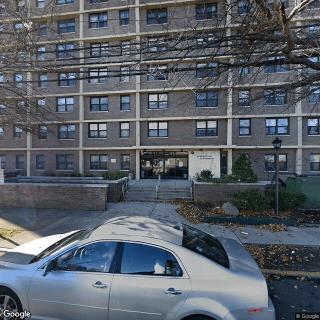
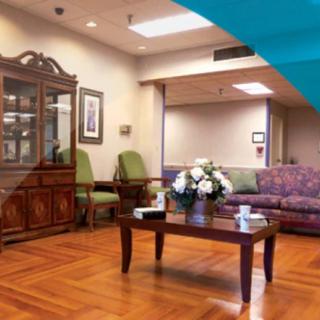
    pro Friendly, supportive community with attentive staff and well-maintained facilities.

  • Complete Care At Passaic County

    Complete Care At Passaic County

    Paterson, NJ

    4.8 from 100 reviews
     

    pro Extensive on-site amenities and 24/7 supervision with transportation for medical and non-medical needs.

  • Freedom Village

    Freedom Village

    Paterson, NJ

    3.2 from 14 reviews
    $1,098 / month

    pro Clean and secure environment with a friendly resident community and some responsive management.

  • The Chelsea at Fair Lawn

    The Chelsea at Fair Lawn

    Fair Lawn, NJ

    4.8 from 27 reviews
    $3,400 to $6,600 / month

    pro Friendly, professional staff with a strong community and on-site physician visits.

  • Excellent Home Care

    Excellent Home Care

    Paterson, NJ

    5 from 1 review
     

    pro Close to healthcare, dining, parks, and entertainment.

  • Van Dyk Park Place

    Van Dyk Park Place

    Hawthorne, NJ

    4.8 from 66 reviews
    $4,950 to $7,500 / month

    pro Compassionate staff in a welcoming, home-like setting with engaging activities.

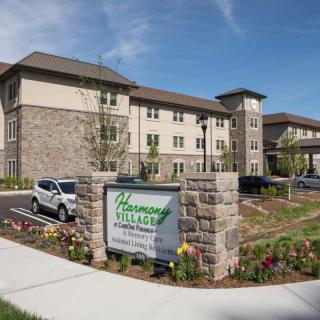
  • Harmony Village at CareOne Paramus

    Harmony Village at CareOne Paramus

    Paramus, NJ

    4.4 from 63 reviews
    $6,760 to $11,440 / month

    pro Compassionate staff, strong dementia-focused care, and a beautiful, well-maintained campus with varied activities.

  • Juniper Village at Paramus

    Juniper Village at Paramus

    Paramus, NJ

    4.6 from 101 reviews
    $3,995 to $9,065 / month

    pro Engaged staff, varied activities, and a clean, welcoming community.

Related Resources

  • adult day careEncouraging Participation in Adult Day Care: A Guide to Supporting a Hesitant Parent

    Adult day care programs offer essential support and activities for older adults, yet many hesitate to participate due to concerns about independence and stigma. To alleviate these apprehensions, families should facilitate open discussions, explore financial resources, suggest trial visits, and collaborate with healthcare providers to highlight the benefits of such services for both the participants and their caregivers.

  • living will definitionComprehensive Exploration of Living Wills and Other Advance Directives

    Living wills and advance directives are crucial legal documents that outline an individual's healthcare preferences when they cannot make decisions themselves, enhancing patient autonomy and alleviating family stress during medical crises. The article emphasizes the need for these documents to be personalized, legally valid, and regularly updated, while also encouraging communication about end-of-life wishes among family members and healthcare providers.

  • living will definitionA Detailed Exploration of Living Wills and Advance Directives
    The article examines living wills and advance directives, highlighting their significance in expressing healthcare preferences for those unable to communicate due to illness or incapacity. It discusses their historical development, legal components, limitations, practical drafting advice, and the importance of clear communication among families and healthcare professionals regarding end-of-life decisions.