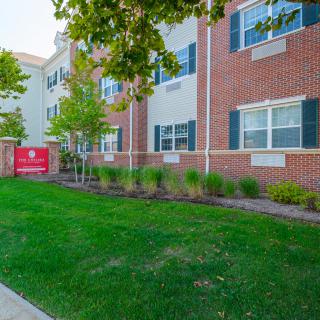
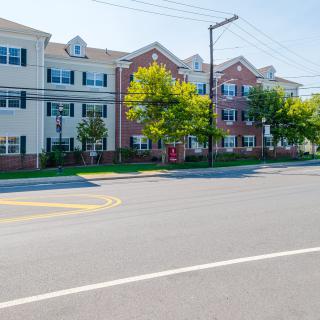
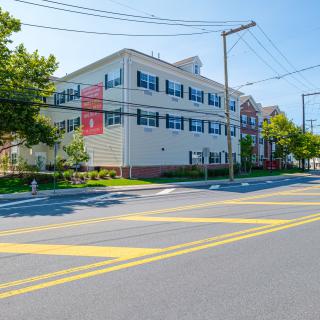
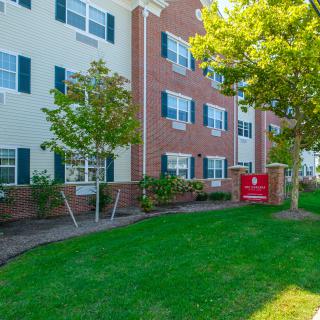
The Chelsea at Fair Lawn

Save

The Chelsea at Fair Lawn

Information last verified:

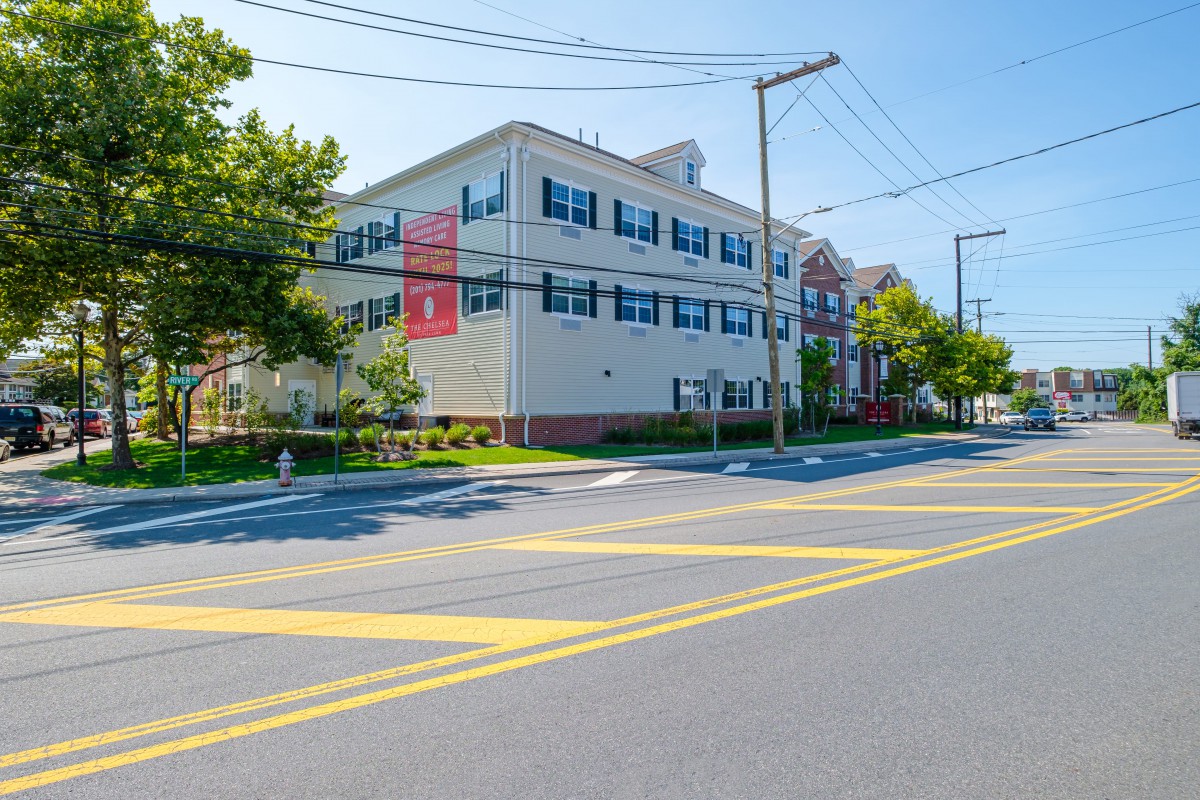
1600 River Road, Fair Lawn, NJ 07410

For more information about senior living options: (844) 490-3973

4.8 from 29 reviews
5 stars
24
4 stars
4
3 stars
1
2 stars
0
1 stars
0

The Chelsea at Fair Lawn Costs & Pricing

The Chelsea at Fair Lawn offers competitive pricing for its various room types when compared to both Bergen County and the broader New Jersey market. For semi-private and one-bedroom accommodations, residents find a cost of $3,400 per month, significantly lower than the county average of $6,049 and $6,158 respectively. Meanwhile, studio apartments at The Chelsea are priced at $6,600, which is slightly above Bergen County's average but more affordable than the state average of $5,286. This positioning reflects The Chelsea's commitment to providing quality care options that are economically advantageous within the local landscape, making it an attractive choice for those seeking senior living solutions in the area.

Floor plansThe Chelsea at Fair LawnBergen CountyNew Jersey
Semi-Private$3,400$6,049$5,068
1 Bedroom$3,400$6,158$5,994
Studio$6,600$6,525$5,286

Overall Review of The Chelsea at Fair Lawn

Pros

  • pro They view The Chelsea at Fair Lawn as a decent and caring place where residents feel safe and supported.
  • pro The staff are described as phenomenal—kind, compassionate, loving, and attentively attentive to residents as if they were their own.
  • pro The community is unpretentious and friendly, with residents regularly socializing during meals and activities.
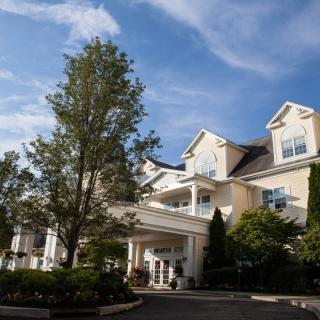
  • pro The facility is new, clean, and user-friendly, contributing to a high level of satisfaction.
  • pro Families have peace of mind knowing their loved ones are in good hands within a caring environment.
  • pro The Cottage and assisted living residents benefit from collaborative activities, enhancing connection across levels of care.
  • pro On-site physicians and easy access to medical services simplify scheduling and reduce the burden on families.
  • pro The leadership and caregiving team, including Jamie and Lucy, are described as attentive, supportive, and going above and beyond.
  • pro The memory care program is praised for its compassionate staff, warm environment, and engaging activities.

Cons

  • pro The billing process was described as very poor.
  • pro The level of care was assessed incorrectly.
  • pro The medical services did not impress, with medications changed without consulting former doctors or family, leading to hospital ER and psychiatric unit stays and a decline in condition.
  • pro Assisted living memory care was not a good fit for the reviewer’s dad.
  • pro Since the assisted section opened, the food has changed and is no longer tasty, being more suited to restricted diets, with dinner staff insufficient and the food served cold.
  • pro The Chelsea was not prepared to care for him after the decline.

Review

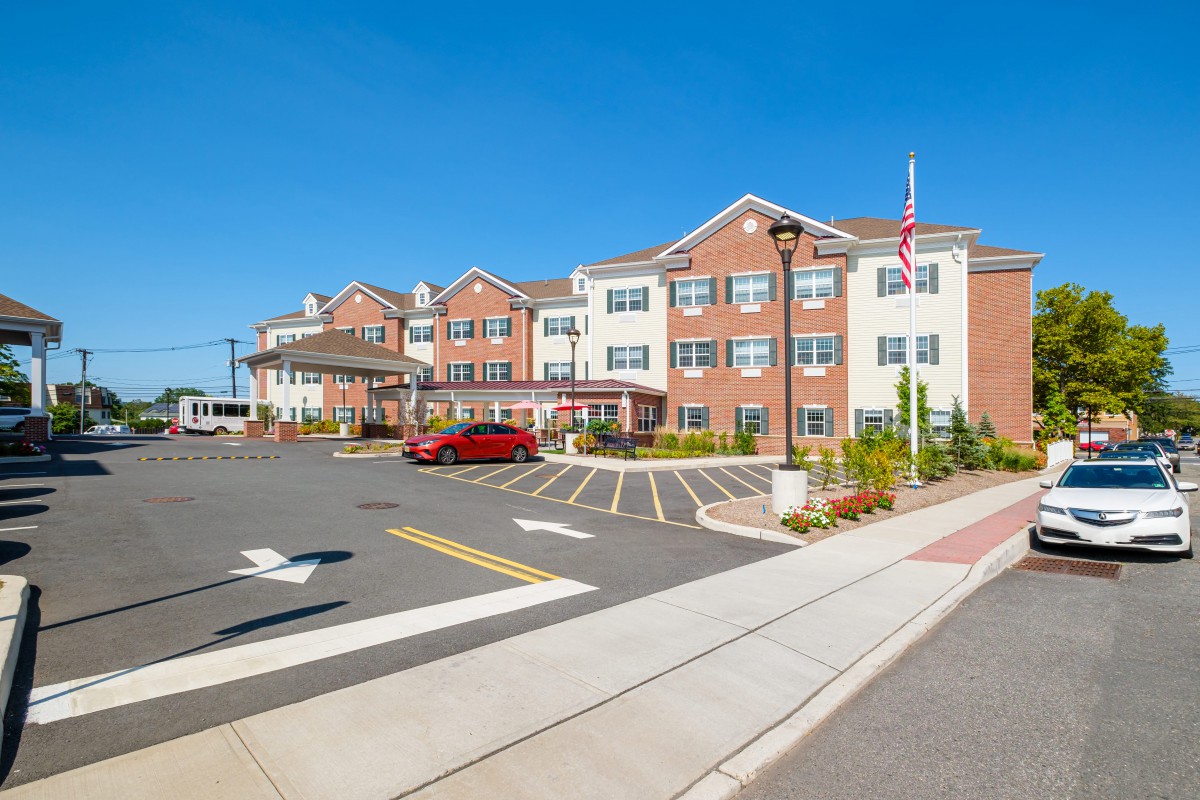
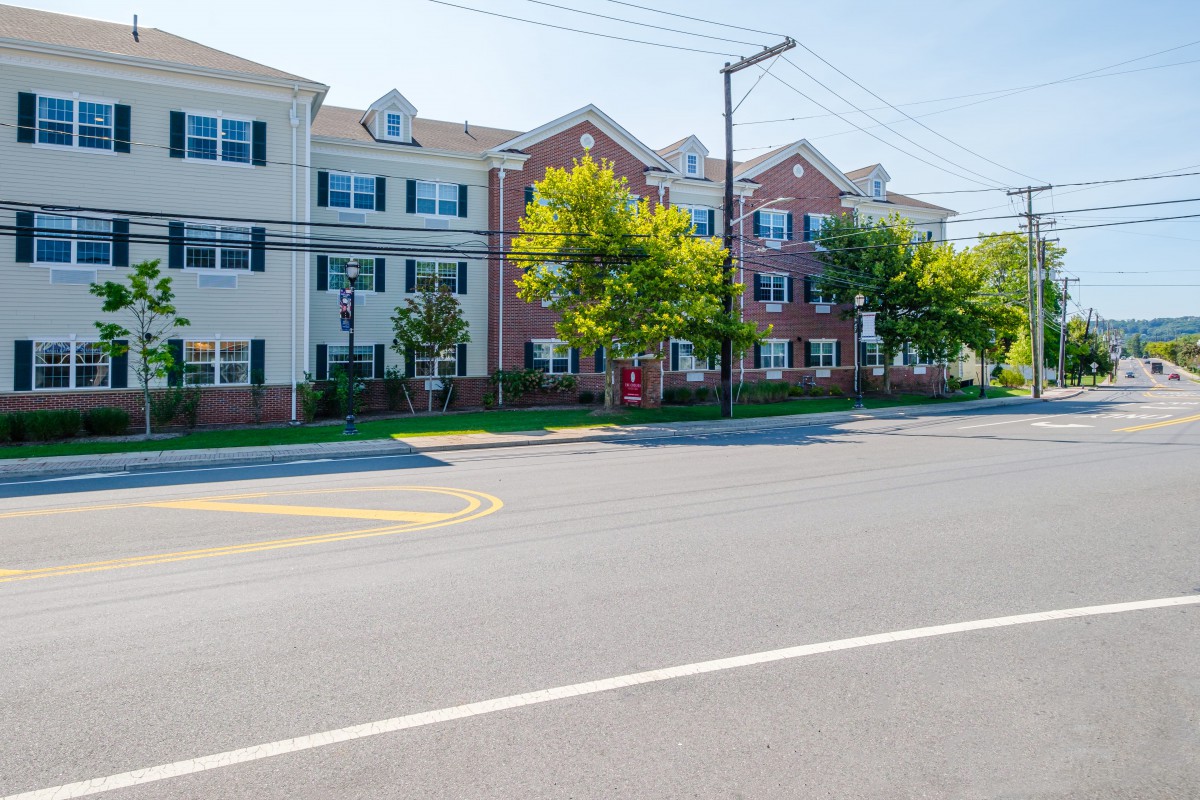
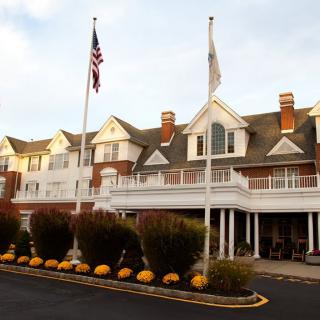
The Chelsea at Fair Lawn is best suited for families seeking a newer, all-in-one senior campus that combines independent living, assisted living, and memory care with a warm, engaged culture. It works especially well for elders who want daily activity, regular social interaction, and on-site access to clinicians without a constant road trip to appointments. The cottage memory-care option sits alongside the assisted and independent wings, enabling smoother care transitions as needs evolve. The building itself reinforces the experience, bright, clean spaces, thoughtful programming, and a chef who earns praise for meals, and the campus leadership teams, Medical Director Lucy Panchoo and directors such as Jamie Bustos and Kevin, are repeatedly praised for hands-on, supportive oversight. Families gain peace of mind from a community that emphasizes safety, accessibility, and a home-like atmosphere rather than a sterile, transactional environment. In practical terms, this is a solid match for seniors who value continuity of care, social connection, and a reassurance-driven daily routine.

Those weighing the Chelsea against alternatives should note who may want to look elsewhere. A number of reviews flag billing as a weak point and point to some misalignment in initial care assessments, which can complicate budgeting and planning. For elders with complex memory-care needs, where medication management, crisis response, and highly tailored programming must be pristine, the campus may require even starker confirmation of process and communication upfront. Staff turnover, while not catastrophic, can also introduce momentary variation in care familiarity and routines. Families seeking a larger brand presence, more formalized dementia programming, or a network with a longer track record in highly specialized long-term memory care may prefer other providers. The Chelsea shines on atmosphere and daily life; for some, that may not be enough to offset tighter financial predictability or niche clinical demands.

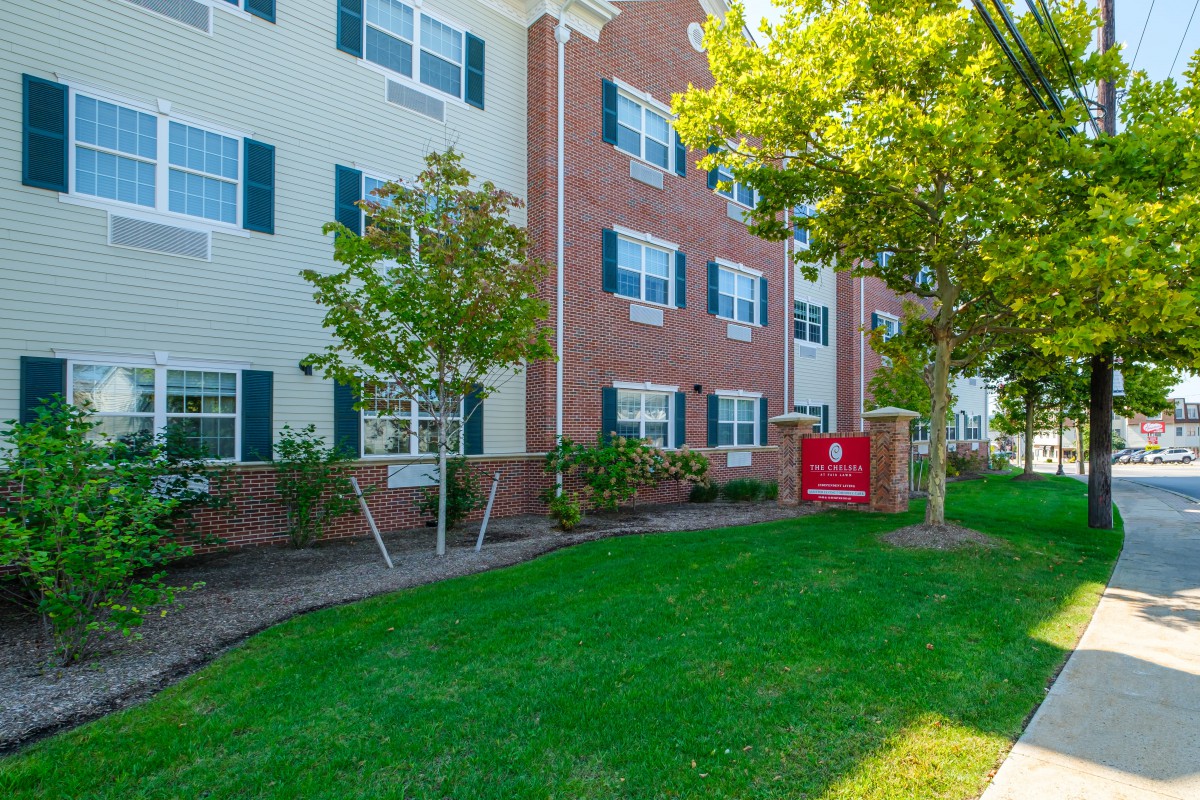
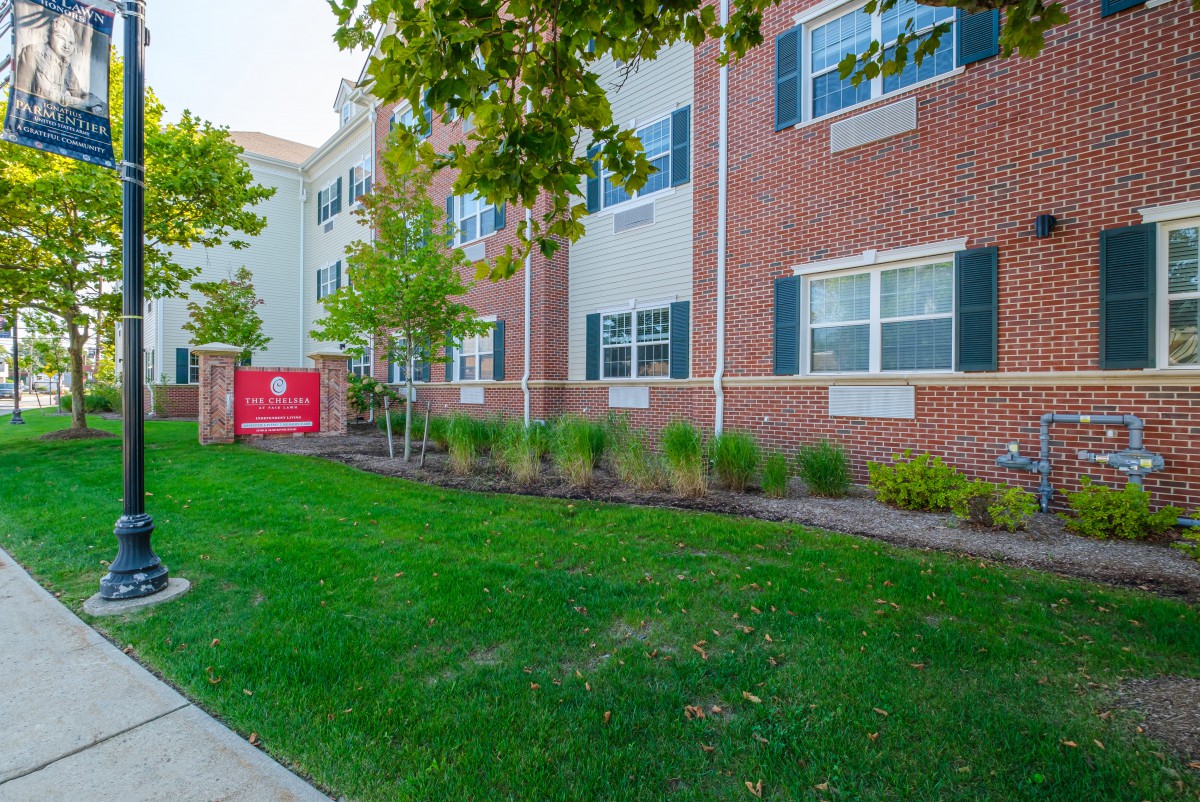
On the upside, the major advantages drive meaningful daily benefits. The facility is brand-new, with bright, open common spaces that feel welcoming rather than clinical, which helps residents settle in quickly. The caregiving team is described as compassionate, available, and consistently kind, translating into reliable responsiveness and a reassuring sense that needs are seen and addressed. Residents tend to be out of their rooms, engaged in meals, activities, and social time, and the campus strategy to mix cottage memory-care residents with other residents when appropriate helps preserve belonging and community cohesion. The presence of on-site physicians and an accessible medical director reduces the friction of coordinating care, drawing families closer because medical questions and changes can be managed with less disruption. Leadership continuity, particularly the approachability of Jamie and Kevin, further supports smooth transitions between living options as health or preferences shift.

Nevertheless, several caveats deserve careful consideration. The billing and assessment friction mentioned by at least one reviewer suggests a potential bottleneck in the financial and care-planning process that can unsettle families during a move or escalation in needs. Memory-care management has included episodes where medication changes occurred without family or physician consultation, raising legitimate concerns about safety and stability. While many residents thrive under the Cottage leadership, a pattern of care decisions without robust family involvement can undermine confidence in the overall program. Staffing turnover, though managed by a generally capable team, can create short-lived inconsistencies in routine and familiarity. Finally, dining experiences appeared to shift after the blended AL/IL model, some residents felt meals were not as flavorful or timely, an important detail given how integral daily meals are to mood and engagement.

Despite these concerns, the Chelsea’s strengths tend to compensate for most families’ practical needs. The environment is genuinely hospitable, and caregivers are practiced at balancing respect with efficiency, creating dependable daily rhythms that families can rely on. The integrated campus architecture minimizes the fragmentation common in multi-location setups, which matters when a resident’s needs evolve. The Cottage’s leadership and the emphasis on meaningful activities help memory-care residents stay connected to peers and programs, not sidelined in an impersonal unit. When transitions between levels of care occur, staff demonstrate a proactive posture, guiding families through the process with clarity and empathy. In short, for families prioritizing warmth, ease of care coordination, and a sense of community, these combined strengths often outweigh the occasional administrative snag.

For anyone evaluating The Chelsea at Fair Lawn, the practical next step is to verify care alignment in granular detail. Ask for a sample care plan for memory-care residents, request a transparent, line-item cost breakdown with anticipated escalators, and insist on a clear medication-change protocol that involves families and the resident’s physician. Schedule time to meet Lucy Panchoo, Jamie Bustos, and the front-line caregiving teams, and request to observe a Cottage session to gauge how engagement and supervision are actually executed. Confirm the transition pathways between independent living, assisted living, and memory care, including roommate matching, activity participation, and family communication channels during declines or escalations. If proximity to family, consistently available on-site medical staff, and a thoroughly social, well-run campus top your list, The Chelsea presents a compelling, practical fit. If the priority is ironclad cost predictability or exceptionally specialized dementia programming, it remains wise to compare several options before committing.

Features

Types of Care

  • Assisted Living Assisted LivingAssisted living facilities provide crucial support and care for seniors who may need help with daily tasks such as medication management, bathing, and meal preparation. These communities offer a safe and comfortable environment where seniors can maintain their independence while receiving the assistance they need to thrive in their golden years.
  • Independent Living Independent LivingIndependent living communities are important for seniors because they offer a safe and supportive environment where older adults can live independently while still having access to amenities and services that enhance their quality of life. These communities provide social opportunities, recreational activities, and assistance with daily tasks, promoting overall well-being and allowing seniors to maintain their independence for as long as possible.
  • Memory Care Memory CareMemory care is crucial for seniors as it provides specialized support and services for individuals with dementia or Alzheimer's disease. These programs offer a safe and secure environment where residents receive personalized care, cognitive stimulation, and help with daily activities. Memory care helps seniors maintain their independence, quality of life, and dignity while also providing peace of mind for their families.

Amenities

  • Activities on-site Activities on-siteActivities on-site are important for seniors because they provide opportunities for socialization, mental stimulation, physical activity, and overall well-being. Engaging in activities can help seniors stay active, maintain their independence, and improve their quality of life.
  • Air-conditioning Air-conditioningAir conditioning is important for seniors as they are more vulnerable to heat-related illnesses and may have underlying health conditions that make it difficult for them to regulate their body temperature. It helps to keep them comfortable, safe, and healthy in hot weather.
  • Beautician on-site Beautician on-siteHaving a beautician on-site at a senior living community is important for seniors as it allows them to easily access grooming and personal care services, boosting their self-esteem and overall well-being. It also provides convenience and helps seniors maintain their sense of independence and personal style.
  • Cable or satellite TV Cable or satellite TVCable or satellite TV is important for seniors because it provides entertainment, news, and companionship, helping to combat loneliness and boredom. It also offers a wide range of programming options tailored to different interests and preferences.
  • Devotional services off-site Devotional services off-siteDevotional services off-site are important for seniors as they provide spiritual nourishment, social engagement, and a sense of community outside of the senior living facility. This can enhance overall well-being and help combat feelings of isolation and loneliness often experienced by older adults.
  • Fully furnished Fully furnishedFully furnished senior living communities are important for seniors because they provide convenience, comfort, and a hassle-free moving experience. Seniors can easily settle into their new living space without the stress of having to buy and move furniture. This allows them to focus on enjoying their new home and community.
  • Garden GardenGardens are important for seniors as they provide a peaceful and therapeutic environment for relaxation, physical activity, and socialization. Being in nature has been shown to reduce stress, improve mood, and promote overall well-being. Gardens also offer opportunities for seniors to engage in gardening activities, which can improve mobility, flexibility, and cognitive function. Additionally, gardens create a sense of community and connection with others who share a passion for plants and outdoor spaces.
  • Housekeeping services Housekeeping servicesHousekeeping services are important for seniors because they help maintain a clean and safe living environment, promote independence, and reduce the risk of accidents or illnesses. Additionally, having assistance with household chores can alleviate physical strain and allow seniors to focus on other aspects of their well-being.
  • Indoor common areas Indoor common areasIndoor common areas are crucial for seniors as they provide a space for socialization, recreation, and community engagement, promoting overall well-being and reducing feelings of isolation and loneliness.
  • Kitchenette KitchenetteKitchenettes are important for seniors living in senior living communities because they provide the convenience and independence of being able to prepare simple meals and snacks in the comfort of their own living space. This can help promote a sense of autonomy and well-being for seniors, allowing them to maintain some level of control over their dietary choices and daily routines.
  • Move-in coordination Move-in coordinationMove-in coordination is important for seniors because it helps ease the transition into their new living environment. It ensures that all logistics, such as packing, organizing movers, and setting up utilities are taken care of, allowing seniors to focus on settling in and adjusting to their new home. Having a smooth move-in process can alleviate stress and anxiety, making the transition smoother and more enjoyable for seniors.
  • Outdoor common areas Outdoor common areasOutdoor common areas are important for seniors as they provide a space for socialization, physical activity, and relaxation. Being outside in nature can improve mood and overall well-being, while also encouraging movement and engagement with others. These spaces can help combat feelings of isolation and promote a sense of community among residents.
  • Outdoor space Outdoor spaceOutdoor spaces are important for seniors as they provide opportunities for physical activity, social interaction, exposure to natural light and fresh air, and a sense of connection to nature. Having access to outdoor spaces can improve overall well-being and quality of life for older adults living in senior communities.
  • Respite or short term stays offered Respite or short term stays offeredRespite or short term stays provide seniors with a temporary solution when their regular caregiver is unavailable, offering them the opportunity to receive additional care and support during times of need, while also giving caregivers a chance to rest and recharge.
  • Wheelchair accessible showers Wheelchair accessible showersWheelchair accessible showers are crucial for seniors as they provide a safe and independent bathing option for those with mobility challenges. These showers help prevent falls and allow seniors to maintain their dignity and autonomy while ensuring they can bathe comfortably.
  • Wi-Fi/high-speed internet available Wi-Fi/high-speed internet availableWi-Fi/high-speed internet is important for seniors to stay connected with loved ones, access online resources, and participate in virtual activities to combat feelings of loneliness and isolation. It also allows them to easily manage healthcare needs, access entertainment, and engage in lifelong learning opportunities.

Transportation

  • Newark International (17 miles away) Newark International (17 miles away)
  • LaGuardia (18 miles away) LaGuardia (18 miles away)
  • Westchester Cty (24 miles away) Westchester Cty (24 miles away)

Care Services

  • 24-hour supervision 24-hour supervision24-hour supervision is important for seniors to ensure their safety, well-being, and access to immediate assistance in case of emergencies or health issues. This constant support provides peace of mind for both seniors and their loved ones, allowing them to age in place with dignity and security.
  • Activities of daily living assistance Activities of daily living assistanceActivities of daily living assistance are important for seniors because they provide essential support with tasks such as eating, bathing, dressing, and mobility. This assistance helps seniors maintain their independence, dignity, and overall quality of life as they age.
  • Ambulatory care Ambulatory care"Ambulatory care services provide essential medical support and treatment to seniors without requiring hospitalization, allowing them to maintain their independence and quality of life while managing chronic conditions or receiving routine medical care."
  • Assistance with bathing Assistance with bathingAssistance with bathing is crucial for seniors as it helps maintain personal hygiene, prevents infections, and ensures their overall well-being and comfort. It also provides a sense of dignity and independence for seniors who may struggle with this task on their own.
  • Assistance with dressing Assistance with dressingAssistance with dressing is important for seniors because it helps maintain their independence, promotes personal hygiene, prevents accidents and injuries, and improves overall quality of life. This service ensures that seniors can continue to dress comfortably and confidently, despite any physical limitations they may have.
  • Assistance with transfers Assistance with transfersAssistance with transfers is crucial for seniors as it helps prevent falls and injuries, maintains their independence, and ensures they can safely navigate their living environment. It also provides peace of mind for both seniors and their loved ones.
  • Diabetes diet Diabetes dietA diabetes diet is crucial for seniors as it helps manage blood sugar levels, reduce risks of complications, and improve overall health and well-being. By following a balanced and nutritious diet tailored to their specific needs, seniors can better control their diabetes and enhance their quality of life.
  • Diabetic care Diabetic careDiabetic care is crucial for seniors as they are more susceptible to developing diabetes due to aging and other health conditions. Proper management of diabetes can help prevent complications such as heart disease, vision loss, and nerve damage, improving the overall quality of life for seniors in senior living communities.
  • High acuity care High acuity careHigh acuity care is important for seniors because it provides specialized medical attention and support for individuals with complex medical needs. This level of care ensures that seniors receive the appropriate treatment and assistance to maintain their health and quality of life as they age.
  • Incontinence care Incontinence careIncontinence care is essential for seniors to maintain their dignity, hygiene, and overall quality of life. By addressing incontinence issues promptly and effectively, seniors can enjoy a sense of independence and comfort in their daily activities.
  • Meal preparation and service Meal preparation and serviceMeal preparation and service are crucial for seniors as they may have limited mobility or energy to cook nutritious meals. Having access to healthy and convenient food options can ensure they are getting the proper nutrition needed to maintain their overall health and well-being.
  • Medication management Medication managementMedication management is crucial for seniors to ensure they are taking the right medications at the correct dosages and times. This helps prevent adverse drug interactions, reduces the risk of medication errors, and promotes overall health and well-being. Proactive management also allows for adjustments as needed based on changing health conditions or new prescriptions.
  • Mental wellness program Mental wellness programMental wellness programs are essential for seniors as they promote cognitive stimulation, emotional support, and social engagement. These programs help prevent isolation, depression, and cognitive decline, ultimately enhancing the overall quality of life for older adults.
  • Mild cognitive impairment Mild cognitive impairment"Mild cognitive impairment" is important for seniors because it is an early stage of cognitive decline that can potentially progress to more severe conditions such as dementia. Recognizing and addressing mild cognitive impairment can help seniors receive appropriate care and support to maintain their quality of life and independence for as long as possible.
  • Special dietary restrictions Special dietary restrictionsSpecial dietary restrictions are important for seniors because age-related changes in metabolism and health conditions can make it difficult for their bodies to process certain foods. By following a diet tailored to their specific needs, seniors can maintain their overall health and well-being, manage chronic conditions, and reduce the risk of complications such as malnutrition or food interactions with medications.
  • Specialized memory care programming Specialized memory care programmingSpecialized memory care programming is crucial for seniors with cognitive impairments such as dementia or Alzheimer's disease. These programs provide a safe and supportive environment tailored to the unique needs of individuals with memory loss, helping them maintain their independence, dignity, and quality of life.

Dining

  • Diabetes diet Diabetes dietA diabetes diet is crucial for seniors as it helps manage blood sugar levels, reduce risks of complications, and improve overall health and well-being. By following a balanced and nutritious diet tailored to their specific needs, seniors can better control their diabetes and enhance their quality of life.
  • Meals provided Meals provided"Meals provided" are crucial for seniors in assisted living communities as it ensures they have access to nutritious, balanced meals without the stress of meal planning and preparation. This can help promote overall health and well-being for seniors who may have limited mobility or cognitive abilities.
  • Restaurant style dining Restaurant style diningRestaurant style dining is important for seniors as it offers them a social and enjoyable dining experience, promotes healthy eating habits, and provides personalized menu options to cater to their dietary needs and preferences. This type of dining setting can enhance their overall quality of life and create a sense of community within the senior living facility.
  • Special dietary restrictions Special dietary restrictionsSpecial dietary restrictions are important for seniors because age-related changes in metabolism and health conditions can make it difficult for their bodies to process certain foods. By following a diet tailored to their specific needs, seniors can maintain their overall health and well-being, manage chronic conditions, and reduce the risk of complications such as malnutrition or food interactions with medications.

Activities

  • Activities on-site Activities on-siteActivities on-site are important for seniors because they provide opportunities for socialization, mental stimulation, physical activity, and overall well-being. Engaging in activities can help seniors stay active, maintain their independence, and improve their quality of life.
  • Art classes Art classesArt classes are important for seniors because they provide a creative outlet, improve cognitive function, reduce stress and anxiety, promote socialization, and enhance overall well-being and quality of life.
  • Community-sponsored activities Community-sponsored activitiesCommunity-sponsored activities are important for seniors as they provide opportunities for social interaction, mental stimulation, and physical activity. These activities can help improve overall well-being, combat loneliness and isolation, and promote a sense of belonging and purpose among older adults.
  • Cooking classes Cooking classesCooking classes are important for seniors as they provide opportunities for social interaction, enhance cognitive skills, promote healthy eating habits, and boost confidence in the kitchen.
  • Day trips and outings Day trips and outingsDay trips and outings are important for seniors as they provide opportunities for socialization, mental stimulation, physical activity, and a break from daily routines. These experiences can enhance overall well-being and quality of life for older adults living in senior communities.
  • Devotional activities offsite Devotional activities offsiteDevotional activities offsite are important for seniors because they provide social engagement, spiritual growth, and a sense of community outside of their living environment. This can improve overall well-being, mental health, and combat feelings of isolation or loneliness.
  • Educational speakers / life long learning Educational speakers / life long learningEducational speakers and lifelong learning opportunities are crucial for seniors as they provide mental stimulation, promote social engagement, and contribute to overall well-being. Continuous learning helps seniors stay mentally sharp, build new skills, and maintain a sense of purpose and fulfillment in their lives. It also allows them to stay connected to the world around them and fosters a sense of community within senior living facilities.
  • Gardening club Gardening clubGardening clubs are important for seniors because they provide a sense of community, promote physical activity and mental well-being, and offer opportunities for socialization and connection with nature. Gardening can also improve cognitive function and overall quality of life for seniors.
  • Happy hour Happy hourHappy hour is important for seniors as it provides a social activity that promotes camaraderie and reduces feelings of loneliness or isolation. It also offers an opportunity for older adults to relax, unwind, and enjoy some drinks or snacks in a fun and welcoming atmosphere.
  • Live dance or theater performances Live dance or theater performancesLive dance or theater performances are important for seniors because they provide opportunities for socialization, mental stimulation, and emotional engagement. These performances can help combat feelings of isolation and loneliness, while also offering a sense of connection to the arts and culture. Additionally, watching live performances can bring joy and create lasting memories for seniors in their later years.
  • Live musical performances Live musical performancesLive musical performances can provide seniors with a sense of joy, nostalgia, and connection. Music has the power to evoke emotions and memories, improve mood and cognitive function, and foster social interaction among seniors. It can also serve as a form of therapy and stress relief for older adults, making it an important activity to include in senior living communities.
  • Scheduled daily activities Scheduled daily activitiesScheduled daily activities are important for seniors because they provide structure, socialization, mental stimulation, and physical activity. Engaging in regular activities can improve overall well-being and quality of life for seniors living in a community setting.
  • Wii bowling Wii bowlingWii bowling is important for seniors as it provides a fun and engaging way to stay active, socialize, and improve hand-eye coordination. It can help prevent isolation, boost mental well-being, and promote physical fitness in a safe and accessible manner.
  • Yoga / chair yoga Yoga / chair yogaYoga and chair yoga are important for seniors as they promote flexibility, balance, strength, and overall wellbeing. These practices can help improve mobility, reduce stress, and enhance mental clarity, ultimately leading to a higher quality of life in their senior years.

Description

The Chelsea at Fair Lawn in Fair Lawn, NJ offers a range of care services and amenities to meet the needs of its residents. With options for both Independent Living and Memory Care, individuals can choose the level of support that best suits their lifestyle.

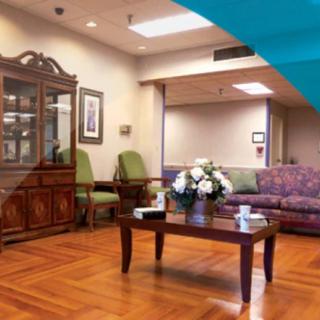
Residents can enjoy comfortable living spaces with air-conditioning and cable or satellite TV. The community also provides housekeeping services, ensuring a clean and tidy environment. There are indoor common areas where residents can socialize and relax, as well as outdoor common areas and a garden for those who enjoy spending time outdoors.

For individuals requiring assistance with daily activities, the community offers various care services. Trained staff members are available to provide assistance with bathing, dressing, transfers, and other tasks. Specialized memory care programming is available for those with mild cognitive impairment or dementia.

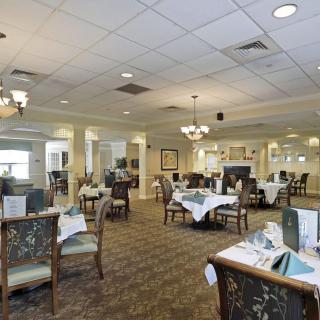
Dining at The Chelsea at Fair Lawn is a delightful experience. Meals are provided in a restaurant-style setting, and special dietary restrictions can be accommodated. Residents can also participate in cooking classes to engage their culinary interests.

The community promotes an active lifestyle by offering a wide range of activities. Art classes, educational speakers, gardening club, happy hour events, live dance or theater performances, and yoga sessions are just a few examples of the engaging activities available to residents. Day trips and outings are also organized regularly.

Located conveniently nearby are cafes, parks, pharmacies, physicians' offices, restaurants, places of worship, theaters, hospitals, and transportation options. This makes it easy for residents to access amenities and services that they might need outside of the community.

With its comprehensive range of care services and amenities combined with its convenient location near essential facilities in Fair Lawn, The Chelsea at Fair Lawn provides an ideal assisted living community for individuals seeking support while maintaining independence and enjoying an active lifestyle.

Nearby Places of Interest

Pharmacies

  • CVS Pharmacy (0.9 miles)
  • Walgreens (1.4 miles)
  • CVS Pharmacy (1.8 miles)
  • CVS Pharmacy (2.9 miles)
  • Walgreens (3.2 miles)
  • CVS Pharmacy (3.3 miles)
  • CVS Pharmacy (3.9 miles)

Transportation

  • NJT - Hawthorne Station (1 miles)
  • NJT - Waldwick Station (5.2 miles)
  • IHA Arbor Road Bus Stop (6.7 miles)

Places of Worship

  • Community Church Of Glen Rock (1.8 miles)
  • All Saints Episcopal Church (1.9 miles)
  • Hawthorne Gospel Church (3 miles)
  • Clifton Blue Mosque (4.4 miles)
  • Bais Torah U'tefilah (5.8 miles)
  • Immaculate Heart Of Mary School (6.2 miles)
  • Ahavas Israel (6.2 miles)

Parks

  • Saddle River County Park - Dunkerhook Area (2.1 miles)
  • Saddle River County Park (2.2 miles)
  • Paterson Great Falls National Historical Park (2.8 miles)
  • Van Saun County Park (4.4 miles)
  • Rutherford Memorial Park (6.5 miles)
  • Anderson Park (7.7 miles)

Physicians

  • Paterson Community Health Center (2.1 miles)
  • Christian Health Care Center () (3.7 miles)
  • Dr Mondana S. Yazdi, MD (5.6 miles)
  • Costello Oral Surgery Associates (6.9 miles)
  • Retina Associates of New Jersey PA (7 miles)
  • Kayal Orthopedic - Westwood (7.1 miles)
  • Tenafly Pediatrics (8.2 miles)

Restaurants

  • Van Dyke Ice Cream (2.8 miles)
  • La Ziza (3.2 miles)
  • Suburban Diner (3.4 miles)
  • The Capital Grille (3.4 miles)
  • Popeyes Louisiana Kitchen (3.8 miles)
  • McDonald's (3.9 miles)
  • Park Wood Deli (4 miles)

Hospitals

  • St Joseph's Regional Medical Center (2.9 miles)
  • The Valley Hospital (3.7 miles)
  • Hackensack Meridian Health Pascack Valley Medical Center (7.1 miles)
  • Holy Name Medical Center (7.5 miles)

Theaters

  • Dreamscape at AMC Garden State Plaza (3.4 miles)
  • AMC DINE-IN Shops At Riverside 9 (5.9 miles)
  • Cinemark (7.4 miles)
  • AMC Clifton Commons 16 (7.5 miles)

Cafes

  • Starbucks (3.4 miles)
  • Starbucks (3.7 miles)
  • Starbucks (4.1 miles)
  • Willow & Whisk (5.5 miles)
  • Bogota Press Cafe (6.4 miles)
  • Panera Bread (6.9 miles)
  • Starbucks (7.4 miles)

Frequently Asked Questions

How much does it cost to live at The Chelsea at Fair Lawn in Fair Lawn, NJ?
Where is The Chelsea at Fair Lawn?
Does The Chelsea at Fair Lawn provide care for residents with dementia or Alzheimer's disease?
What photos are available for The Chelsea at Fair Lawn in Fair Lawn, New Jersey?

Nearby Communities

  • Complete Care At Passaic County

    Complete Care At Passaic County

    Paterson, NJ

    4.7 from 110 reviews
     

    pro Extensive on-site amenities and 24/7 supervision with transportation for medical and non-medical needs.
  • Federation Apartments

    Federation Apartments

    Paterson, NJ

    3.9 from 10 reviews
     

    pro Friendly, supportive community with attentive staff and well-maintained facilities.

  • Helping Hands Inc

    Helping Hands Inc

    Paterson, NJ


    pro Close to pharmacies, doctors, parks, restaurants, worship venues, theater, and hospital.

  • Barnert Subacute Rehabilitation Center

    Barnert Subacute Rehabilitation Center

    Paterson, NJ

    4.7 from 110 reviews
     

    pro Comprehensive on-site amenities and 24/7 supervision.

  • Always There Home Health Care

    Always There Home Health Care

    Hawthorne, NJ

    3.9 from 7 reviews
     

    pro Well-connected with abundant nearby amenities and services.

  • Freedom Village

    Freedom Village

    Paterson, NJ

    3.2 from 14 reviews
    $1,098 / month

    pro Clean and secure environment with a friendly resident community and some responsive management.

  • Van Dyk Park Place

    Van Dyk Park Place

    Hawthorne, NJ

    4.8 from 67 reviews
    $4,950 to $7,500 / month

    pro Compassionate staff in a welcoming, home-like setting with engaging activities.

  • Harmony Village at CareOne Paramus

    Harmony Village at CareOne Paramus

    Paramus, NJ

    4.4 from 63 reviews
    $6,760 to $11,440 / month

    pro Compassionate staff, strong dementia-focused care, and a beautiful, well-maintained campus with varied activities.

  • Juniper Village at Paramus

    Juniper Village at Paramus

    Paramus, NJ

    4.6 from 111 reviews
    $3,995 to $9,065 / month

    pro Engaged staff, varied activities, and a clean, welcoming community.

Related Resources

  • does medicaid pay for assisted livingUnderstanding Medicaid Coverage for Assisted Living: A Comprehensive Guide

    The guide outlines the complexities of Medicaid coverage for assisted living, highlighting significant state-to-state variations, limited coverage often restricted to personal care services, and the existence of specialized waivers for certain needs like memory care. It advises families to consult local Medicaid offices for options while emphasizing the importance of understanding state-specific regulations and facility policies.

  • does medicaid pay for assisted livingHow and When Medicaid May Cover Assisted Living Costs

    Medicaid coverage for assisted living varies by state and is primarily available to low-income individuals, with eligibility dependent on strict income and asset limits. Some states offer HCBS waivers for specific services in assisted living, but families must generally cover room and board costs, and should verify facility acceptance of Medicaid while considering potential waiting lists.

  • assisted living waiver programA Detailed Exploration of Assisted Living Medicaid Waivers Across the United States
    Medicaid waivers for assisted living services provide vital support for seniors and individuals with disabilities in need of long-term care, with varying state-specific eligibility criteria and benefits. These waivers cover personal care and case management but often do not fully cover room and board, leading to waiting lists for many applicants.