

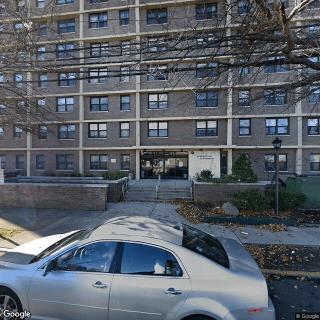
383 Lafayette Ave, Hawthorne, NJ 07506
To contact a resident: (973) 427-7459
For more information about senior living options: (866) 208-4318
Overall Review of Always There Home Health Care
Pros
 They provide great service.
- Mom’s assistant was professional, knowledgeable, and compassionate.
- She treated Mom with respect and as if she was part of her family.
- Always There in Hawthorne is a wonderful home health care agency.
- The office staff and nurse are always kind, helpful, and professional.
- They have had the most wonderful aide for over a year, and she is very reliable.
Cons
 They are very unprofessional.
- They have waited close to two months for an aide for their mother and have not received even a courtesy call from anyone.
- They called twice and were told that the nurse would call back, but never did.
- They had to take time off work to care for their mother after a surgery, and the insurance hadn’t even submitted a request for an authorization.
- No one knows anything and they are rude.
Review
Always There Home Health Care in Hawthorne, NJ is best suited for families seeking a deeply human, relationship-driven in-home care experience. The ideal client is someone who thrives with a warm, respectful aide who becomes a trusted part of the daily routine, preferably in a live-in or regular visiting arrangement where continuity matters more than speed of placement. This agency shines when a stable caregiver is matched with a parent or spouse who values compassion, personal attention, and a family-like atmosphere. For families prioritizing genuine warmth, dignity, and a caregiver’s familiarity with a loved one’s preferences, this provider can deliver exceptionally meaningful support that extends beyond basic tasks.
However, there are clear reasons to consider alternatives for certain situations. If the priority is rapid staffing with guaranteed start dates, others may do better. If ongoing concerns about scheduling flexibility, prompt callback, or smooth insurance authorizations are non-negotiable, a larger agency with formalized escalation processes may be more reassuring. Similarly, for families needing strict, 24/7 coverage with consistently predictable scheduling, a provider with a broader staffing pool and stricter service-level commitments could reduce stress and potential gaps. These realities aren’t about denying the value of care here; they’re about aligning expectations with a model that emphasizes personal connection over rigid process control.
The strongest positives are concrete and meaningful: aides who are professional, knowledgeable, and genuinely compassionate; staff who treat clients with respect and as part of a family. When the right caregiver is in place, the care feels steady, attentive, and empowering for family members who rely on assistance. The office team is described as kind and helpful, with responsive communication in typical, well-functioning moments. These elements can create a powerful caregiving environment, especially for long-term arrangements where trust and rapport accumulate and become the backbone of daily life for a loved one.
Yet, the downsides are non-trivial and cannot be ignored in decision-making. Several accounts paint a pattern of communication gaps and inconsistent responsiveness, including lengthy waits for an aide and sparse outreach when issues arise. Insurance authorization delays and the absence of timely courtesy calls from the office undermine confidence during the critical early weeks of onboarding. A subset of reviewers also labeled interactions as unprofessional or rude, which directly threatens the emotional comfort that families weigh as heavily as clinical competence. These experiences illustrate a real risk: the very reliability that creates peace of mind in one scenario may become a source of stress in another.
From a practical perspective, success here hinges on proactive management by the family and a clear, written care plan. Prospective clients should demand a concrete start date, a designated primary liaison, and a guaranteed point of escalation if any issue arises. Building in contingencies, backup aides, a transparent schedule, and a defined process for authorizations, can convert a good caregiving relationship into a dependable one. Regular review points, with documented progress and satisfaction checks, help preserve the positive momentum when the inevitable hiccups occur.
Bottom line: Always There Home Health Care offers outstanding, person-centered care when a compatible caregiver is in place and communication channels are functioning smoothly. For families who prize warmth, continuity, and a sense that the caregiver becomes an extended family member, this provider can deliver exceptionally meaningful support. For those who cannot tolerate prolonged onboarding delays, inconsistent follow-up, or unprofessional interactions, it pays to explore alternatives with stronger guarantees on staffing, communication, and expedited authorizations. The recommended course is to engage with a candid intake that clarifies start dates, coverage expectations, and escalation procedures, then monitor progress closely for the first 60 days to confirm that the hoped-for harmony translates into dependable, long-term care.
 Newark International (18 miles away)






 Navigating the Financial Road to Nursing Home Care: In-Depth Guidance and Resources
 Supportive Employee Benefits That Help Caregivers Attain Better Work-Life Harmony
 Top Cars for Senior Drivers and Essential Safety Innovations