Inglemoor Center offers competitive pricing for its residential accommodations compared to both Bergen County and the broader New Jersey market. The monthly cost for a semi-private room at Inglemoor is $7,800, which is significantly higher than the average of $6,049 in Bergen County and $5,068 across the state. For those seeking a private room, Inglemoor's rate stands at $8,430, surpassing Bergen County's average of $7,503 and considerably exceeding the state average of $5,799. This pricing reflects Inglemoor Center's commitment to providing high-quality care and amenities that may contribute to the elevated costs. Overall, while Inglemoor Center's rates are above both county and state averages, they suggest an emphasis on exceptional services and personalized care tailored to residents' needs.
Floor plans
Inglemoor Center
Bergen County
New Jersey
Semi-Private
$7,800
$6,049
$5,068
Private
$8,430
$7,503
$5,799
Skilled Nursing Facilities with a similar price nearby
Residents and families consistently describe staff as kind, responsive, and professional.
A large share of reviewers say the staff feels friendly and caring, and several mention being treated with patience and respect. Multiple residents and family members also describe staff as professional and helpful with questions, daily support, and overall rehab care. A few reviewers specifically point to staff members guiding them through the process and keeping families informed about what’s happening.
common12 reviews mention this
Facility stays clean and calm
Many reviewers highlight a very clean, bright, and calming facility environment.
Cleanliness is a recurring positive theme, with reviewers directly calling the center clean, bright, and welcoming. Some also describe the setting as quiet or calming and mention a positive first impression on arrival. One negative review also raises cleanliness-related concerns, describing an unpleasant smell on entry.
common6 reviews mention this
Rehab and therapy support
Reviewers describe meaningful rehab therapy and day-to-day support.
Several reviewers mention rehab experiences such as physical or walking therapy, and others describe being well cared for during recovery after surgery. A few family members describe their loved ones receiving rehab, with outcomes like weight gain or a successful discharge after therapy. Even among critical reviews, care and treatment during stays is a central point of discussion.
common4 reviews mention this
Communication with families
Families often report that staff communicate updates and stay engaged.
Communication is a recurring theme, with reviewers saying family members are kept in the loop when issues come up. Some reviewers also describe strong responsiveness from staff and additional follow-up after admission or during the rehab stay. This theme supports a picture of families feeling included in care decisions and day-to-day progress.
caveat2 reviews mention this
Availability and care quality concerns
Some reviewers report serious frustrations with getting help and receiving appropriate care.
A couple of the lowest ratings describe problems that affected families quickly, including difficulty reaching the facility by phone and concerns about how care was handled. One reviewer also describes missing or inadequate basic items after surgery, along with rude behavior and an unpleasant experience during a short stay. These critiques stand in contrast to the many reviews that praise staff professionalism and overall care.
How we summarize
Counts show how many written reviews mention each theme; a review can touch several themes, and only frequently mentioned themes are displayed.
Features
Types of Care
Skilled Nursing Facility
Amenities
Private
Transportation
LaGuardia (9 miles away)
Newark International (16 miles away)
Westchester Cty (19 miles away)
John F Kennedy International (20 miles away)
Nearby Places of Interest
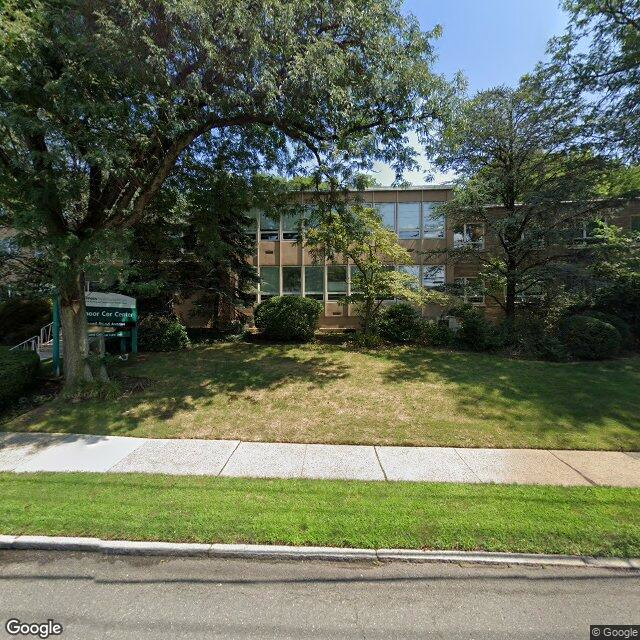
This part of Englewood, New Jersey, offers a serene and convenient location for senior living. With several parks such as Flat Rock Brook Nature Center and Riverdale Park nearby, residents can enjoy the beauty of nature and outdoor activities. The area also has access to various pharmacies like CVS and Walgreens, ensuring easy access to essential medications and healthcare needs. Additionally, there are reputable hospitals like Holy Name Medical Center and NewYork-Presbyterian Allen Hospital in close proximity for any medical emergencies. Seniors can dine at popular restaurants such as McDonald's and The River Palm Terrace or relax at cafes like Bogota Press Cafe and Starbucks. Public transportation options like MTA Subway stations provide easy travel around the city. Places of worship like The Riverdale Minyan are also available for spiritual needs, while physicians from Morgan Stanley Children's Hospital and other medical facilities offer quality healthcare services. Overall, this area provides a balanced mix of amenities suitable for comfortable senior living in Englewood.
Parks
Flat Rock Brook Nature Center (0.8 miles)
Inwood Hill Park (3.1 miles)
J. Hood Wright Park (3.1 miles)
Riverdale Park (3.4 miles)
St Nicholas Park (4.5 miles)
Van Saun County Park (5.1 miles)
Marcus Garvey Park (5.6 miles)
Pharmacies
CVS Pharmacy (1.2 miles)
CVS Pharmacy (1.5 miles)
Walgreens (1.9 miles)
Walgreens (2 miles)
CVS Pharmacy (3.5 miles)
Walgreens (3.6 miles)
Rite Aid (4 miles)
Hospitals
Holy Name Medical Center (1.7 miles)
Milstein Hospital Building (3.3 miles)
NewYork-Presbyterian Allen Hospital (3.4 miles)
Russ Berrie Medical Science Pavilion (3.5 miles)
Bronx VA Medical Center (3.9 miles)
St Barnabas Hospital (4.9 miles)
Manhattan Psychiatric Center (6.9 miles)
Restaurants
Kura Revolving Sushi Bar (1.9 miles)
McDonald's (1.9 miles)
McDonald's (2.6 miles)
The River Palm Terrace (2.8 miles)
Houston's (3.2 miles)
McDonald's (3.2 miles)
McDonald's (3.9 miles)
Transportation
MTA Subway - 190th St (2.9 miles)
MTA Subway - 181st St (2.9 miles)
MTA Subway - Dyckman St (3.1 miles)
MTA Subway - Inwood/207th St (3.2 miles)
MTA Subway - 168th St (3.4 miles)
Metro North - Riverdale Station (3.7 miles)
MTA Subway - Fordham Rd (4.4 miles)
Theaters
AMC DINE-IN Shops At Riverside 9 (3.1 miles)
Dreamscape at AMC Garden State Plaza (5.7 miles)
AMC Loews Lincoln Square 13 (7.4 miles)
Cafes
Bogota Press Cafe (3.2 miles)
Starbucks (3.9 miles)
Kuppi Coffee Company (4.3 miles)
Starbucks (4.8 miles)
Starbucks (5.1 miles)
Pier I Cafe (7.1 miles)
Ralph’s Café (7.6 miles)
Places of Worship
The Riverdale Minyan (3.4 miles)
Physicians
Morgan Stanley Children's Hospital (3.5 miles)
Park Medical Group PA (3.7 miles)
Cummings, Allegra Weill Cornell Medicine Obstetrics and Gynecology (6.8 miles)
Inglemoor Center offers competitive pricing for its residential accommodations compared to both Bergen County and the broader New Jersey market. The monthly cost for a semi-private room at Inglemoor is $7,800, which is significantly higher than the average of $6,049 in Bergen County and $5,068 across the state. For those seeking a private room, Inglemoor's rate stands at $8,430, surpassing Bergen County's average of $7,503 and considerably exceeding the state average of $5,799. This pricing reflects Inglemoor Center's commitment to providing high-quality care and amenities that may contribute to the elevated costs. Overall, while Inglemoor Center's rates are above both county and state averages, they suggest an emphasis on exceptional services and personalized care tailored to residents' needs.
The guide details ten essential responsibilities of senior caregivers, including personal care, mobility assistance, medication management, and emotional support, while emphasizing the importance of safety, nutrition, and maintaining a safe living environment to enhance seniors' quality of life and independence.
The article highlights nine memory-boosting activities for seniors that enhance cognitive health and social interaction, including puzzles, trivia quizzes, and storytelling, while emphasizing the importance of adapting these activities to individual preferences to maximize enjoyment and engagement. Consistent mental engagement is linked to improved cognitive function and emotional well-being in older adults.
Medicare provides limited coverage for skilled nursing home care, covering full benefits for the first 20 days and partial benefits up to 100 days under certain conditions, after which families must explore alternative funding options like Medicaid or long-term care insurance to manage potentially high costs. Proactive planning is essential to navigate the complexities of financing ongoing care once Medicare coverage ends.
Get PricingAsk A QuestionSchedule A TourContact Senior Advisor
By clicking submit, you agree to our Partner's Terms of Use. You
also consent to receive calls and texts, which may be autodialed, from our Partner. Your consent is not a condition to
using our Partner's service. Please visit our Partner's Privacy Policy for information about their privacy practices.

 Skilled Nursing Facility
 Private
 LaGuardia (9 miles away)
 Strong admissions support with private rooms and comprehensive memory care.
 Ten Vital Duties of a Senior Caregiver: A Comprehensive Guide
 9 Stimulating Memory Activities for Seniors: Puzzles, Cards, and Much More
 Managing Nursing Home Expenses After Medicare Coverage Ends