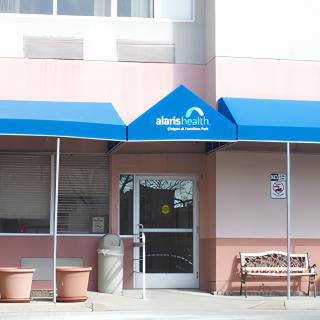
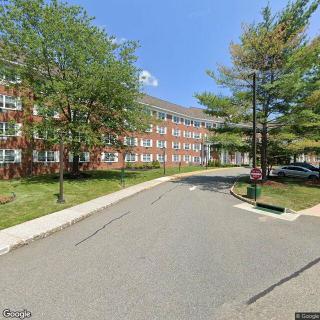
St Joseph's Healthcare And Rehab Center in Cedar Grove, NJ

Information last verified:

315 East Lindsley Road, Cedar Grove, NJ 07009

For more information about senior living options: (844) 490-3973

4.6 from 86 reviews
5 stars
70
4 stars
8
3 stars
1
2 stars
2
1 stars
5

Overall Review of St Joseph's Healthcare And Rehab Center

Pros

  • pro The facility is very clean and welcoming.
  • pro An aide named Ti was helpful and patient with a resident’s uncle.
  • pro St Vincent’s nursing home offers a caring, friendly environment with extremely supportive and kind staff.
  • pro The staff at St. Vincent are professionals who answer questions without hesitation and go the extra mile to meet residents’ needs.
  • pro This nursing home is a pleasant, safe, and well-run facility with helpful staff.
  • pro The staff are very attentive and kind, delivering professional and compassionate care that makes residents feel comfortable and at ease.
  • pro Complete Care @St Vincent’s is wonderful: the facility is clean, the grounds are well maintained, the staff are kind, meals are enjoyable, and activities are engaging.
  • pro Olu, the chief caregiver at Complete Care, provides outstanding dementia care and makes the dementia ward feel like home.

Cons

  • pro The facility deserves negative stars.
  • pro The scheduler is unprofessional and a liar.
  • pro The place demonstrates gross incompetence and is untrustworthy to care for a loved one.
  • pro There were endless issues, including lack of supervision over multiple residents in the common area.
  • pro The food was unspeakably awful, served at room temperature and looked or smelled disgusting.
  • pro A resident developed a bed sore due to care lapses.
  • pro The first floor resembled a false show room rather than a true living/care space.
  • pro Residents sometimes waited over two hours for assistance after ringing the call bell.

Review

This community is best suited for seniors who need short-term, rehab-focused skilled nursing with a strong emphasis on recovery through structured therapy, while also valuing a clean, welcoming environment and consistently compassionate care. Families pursuing subacute rehab or post-hospital rehabilitation will find the setting here conducive to progress: residents are described as well cared for by attentive CNAs and nurses, with therapy teams that design active, engaging programs. The facility’s atmosphere, immaculate rooms, well-kept grounds, and a calm, home-like vibe, supports emotional well-being during a vulnerable transition. Faith-forward or pastoral support is also noted by families as a meaningful complement to clinical care. However, for those evaluating long-term care with ongoing, comprehensive medical oversight or highly predictable administrative communication, this is an option that requires careful, visit-by-visit scrutiny rather than a guaranteed fit.

The strongest, recurring positives center on cleanliness, warmth, and hands-on attention from staff who are described as patient, kind, and dependable. Reviewers repeatedly highlight the facility as being very clean, well maintained, and safe, with aides and nurses who “go the extra mile” to answer questions and ease families’ worries. The rehabilitation program itself receives frequent praise: residents gain from dedicated PT/OT sessions, engaging activities, and meals that many families report as satisfactory. Caregivers such as particular nurses and aides garner trust for their bedside manner, while leadership and staff who focus on dementia care are cited as creating a sense of “home” for residents with memory needs. The presence of spiritual care and a broad activity slate also adds to overall resident satisfaction when recovery and daily living are the goals.

Yet, several reviews illuminate meaningful caveats. The most consequential concerns revolve around inconsistent follow-through, communication gaps, and discharge planning that can feel abrupt or poorly coordinated. A number of families describe long delays after call bells, missed updates about a loved one’s status, or challenging experiences during transitions out of the facility. There are explicit reports of pressure ulcers and situations where care fell short of expectations for acute attention, especially in long-term settings. A few reviewers recount discharges to outside hospitals without timely family notification, and a few accounts depict administrative responsiveness as irregular. While these experiences are not universal, they signal real risks for families prioritizing seamless, transparent care and steadfast responsiveness.

When the key pros align with the family’s priorities, rehab intensity, compassionate day-to-day care, and a calm environment, the center can meaningfully offset the most troubling cons. For families seeking to maximize functional gains, the robust rehab offerings, engaged therapy staff, and a setting that minimizes agitation or distress often translate into tangible improvement. The dementia care stories, with caregivers like Olu cited as transforming residents’ daily experience, demonstrate a depth of specializeed support that can offset uncertainties elsewhere. In short, for residents whose primary objective is rehabilitation and who can tolerate occasional administrative friction, the upside in care quality and progress can easily outweigh the drawbacks.

For anyone weighing this facility, concrete steps can guard against the more serious downsides. Begin with a detailed, written rehab plan that outlines goals, timelines, and who will review progress weekly. Request a designated point of contact for regular updates and schedule explicit family conferences to review changes in condition and discharge planning. Inquire about call-bell response times, staffing ratios on key shifts, and how quickly concerns are escalated. Probe specific experiences in long-term care, there are strong testimonials, but also emphatic warnings, and ask to meet the administrator or charge nurse to discuss any lingering concerns. Finally, tour the dementia care areas, if applicable, and ask about staff training, daily routines, and the availability of pastoral or spiritual services, ensuring the match with the loved one’s preferences.

Bottom line: this Cedar Grove center is a solid option for rehab-focused care, especially when a clean environment, attentive staff, and a full rehabilitation program are the top priorities. Families should feel confident about the quality of day-to-day care and the supportive, home-like atmosphere, while also recognizing that long-term stay concerns, especially around consistent communication and discharge management, require careful vetting. If the primary need is high-quality therapy and a compassionate care team, a thoughtful visit and frank conversations with administrators and frontline staff can confirm whether this community will meet expectations. If ongoing, unwavering oversight and pristine reliability in communication are nonnegotiable, it is wise to compare alternatives with a heavier emphasis on continuity of care and family collaboration before making a final commitment.

Features

Housing

  • 151 resident community capacity 151 resident community capacity

Types of Care

  • Skilled Nursing Facility Skilled Nursing FacilitySkilled Nursing Facilities are crucial for seniors as they provide round-the-clock medical care, rehabilitation services, and assistance with daily activities. These facilities ensure that seniors receive the specialized care they need to maintain their health and well-being as they age.

Amenities

  • Air-conditioning Air-conditioningAir conditioning is important for seniors as they are more vulnerable to heat-related illnesses and may have underlying health conditions that make it difficult for them to regulate their body temperature. It helps to keep them comfortable, safe, and healthy in hot weather.
  • Beauty salon Beauty salonBeauty salons are important for seniors because they provide a space for them to feel pampered, socialize, and maintain their personal grooming and hygiene. Regular visits to a beauty salon can help boost seniors' self-esteem and overall well-being.
  • Cable or satellite TV Cable or satellite TVCable or satellite TV is important for seniors because it provides entertainment, news, and companionship, helping to combat loneliness and boredom. It also offers a wide range of programming options tailored to different interests and preferences.
  • Computer center Computer centerA computer center is essential for seniors as it provides access to technology, communication tools, and resources that can enhance their daily lives. It allows them to stay connected with loved ones, engage in online activities, and learn new skills, ultimately promoting socialization and mental stimulation.
  • Dining room Dining roomDining rooms are important for seniors as they provide a space for socialization, connection, and nutritious meals. They offer opportunities for residents to bond over shared meals, foster a sense of community, and promote healthy eating habits. Dining rooms also ensure that seniors have access to well-balanced meals tailored to their dietary needs and preferences.
  • Fitness room Fitness roomHaving a fitness room in a senior living community is essential for seniors to stay active, maintain their physical health, and improve their overall well-being. Regular exercise can help prevent falls, reduce the risk of chronic diseases, and promote mental sharpness. It also provides social opportunities for residents to connect with others and enjoy a sense of community.
  • Fully furnished Fully furnishedFully furnished senior living communities are important for seniors because they provide convenience, comfort, and a hassle-free moving experience. Seniors can easily settle into their new living space without the stress of having to buy and move furniture. This allows them to focus on enjoying their new home and community.
  • Gaming room Gaming roomGaming rooms are important for seniors as they provide a fun and engaging environment for socializing, cognitive stimulation, and physical activity. Games can improve memory, problem-solving skills, and overall mental well-being while fostering friendships and reducing feelings of isolation.
  • Garden GardenGardens are important for seniors as they provide a peaceful and therapeutic environment for relaxation, physical activity, and socialization. Being in nature has been shown to reduce stress, improve mood, and promote overall well-being. Gardens also offer opportunities for seniors to engage in gardening activities, which can improve mobility, flexibility, and cognitive function. Additionally, gardens create a sense of community and connection with others who share a passion for plants and outdoor spaces.
  • Housekeeping services Housekeeping servicesHousekeeping services are important for seniors because they help maintain a clean and safe living environment, promote independence, and reduce the risk of accidents or illnesses. Additionally, having assistance with household chores can alleviate physical strain and allow seniors to focus on other aspects of their well-being.
  • Kitchenette KitchenetteKitchenettes are important for seniors living in senior living communities because they provide the convenience and independence of being able to prepare simple meals and snacks in the comfort of their own living space. This can help promote a sense of autonomy and well-being for seniors, allowing them to maintain some level of control over their dietary choices and daily routines.
  • Move-in coordination Move-in coordinationMove-in coordination is important for seniors because it helps ease the transition into their new living environment. It ensures that all logistics, such as packing, organizing movers, and setting up utilities are taken care of, allowing seniors to focus on settling in and adjusting to their new home. Having a smooth move-in process can alleviate stress and anxiety, making the transition smoother and more enjoyable for seniors.
  • Outdoor space Outdoor spaceOutdoor spaces are important for seniors as they provide opportunities for physical activity, social interaction, exposure to natural light and fresh air, and a sense of connection to nature. Having access to outdoor spaces can improve overall well-being and quality of life for older adults living in senior communities.
  • Private bathrooms Private bathroomsPrivate bathrooms are important for seniors in senior living communities because they provide independence, dignity, and comfort. Having a private bathroom allows seniors to maintain their personal hygiene routines without the need for assistance, promoting a sense of autonomy and privacy. Additionally, private bathrooms help prevent the spread of infections and provide a safe and clean environment for seniors to navigate safely.
  • Restaurant-style dining Restaurant-style diningRestaurant-style dining is important for seniors because it allows them to enjoy delicious, nutritious meals in a social and upscale setting. This enhances their dining experience, promotes healthy eating habits, and fosters socialization with fellow residents, ultimately contributing to their overall well-being and quality of life.
  • Small library Small librarySmall libraries are important for seniors as they provide access to a variety of reading materials, including books, newspapers, and magazines. This can help stimulate their minds, keep them engaged, and provide a sense of community through book clubs and other social activities. Additionally, reading has been shown to improve cognitive function and overall mental well-being in older adults.
  • Telephone TelephoneTelephones are important for seniors as they provide a lifeline for communication with loved ones, emergency services, and healthcare providers. They offer a sense of security and independence, enabling seniors to stay connected and access assistance when needed.
  • Wellness center Wellness centerWellness centers are important for seniors because they offer a variety of programs and services that promote physical, mental, and emotional well-being. These centers provide opportunities for exercise, socialization, education, and relaxation, helping seniors maintain their overall health and quality of life.
  • Wi-Fi/high-speed internet available Wi-Fi/high-speed internet availableWi-Fi/high-speed internet is important for seniors to stay connected with loved ones, access online resources, and participate in virtual activities to combat feelings of loneliness and isolation. It also allows them to easily manage healthcare needs, access entertainment, and engage in lifelong learning opportunities.

Transportation

  • Newark International (13 miles away) Newark International (13 miles away)
  • LaGuardia (19 miles away) LaGuardia (19 miles away)
  • Community operated transportation Community operated transportationCommunity operated transportation is crucial for seniors as it provides them with the means to access essential services, social activities, and medical appointments. It allows seniors to maintain their independence and quality of life by ensuring they can participate in activities outside of their homes. Additionally, community-operated transportation services offer a safe and reliable way for seniors to travel without having to rely on family or friends for assistance.
  • Transportation arrangement Transportation arrangementTransportation arrangements are crucial for seniors as they may face challenges with driving, mobility, or access to public transportation. Having reliable transportation services ensures that seniors can easily attend appointments, social activities, and maintain their independence and quality of life.
  • Transportation arrangement (non-medical) Transportation arrangement (non-medical)Transportation arrangements are essential for seniors as they provide access to essential services, activities, and social interactions outside the home. This service helps maintain independence, mobility, and overall well-being for seniors who may have limited transportation options.
  • Transportation to doctors appointments Transportation to doctors appointmentsTransportation to doctors appointments is crucial for seniors as it ensures they have access to necessary medical care and support, promoting their health and well-being. It allows them to receive timely treatment, monitor existing conditions, and address any new health concerns efficiently. Additionally, transportation services can help seniors maintain their independence and quality of life by enabling them to stay connected with their healthcare providers.

Care Services

  • 12-16 hour nursing 12-16 hour nursing12-16 hour nursing care is crucial for seniors in order to ensure around-the-clock monitoring, timely medication administration, and prompt response to any health concerns or emergencies. This level of care helps to promote the overall well-being and safety of seniors living in senior living communities.
  • 24-hour call system 24-hour call system24-hour call systems are important for seniors because they provide peace of mind and immediate assistance in case of emergencies. This technology ensures that help is always available, promoting safety and security for elderly individuals living alone or in assisted living facilities.
  • 24-hour supervision 24-hour supervision24-hour supervision is important for seniors to ensure their safety, well-being, and access to immediate assistance in case of emergencies or health issues. This constant support provides peace of mind for both seniors and their loved ones, allowing them to age in place with dignity and security.
  • Activities of daily living assistance Activities of daily living assistanceActivities of daily living assistance are important for seniors because they provide essential support with tasks such as eating, bathing, dressing, and mobility. This assistance helps seniors maintain their independence, dignity, and overall quality of life as they age.
  • Assistance with bathing Assistance with bathingAssistance with bathing is crucial for seniors as it helps maintain personal hygiene, prevents infections, and ensures their overall well-being and comfort. It also provides a sense of dignity and independence for seniors who may struggle with this task on their own.
  • Assistance with dressing Assistance with dressingAssistance with dressing is important for seniors because it helps maintain their independence, promotes personal hygiene, prevents accidents and injuries, and improves overall quality of life. This service ensures that seniors can continue to dress comfortably and confidently, despite any physical limitations they may have.
  • Assistance with transfers Assistance with transfersAssistance with transfers is crucial for seniors as it helps prevent falls and injuries, maintains their independence, and ensures they can safely navigate their living environment. It also provides peace of mind for both seniors and their loved ones.
  • Diabetes diet Diabetes dietA diabetes diet is crucial for seniors as it helps manage blood sugar levels, reduce risks of complications, and improve overall health and well-being. By following a balanced and nutritious diet tailored to their specific needs, seniors can better control their diabetes and enhance their quality of life.
  • Meal preparation and service Meal preparation and serviceMeal preparation and service are crucial for seniors as they may have limited mobility or energy to cook nutritious meals. Having access to healthy and convenient food options can ensure they are getting the proper nutrition needed to maintain their overall health and well-being.
  • Medication management Medication managementMedication management is crucial for seniors to ensure they are taking the right medications at the correct dosages and times. This helps prevent adverse drug interactions, reduces the risk of medication errors, and promotes overall health and well-being. Proactive management also allows for adjustments as needed based on changing health conditions or new prescriptions.
  • Mental wellness program Mental wellness programMental wellness programs are essential for seniors as they promote cognitive stimulation, emotional support, and social engagement. These programs help prevent isolation, depression, and cognitive decline, ultimately enhancing the overall quality of life for older adults.
  • Special dietary restrictions Special dietary restrictionsSpecial dietary restrictions are important for seniors because age-related changes in metabolism and health conditions can make it difficult for their bodies to process certain foods. By following a diet tailored to their specific needs, seniors can maintain their overall health and well-being, manage chronic conditions, and reduce the risk of complications such as malnutrition or food interactions with medications.

Dining

  • Diabetes diet Diabetes dietA diabetes diet is crucial for seniors as it helps manage blood sugar levels, reduce risks of complications, and improve overall health and well-being. By following a balanced and nutritious diet tailored to their specific needs, seniors can better control their diabetes and enhance their quality of life.
  • Special dietary restrictions Special dietary restrictionsSpecial dietary restrictions are important for seniors because age-related changes in metabolism and health conditions can make it difficult for their bodies to process certain foods. By following a diet tailored to their specific needs, seniors can maintain their overall health and well-being, manage chronic conditions, and reduce the risk of complications such as malnutrition or food interactions with medications.

Activities

  • Community-sponsored activities Community-sponsored activitiesCommunity-sponsored activities are important for seniors as they provide opportunities for social interaction, mental stimulation, and physical activity. These activities can help improve overall well-being, combat loneliness and isolation, and promote a sense of belonging and purpose among older adults.
  • Concierge services Concierge servicesConcierge services are essential for seniors as they provide assistance with daily tasks and errands, enhance their quality of life by offering convenience and personalized care, and promote a sense of safety and security.
  • Fitness programs Fitness programsFitness programs are crucial for seniors as they help improve strength, flexibility, balance, and overall well-being. Staying active can reduce the risk of chronic diseases, improve mental health, and enhance quality of life in older adults.
  • Planned day trips Planned day tripsPlanned day trips are important for seniors because they offer opportunities for socialization, mental stimulation, and physical activity. They provide a change of scenery and help seniors stay engaged and connected to their community, promoting overall well-being and quality of life.
  • Resident-run activities Resident-run activitiesResident-run activities are important for seniors as they encourage social interaction, creativity, and a sense of autonomy. These activities empower seniors to stay engaged and active in their community while fostering meaningful connections with their peers.
  • Scheduled daily activities Scheduled daily activitiesScheduled daily activities are important for seniors because they provide structure, socialization, mental stimulation, and physical activity. Engaging in regular activities can improve overall well-being and quality of life for seniors living in a community setting.

Description

St. Joseph's Healthcare and Rehab Center in Cedar Grove, NJ, is an inviting assisted living community that offers a comprehensive range of amenities and care services designed to enhance the quality of life for its residents. The center boasts a variety of features to promote comfort and well-being, including a beauty salon, fully furnished accommodations, and private bathrooms. Residents can enjoy leisurely moments in the gaming room, garden, or small library, and stay active in the fitness room or wellness center.

Dining at St. Joseph's is a delightful experience with restaurant-style meals that cater to special dietary needs. The dining room offers a warm ambiance where residents can gather to enjoy nutritious meal preparation and service.

To support an engaging lifestyle, St. Joseph's provides numerous planned activities, including fitness programs, day trips, and resident-run events ensuring that there’s always something to look forward to. Concierge services further enhance convenience by assisting with various needs.

The dedicated staff ensures safety and peace of mind with 24-hour supervision and call systems while offering assistance with daily living activities such as bathing, dressing, and medication management. This holistic approach includes mental wellness programs tailored for individual needs.

Conveniently located near local amenities such as cafes, parks, pharmacies, restaurants, places of worship, theaters, and hospitals makes St. Joseph's an ideal choice for those seeking an enriching assisted living environment close to necessary services.

With transportation arrangements available for non-medical purposes and doctor’s appointments alike, residents can easily access everything Cedar Grove has to offer while enjoying the vibrant community atmosphere at St. Joseph's Healthcare and Rehab Center.

Nearby Places of Interest

Pharmacies

  • CVS Pharmacy (0.5 miles)
  • Walgreens (1.2 miles)
  • CVS Pharmacy (1.6 miles)
  • CVS Pharmacy (2.3 miles)
  • CVS Pharmacy (2.9 miles)
  • Walgreens (3.6 miles)
  • Walgreens (3.8 miles)

Cafes

  • Panera Bread (1.9 miles)
  • Starbucks (2.3 miles)
  • Paper Plane Coffee Co. (3.7 miles)
  • Starbucks (5.3 miles)
  • Starbucks (5.4 miles)
  • Panera Bread (5.6 miles)
  • Starbucks (7.8 miles)

Restaurants

  • Mercado Cafe & Kitchen (2.1 miles)
  • Applegate Farm (2.2 miles)
  • Yard House (2.4 miles)
  • Jose Tejas (2.8 miles)
  • Cloverleaf Tavern (3.5 miles)
  • Egan & Sons (3.7 miles)
  • Faubourg (3.8 miles)

Parks

  • Anderson Park (2.2 miles)
  • Edgemont Memorial Park (2.8 miles)
  • Paterson Great Falls National Historical Park (3.9 miles)
  • Degnan Memorial Park (5 miles)
  • Eagle Rock Reservation (5.1 miles)
  • South Mountain Reservation (5.3 miles)
  • Rutherford Memorial Park (5.8 miles)

Theaters

  • Cinemark (2.4 miles)
  • AMC Clifton Commons 16 (5.2 miles)
  • Dreamscape at AMC Garden State Plaza (8.3 miles)

Transportation

  • NJT - Watchung Station (2.9 miles)
  • NJT - Hawthorne Station (6.3 miles)
  • NJT - Brick Church Station (7.2 miles)
  • East Orange Station (7.5 miles)

Hospitals

  • St Joseph's Regional Medical Center (3.8 miles)
  • Chilton Memorial Hospital (7.6 miles)

Physicians

  • Summit Medical Group (3.8 miles)
  • Retina Associates of New Jersey PA (4.2 miles)
  • Paterson Community Health Center (4.6 miles)
  • Women First Health Center (4.7 miles)
  • Care Station Medical Group (5.6 miles)
  • Summit Medical Group (5.7 miles)
  • Changebridge Medical Associates (7.5 miles)

Places of Worship

  • Clifton Blue Mosque (4.1 miles)
  • Bais Torah U'tefilah (5.1 miles)
  • Ahavas Israel (5.2 miles)
  • Immaculate Heart Of Mary School (5.6 miles)
  • Hawthorne Gospel Church (8.1 miles)
  • Community Church Of Glen Rock (8.2 miles)

Frequently Asked Questions

Where is St Joseph's Healthcare And Rehab Center?

Nearby Communities

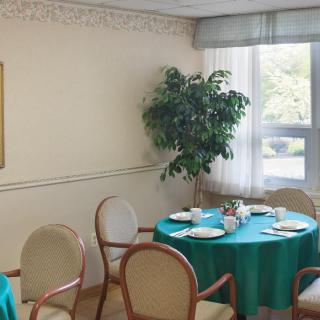
  • Four Seasons at Cedar Grove

    Four Seasons at Cedar Grove

    Cedar Grove, NJ

    4.5 from 12 reviews
     

    pro Quality care with meal support and medication management plus essential amenities.
  • Arbor Glen Center

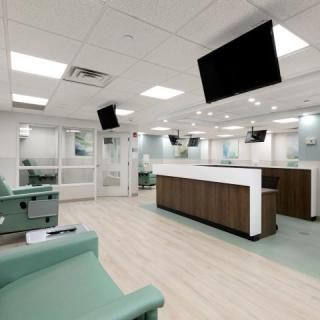
    Arbor Glen Center

    Cedar Grove, NJ

    4.2 from 113 reviews
    $8,850 to $9,515 / month

    pro Caring nursing and rehab staff with respectful, patient-focused care

  • Waterview Center

    Waterview Center

    Cedar Grove, NJ

    2.5 from 38 reviews
    $8,540 to $9,060 / month

    pro Compassionate staff and engaging activities in a well-maintained setting.

  • Complete Care at Cedar Grove

    Complete Care at Cedar Grove

    Cedar Grove, NJ

    4.5 from 119 reviews
     

    pro Some staff at Complete Care at Cedar Grove were described as caring and helpful; the facility provides 24-hour supervision and memory care programming.

  • Kessler Cedar Grove-CLOSED

    Kessler Cedar Grove-CLOSED

    Cedar Grove, NJ

    3.6 from 111 reviews
    $3,100 / month

    pro Convenient location with nearby healthcare services and amenities.

  • Alaris Health At Cedar Grove

    Alaris Health At Cedar Grove

    Cedar Grove, NJ

    3.8 from 100 reviews
     

    pro Wide range of amenities and 24/7 care support.

  • Sunrise of West Essex

    Sunrise of West Essex

    Fairfield, NJ

    4.1 from 67 reviews
    $8,190 to $9,690 / month

    pro Caring, professional staff in a warm, home-like memory care setting with engaging on-site activities.

  • Four Seasons at North Caldwell

    Four Seasons at North Caldwell

    North Caldwell, NJ


    pro Small, intimate community with essential care and nearby conveniences.

  • Marian Manor Housing

    Marian Manor Housing

    Caldwell, NJ

    3.8 from 5 reviews
     

    pro Excellent access to nearby amenities (cafes, parks, pharmacies, physicians, restaurants, transportation, theater).

Related Resources

  • palliative care vs hospiceUnderstanding the Nuances of Palliative Care and Hospice: A Comprehensive Exploration

    Palliative care focuses on alleviating distress at any stage of a serious illness and can accompany curative treatments, while hospice care is for those nearing the end of life with a prognosis of six months or less, emphasizing comfort over curative measures. Both prioritize holistic care for patients and families but differ in timing, goals, and scope.

  • fecal incontinenceFecal Incontinence in Older Adults: A Comprehensive Guide
    Fecal incontinence, prevalent among older adults, arises from factors like weakened pelvic muscles and nerve damage, significantly affecting well-being and social interactions. Diagnosis involves clinical evaluation and tests to inform tailored treatments, while caregivers and preventive measures can aid in managing the condition effectively.

  • gardening for seniorsNurturing Well-Being Through Gardening: A Detailed Guide for Senior Enthusiasts

    Gardening provides seniors with physical exercise, mental and emotional support, and social interaction opportunities, while accommodating their needs through raised beds and ergonomic tools. It promotes health benefits like improved dexterity and cardiovascular health, encourages sustainable practices, and allows for manageable upkeep with low-maintenance plants.