For more information about senior living options: (866) 208-4318
3.7 from 121 reviews
5 stars
65
4 stars
18
3 stars
3
2 stars
3
1 stars
32
Kessler Cedar Grove-CLOSED Costs & Pricing
Kessler Cedar Grove, now closed, offered competitive pricing for its private rooms at $3,100 per month, significantly lower than both the Passaic County average of $5,835 and the broader New Jersey state figure of $5,799. This pricing strategy made it an attractive option for individuals seeking quality care without the premium costs associated with other facilities in the region. By positioning itself more affordably within a landscape where monthly rates can be markedly higher, Kessler Cedar Grove aimed to provide accessible options for those in need of assisted living services.
Floor plans
Kessler Cedar Grove-CLOSED
Passaic County
New Jersey
Private
$3,100
$5,835
$5,799
Skilled Nursing Facilities with a similar price nearby
Residents and visitors mention the outdoor grounds as a calming benefit.
Multiple reviewers point to the property’s outdoor areas as something they appreciated during a stay or visit. People describe time spent in spots like a courtyard with a large tree and fish pond, as well as a separate outdoor garden area. One reviewer also credits the grounds with a more therapeutic atmosphere while receiving rehab.
caveat7 reviews mention this
Food quality draws complaints
Several reviewers complain about meals and meal quality.
Food comes up repeatedly as a weak point. Reviews describe meals as cold and awful, and several say patients do not want to eat or have to order food outside. A few also characterize dining as only fair or note specific issues like meals not matching restrictions. While some rehab-focused feedback is positive, the dining experience is a common source of disappointment.
caveat7 reviews mention this
Cleanliness is mixed
Some reviewers report cleanliness issues beyond normal upkeep.
Alongside praise for a clean facility, a separate set of reviews raises serious cleanliness concerns. Complaints include vermin like mice and roaches, bugs, and odors that reviewers associate with areas of the building. Others describe dirty conditions such as trash on the floor or bed linen not being cleaned on time. These negative accounts contrast with the more upbeat comments about cleanliness elsewhere in the review set.
common15 reviews mention this
Caring staff comes through clearly
Many reviewers say staff are kind, attentive, and supportive.
A large portion of feedback highlights staff kindness and responsiveness. Reviewers describe nurses, aides, therapists, and other team members as friendly and supportive, with help that makes visitors feel more comfortable. Some residents’ family members also mention being heard when questions come up, and a few praise specific communication and follow-through during care or discharge planning. At the same time, other reviews also criticize staffing levels and responsiveness, so the experience is uneven across the set.
How we summarize
Counts show how many written reviews mention each theme; a review can touch several themes, and only frequently mentioned themes are displayed.
Features
Types of Care
Skilled Nursing Facility
Transportation
Newark International (11 miles away)
LaGuardia (20 miles away)
Nearby Places of Interest
This part of Cedar Grove, New Jersey, offers a convenient and diverse range of amenities for seniors. With multiple pharmacies nearby, accessing medication and health supplies is easy. The area also boasts several parks for leisurely walks or outdoor activities, as well as various dining options catering to different preferences. Additionally, there are cafes for social gatherings and transportation options for getting around the area. Medical services are readily available with physicians and hospitals within reasonable distance. There are theaters nearby for entertainment purposes, along with places of worship for spiritual needs. Overall, this part of Cedar Grove provides a well-rounded community with essential resources for senior living.
Pharmacies
CVS Pharmacy (0.5 miles)
CVS Pharmacy (1.3 miles)
CVS Pharmacy (1.7 miles)
Walgreens (2.7 miles)
CVS Pharmacy (3 miles)
Walgreens (3 miles)
CVS Pharmacy (3.3 miles)
Parks
Anderson Park (1.6 miles)
Edgemont Memorial Park (1.8 miles)
Degnan Memorial Park (3.4 miles)
Eagle Rock Reservation (3.6 miles)
South Mountain Reservation (3.9 miles)
Paterson Great Falls National Historical Park (5.4 miles)
Kessler Cedar Grove, now closed, offered competitive pricing for its private rooms at $3,100 per month, significantly lower than both the Passaic County average of $5,835 and the broader New Jersey state figure of $5,799. This pricing strategy made it an attractive option for individuals seeking quality care without the premium costs associated with other facilities in the region. By positioning itself more affordably within a landscape where monthly rates can be markedly higher, Kessler Cedar Grove aimed to provide accessible options for those in need of assisted living services.
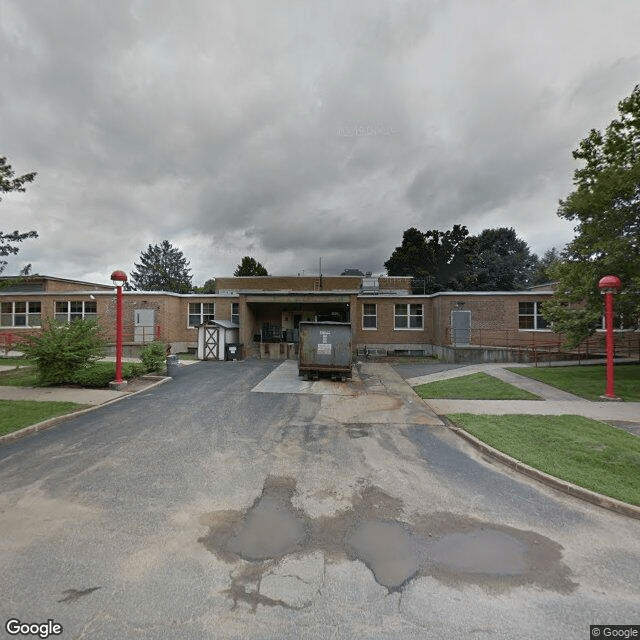
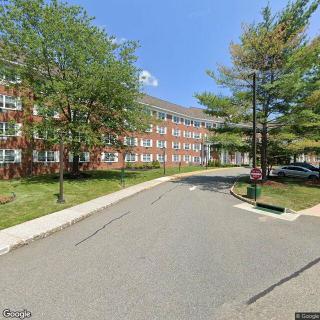
Kessler Cedar Grove-CLOSED is located at 110 Grove Ave, Cedar Grove, NJ 07009 in Passaic County, New Jersey
Nearby Communities
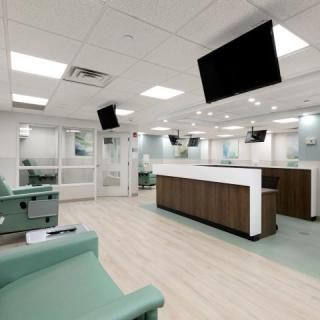
Alaris Health At Cedar Grove
Cedar Grove, NJ
3.8 from 100 reviews
Wide range of amenities and 24/7 care support.
Canterbury At Cedar Grove
Cedar Grove, NJ
3.6 from 35 reviews
Caring nursing staff and supportive therapists with friendly front-desk and social staff.
Verona Senior Citizens Housing
Verona, NJ
4.2 from 34 reviews
Excellent access to nearby cafes, parks, pharmacies, restaurants, and entertainment.
Waterview Center
Cedar Grove, NJ
2.5 from 38 reviews
$8,540 to $9,060 / month
Compassionate staff and engaging activities in a well-maintained setting.
Complete Care at Cedar Grove
Cedar Grove, NJ
4.5 from 126 reviews
Some staff at Complete Care at Cedar Grove were described as caring and helpful; the facility provides 24-hour supervision and memory care programming.
Four Seasons at Cedar Grove
Cedar Grove, NJ
4.5 from 13 reviews
Quality care with meal support and medication management plus essential amenities.
Four Seasons at North Caldwell
North Caldwell, NJ
Small, intimate community with essential care and nearby conveniences.
Caregiver burnout is a common issue resulting from the intense physical, emotional, and mental demands of caregiving, leading to symptoms like fatigue and social withdrawal. To prevent burnout, caregivers should recognize early warning signs and implement self-care strategies, seek support, and prioritize their own well-being alongside that of those they care for.
Caregiver exhaustion, or burnout, stems from the relentless demands of caregiving, leading to emotional and physical depletion characterized by stress, frustration, and neglect of personal needs. Addressing this burden is essential to prevent long-term consequences, with early recognition and support being crucial for caregivers to maintain balance and implement self-care.
Hospice care at home provides specialized end-of-life support that focuses on comfort and dignity for individuals with life-limiting illnesses, offering a range of services including medical management, emotional and spiritual support, and logistical assistance tailored to the family's needs. It involves collaboration to create individualized care plans and extends to bereavement support after a loved one's passing.
Get PricingAsk A QuestionSchedule A TourContact Senior Advisor
By clicking submit, you agree to our Partner's Terms of Use. You
also consent to receive calls and texts, which may be autodialed, from our Partner. Your consent is not a condition to
using our Partner's service. Please visit our Partner's Privacy Policy for information about their privacy practices.



 Skilled Nursing Facility
 Newark International (11 miles away)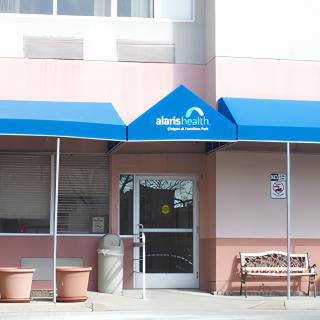
 Wide range of amenities and 24/7 care support.

 Caring for Those Who Care: Recognizing, Understanding, and Overcoming Caregiver Burnout
 Caregiver Exhaustion: Recognizing the Signs and Restoring Your Well-Being
 Understanding Hospice Care at Home: Comprehensive Services, Key Benefits, and Eligibility