Overall Review of Alta Skilled Nursing And Rehabilitation Center
common27 reviews mention this
Staff care draws strong praise
Residents and families frequently describe staff as caring, compassionate, and attentive.
Many reviews focus on how kind and supportive the staff felt during rehab or long stays, including nurses, CNAs, therapy, and dietary/housekeeping. Several people mention being helped quickly when questions came up, and others highlight the teamwork they saw among departments. A few reviewers also describe especially helpful individuals in admissions and the business office, framing the experience as guided and reassuring for families.
caveat10 reviews mention this
Staffing concerns raise safety fears
Some residents and families report understaffing that affected supervision and follow-through.
Alongside praise, multiple reviews describe problems tied to staffing levels, including delayed response to call lights and inadequate supervision when patients needed help. A few reviews say care incidents were made worse by short staffing, ranging from falls to concerns about infections and medical follow-up. Taken together, the negative feedback consistently points to reliability and safety as the biggest concern.
common16 reviews mention this
Admissions and paperwork support
Admissions and business office help is a frequent bright spot in the reviews.
Several reviews describe admissions and business office staff as making the transition easier, with clear answers and guidance for families. People name individuals and describe help with arranging a stay, handling questions, and navigating coverage or Medicaid-related paperwork. While this is mostly about the intake and coordination experience, it shows up often in how families explain why they chose to proceed or feel confident after admission.
common14 reviews mention this
Rehab therapy and progress stand out
Therapy is repeatedly described as effective and supportive during rehab.
A number of reviews highlight PT/OT and therapy staff, describing them as professional, understanding, and focused on helping residents recover and regain mobility. Some reviewers say they improved quickly enough to shorten their rehab stay, while others describe being helped to get back to daily life. A smaller set of comments also frames therapy as the main strength even when other parts of the experience were less satisfying.
caveat12 reviews mention this
Food quality is mixed
Food reviews range from praise for meal options to complaints about quality.
Several residents and families report positive experiences with food, describing it as good, palatable, or part of what made the stay feel manageable. Others describe issues like inconsistent quality or dissatisfaction with nutrition, and at least a couple mention difficulty with meal alternatives. Overall, dining appears to be an area where expectations vary by person and by day.
caveat9 reviews mention this
Facility cleanliness and updates divide
Reviews are split on cleanliness and room condition.
Some reviewers describe the building as beautiful, clean, and recently renovated, with a modern feel and home-like comfort. Others report problems such as broken equipment or room details, plus mentions of shower-room condition and maintenance-related shortcomings. The contrast suggests cleanliness and upkeep may look different depending on wing, room, or timeframe.
How we summarize
Counts show how many written reviews mention each theme; a review can touch several themes, and only frequently mentioned themes are displayed.
Features
Housing
174 resident community capacity
Types of Care
Skilled Nursing Facility
Amenities
Air-conditioning
Beauty salon
Cable or satellite TV
Computer center
Dining room
Fitness room
Fully furnished
Gaming room
Garden
Housekeeping services
Kitchenette
Move-in coordination
Outdoor space
Private bathrooms
Restaurant-style dining
Small library
Telephone
Wellness center
Wi-Fi/high-speed internet available
Transportation
Reno Tahoe International (2 miles away)
Community operated transportation
Transportation arrangement
Transportation arrangement (non-medical)
Transportation to doctors appointments
Care Services
12-16 hour nursing
24-hour call system
24-hour supervision
Activities of daily living assistance
Assistance with bathing
Assistance with dressing
Assistance with transfers
Diabetes diet
Meal preparation and service
Medication management
Mental wellness program
Special dietary restrictions
Dining
Diabetes diet
Special dietary restrictions
Activities
Community-sponsored activities
Concierge services
Fitness programs
Planned day trips
Resident-run activities
Scheduled daily activities
Nearby Places of Interest
Physicians
Kiener Joseph L MD FACS (0.1 miles)
Digestive Health Center (0.2 miles)
Prospinal (0.2 miles)
Nevada Center for Reproductive Medicine (0.2 miles)
GYN Specialists of Reno (0.2 miles)
Allergy & Asthma Clinic Of Reno (0.3 miles)
Advanced Orthopedics (0.3 miles)
Pharmacies
Save Mart Supermarkets (0.3 miles)
Target Pharmacy (1 miles)
CVS Pharmacy (1 miles)
Walgreens (1.3 miles)
CVS Pharmacy (2.4 miles)
Save Mart Supermarkets (2.5 miles)
Scolari's Food & Drug Company (2.7 miles)
Restaurants
Great Basin Brewing Co. (0.4 miles)
Raising Cane's Chicken Fingers (0.6 miles)
Applebee's (0.6 miles)
Sushi Minato (0.8 miles)
Sushi Bar on the sky terrace (1.1 miles)
King Buffet (1.1 miles)
Popeyes Louisiana Kitchen (1.3 miles)
Cafes
Perenn Bakery (0.4 miles)
Starbucks (0.6 miles)
The Cup Café (0.8 miles)
Starbucks (1.6 miles)
Magpie Coffee Roasters (2.5 miles)
Coffeebar (2.7 miles)
Bibo Coffee Company / Bibo Freddo Gelato (3.3 miles)
Hospitals
Behavioral Medicine Associates (0.6 miles)
Manor Care (1.8 miles)
Tahoe Pacific Hospital (3.1 miles)
Parks
Bartley Ranch Regional Park (0.7 miles)
Mira Loma Park Maintenance Shop (2.8 miles)
Village Green Park (3.2 miles)
Transportation
Reno Tahoe Rental Car (2.5 miles)
Hertz Rent A Car (2.5 miles)
Baggage Claim (2.5 miles)
Reno-Tahoe International Airport (RNO) (2.5 miles)
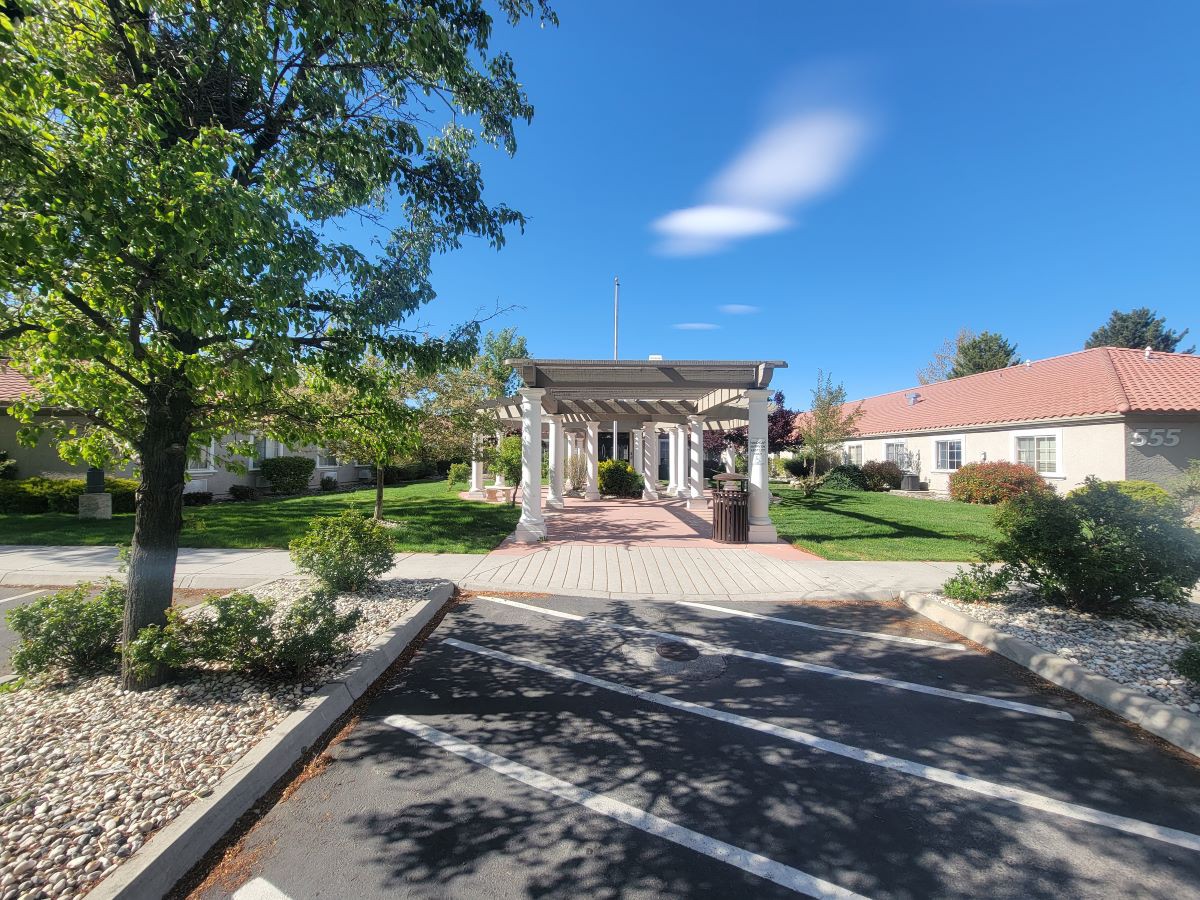
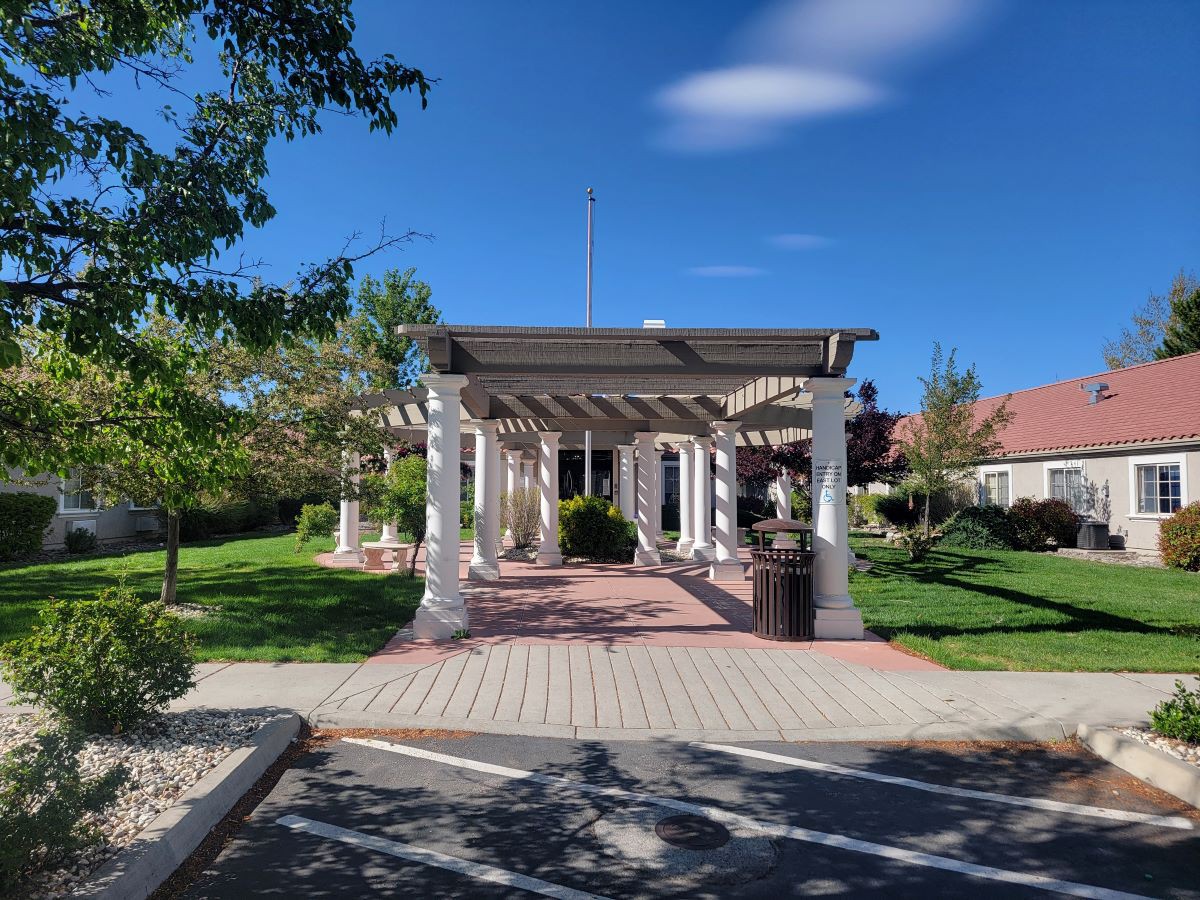
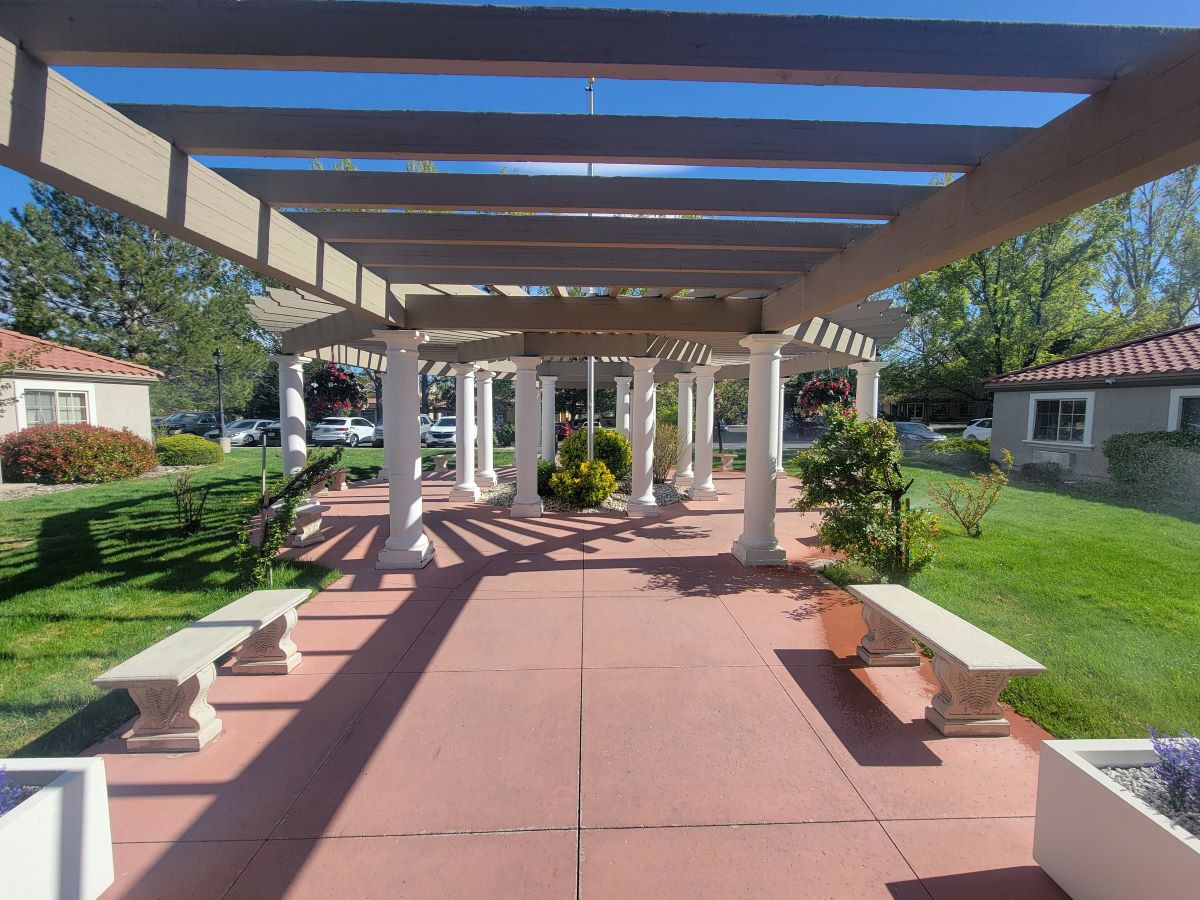
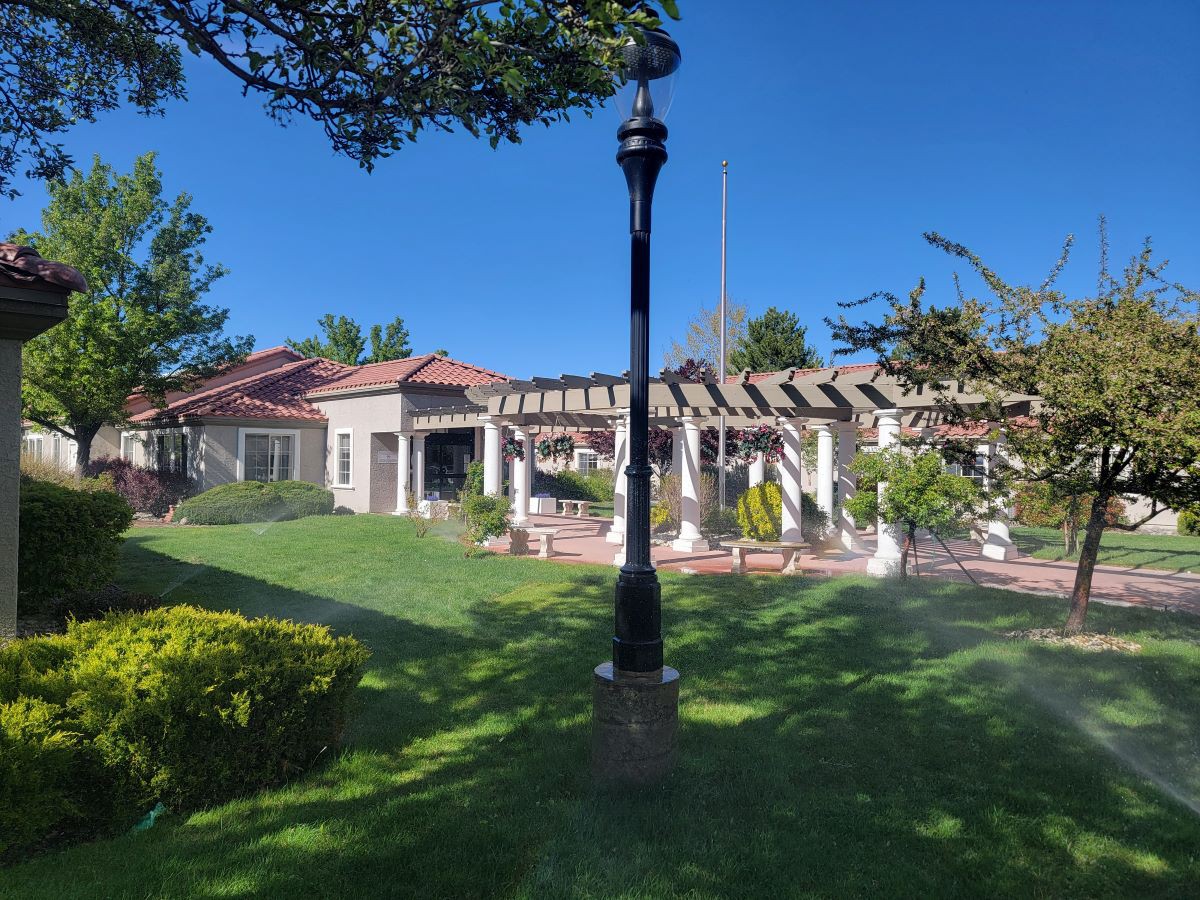
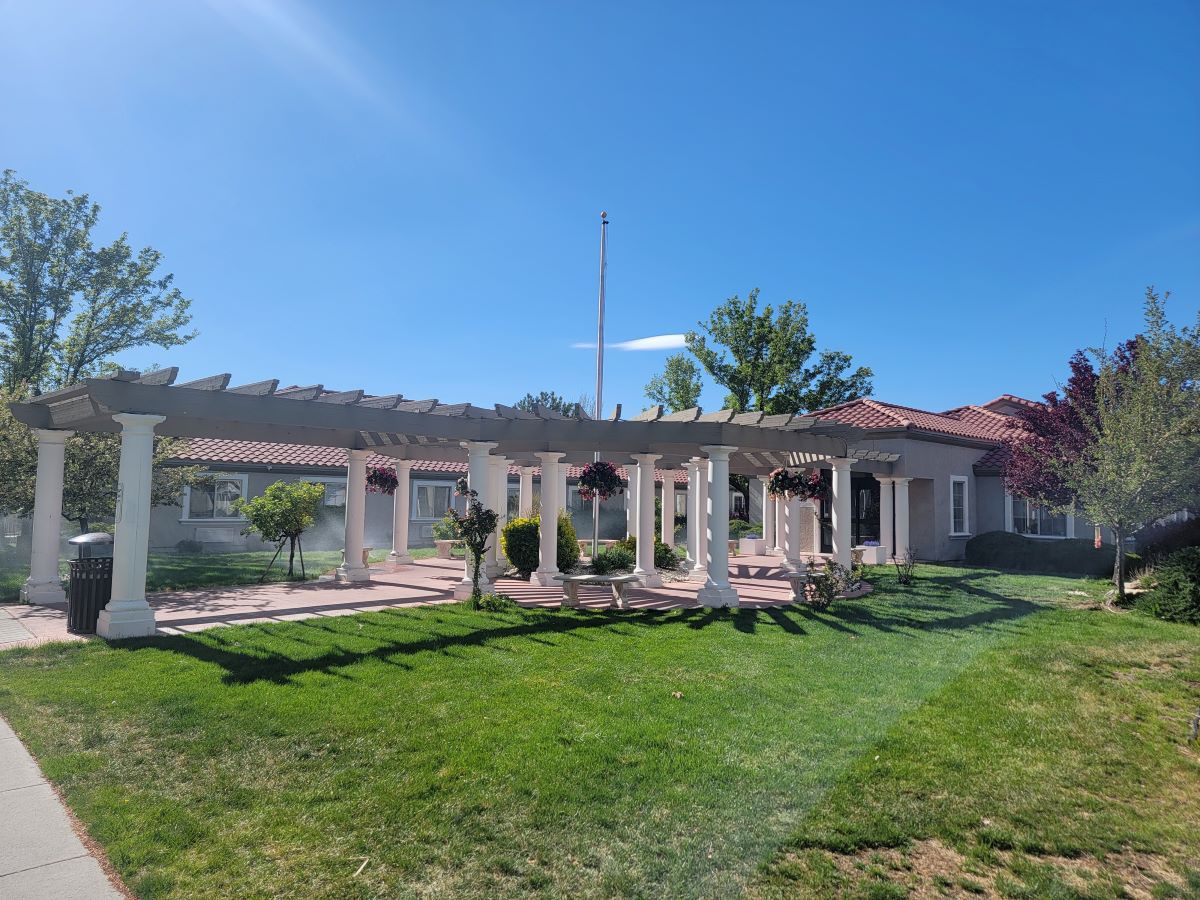
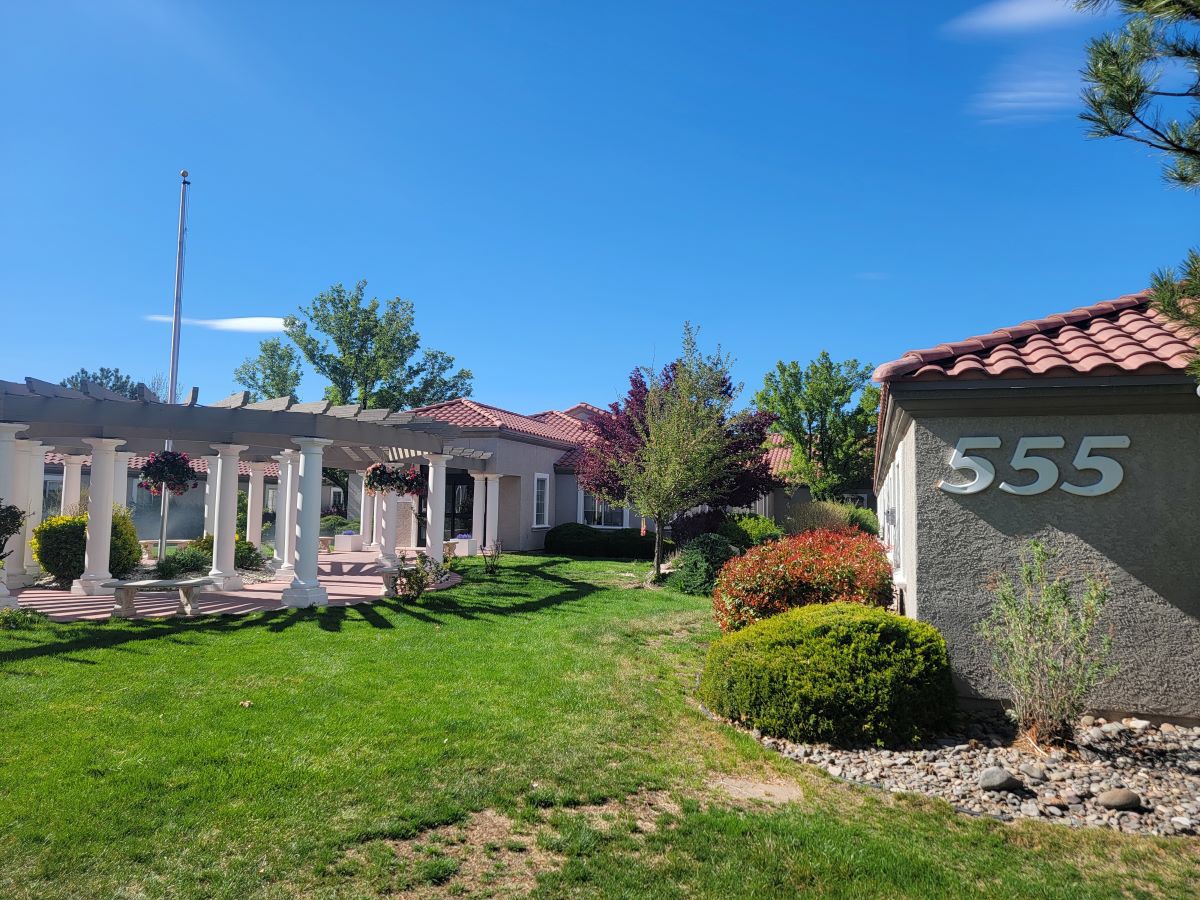
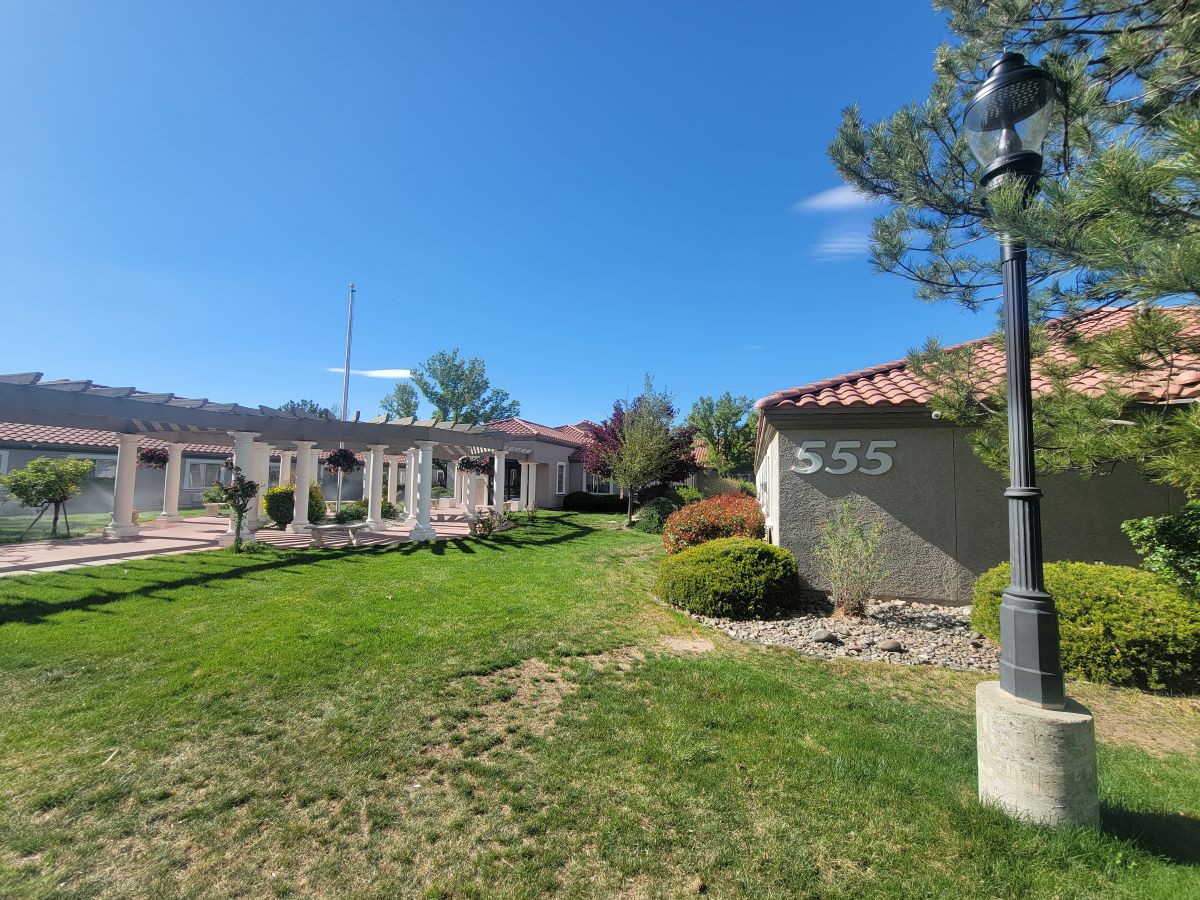
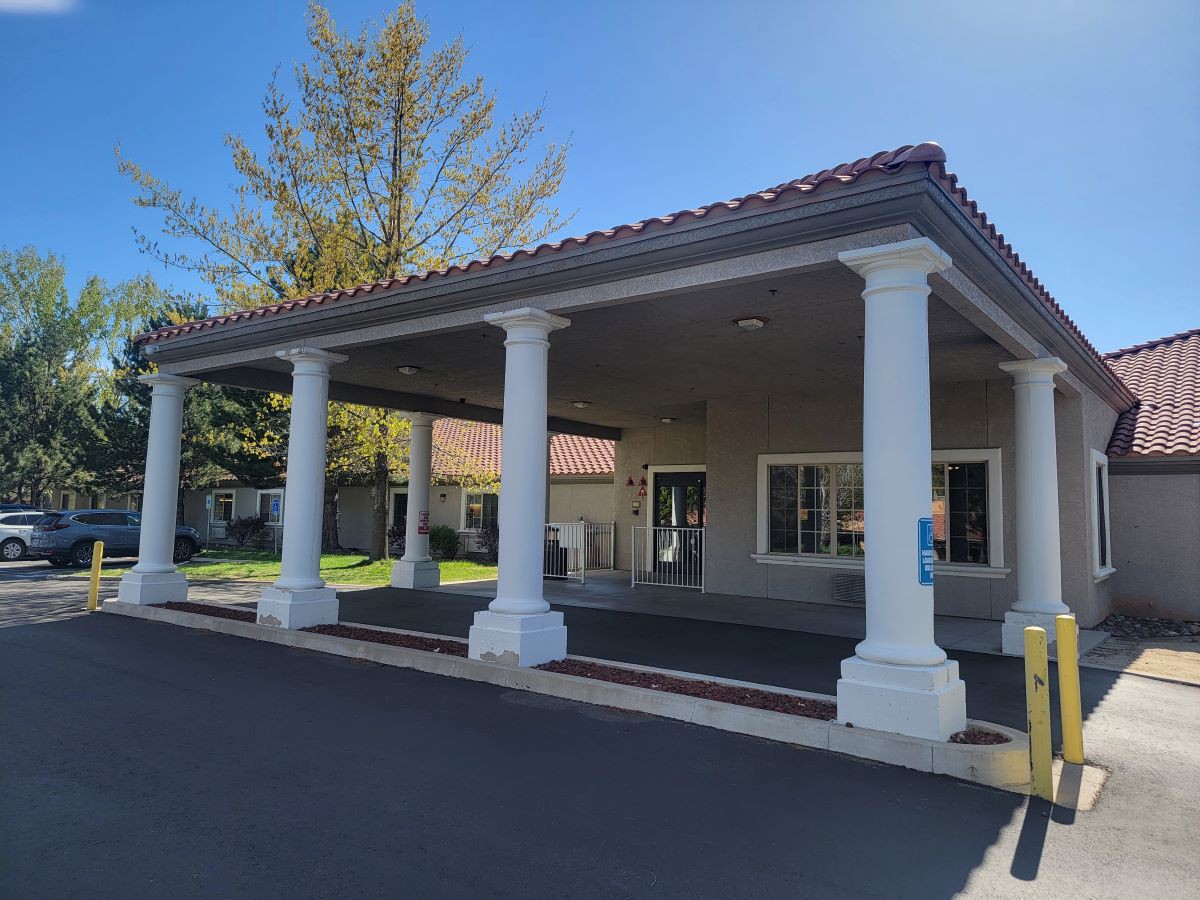
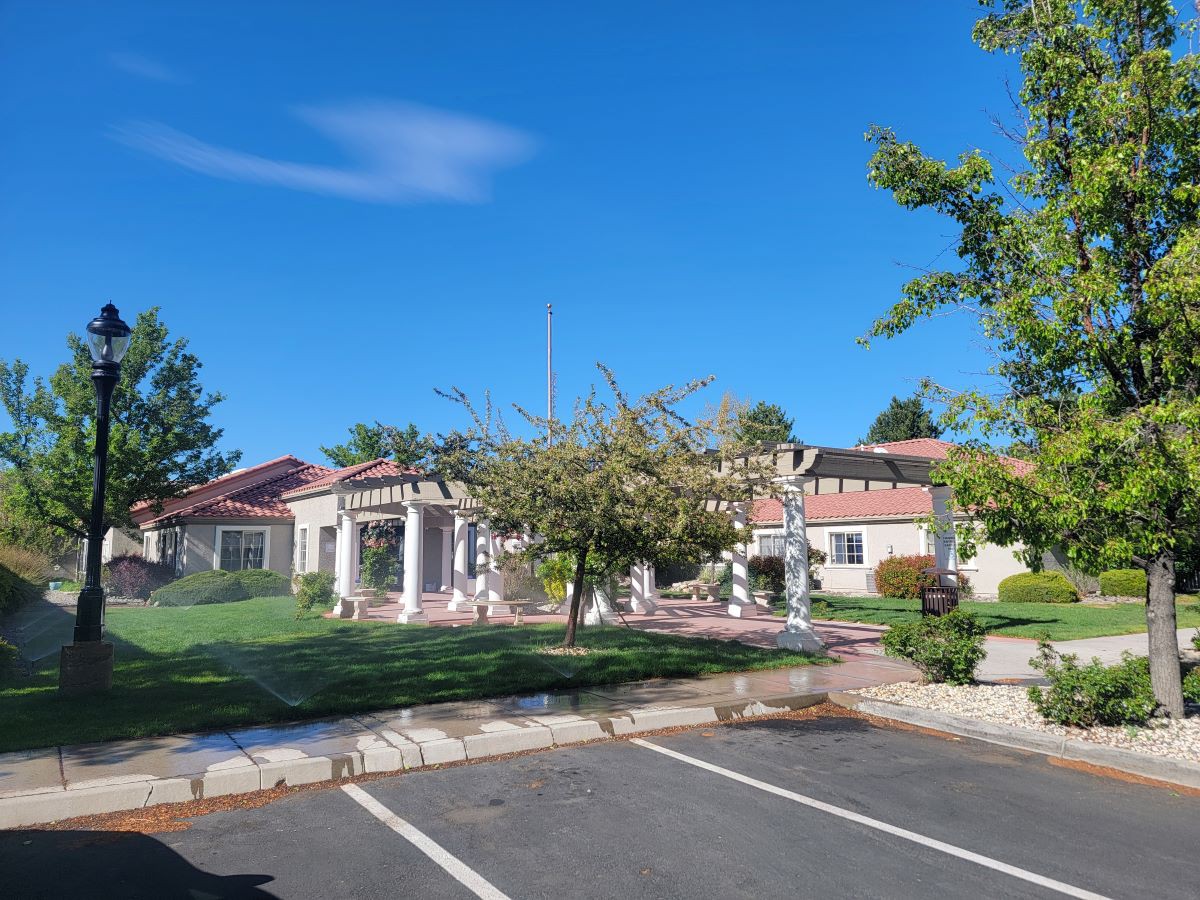
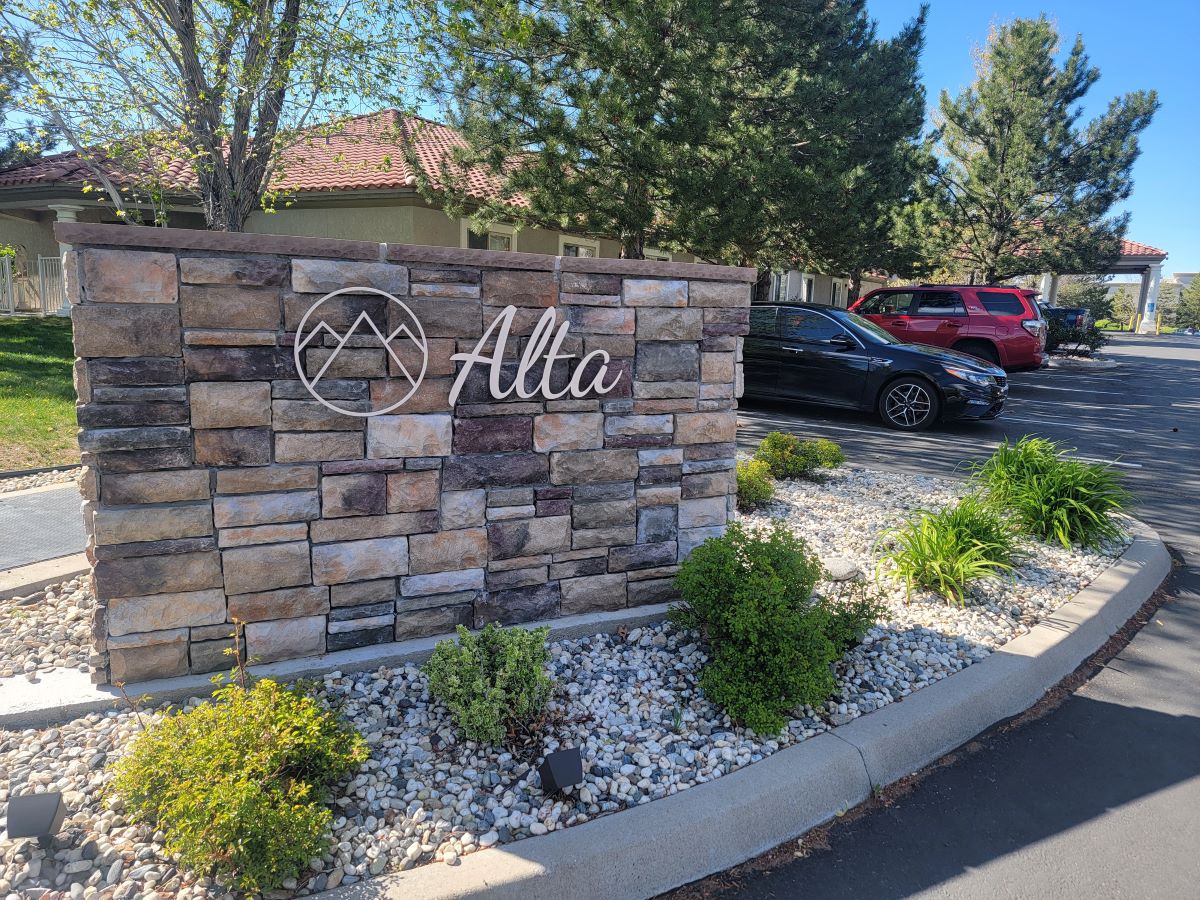
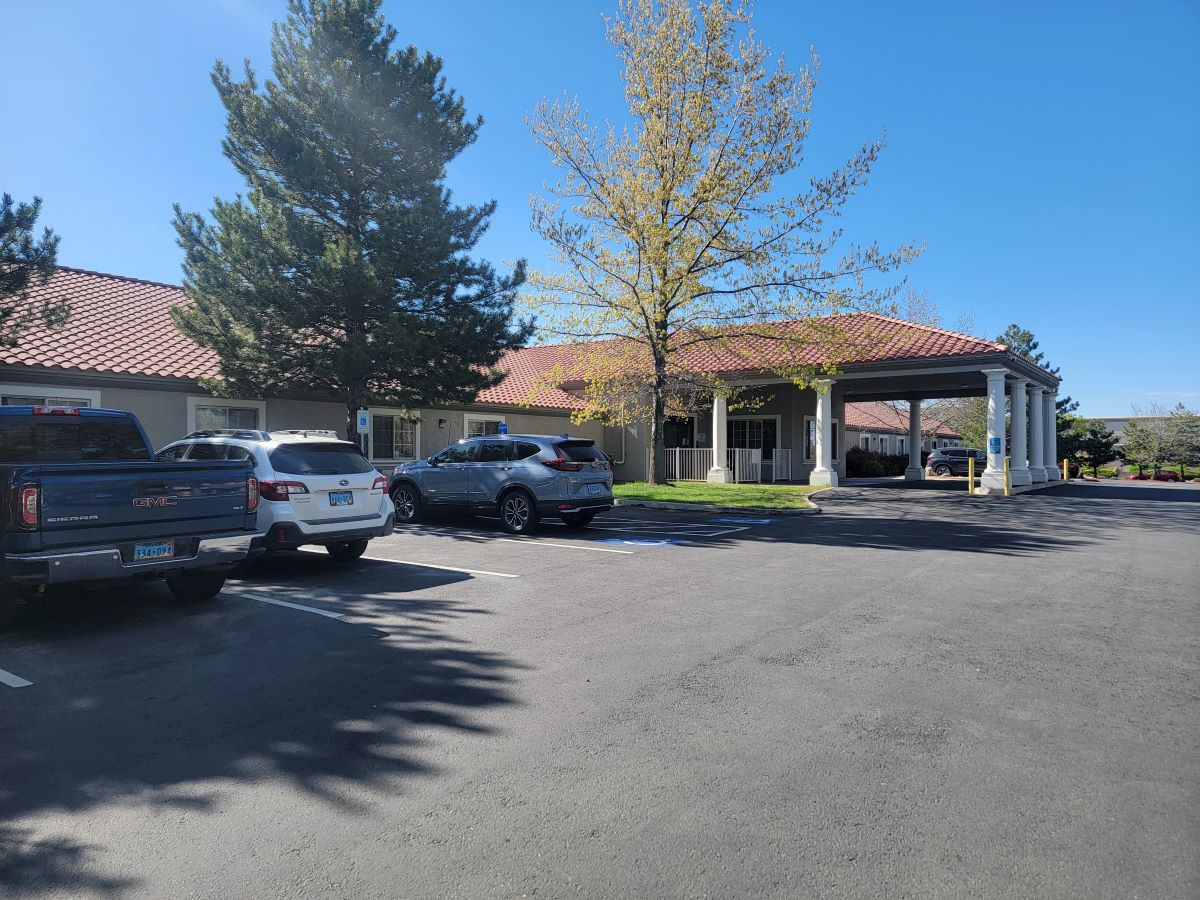
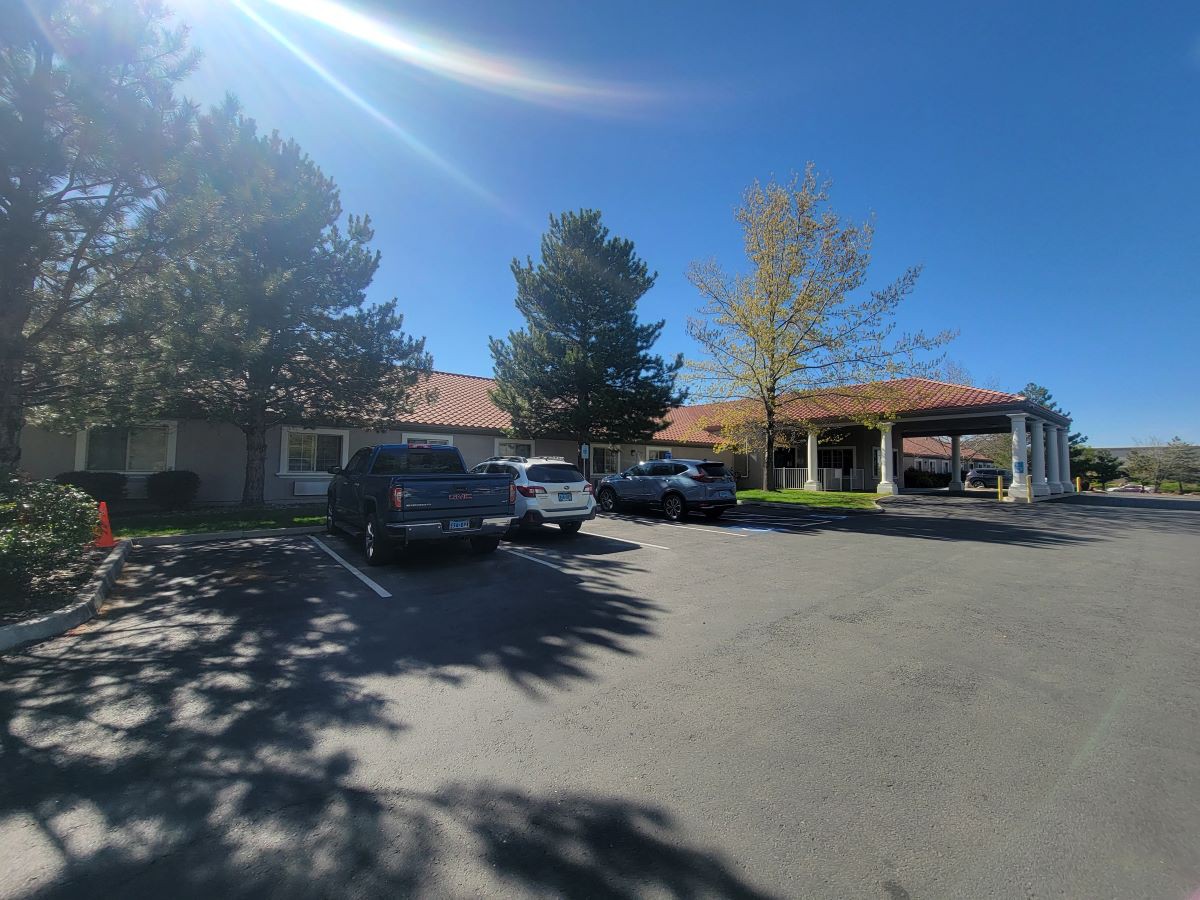
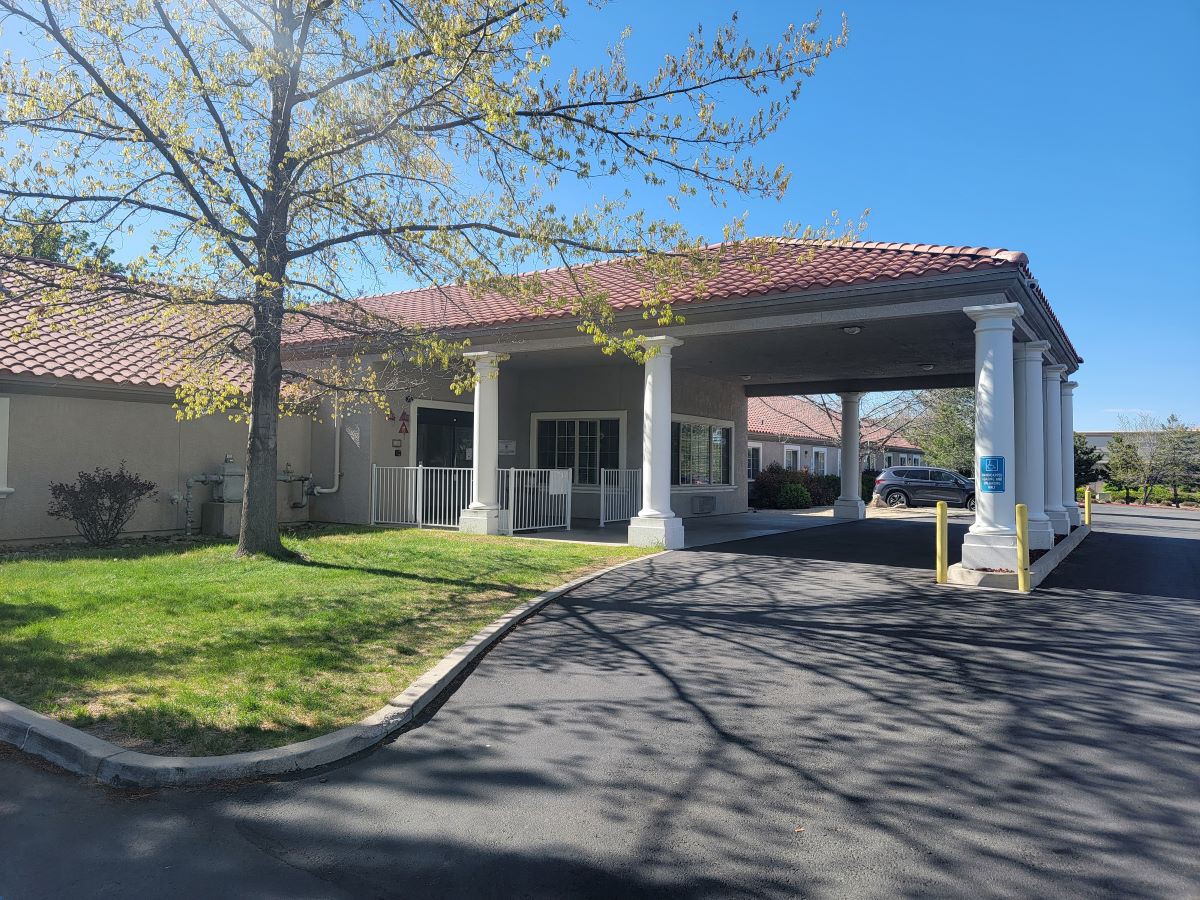
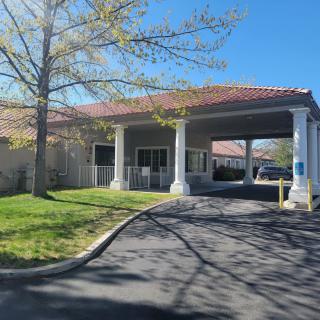
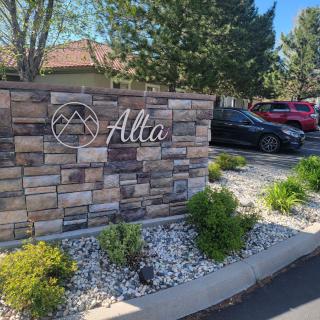
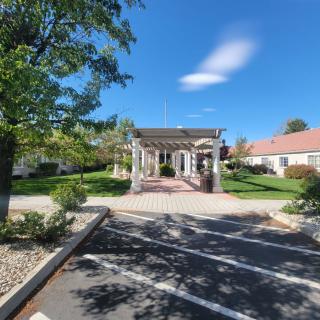
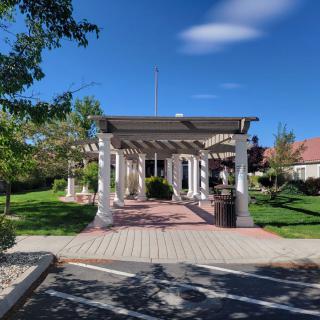
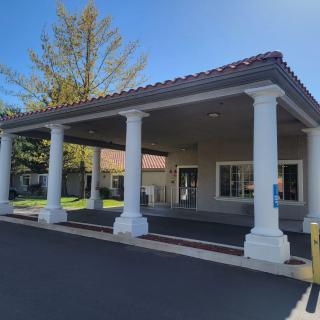
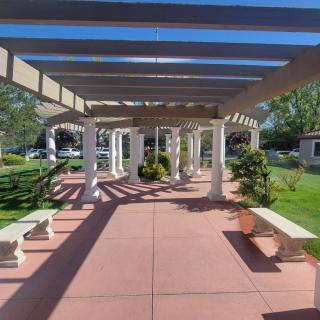
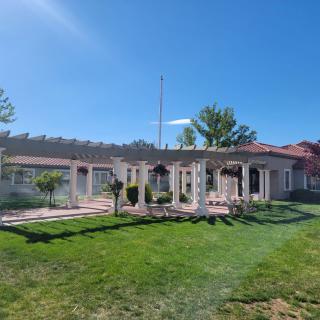
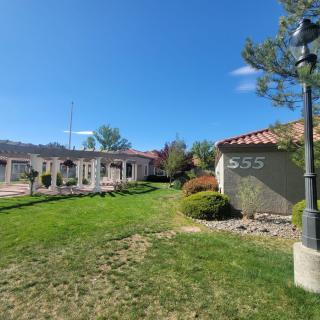
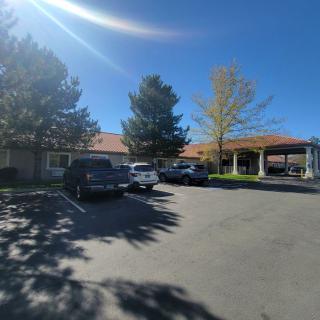
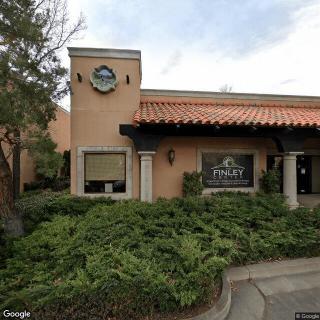
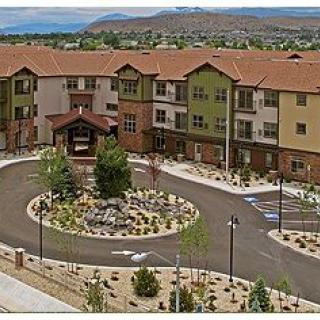
Alta Skilled Nursing And Rehabilitation Center on seniors.fyi includes 14 photos including images showing landscaping, trees, garden, building, architecture, outdoors, pathway, outdoor, and more.
Nearby Communities
Clearwater at Rancharrah
Reno, NV
3.6 from 38 reviews
$4,000 to $6,750 / month
Caring staff, clean environment, and a variety of meals.
Revel Rancharrah
Reno, NV
4.8 from 87 reviews
$3,500 to $5,485 / month
Engaging activities, friendly staff, and excellent amenities create a vibrant independent-living community.
Right at Home of Reno
Reno, NV
4 from 26 reviews
Excellent access to nearby healthcare and amenities.
Mothers Love & Care #2
Reno, NV
3 from 2 reviews
Fully furnished homes with comprehensive care.
Mothers Love & Care 2
Reno, NV
3 from 2 reviews
24-hour supervision, diabetes-friendly meals, activities, and care coordination.
Touch Of Class Care Home
Reno, NV
5 from 1 review
Attentive, personalized care from a small, dedicated team with strong cleanliness.
Promenade on the River
Reno, NV
4.4 from 39 reviews
Friendly, professional staff with beautiful, riverfront amenities and an active social scene.
Stone Valley Memory Care & Transitional Assisted Living
Reno, NV
4.3 from 29 reviews
Warm, engaging environment with compassionate staff and diverse activities.
Cascades of the Sierra
Spanish Springs, NV
4.3 from 125 reviews
$4,225 to $5,050 / month
Clean, welcoming community with friendly staff, ample amenities, and engaging activities.
Fecal incontinence, prevalent among older adults, arises from factors like weakened pelvic muscles and nerve damage, significantly affecting well-being and social interactions. Diagnosis involves clinical evaluation and tests to inform tailored treatments, while caregivers and preventive measures can aid in managing the condition effectively.
Anticipatory grief is an emotional response to the impending loss of a loved one, characterized by complex emotions such as sadness and anger, and involves navigating stages similar to those identified by Kübler-Ross. Coping strategies are vital for managing this process, emphasizing compassionate communication, self-care, and support groups while recognizing the cultural influences on grieving.
Adult day care programs offer essential support and activities for older adults, yet many hesitate to participate due to concerns about independence and stigma. To alleviate these apprehensions, families should facilitate open discussions, explore financial resources, suggest trial visits, and collaborate with healthcare providers to highlight the benefits of such services for both the participants and their caregivers.
Alta Skilled Nursing And Rehabilitation Center photos
×
Outdoors
Building
Architecture
Trees
Landscaping
Garden
Entrance
Outdoor
Patio
Grass
Parking
Landscaping
Building
Architecture
Trees
Garden
Outdoor
Entrance
Patio
Outdoors
Pathway
Parking
Grass
Gazebo
Pergola
Brick Wall
Stone Wall
Get PricingAsk A QuestionSchedule A TourContact Senior Advisor
By clicking submit, you agree to our Partner's Terms of Use. You
also consent to receive calls and texts, which may be autodialed, from our Partner. Your consent is not a condition to
using our Partner's service. Please visit our Partner's Privacy Policy for information about their privacy practices.



 174 resident community capacity
 Skilled Nursing Facility
 Air-conditioning
 Beauty salon
 Cable or satellite TV
 Computer center
 Dining room
 Fitness room
 Fully furnished
 Gaming room
 Garden
 Housekeeping services
 Kitchenette
 Move-in coordination
 Outdoor space
 Private bathrooms
 Restaurant-style dining
 Small library
 Telephone
 Wellness center
 Wi-Fi/high-speed internet available
 Reno Tahoe International (2 miles away)
 Community operated transportation
 12-16 hour nursing
 24-hour call system
 Activities of daily living assistance
 Assistance with bathing
 Assistance with dressing
 Assistance with transfers
 Diabetes diet
 Medication management
 Mental wellness program
 Special dietary restrictions
 Concierge services
 Planned day trips
 Caring staff, clean environment, and a variety of meals.


 Fecal Incontinence in Older Adults: A Comprehensive Guide
 Recognizing the Journey: Understanding and Navigating Anticipatory Grief
 Encouraging Participation in Adult Day Care: A Guide to Supporting a Hesitant Parent