
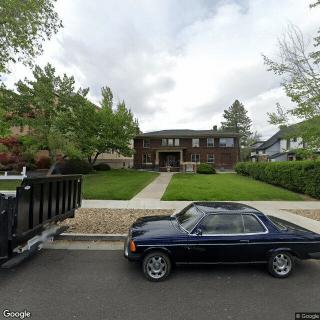
4130 Garlan Lane, Reno, NV 89509
For more information about senior living options: (866) 208-4318
Overall Review of Mothers Love & Care 2
Cons
 It is by far the worst group home.
- The father did not receive proper care there.
- He deteriorated there.
- The facility does not feed patients nutritious meals.
- The facility does not care about the patients.
- The facility only cares about payment.
- People should not send their family members there if they want them to have a good quality of life.
Review
Mothers Love & Care 2 in Reno appears best suited for families prioritizing a very low-cost, small-scale living arrangement where oversight is informal and daily routines are loosely structured. The strongest signal from available perspectives is that the setting may attract those who are comfortable with minimal institutional presence and who accept the reality that staffing and care quality can be inconsistent. In this district, that translates to a home-like atmosphere rather than a professionally run caregiving campus. However, the balance of evidence is skewed toward concern, making this adequate only for리those with a means to tightly supervise and frequently re-check the care in person.
Prospective residents or families should explicitly consider alternatives if nutrition, consistent supervision, and compassionate staffing are non-negotiable. The most alarming message from the negative review is not just dissatisfaction but active deterioration of a resident’s condition in care. For anyone needing reliable, nutritionally sound meals, careful weight management, and proactive health monitoring, this facility should raise red flags. Those who cannot accompany or audit daily care or who require robust, documented care plans will likely find better value and peace of mind elsewhere. In short, if dependable daily oversight matters, steering toward other options is prudent.
The available feedback does not offer a clear, verifiable set of advantages to offset the serious concerns. A separate five-star rating exists but provides no actionable detail about care processes, staff responsiveness, or resident outcomes. That ambiguity means any potential benefits, such as a perceived homelike environment, flexibility in routines, or a lower price point, remain unsubstantiated and cannot reliably counterbalance the reported neglect and non-nutrition issues. Without concrete, documented evidence of consistent staffing, nutrition programs, and responsive care, the pros stay speculative at best and negligible at worst.
Families evaluating this community should demand hard, concrete answers before any commitment. Key questions include: what is the staff-to-resident ratio at various shifts, and how stable is the team month to month? Can the facility provide a recent, detailed menu with portion sizes and compliance with dietary guidelines? Are there routine weight checks, caregiver-driven care plans, and timely physician or nurse oversight? What is the process for reporting concerns, grievances, or signs of health decline, and how quickly are these addressed? Requests for a tour during mealtime, observation of staff interactions with residents, and access to recent inspection or licensing records should be non-negotiable parts of any decision-making.
This community may appeal to families whose primary constraint is cost and who are able to implement extensive external supervision. It might also attract individuals seeking a less institutionalized setting, where the rhythm of daily life feels more like a family or roommate arrangement than a formal facility. Yet those advantages only matter if care quality is consistent and transparent, neither of which is demonstrated by the current feedback. For any family with safety, nutrition, or medical oversight as top criteria, this option should be discounted in favor of facilities with verifiable, higher standards of resident welfare and clear accountability.
In conclusion, the case for Mothers Love & Care 2 rests on fragile footing. The negative report about neglect and poor nutrition cannot be dismissed, and the absence of corroborating, positive, measurable outcomes makes it difficult to justify a recommendation. If choosing this route, insist on a rigorous, written care plan, strict oversight arrangements, and a defined trial period with staged milestones and exit criteria. Otherwise, prioritize facilities with transparent staffing practices, demonstrable nutrition programs, and readily accessible inspection histories. For families seeking peace of mind and reliable, compassionate care, this option likely falls short.
 10 resident community capacity
 Assisted Living
 Cable or satellite TV
 Dining room
 Fully furnished
 Garden
 Housekeeping services
 Move-in coordination
 Outdoor space
 Telephone
 Wi-Fi/high-speed internet available
 Reno Tahoe International (2 miles away)
 24-hour supervision
 Activities of daily living assistance
 Assistance with bathing
 Assistance with dressing
 Assistance with transfers
 Diabetes diet
 Meal preparation and service
 Medication management
 Special dietary restrictions
 Transportation arrangement (medical)
 Transportation to doctors appointments
 Fully furnished homes with comprehensive care.






 Senior Transition Services: Understanding Their Role, Cost, and Importance
 Exploring the Path to Senior Living: A Comprehensive Look at Independent Living and Assisted Living
 Is Assisted Living Deductible on Your Taxes? Understanding the Complexities of Assisted Living Expenses and Deductions