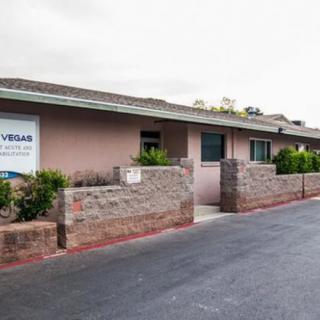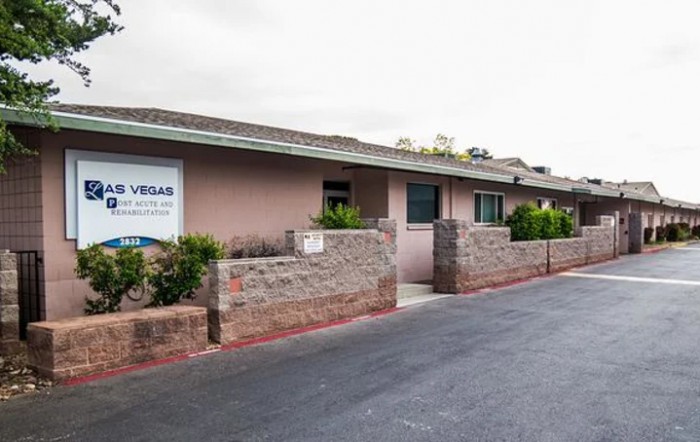
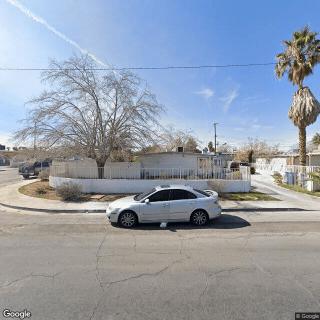
2832 South Maryland Parkway, Las Vegas, NV 89109
For more information about senior living options: (866) 208-4318
Overall Review of Las Vegas Post Acute & Rehabilitation
Pros
 The staff were attentive to the needs of their patients.
- The reviewer was very pleased with the visit.
- A friend was content with her care.
- Some staff members were caring toward the reviewer’s mother.
- The mother-in-law is doing well after the hospital helped her recover.
- In clinical rotations, care was safe, competent, and delivered by a friendly and concerned staff.
Cons
 The food is bad and the staff are rude.
- The place sucks.
- They take three hours to answer the call light.
- They do not take proper care of patients; belongings get stolen or misplaced.
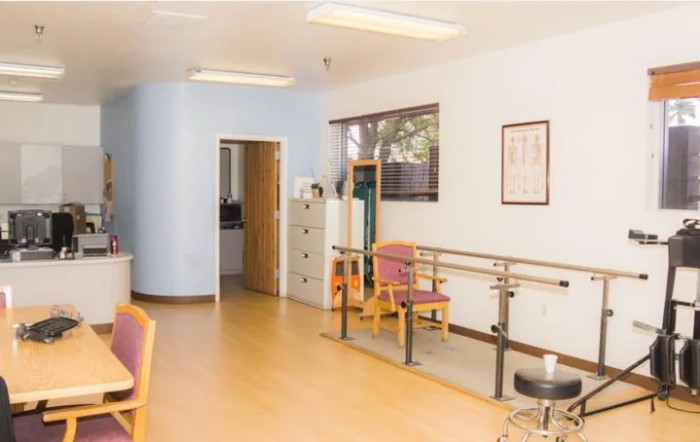
- The facility has high theft and poor care; physical therapy is not given as scheduled.
- Loved ones deteriorate rather than improve.
- They attempted to steal the mother's Social Security and IRS income during the pandemic; they even tried to steal her clothes and replace them with someone else's trash.
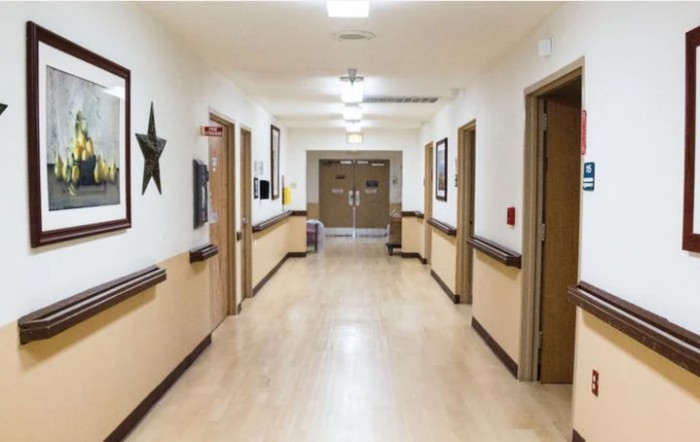
- The building needs a tune-up and is worn down.
- They almost killed the reviewer’s baby brother; they get bonuses by putting patients in this hell hole; the food is terrible, there are roaches, and the staff sleep.
Review
Las Vegas Post Acute & Rehabilitation is best suited for families that can implement rigorous oversight during a short-term recovery period and demand accountability from staff. The facility presents as a post-acute option with rehab services, but the practical experience across multiple reports shows an uneven quality of care. There are moments when staff appear attentive and patients seem to receive necessary therapy, which can translate into real improvement for those who can tolerate a variable environment. The critical factor is active family involvement: tours, constant check-ins, and insistence on reliable call responses. For residents who require consistent, hands-on monitoring to prevent lapses, this community can still deliver meaningful progress, albeit with serious caveats.
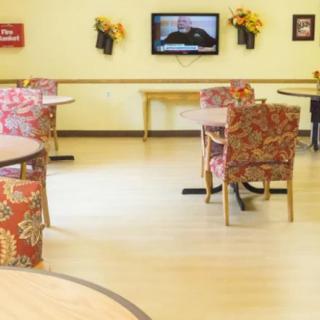
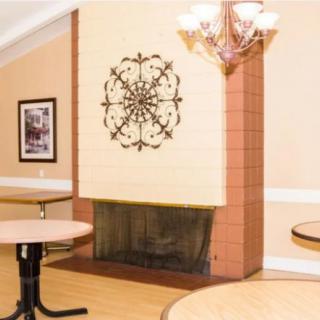
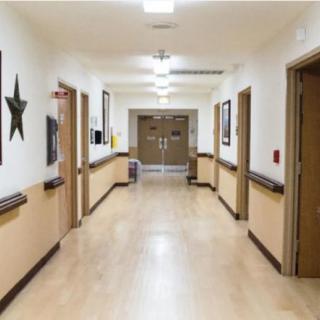
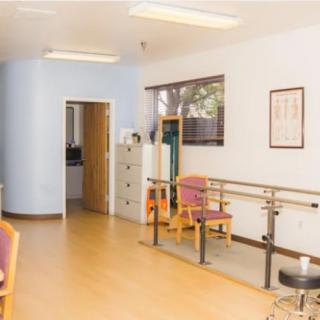
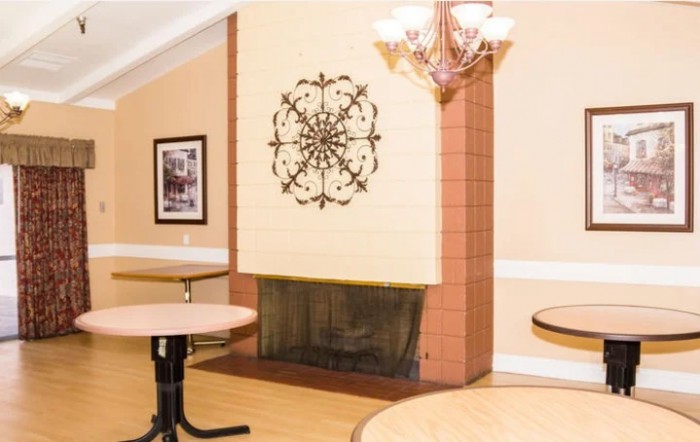
However, prospective families should consider alternatives if safety, cleanliness, or reliable service are paramount. The record of delayed call-light responses, theft concerns, and reports of staff indifference or rudeness points to systemic gaps that can undermine recovery. The physical plant is described as worn, with cleanliness concerns and even smoking adjacent to patient windows, which compounds comfort and safety challenges. Because post-acute rehab hinges on timely therapy, ongoing monitoring, and a stable daily routine, any option with stronger staffing stability, better food service, and demonstrably cleaner environments deserves close attention. If a choice must be made here, it should be accompanied by strict service-level expectations and a clear plan for escalation when needs are not met.
On the upside, some reviews highlight caring staff and competent rehab efforts that can propel progress for certain residents. One visitor praised staff attention, and another clinician described safe, competent care and a patient-friendly rehab atmosphere in rotation-based observations. These signals matter because effective physical therapy and supportive staff are the engine of recovery in a short-stay rehab. Yet, these positives do not fully offset the core concerns: inconsistent responsiveness to call bells, episodes of misplacement or alleged theft of belongings, and a perception that not all staff embody the same level of commitment. The gap between the best moments and the frequent complaints makes outcomes highly dependent on which shift is on duty and which staff member you encounter.
Further compounding risk are issues around the facility’s daily operations. Reports include food that many deem unhealthy, roaches, dusty or dirty rooms, and a general sense that care quality can deteriorate as insurance coverage winds down. There are harsh claims about attempts to steal money and belongings, and about staff sleeping on the job. Even seemingly minor details, such as misspelled names on records, reflect a broader pattern of attention to detail that may be lacking. Smoking outside, near patient windows, adds to air quality and comfort concerns for sensitive residents. Taken together, these issues are not trivial; they fundamentally affect a resident’s mood, appetite, and motivation for rehabilitation.
Given these dynamics, families choosing another facility should demand data-driven assurances: recent inspection results, staffing ratios on each shift, and a robust theft-prevention protocol. Visit during various times to observe response times to call lights and the consistency of therapy scheduling. Speak directly with the administrator about how misplacements and potential financial abuse are prevented and addressed, and ask for written policies on room cleaning, food service standards, and smoking rules. For those with flexible options, evaluating a facility with a proven track record for cleanliness, respectful treatment, rapid help-to-care, and stable team engagement will likely yield a more predictable and safer rehab experience.
Bottom line: Las Vegas Post Acute & Rehabilitation is a high-risk choice that can appeal only to families prepared to police care closely and push for accountability every day. It may still serve short-stay rehab when other options fail, provided strict oversight and a clear escalation path are in place, and progress is monitored with objective milestones. If the decision leans toward alternatives, prioritize facilities with transparent staffing, demonstrable cleanliness, consistently prompt responses, and a culture that reinforces patient dignity. For any family proceeding here, set expectations early, insist on regular progress reports, and confirm that residents’ personal belongings are securely managed. In the end, recovery is too important to leave to chance, and the best choice aligns with safety, attentiveness, and a clean, respectful environment.
 81 resident community capacity
 Skilled Nursing Facility
 Air-conditioning
 Beauty salon
 Cable or satellite TV
 Computer center
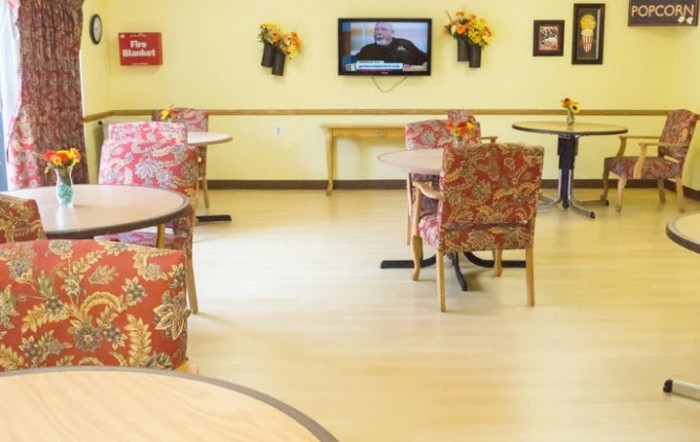
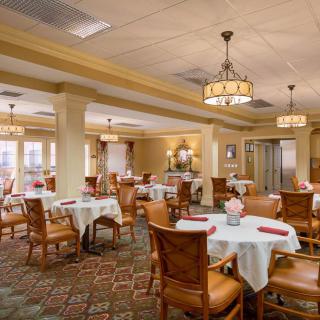
 Dining room
 Fitness room
 Fully furnished
 Gaming room
 Garden
 Housekeeping services
 Kitchenette
 Move-in coordination
 Outdoor space
 Private bathrooms
 Restaurant-style dining
 Small library
 Telephone
 Wellness center
 Wi-Fi/high-speed internet available
 McCarran International (4 miles away)
 Community operated transportation
 12-16 hour nursing
 24-hour call system
 Activities of daily living assistance
 Assistance with bathing
 Assistance with dressing
 Assistance with transfers
 Diabetes diet
 Medication management
 Mental wellness program
 Special dietary restrictions
 Concierge services
 Planned day trips




 Financing Long-Term Nursing Home Care Through Social Security: A Thorough Exploration
 Essential Knowledge on Pneumonia in Older Adults
 Exploring Palliative Care in the Home: A Comprehensive Overview