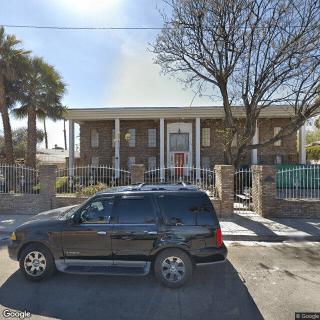
1680 Sombrero Drive, Las Vegas, NV 89169
For more information about senior living options: (866) 208-4318
Overall Review of Las Vegas Group Home
Pros
 The mother has gained weight and really likes the food.
- Marylou is the very best caretaker.
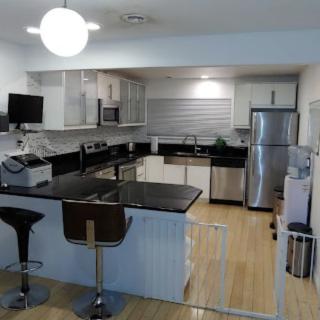
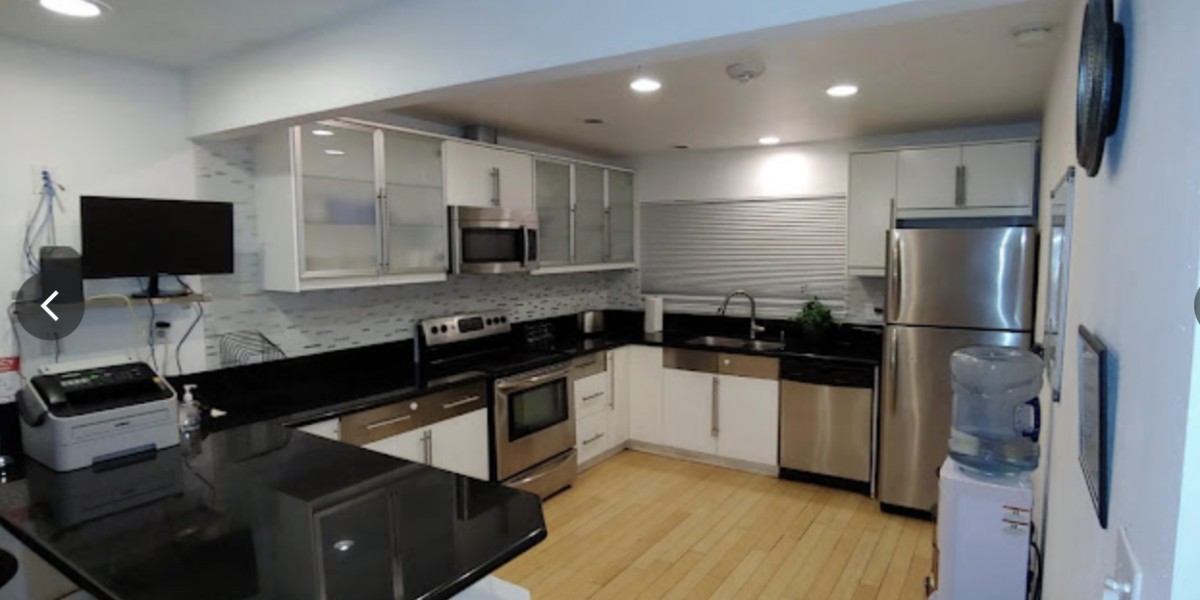
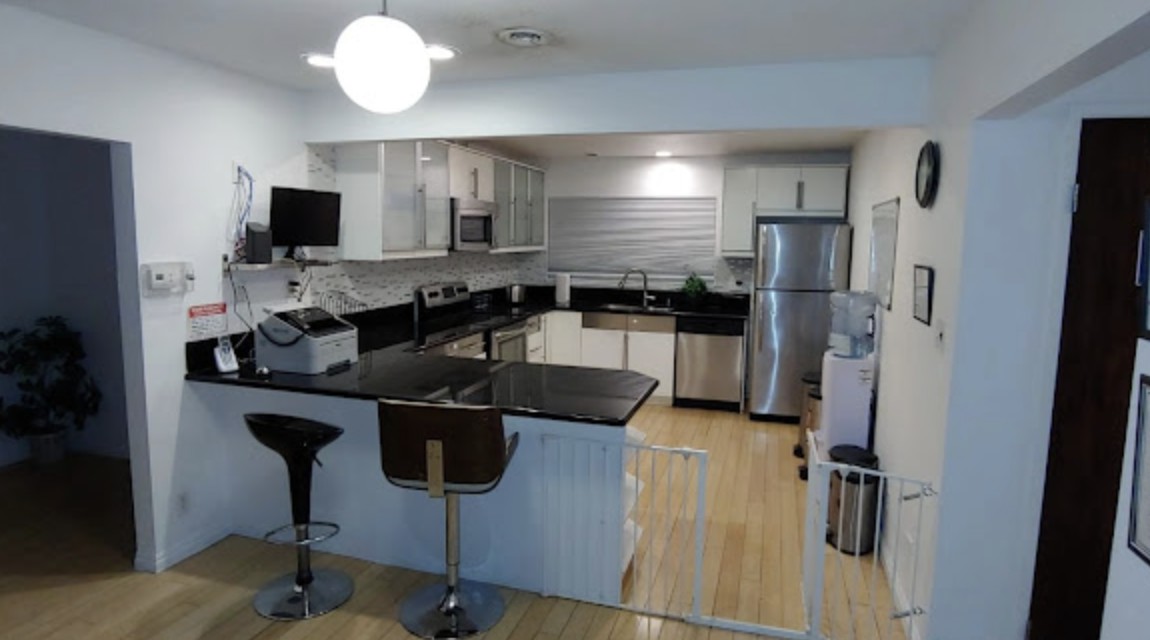
- The facility is very clean, friendly, and hospitable.
- The meals served to residents were enjoyable and satisfying.
- The caregivers know how to treat residents with love and compassion.
- The group home is recommended for anyone who wants their loved one to be well cared for.
Cons
 The reviewer was very disappointed by the news that she was let go.
- The reviewer was very worried about their mother.
- The rent increased by $1000 in the first two days.
- The atmosphere was not a friendly one.
- The reviewer feared their mom could be bruised up too much more or worse.
- The reviewer noted that the dad had lost weight.
Review
This Las Vegas Group Home is best suited for families seeking a compact, home-like setting where a resident can enjoy clean surroundings, warmly delivered meals, and attentive frontline care. It works well for seniors who value a personal touch from staff and a cheerful, hospitable environment, and who are comfortable with the realities of small-scale operations. Families with tight budgets or a need for guaranteed price stability and highly consistent staffing may want to consider alternatives. The very nature of the reviews suggests that predictability, especially around rates and caregiver continuity, matters as much as care quality.
On the positive side, the strongest case for this community rests on its day-to-day atmosphere and service basics. Several accounts highlight a facility that stays clean, feels welcoming, and treats residents with warmth and compassion. When meals are described as enjoyable and satisfying, it signals that nutrition is a real priority, not an afterthought. The reputation of Marylou as a standout caregiver reinforces the sense that frontline staff can deliver genuine personal attention and affection, which often translates into more comfortable days for residents. In short, for families prioritizing a visible, caring staff and a pleasant dining experience, these elements are meaningful anchors.
Yet the picture is not uniformly favorable, and the gaps are material. One review notes a hostile-sounding atmosphere and a resident who lost weight, a warning flag about engagement, nutrition, or social stimulation. Another review emphasizes a dramatic financial shock: a rent increase of $1,000 within just a couple of days, followed by concerns about safety and a caregiver being let go. Such red flags, staff turnover, price volatility, and perceived safety lapses, erode confidence in the operationā€™s reliability. Taken together, the pros paint a sincere but uneven portrait; the cons flag the risk that the day-to-day experience can swing with staffing and policy changes.
The core question for families is whether the bright spots compensate for the instability risks. Cleanliness, warm bedside manner, and solid meals create real value and can help a resident feel cared for even when other problems are present. If the administration can sustain consistent staffing, keep rates transparent, and prevent abrupt personnel changes, the positives may well outweigh the negatives. However, when turnover is frequent or rates rise unpredictably, the ability to rely on predictable monthly costs and stable caregiving declines, and that shifts the decision toward harsher scrutiny or alternative options.
For families deciding whether to move forward, practical due diligence is essential. Tour the home with a focus on caregiver consistency: which aides are consistently on shift, how the team communicates changes, and whether the same aides interact with the same residents over time. Ask for current and projected rate schedules, including what triggers rate increases and what protections exist for residents. Probe the care plan for weight and nutrition monitoring, safety measures, and how quickly issues like weight loss or bruising are escalated and addressed. If possible, request to observe a mealtime and a caregiving interaction to gauge whether the warmth translates into sustained engagement.
Bottom line: Las Vegas Group Home can deliver on the basics, cleanliness, kindness from frontline staff, and appetizing meals, making it a viable option for seniors who prize a small, personable setting and are comfortable with some volatility in staffing and pricing. It is less suitable for families where budget predictability and staffing continuity are non-negotiable. Those who can tolerate the inherent trade-offs should pursue a candid conversation with the administrator, insist on a clear, written rate structure and a stability plan, and consider arranging a trial period if possible. For others, especially where consistent oversight and predictable costs are paramount, exploring alternatives may prevent later regrets.
 9 resident community capacity
 Assisted Living
 Cable or satellite TV
 Dining room
 Fully furnished
 Garden
 Housekeeping services
 Move-in coordination
 Outdoor space
 Telephone
 Wi-Fi/high-speed internet available
 McCarran International (4 miles away)
 24-hour supervision
 Activities of daily living assistance
 Assistance with bathing
 Assistance with dressing
 Assistance with transfers
 Diabetes diet
 Meal preparation and service
 Medication management
 Special dietary restrictions
 Transportation arrangement (medical)
 Transportation to doctors appointments





 Comprehensive Supportive Living Arrangements for Adults with Disabilities
 Funding and Affording Assisted Living: A Thorough Overview
 Assisted Living Expenses and Long-Term Care Insurance: A Comprehensive Exploration