
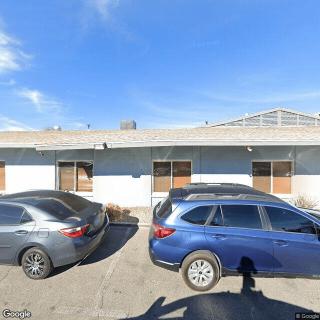
3225 Brazos Street, Las Vegas, NV 89169
For more information about senior living options: (866) 208-4318
Overall Review of Las Vegas Alzheimer & Memory Care 2
Pros
 The staff are extremely friendly and easy to get along with.
 - They accommodate residents in every way, including when a family member moves from the hospital.
- The staff at Nevada Memory Care treat residents with great care, including managing medications and supplements.
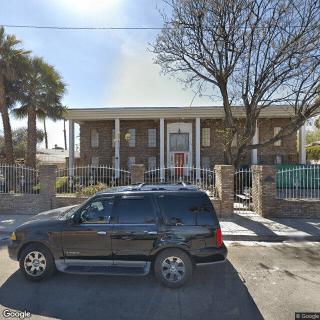
- The facility is clean and has a home-like feel.
- Love, Dignity and Care is exemplary from the moment you walk in and continues daily.
- The staff are very attentive and residents are doing well under their care.
- The meals are home cooked and very healthy.
- Dominic, the manager, is truly dedicated to residents' quality of life and has a huge heart.
Cons
 She was not quite comfortable with the care at two other facilities and removed her father from them before moving him to Nevada Memory Care.
Review
Las Vegas Alzheimer & Memory Care 2 is best suited for families seeking a profoundly human, resident-centered memory care experience. It excels for loved ones with Alzheimer’s or other dementias whose caregivers want a home-like atmosphere, steady, warm staff, and daily routines that feel personal rather than institutional. The setting emphasizes dignity, meaningful interaction, and medication management that is attentive without feeling clinical. For families living at a distance, the peace of mind that comes from staff who act as eyes and ears is a decisive advantage, making this community a natural match for those prioritizing connection, consistency, and transparent updates.
Alternatives should be weighed when care priorities stretch beyond memory care’s core focus. If very high-acuity medical needs require around-the-clock physician access or hospital-grade nursing, the charm of a home-like setting may not suffice. If a larger campus with more specialized therapies, or a different balance of independent living and structured programming, is desired, other Las Vegas options may better fit. Additionally, if cost sensitivity or a preference for a more clinical, less intimate environment drives decision-making, exploring alternatives could yield a different fit. For residents who require extensive rehabilitation or aggressive medical interventions, a more traditional skilled-nursing or hospital-based setting could be appropriate.
The strongest positives, exceptional staff warmth, patient and family-like engagement, and meticulous medication management, tend to offset the lack of a “clinical” pitch. The homey, clean environment, home-cooked meals, and varied activities keep residents engaged and content, while leadership (notably Dominic) provides reliable communication and care coordination. While no major cons emerge in the reviews, the implied trade-off is clear: this is memory-care-focused care that emphasizes daily life and comfort over high-intensity medical programming. For families prioritizing comfort, dignity, and consistent caregivers, those strengths noticeably outweigh potential gaps in on-site medical acuity or hospital-like resources.
Staff culture stands out as the defining driver of quality here. Caregivers are described as unfailingly kind, patient, and attentive, with a shared sense that residents are members of an extended family. On-site meal preparation and creative programming, ranging from painting and music to games and outdoor activities, deliver daily meaning beyond basic routines. Visitors consistently report seeing residents in good spirits, which speaks to the sustained, caring atmosphere. The leadership team’s accessibility and responsiveness, especially Dominic and Maria, provide important reassurance to families who rely on regular updates and confident oversight.
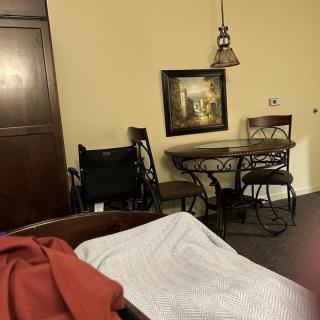
The transition experience emerges as another clear strength. Families repeatedly credit the staff with guiding them smoothly through the move, handling logistics, and establishing trusted routines. The physical environment, open spaces, clean lines, and a warm, homelike decor, contributes to a sense of safety and belonging from day one. This combination of practical support and emotionally resonant care helps alleviate the anxiety that often accompanies placing a loved one with memory loss, particularly for families who cannot be present daily.
Bottom line: Las Vegas Alzheimer & Memory Care 2 represents a standout choice for long-term memory care when the priority is a compassionate, family-forward culture with strong, reliable communication and hands-on medication management. It delivers a level of daily life that feels humane, dignified, and genuinely supportive for both residents and their families. Prospective families should still consider how the facility aligns with medical acuity needs, budget constraints, and preferences for clinical intensity versus home-like engagement. Tour the community with a checklist focused on staffing consistency, physician access, and the fit of activity programming to the resident’s interests. If those elements align, this memory care operation earns a confident recommendation for families seeking a trusted, affectionate home for a loved one’s later years.
 10 resident community capacity
 Assisted Living
 Cable or satellite TV
 Dining room
 Fully furnished
 Garden
 Housekeeping services
 Move-in coordination
 Outdoor space
 Telephone
 Wi-Fi/high-speed internet available
 McCarran International (4 miles away)
 24-hour supervision
 Activities of daily living assistance
 Assistance with bathing
 Assistance with dressing
 Assistance with transfers
 Diabetes diet
 Meal preparation and service
 Medication management
 Special dietary restrictions
 Transportation arrangement (medical)
 Transportation to doctors appointments


 Exploring the Path to Senior Living: A Comprehensive Look at Independent Living and Assisted Living
 Is Assisted Living Deductible on Your Taxes? Understanding the Complexities of Assisted Living Expenses and Deductions
 Assisted Living Support for Veterans: A Complete and Detailed Overview