100 Veterans Memorial Drive, Boulder City, NV 89005
For more information about senior living options: (866) 208-4318
4 from 41 reviews
5 stars
27
4 stars
4
3 stars
1
2 stars
0
1 stars
9
Overall Review of Nevada State Veterans Home - Boulder City
differentiator14 reviews mention this
Skilled nursing and medical support
Residents describe dependable nursing and medical support.
Multiple reviews mention nurses, doctors, and a range of medical support available on-site. Some families describe case management assistance and help coordinating needs, while others discuss events that required escalation to hospital care. Residents and families also note follow-through on safety needs like alarms and fall-prevention protocols. Taken together, the reviews align with a skilled nursing setting that includes hands-on care and ongoing medication-related support.
common18 reviews mention this
Staff care and compassion
Many residents and families describe genuinely caring staff.
Across many reviews, people describe the staff as kind, professional, compassionate, and respectful. Several mention staff being attentive to comfort and dignity, and a number of reviewers say concerns were addressed. Some negative reviews also criticize staff behavior and communication, so experiences aren’t uniform, but the dominant theme in the positives is steady human support. Overall, residents and families repeatedly point to day-to-day care delivered by approachable staff.
common4 reviews mention this
Cleanliness and well-kept spaces
Residents and families frequently mention a clean, well-kept environment.
Several reviews point to cleanliness and an orderly, calm setting. One family notes there was no noticeable smell or visible dirt during a visit, and another describes the facility as very clean. Another review also highlights the building being well-organized and clean. While a few comments focus on the facility layout, cleanliness itself comes up consistently in the positive feedback.
common6 reviews mention this
Activities and outings keep people engaged
Residents commonly participate in scheduled activities and outings.
Reviews describe organized activities such as bingo, movie nights, and board games, along with outings that include trips to local venues like casinos and restaurants. Families also mention entertainment like singers and dance, and at least one reviewer highlights ongoing community events over time. During tours, people recall planned daily activities and the sense that residents are kept busy. These comments support that the community offers regular, social programming rather than only basic downtime.
caveat7 reviews mention this
Food is mixed across reviews
Dining quality shows a noticeable split in resident feedback.
Some families say the food is good or looks good, and others mention meals being available and suitable enough that they didn’t raise major concerns. One family describes letting residents keep food available in their units, and another notes that their loved one eats regularly. At the same time, multiple critical reviews use very negative language about the food. Overall, dining satisfaction isn’t consistent across residents and families.
caveat3 reviews mention this
Hard to reach staff after hours
Families report difficulty getting in touch with staff at times.
Some reviews describe communication problems, including not being able to reach someone after 6pm and feeling stuck without timely assistance. Other comments mention early confusion about policies and procedures, and at least one reviewer ties communication gaps to a decline in safety and care. On the positive side, at least one family says they are called when problems come up, but the negative feedback focuses on after-hours accessibility and responsiveness. That contrast is an important caveat for families planning how they’ll stay in contact.
How we summarize
Counts show how many written reviews mention each theme; a review can touch several themes, and only frequently mentioned themes are displayed.
Features
Housing
180 resident community capacity
Types of Care
Skilled Nursing Facility
Amenities
Air-conditioning
Beauty salon
Cable or satellite TV
Computer center
Dining room
Fitness room
Fully furnished
Gaming room
Garden
Housekeeping services
Kitchenette
Move-in coordination
Outdoor space
Private bathrooms
Restaurant-style dining
Small library
Telephone
Wellness center
Wi-Fi/high-speed internet available
Transportation
McCarran International (17 miles away)
Community operated transportation
Transportation arrangement
Transportation arrangement (non-medical)
Transportation to doctors appointments
Care Services
12-16 hour nursing
24-hour call system
24-hour supervision
Activities of daily living assistance
Assistance with bathing
Assistance with dressing
Assistance with transfers
Diabetes diet
Meal preparation and service
Medication management
Mental wellness program
Special dietary restrictions
Dining
Diabetes diet
Special dietary restrictions
Activities
Community-sponsored activities
Concierge services
Fitness programs
Planned day trips
Resident-run activities
Scheduled daily activities
Nearby Places of Interest
Physicians
Ronald E. Gardner, DDS (0.7 miles)
Skin Deep Laser Institute (1.1 miles)
HealthCare Partners Nevada (1.4 miles)
Southern Nevada Surgery Specialists (1.4 miles)
Handler Lionel J MD (1.4 miles)
Nevada Eye & Ear (1.4 miles)
Heiner Sarah MD (8.4 miles)
Restaurants
A&W Restaurant (1 miles)
The Tap (1.7 miles)
Boulder Dam Brewing (1.9 miles)
The Dillinger (2 miles)
Emily's Cafe (5.4 miles)
McDonald's (6 miles)
Arby's (7.5 miles)
Pharmacies
Sav-On Drugs (1.3 miles)
CVS Pharmacy (1.4 miles)
Walgreens (5.5 miles)
Sav-On Pharmacy (6.1 miles)
Albertsons Pharmacy (6.1 miles)
CVS Pharmacy (7.4 miles)
Walgreens (7.8 miles)
Hospitals
Boulder City Hospital (1.5 miles)
Mountain View Care Center (2.1 miles)
Lake Mead Health and Rehabilitation Center (8.1 miles)
Dignity Health - St. Rose Dominican Hospital, Siena Campus - Henderson, NV (13.9 miles)
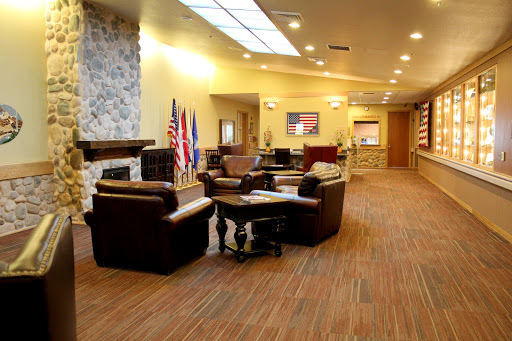
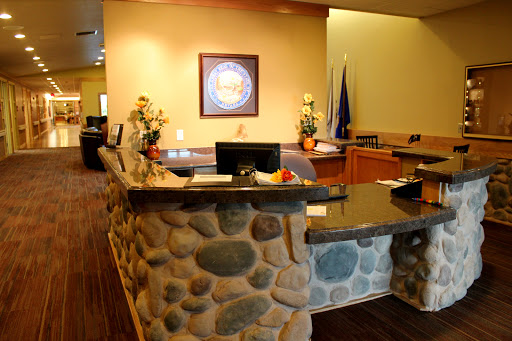
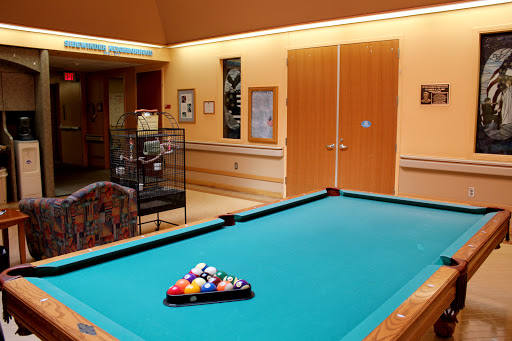
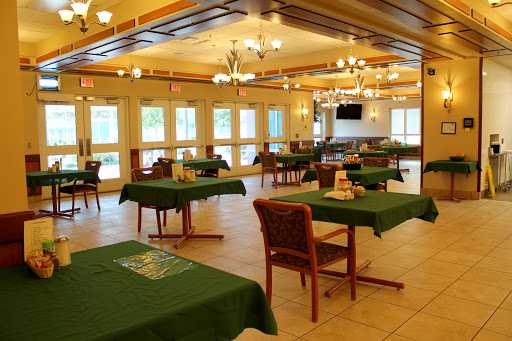
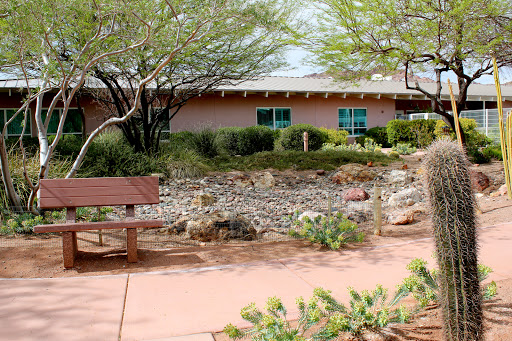
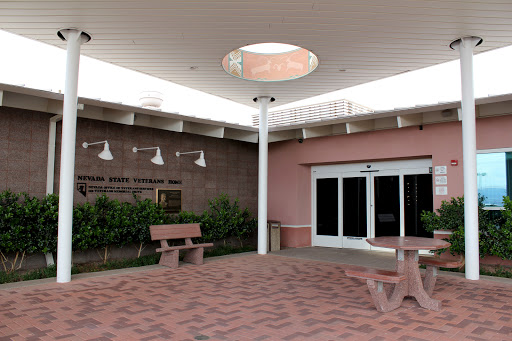
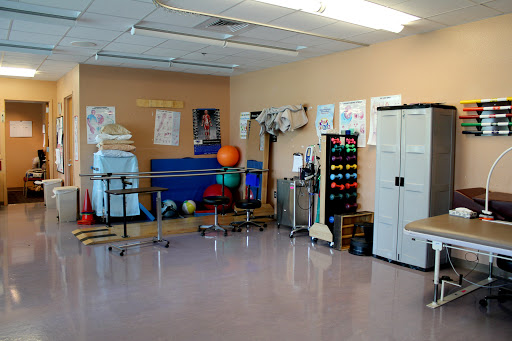
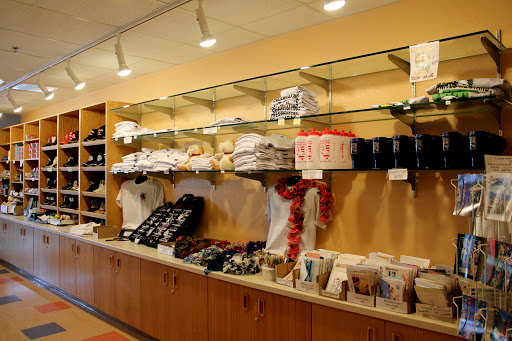
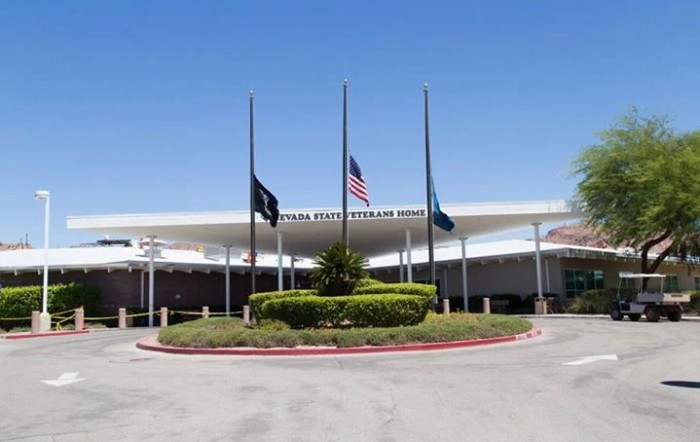
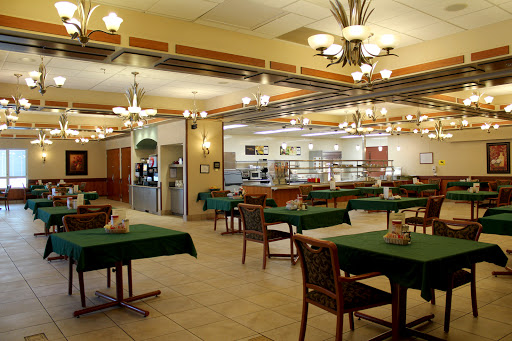
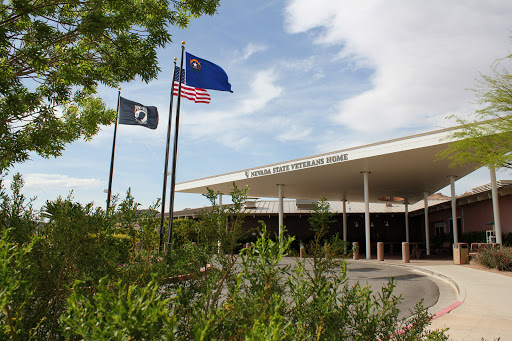
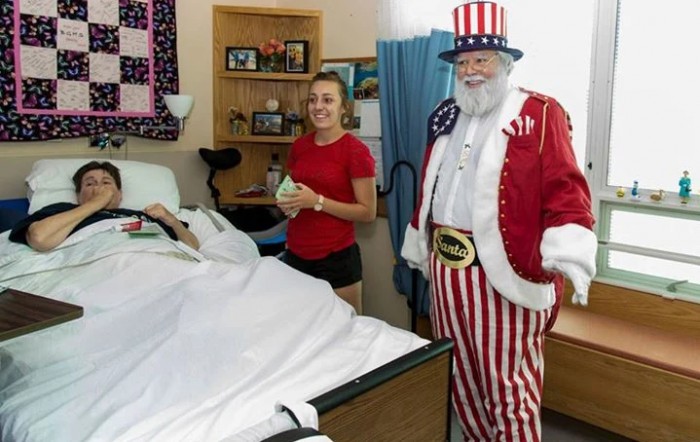
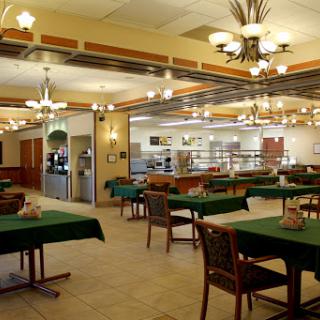
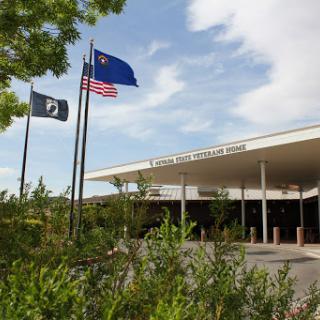
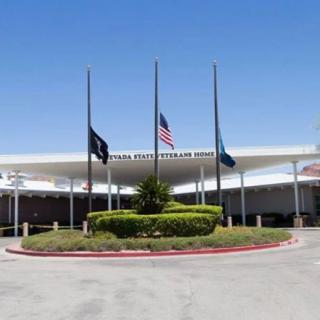
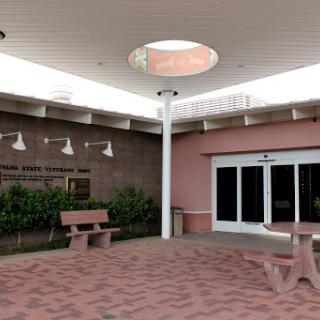
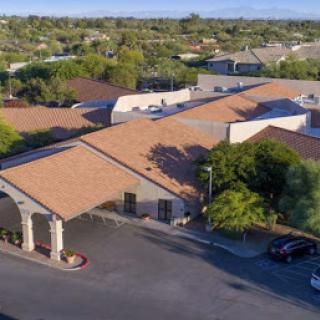
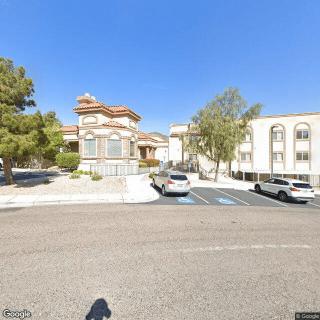
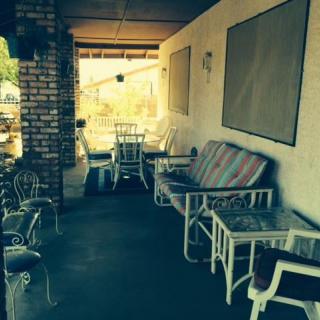
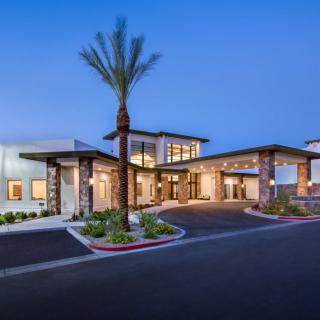
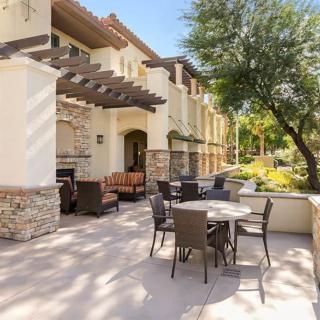
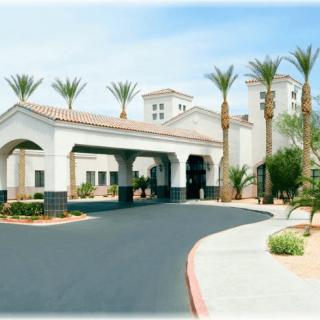
Nevada State Veterans Home - Boulder City on seniors.fyi includes 13 photos including images showing interior, building, dining, flag, landscaping, architecture, billiards, outdoor, and more.
Nearby Communities
Boulder City Hospital
Boulder City, NV
3.1 from 71 reviews
Comprehensive skilled nursing care with 24/7 supervision, medication management, and diabetes-friendly dining.
The Homestead At Boulder City
Boulder City, NV
4.6 from 65 reviews
$1,020 to $1,530 / month
Clean, well-maintained facility with friendly staff and engaging activities.
Mountain View Care Center - Boulder City
Boulder City, NV
4.4 from 81 reviews
Recent management improvements with a focus on safety, renovations, and resident support.
Lakeview Terrace Retirement Community
Boulder City, NV
4.5 from 98 reviews
$1,995 to $4,250 / month
Friendly staff, clean facilities, and scenic views with affordable pricing.
And Your Home Too 1
Henderson, NV
5 from 1 review
Small, home-like setting with personalized care, fully furnished spaces, garden/outdoor areas, and scheduled daily activities.
Horizon Seniors Apartments
Henderson, NV
4.2 from 89 reviews
Excellent local convenience: proximity to parks, pharmacies, physicians, restaurants, and hospitals.
Revel Nevada
Henderson, NV
4.8 from 144 reviews
$3,835 to $4,845 / month
Strong community with friendly staff and spacious apartments.
The article explores the complexities of using Social Security to finance long-term nursing home care in the U.S., detailing eligibility requirements and misconceptions, while emphasizing that these benefits often do not cover full costs and highlighting the need for strategic financial planning and professional guidance.
Pneumonia significantly affects older adults due to weakened immune systems and atypical symptoms that complicate diagnosis, necessitating early detection and tailored treatment. Risk factors include chronic diseases and cognitive impairments, with preventive measures like vaccinations and healthy lifestyles being crucial for reducing risk.
Palliative care enhances the quality of life for seriously ill patients by providing comprehensive support at home through a multidisciplinary team, addressing various needs and prioritizing comfort over curative treatments. While it offers personalized care and involves family in decision-making, challenges like caregiver stress and logistical issues persist, with growing demand prompting advancements in technology and healthcare policies to improve access.
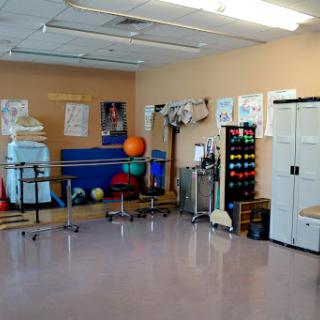
Exercise Equipment, Rehabilitation, Physical Therapy, Fitness, and Therapy Room
Natural Light
Flag
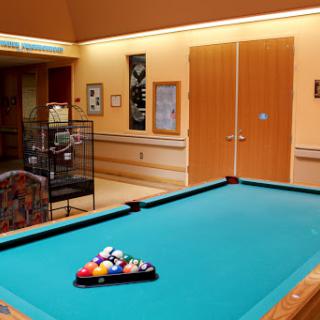
Billiards and Recreation Room
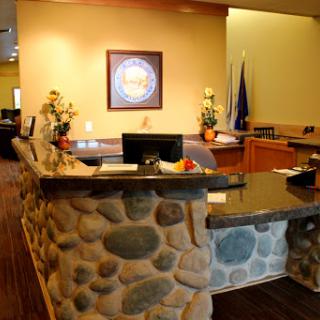
Office, Reception, and Stone Wall
Courtyard
Additional Photos
Get PricingAsk A QuestionSchedule A TourContact Senior Advisor
By clicking submit, you agree to our Partner's Terms of Use. You
also consent to receive calls and texts, which may be autodialed, from our Partner. Your consent is not a condition to
using our Partner's service. Please visit our Partner's Privacy Policy for information about their privacy practices.



 180 resident community capacity
 Skilled Nursing Facility
 Air-conditioning
 Beauty salon
 Cable or satellite TV
 Computer center
 Dining room
 Fitness room
 Fully furnished
 Gaming room
 Garden
 Housekeeping services
 Kitchenette
 Move-in coordination
 Outdoor space
 Private bathrooms
 Restaurant-style dining
 Small library
 Telephone
 Wellness center
 Wi-Fi/high-speed internet available
 McCarran International (17 miles away)
 Community operated transportation
 12-16 hour nursing
 24-hour call system
 Activities of daily living assistance
 Assistance with bathing
 Assistance with dressing
 Assistance with transfers
 Diabetes diet
 Medication management
 Mental wellness program
 Special dietary restrictions
 Concierge services
 Planned day trips
 Comprehensive skilled nursing care with 24/7 supervision, medication management, and diabetes-friendly dining.

 Financing Long-Term Nursing Home Care Through Social Security: A Thorough Exploration
 Essential Knowledge on Pneumonia in Older Adults
 Exploring Palliative Care in the Home: A Comprehensive Overview