TLC Care Center

Save

  • Interior

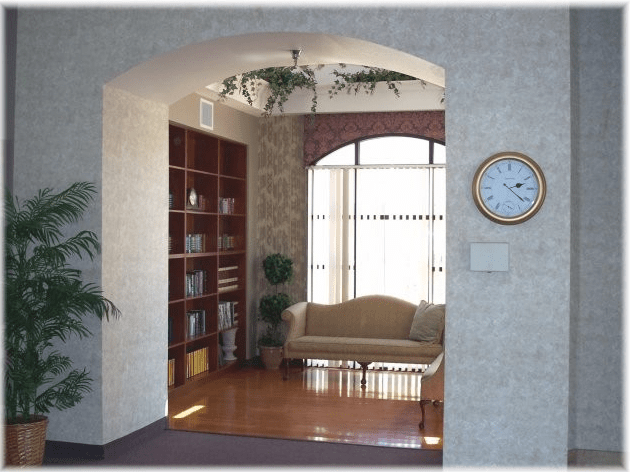
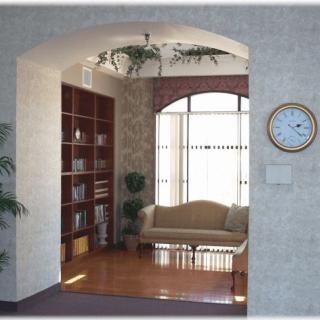
    A cozy living room with a sofa, bookshelf, and clock, viewed through an arched entrance.
  • Outdoors

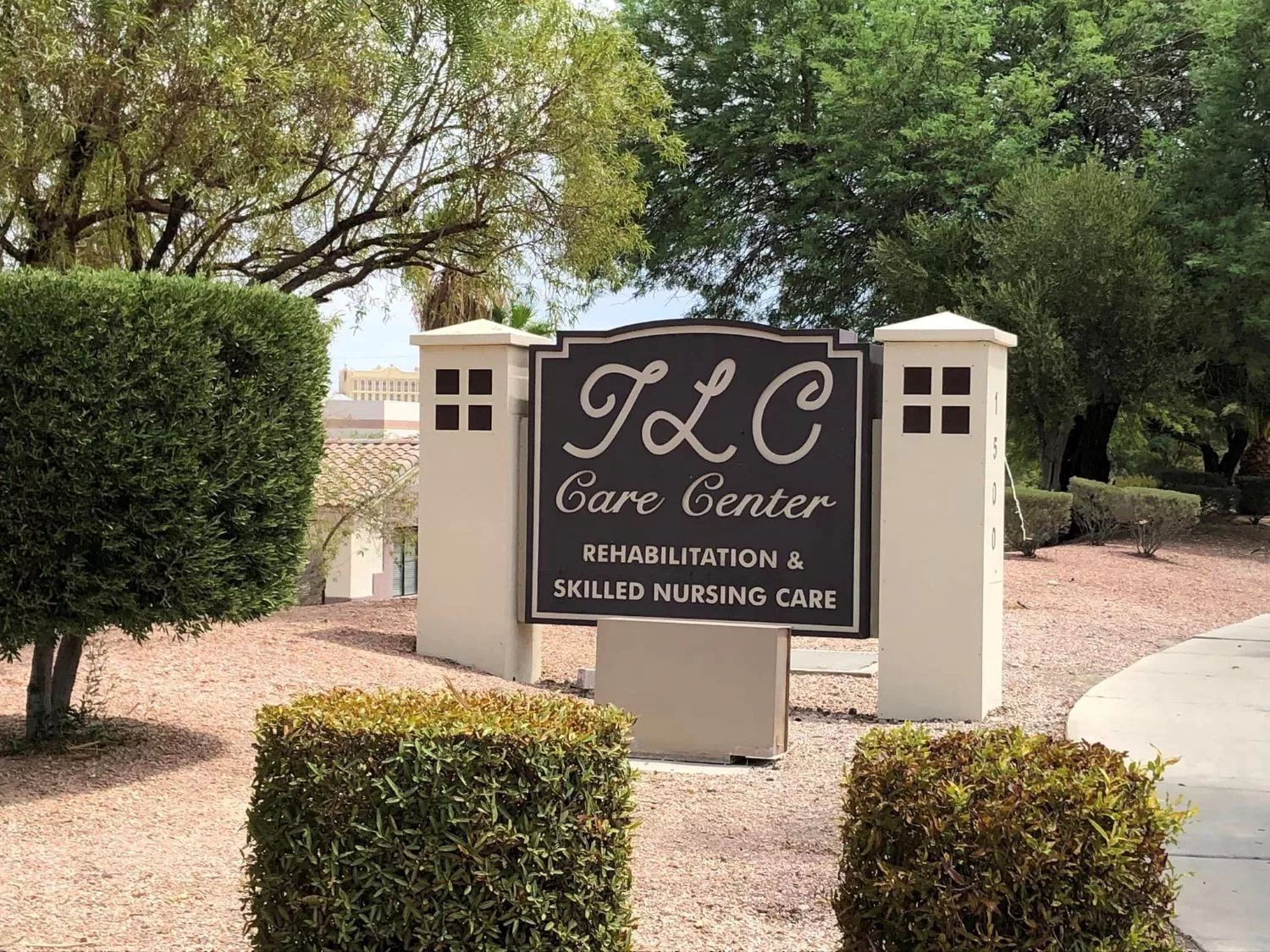
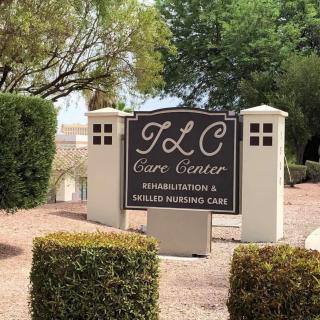
    Sign for TLC Care Center indicating rehabilitation and skilled nursing services, surrounded by landscaped greenery.
  • Decor

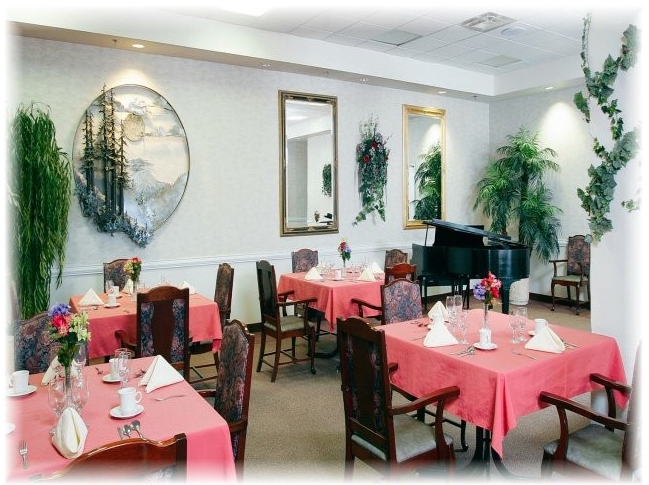
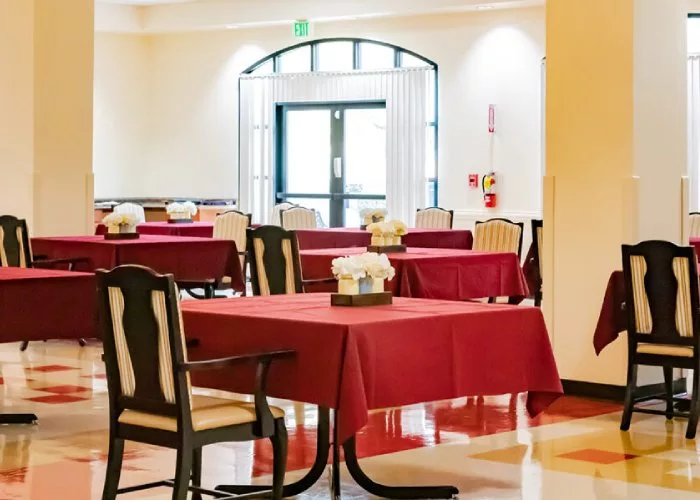
    A neatly arranged restaurant dining area with tables set for service.
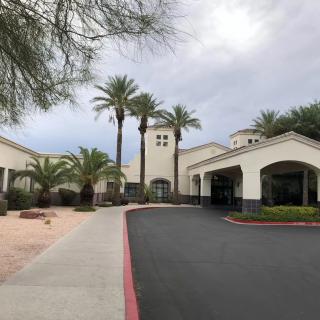
  • Building

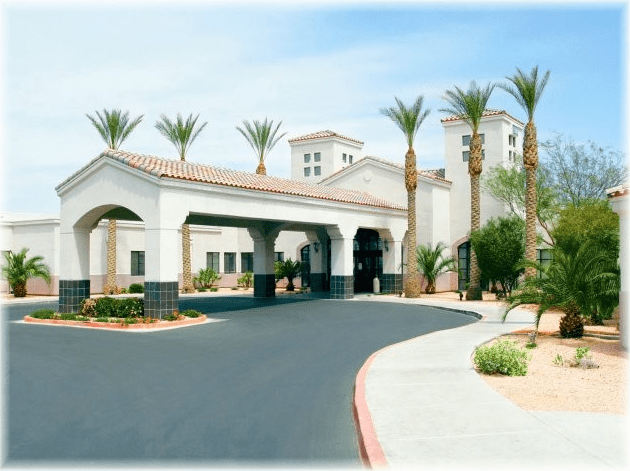
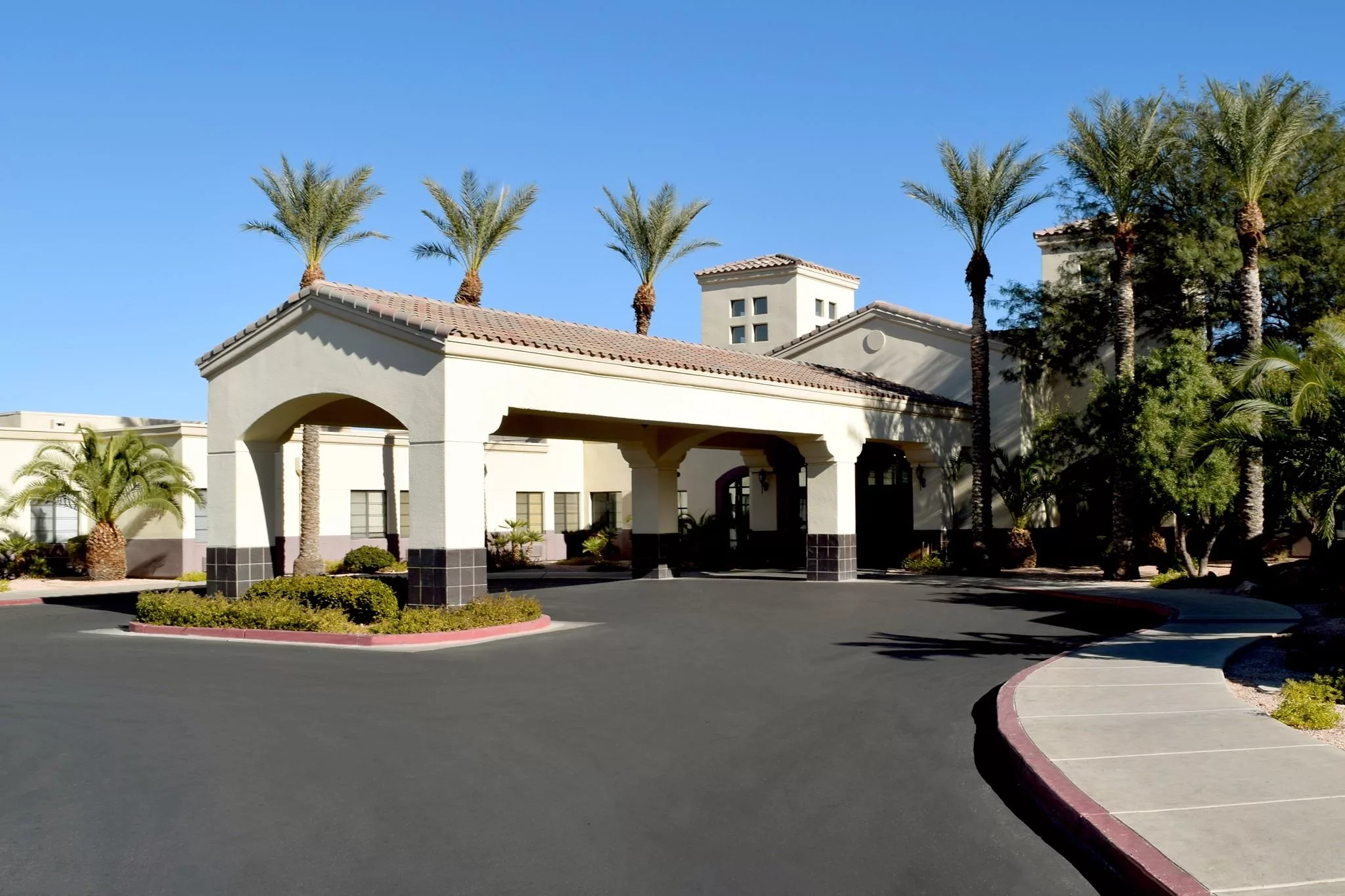
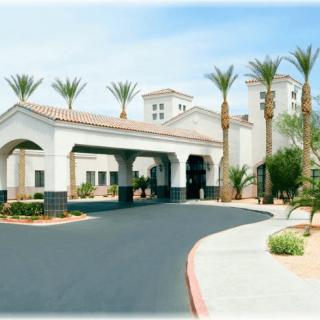
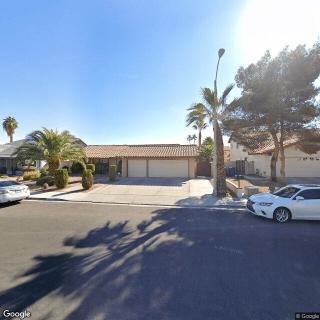
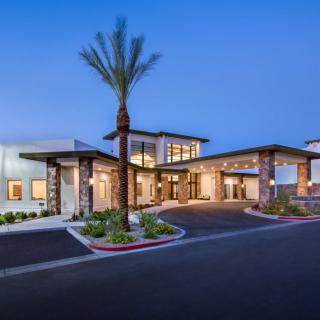
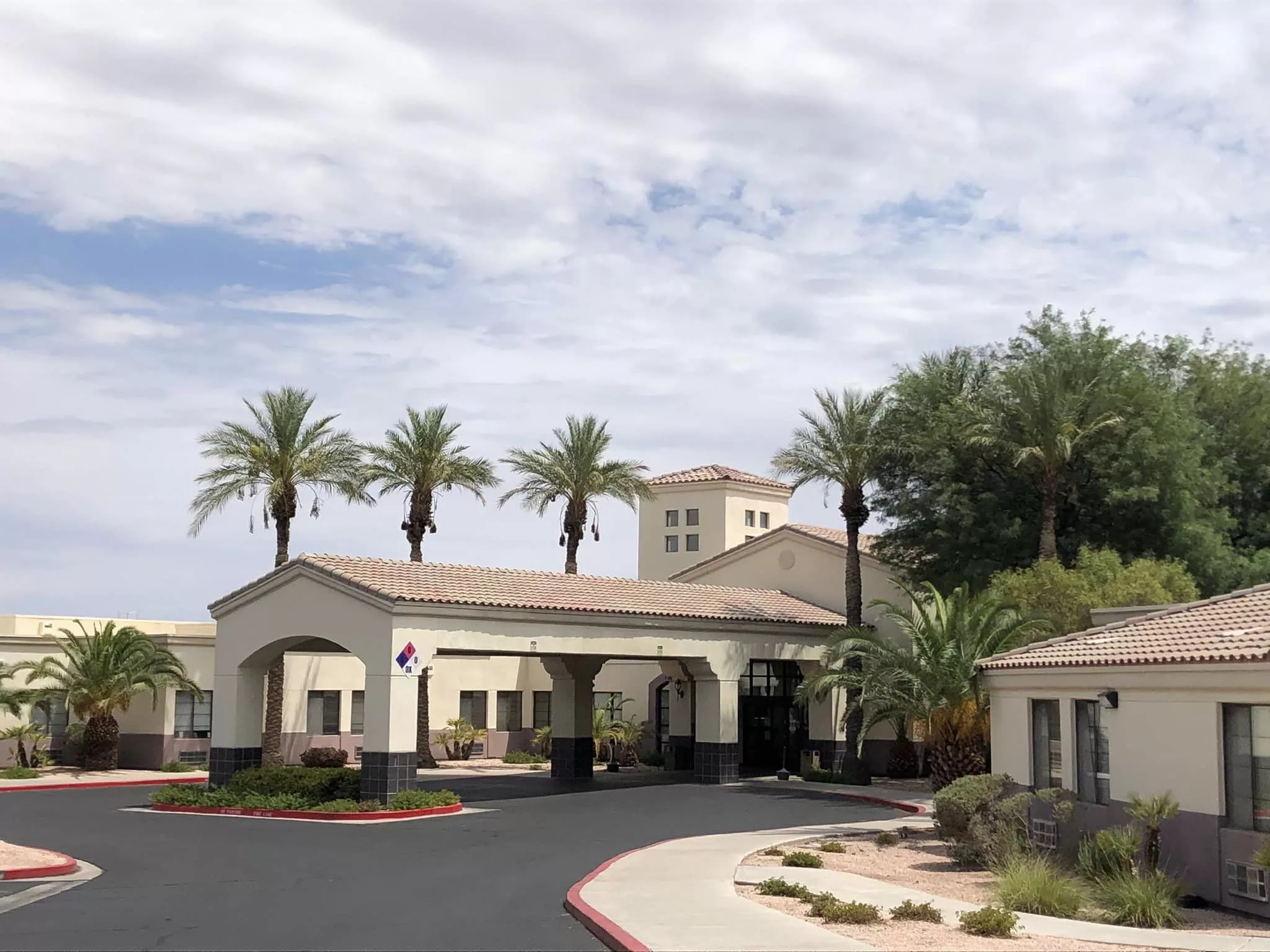
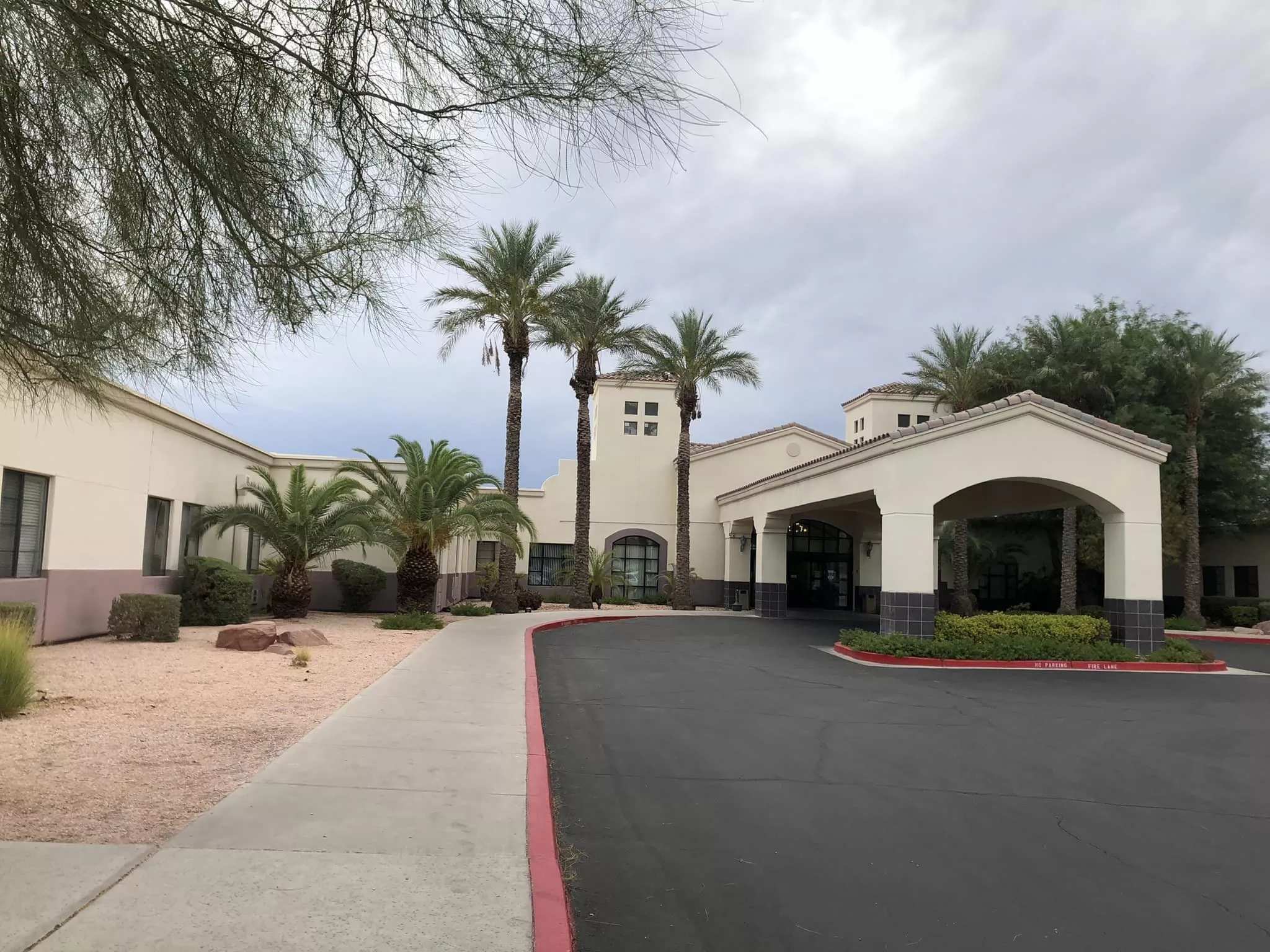
    A building entrance with palm trees and a curved driveway, surrounded by desert landscaping.
  • Architecture

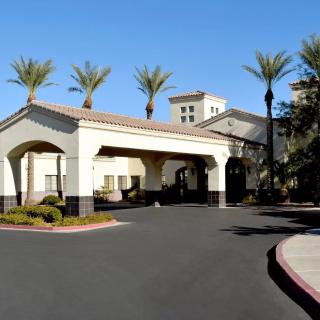
    A hotel entrance surrounded by palm trees and clear skies.
  • Dining

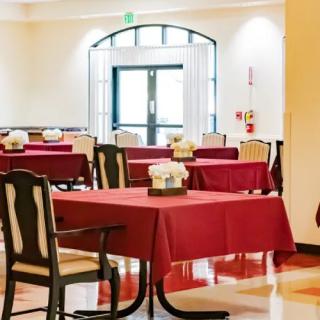
    An empty restaurant dining area with tables and red tablecloths.
  • Landscaping

    A sunlit building surrounded by desert vegetation and palm trees.
  • Entrance

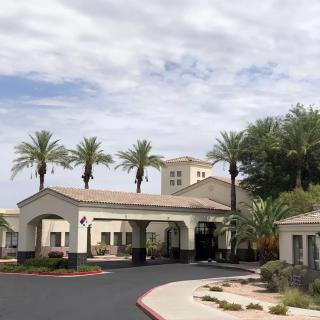
    A building entrance with palm trees lining the driveway under a cloudy sky.
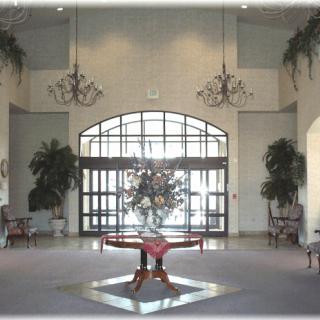
  • Lobby

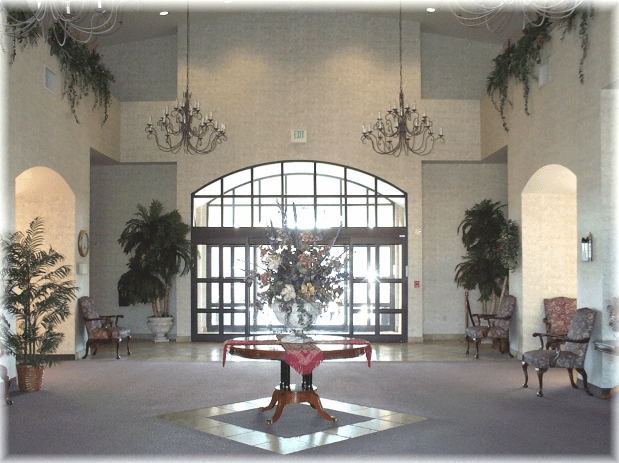
    A spacious lobby with chandeliers, decorative plants, and a central table arrangement.
  • Palm Trees

    A building with palm trees and a driveway leading to the entrance.
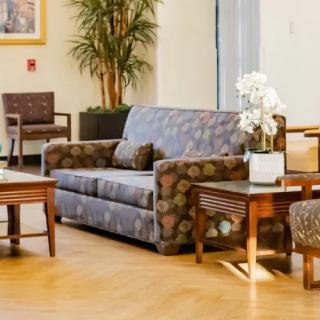
  • Waiting Area

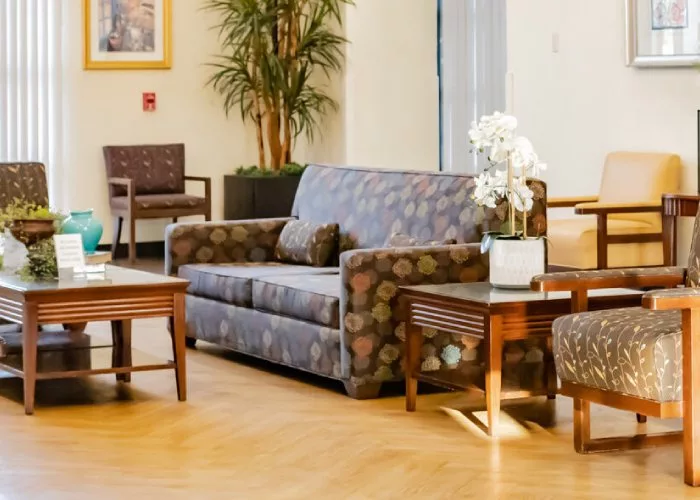
    A comfortable lobby area with a sofa, chairs, and tables adorned with indoor plants.

TLC Care Center

1500 W Warm Springs Rd, Henderson, NV 89014

For more information about senior living options: (844) 490-3973

3 from 129 reviews
5 stars
57
4 stars
6
3 stars
1
2 stars
7
1 stars
58

Skilled Nursing Facility

Overall Review of TLC Care Center

Pros

  • pro Tina, William, and Kendra in 800 hall provided excellent care.
  • pro Kristin Pallotti and Anne Jones treated the patient with respect and never made them feel like a burden.
  • pro Purity, Bernadette, and Alfonso offered kindness and took good care.
  • pro The Therapy Department delivered flawless service and works cohesively as a team.
  • pro Alan, the Therapy Department's leader, led an awesome, patient-focused crew; Roy, John, Rex, Enrico, Jaylene, Mike, Audrey and Eden showed kindness and encouragement.
  • pro The front desk staff member was kind and understanding.
  • pro Anne the CNA and Steven the CNA are great and caring.
  • pro The new therapy staff did not miss a beat and maintained high performance.

Cons

  • pro The facility frequently ran out of pain medications and deliveries were often late, sometimes by more than three hours.
  • pro Nurses occasionally administered incorrect medications or dosages, including a case where a double dose was given due to a faulty computer.
  • pro Some CNAs were described as there for a paycheck and treated patients as burdens.
  • pro Administration was criticized for prioritizing bed occupancy and profits over patient and staff welfare.
  • pro Nurses were put in charge of fire panels without proper training, creating safety concerns.
  • pro The building had serious maintenance and safety problems, including ceilings falling apart, bursting pipes, water leaks, mold, and dirty conditions.
  • pro Housekeeping was described as nearly nonexistent, with linens not changed, bathrooms not cleaned adequately, and overall cleanliness poor.
  • pro Communication and responsiveness were poor, with long waits (often 40+ minutes) for treatments and meds.
  • pro Patients were sometimes left unattended or unsafely disturbed by other residents wandering into rooms.

Review

During a stay at TLC from March 25 to September 27, 2025, multiple patients and family members described a troubling and inconsistent care environment. A central thread across the accounts is chronic delays and errors in delivering pain medications that had been scheduled by doctors to keep pain under control. The reviewer recalls nurses who were "NEVER brought the meds on time," with many instances of three or more hours late. There were several reports of incorrect medications or incorrect quantities, including one nurse who gave a double dose because the computer instructed her to do so, even though the system itself was wrong. In that moment, the patient felt compelled to intervene, underscoring a pattern of safety concerns tied directly to medication administration and the reliance on computerized directions that staff did not double-check or question.

Amid the difficulties, there were bright spots in the 800 hall. A few nurses - Tina, William, and Kendra - are singled out for consistently excellent care over the entire stay. The author expresses deep gratitude for their attentiveness and professionalism, noting that their care helped offset some of the ongoing frustrations. This praise sits alongside mixed experiences with other staff, reflecting a broader divide between nurses who provided reliable, timely care and others who fell short of expectations.

Caregiver quality extended beyond nursing to the CNAs, where the sentiment was split. Some CNAs were perceived as working strictly for a paycheck, treating patients as burdens or inconveniences, and there were reports of neglect that left patients unclean or unattended. Yet there were also several CNAs who stood out for genuine compassion and attentiveness. Kristin Pallotti and Anne Jones are named for never treating the patient as a burden and for providing outstanding care; Purity, Bernadette, and Alfonso are also acknowledged for kindness and consistent attention. These mixed experiences illustrate a facility-wide disparity in bedside care, with a few staff members consistently elevating the standard of care in an environment where others were perceived as disengaged.

The Therapy Department earned consistently high praise, even as staff turnover occurred. The therapist team continued to deliver effective, collaborative care, and the leadership of Alan - described as a fearless and effective leader - was highlighted for guiding a cohesive, harmonious unit. The reviewer specifically thanks Roy, John, Rex, Enrico, Jaylene, Mike, Audrey, and Eden for their kindness, patience, and encouragement. Despite changes in personnel, the department's teamwork and patient-centered encouragement remained a standout positive in an otherwise challenging experience.

Administrative and facility concerns dominated many of the most blistering comments. The reviewer argues that TLC could be decent if management showed more care for staff and patients, rather than prioritizing bed counts for revenue. Specific grievances include poor food quality, subpar television service, and air conditioning failures in the physical and occupational therapy area during a hot summer. Alarms - fire and other alarms - were described as constant, contributing to a chaotic atmosphere. The reviewer observed wandering patients and even described a disturbing incident where a patient repeatedly entered another patient's room during the night. Complaints about administrative responsiveness were sharp; one administrator's bedside manner appeared non-listening, leading to frustration and ongoing concern from both patients and families. A recurring theme was that administrators claimed to be listening while returning with unsatisfying or dismissive responses.

There is a particularly troubling section of the narrative that addresses safety and staffing in a way that will alarm readers. The suggestion that nurses themselves were in charge of monitoring fire panels, performing checks roughly every 30 minutes while also tending to 25+ patients and without proper training, was described as a dangerous and unacceptable arrangement. The user paints a portrait of a facility in which maintenance duties were outsourced or reduced for cost savings, with ceilings that were described as falling apart, pipes bursting over patient areas, water leaks requiring buckets, and the looming threat of black mold in the ceilings. The restrooms and floors were described as unsanitary, with housekeeping "non-existent." Call bells were allegedly ignored or went unanswered for long periods, and the overall atmosphere was a far cry from what one would expect in a safe, well-maintained care setting. The reviewer's strong language - calling the place unsafe and urging readers to reconsider sending loved ones there - conveys a deep-seated fear for patient safety.

Beyond the broader facility and safety concerns, individual experiences varied widely. Another reviewer asked why there isn't a zero-star option, recounting a stay that involved a complete lack of baths, unresolved medication issues for 24 hours, and rude, unhelpful behavior. The head nurse, William, and the director were described as unhelpful and condescending, with a sense that the facility was severely understaffed. Yet there were redeeming moments: a front-desk staff member was described as kind and patient with visitors, and several therapy staff - though not named in this section as part of the therapy department - were credited with making a meaningful difference, particularly when they supported the patient through challenging times. The narrative also includes a stark contrast between the compassionate efforts of some therapy and nursing staff and the variable conduct of others, including stories of CNAs who were perceived as careless or distracted by personal calls.

The concluding sentiment across these accounts is a call for fundamental improvements: better staffing ratios, more reliable medication administration, safer and cleaner facilities, more accountable administration, and a commitment to patient dignity and rights. The author highlights both exemplary staff - nurses Tina, William, Kendra; Kristin Pallotti; Anne Jones; Purity; Bernadette; Alfonso; and the therapy team led by Alan - and the troubling patterns of neglect and safety risks that undermine confidence in the facility. The overarching message is not simply dissatisfaction; it's a plea for substantive change to protect patients, ensure safe care, and restore trust in a system that should prioritize health, safety, and humane treatment above all else.

Features

Housing

  • 255 resident community capacity 255 resident community capacity

Types of Care

  • Skilled Nursing Facility Skilled Nursing FacilitySkilled Nursing Facilities are crucial for seniors as they provide round-the-clock medical care, rehabilitation services, and assistance with daily activities. These facilities ensure that seniors receive the specialized care they need to maintain their health and well-being as they age.

Amenities

  • Air-conditioning Air-conditioningAir conditioning is important for seniors as they are more vulnerable to heat-related illnesses and may have underlying health conditions that make it difficult for them to regulate their body temperature. It helps to keep them comfortable, safe, and healthy in hot weather.
  • Beauty salon Beauty salonBeauty salons are important for seniors because they provide a space for them to feel pampered, socialize, and maintain their personal grooming and hygiene. Regular visits to a beauty salon can help boost seniors' self-esteem and overall well-being.
  • Cable or satellite TV Cable or satellite TVCable or satellite TV is important for seniors because it provides entertainment, news, and companionship, helping to combat loneliness and boredom. It also offers a wide range of programming options tailored to different interests and preferences.
  • Computer center Computer centerA computer center is essential for seniors as it provides access to technology, communication tools, and resources that can enhance their daily lives. It allows them to stay connected with loved ones, engage in online activities, and learn new skills, ultimately promoting socialization and mental stimulation.
  • Dining room Dining roomDining rooms are important for seniors as they provide a space for socialization, connection, and nutritious meals. They offer opportunities for residents to bond over shared meals, foster a sense of community, and promote healthy eating habits. Dining rooms also ensure that seniors have access to well-balanced meals tailored to their dietary needs and preferences.
  • Fitness room Fitness roomHaving a fitness room in a senior living community is essential for seniors to stay active, maintain their physical health, and improve their overall well-being. Regular exercise can help prevent falls, reduce the risk of chronic diseases, and promote mental sharpness. It also provides social opportunities for residents to connect with others and enjoy a sense of community.
  • Fully furnished Fully furnishedFully furnished senior living communities are important for seniors because they provide convenience, comfort, and a hassle-free moving experience. Seniors can easily settle into their new living space without the stress of having to buy and move furniture. This allows them to focus on enjoying their new home and community.
  • Gaming room Gaming roomGaming rooms are important for seniors as they provide a fun and engaging environment for socializing, cognitive stimulation, and physical activity. Games can improve memory, problem-solving skills, and overall mental well-being while fostering friendships and reducing feelings of isolation.
  • Garden GardenGardens are important for seniors as they provide a peaceful and therapeutic environment for relaxation, physical activity, and socialization. Being in nature has been shown to reduce stress, improve mood, and promote overall well-being. Gardens also offer opportunities for seniors to engage in gardening activities, which can improve mobility, flexibility, and cognitive function. Additionally, gardens create a sense of community and connection with others who share a passion for plants and outdoor spaces.
  • Housekeeping services Housekeeping servicesHousekeeping services are important for seniors because they help maintain a clean and safe living environment, promote independence, and reduce the risk of accidents or illnesses. Additionally, having assistance with household chores can alleviate physical strain and allow seniors to focus on other aspects of their well-being.
  • Kitchenette KitchenetteKitchenettes are important for seniors living in senior living communities because they provide the convenience and independence of being able to prepare simple meals and snacks in the comfort of their own living space. This can help promote a sense of autonomy and well-being for seniors, allowing them to maintain some level of control over their dietary choices and daily routines.
  • Move-in coordination Move-in coordinationMove-in coordination is important for seniors because it helps ease the transition into their new living environment. It ensures that all logistics, such as packing, organizing movers, and setting up utilities are taken care of, allowing seniors to focus on settling in and adjusting to their new home. Having a smooth move-in process can alleviate stress and anxiety, making the transition smoother and more enjoyable for seniors.
  • Outdoor space Outdoor spaceOutdoor spaces are important for seniors as they provide opportunities for physical activity, social interaction, exposure to natural light and fresh air, and a sense of connection to nature. Having access to outdoor spaces can improve overall well-being and quality of life for older adults living in senior communities.
  • Private bathrooms Private bathroomsPrivate bathrooms are important for seniors in senior living communities because they provide independence, dignity, and comfort. Having a private bathroom allows seniors to maintain their personal hygiene routines without the need for assistance, promoting a sense of autonomy and privacy. Additionally, private bathrooms help prevent the spread of infections and provide a safe and clean environment for seniors to navigate safely.
  • Restaurant-style dining Restaurant-style diningRestaurant-style dining is important for seniors because it allows them to enjoy delicious, nutritious meals in a social and upscale setting. This enhances their dining experience, promotes healthy eating habits, and fosters socialization with fellow residents, ultimately contributing to their overall well-being and quality of life.
  • Small library Small librarySmall libraries are important for seniors as they provide access to a variety of reading materials, including books, newspapers, and magazines. This can help stimulate their minds, keep them engaged, and provide a sense of community through book clubs and other social activities. Additionally, reading has been shown to improve cognitive function and overall mental well-being in older adults.
  • Telephone TelephoneTelephones are important for seniors as they provide a lifeline for communication with loved ones, emergency services, and healthcare providers. They offer a sense of security and independence, enabling seniors to stay connected and access assistance when needed.
  • Wellness center Wellness centerWellness centers are important for seniors because they offer a variety of programs and services that promote physical, mental, and emotional well-being. These centers provide opportunities for exercise, socialization, education, and relaxation, helping seniors maintain their overall health and quality of life.
  • Wi-Fi/high-speed internet available Wi-Fi/high-speed internet availableWi-Fi/high-speed internet is important for seniors to stay connected with loved ones, access online resources, and participate in virtual activities to combat feelings of loneliness and isolation. It also allows them to easily manage healthcare needs, access entertainment, and engage in lifelong learning opportunities.

Transportation

  • McCarran International (6 miles away) McCarran International (6 miles away)
  • Community operated transportation Community operated transportationCommunity operated transportation is crucial for seniors as it provides them with the means to access essential services, social activities, and medical appointments. It allows seniors to maintain their independence and quality of life by ensuring they can participate in activities outside of their homes. Additionally, community-operated transportation services offer a safe and reliable way for seniors to travel without having to rely on family or friends for assistance.
  • Transportation arrangement Transportation arrangementTransportation arrangements are crucial for seniors as they may face challenges with driving, mobility, or access to public transportation. Having reliable transportation services ensures that seniors can easily attend appointments, social activities, and maintain their independence and quality of life.
  • Transportation arrangement (non-medical) Transportation arrangement (non-medical)Transportation arrangements are essential for seniors as they provide access to essential services, activities, and social interactions outside the home. This service helps maintain independence, mobility, and overall well-being for seniors who may have limited transportation options.
  • Transportation to doctors appointments Transportation to doctors appointmentsTransportation to doctors appointments is crucial for seniors as it ensures they have access to necessary medical care and support, promoting their health and well-being. It allows them to receive timely treatment, monitor existing conditions, and address any new health concerns efficiently. Additionally, transportation services can help seniors maintain their independence and quality of life by enabling them to stay connected with their healthcare providers.

Care Services

  • 12-16 hour nursing 12-16 hour nursing12-16 hour nursing care is crucial for seniors in order to ensure around-the-clock monitoring, timely medication administration, and prompt response to any health concerns or emergencies. This level of care helps to promote the overall well-being and safety of seniors living in senior living communities.
  • 24-hour call system 24-hour call system24-hour call systems are important for seniors because they provide peace of mind and immediate assistance in case of emergencies. This technology ensures that help is always available, promoting safety and security for elderly individuals living alone or in assisted living facilities.
  • 24-hour supervision 24-hour supervision24-hour supervision is important for seniors to ensure their safety, well-being, and access to immediate assistance in case of emergencies or health issues. This constant support provides peace of mind for both seniors and their loved ones, allowing them to age in place with dignity and security.
  • Activities of daily living assistance Activities of daily living assistanceActivities of daily living assistance are important for seniors because they provide essential support with tasks such as eating, bathing, dressing, and mobility. This assistance helps seniors maintain their independence, dignity, and overall quality of life as they age.
  • Assistance with bathing Assistance with bathingAssistance with bathing is crucial for seniors as it helps maintain personal hygiene, prevents infections, and ensures their overall well-being and comfort. It also provides a sense of dignity and independence for seniors who may struggle with this task on their own.
  • Assistance with dressing Assistance with dressingAssistance with dressing is important for seniors because it helps maintain their independence, promotes personal hygiene, prevents accidents and injuries, and improves overall quality of life. This service ensures that seniors can continue to dress comfortably and confidently, despite any physical limitations they may have.
  • Assistance with transfers Assistance with transfersAssistance with transfers is crucial for seniors as it helps prevent falls and injuries, maintains their independence, and ensures they can safely navigate their living environment. It also provides peace of mind for both seniors and their loved ones.
  • Diabetes diet Diabetes dietA diabetes diet is crucial for seniors as it helps manage blood sugar levels, reduce risks of complications, and improve overall health and well-being. By following a balanced and nutritious diet tailored to their specific needs, seniors can better control their diabetes and enhance their quality of life.
  • High acuity care High acuity careHigh acuity care is important for seniors because it provides specialized medical attention and support for individuals with complex medical needs. This level of care ensures that seniors receive the appropriate treatment and assistance to maintain their health and quality of life as they age.
  • Meal preparation and service Meal preparation and serviceMeal preparation and service are crucial for seniors as they may have limited mobility or energy to cook nutritious meals. Having access to healthy and convenient food options can ensure they are getting the proper nutrition needed to maintain their overall health and well-being.
  • Medication management Medication managementMedication management is crucial for seniors to ensure they are taking the right medications at the correct dosages and times. This helps prevent adverse drug interactions, reduces the risk of medication errors, and promotes overall health and well-being. Proactive management also allows for adjustments as needed based on changing health conditions or new prescriptions.
  • Mental wellness program Mental wellness programMental wellness programs are essential for seniors as they promote cognitive stimulation, emotional support, and social engagement. These programs help prevent isolation, depression, and cognitive decline, ultimately enhancing the overall quality of life for older adults.
  • Special dietary restrictions Special dietary restrictionsSpecial dietary restrictions are important for seniors because age-related changes in metabolism and health conditions can make it difficult for their bodies to process certain foods. By following a diet tailored to their specific needs, seniors can maintain their overall health and well-being, manage chronic conditions, and reduce the risk of complications such as malnutrition or food interactions with medications.

Dining

  • Diabetes diet Diabetes dietA diabetes diet is crucial for seniors as it helps manage blood sugar levels, reduce risks of complications, and improve overall health and well-being. By following a balanced and nutritious diet tailored to their specific needs, seniors can better control their diabetes and enhance their quality of life.
  • Special dietary restrictions Special dietary restrictionsSpecial dietary restrictions are important for seniors because age-related changes in metabolism and health conditions can make it difficult for their bodies to process certain foods. By following a diet tailored to their specific needs, seniors can maintain their overall health and well-being, manage chronic conditions, and reduce the risk of complications such as malnutrition or food interactions with medications.

Activities

  • Community-sponsored activities Community-sponsored activitiesCommunity-sponsored activities are important for seniors as they provide opportunities for social interaction, mental stimulation, and physical activity. These activities can help improve overall well-being, combat loneliness and isolation, and promote a sense of belonging and purpose among older adults.
  • Concierge services Concierge servicesConcierge services are essential for seniors as they provide assistance with daily tasks and errands, enhance their quality of life by offering convenience and personalized care, and promote a sense of safety and security.
  • Fitness programs Fitness programsFitness programs are crucial for seniors as they help improve strength, flexibility, balance, and overall well-being. Staying active can reduce the risk of chronic diseases, improve mental health, and enhance quality of life in older adults.
  • Planned day trips Planned day tripsPlanned day trips are important for seniors because they offer opportunities for socialization, mental stimulation, and physical activity. They provide a change of scenery and help seniors stay engaged and connected to their community, promoting overall well-being and quality of life.
  • Resident-run activities Resident-run activitiesResident-run activities are important for seniors as they encourage social interaction, creativity, and a sense of autonomy. These activities empower seniors to stay engaged and active in their community while fostering meaningful connections with their peers.
  • Scheduled daily activities Scheduled daily activitiesScheduled daily activities are important for seniors because they provide structure, socialization, mental stimulation, and physical activity. Engaging in regular activities can improve overall well-being and quality of life for seniors living in a community setting.

Description

TLC Care Center in Henderson, NV is a thriving assisted living community that offers exceptional care and support for seniors. Located in a convenient area, this facility provides easy access to various amenities nearby.

With three cafes within close proximity, residents can enjoy a cup of coffee or grab a quick bite to eat with friends and family. These cafes provide a comfortable and relaxed atmosphere for socializing and enjoying delicious treats.

Nature enthusiasts will appreciate the three parks nearby, where they can take leisurely walks, have picnics, or simply soak in the fresh air. These beautiful green spaces offer opportunities for residents to connect with nature and engage in outdoor activities.

The presence of 23 pharmacies ensures that residents have convenient access to necessary medications and healthcare supplies. This gives peace of mind to both seniors and their families, knowing that their medical needs are readily met.

In terms of medical care, TLC Care Center benefits from 11 physicians located nearby. This proximity allows for regular check-ups, consultations, and specialized treatments when required. The close relationship between the facility and these professionals creates a seamless healthcare experience for residents.

When it comes to dining options, residents are spoiled for choice with 29 restaurants in the vicinity. From casual eateries to fine dining establishments, there is something to satisfy every palate and preference. Sharing meals with loved ones or making new friends over delicious cuisine becomes part of the vibrant community experience.

Transportation services make it easy for residents to travel around the area as needed. Whether it's running errands or attending appointments, this accessible transportation option ensures independence and freedom for individuals residing at TLC Care Center.

Lastly, having a hospital located nearby provides additional comfort and security should any urgent medical situations arise. Immediate access to emergency care facilities is an essential aspect of this assisted living community’s commitment to resident safety and well-being.

Overall, TLC Care Center in Henderson, NV offers a supportive environment where seniors can thrive while enjoying convenience at its finest. With an array of amenities nearby, residents can experience a well-rounded and fulfilling lifestyle, making this facility an excellent choice for assisted living.

Nearby Places of Interest

This area of Henderson, Nevada offers a convenient and accessible location with a variety of amenities nearby. With multiple pharmacies, restaurants, cafes, and physicians within a few miles radius, residents have easy access to essential services. The presence of parks such as Arroyo Grande Sports Complex and Wally Wombats provides opportunities for outdoor recreation and leisure activities. In terms of healthcare, there are reputable hospitals like Lake Mead Health and Rehabilitation Center and Dignity Health - St. Rose Dominican Hospital nearby. Additionally, transportation options like Enterprise Rent-A-Car are readily available for those who may need it. Overall, this part of Henderson offers a well-rounded environment for senior living with numerous conveniences at close proximity.

Pharmacies

  • CVS Pharmacy (0.4 miles)
  • Walgreens (0.4 miles)
  • CVS Pharmacy (1.2 miles)
  • Smith's Food & Drug (1.7 miles)
  • Smith's Food & Drug (2.3 miles)
  • Walgreens (2.4 miles)
  • Walgreens (2.5 miles)

Restaurants

  • McDonald's (0.5 miles)
  • Jack In The Box (0.6 miles)
  • Burger King (0.6 miles)
  • In-N-Out Burger (1 miles)
  • Panda Express (1.1 miles)
  • Joe's Place (1.1 miles)
  • Raising Cane's Chicken Fingers (1.6 miles)

Parks

  • Arroyo Grande Sports Complex (0.7 miles)
  • Wally Wombats (0.8 miles)
  • Central Park (4.6 miles)
  • Hayley Hendricks Park (5.2 miles)
  • Heritage Park (5.6 miles)
  • McCullough Vista Park (5.7 miles)
  • Lake Mead Lake Las Vegas Entrance (5.8 miles)

Physicians

  • University Medical Center (0.8 miles)
  • Jacobs Medical Associates (1 miles)
  • Allcare for Women: Candance Leaphart St Cloud, DO, FACOG (1.7 miles)
  • Nevada Eye Physicians (1.7 miles)
  • Health Center at Touro (1.7 miles)
  • Clinical Neurology Specialists (3.1 miles)
  • Heiner Sarah MD (3.3 miles)

Cafes

  • Dutch Bros Coffee (0.8 miles)
  • Starbucks (1.4 miles)
  • Starbucks (1.5 miles)

Transportation

  • Enterprise Rent-A-Car (1 miles)
  • International Arrivals (5.1 miles)
  • The Club (5.1 miles)
  • The Centurion Lounge (5.1 miles)
  • Concourse D (5.2 miles)
  • The Club (5.2 miles)
  • TSA Checkpoint - Terminal 3 (5.3 miles)

Hospitals

  • Lake Mead Health and Rehabilitation Center (4.9 miles)
  • Dignity Health - St. Rose Dominican Hospital, Siena Campus - Henderson, NV (5.2 miles)

Frequently Asked Questions

Where is TLC Care Center?
What photos are available for TLC Care Center in Henderson, Nevada?

Nearby Communities

Skilled Nursing Facility in Nearby Cities

Related Resources

  • palliative care at homeComprehensive Insights into Palliative Home Care: What It Is and What to Expect

    Palliative home care focuses on improving the quality of life for individuals with serious illnesses by providing comfort, symptom management, and emotional support in their own homes. This approach includes personalized care plans, regular assessments, and resources for family caregivers, all while prioritizing person-centered treatment that aligns with patients' goals.

  • skilled nursing facility vs nursing homeSkilled Nursing Facilities vs. Nursing Homes: Making Sense of the Differences

    Skilled nursing facilities (SNFs) provide high-level medical care and rehabilitation for short-term recovery, typically covered by Medicare after hospitalization, while nursing homes focus on ongoing custodial care for chronic conditions, mainly funded by Medicaid or private payments. The staffing and regulatory structures differ significantly between the two, necessitating clarity for families in choosing appropriate long-term care options.

  • nursing home costsA Detailed Examination of Nursing Home Costs Across the U.S.
    Nursing home care costs in the U.S. vary significantly based on location, level of care, and amenities, with private room prices ranging from approximately $6,700 to over $30,000 monthly. Families need to explore various payment options and conduct thorough research to manage these expenses effectively.