
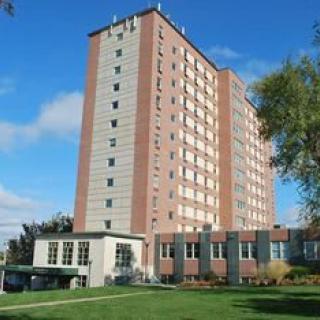
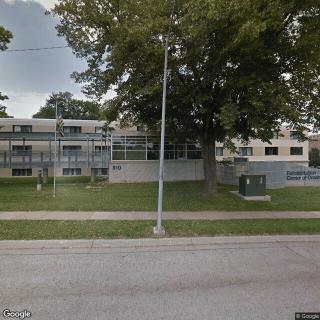
2305 S 10th Street, Omaha, NE 68108
To contact a resident: (402) 345-5683
For more information about senior living options: (866) 208-4318
St Joseph Villa Costs & Pricing
St. Joseph Villa offers a competitive monthly private room rate of $2,800, significantly lower than the averages in both Douglas County and the broader state of Nebraska, where costs are approximately $4,184 and $4,615 respectively. This pricing positions St. Joseph Villa as an attractive option for individuals seeking quality care without the financial burden typically associated with similar facilities. By providing a cost-effective solution while maintaining high standards of care and comfort, St. Joseph Villa stands out as a prudent choice for families navigating long-term care options in the region.
| Floor plans | St Joseph Villa | Douglas County | Nebraska |
|---|---|---|---|
| Private | $2,800 | $4,184 | $4,615 |
Skilled Nursing Facilities with a similar price nearby
-
from +$88 / mo
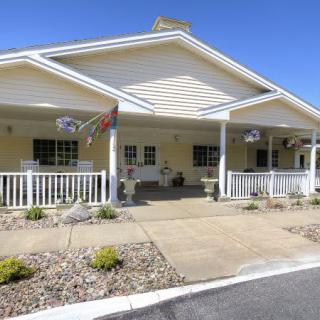
Carter Place
$2,888 to $4,986 / month24.3 miles away -
from +$490 / mo
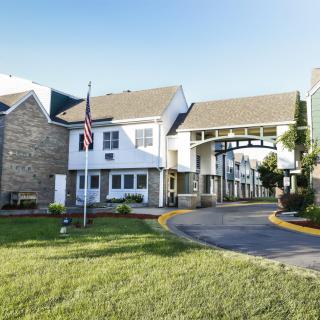
Hickory Villa
$3,290 / month5.1 miles away -
from +$550 / mo

Rose Blumkin Jewish Home
$3,350 to $3,500 / month9.8 miles away -
from -$460 / mo
Sorensen Care And Rehabilitation Center
$2,340 to $3,600 / month5.8 miles away
Overall Review of St Joseph Villa
Pros
 He is very happy there.
- It is a terrific place.
- The staff take excellent care of residents.
- The facility offers a wide range of activities that help residents make friends.
- The cooks prepare wonderful meals for residents.
- The staff treat residents with dignity and respect, giving families peace of mind.
- Nursing care is outstanding and the staff are genuinely caring.
Cons
 The facility is criticized for unethical treatment of elders, with a strong warning not to send loved ones there.
 - The administrator is described as unprofessional and combative toward families, even threatening to involve legal action.
- There are reports of medication mishandling, including meds left out and doubts about whether residents received them.
- Meals are said to be delayed, with staff distracted by phones and not attending to residents promptly.
- Serious accusations of fraud are raised, including potential double Medicaid payments.
- The front desk staff are described as rude, creating a negative first impression for visitors.
Review
St. Joseph Villa in Omaha is best suited for families seeking a dementia-focused environment where a dedicated care team, strong memory-care programming, and plenty of social activity are valued above all. The campus earns praise for its memory-care unit, where residents often form friendships, participate in daily programs, and receive attentive hands-on support. For families navigating a rehab-to-long-term transition, the facility has historically shown the ability to guide residents through difficult changes with a familiar, personable staff and routine that prioritizes dignity and daily connection.
Yet, there are clear caveats that deserve sober consideration. Several reviews flag serious concerns about administrative leadership and day-to-day reliability, including some encounters with unprofessional communication, opaque financial discussions, and disputes over care planning. A pattern of mixed experiences also surfaces around meal service timing, access to assistance at meals, and occasional lapses in medication handling. Those red flags are amplified by multiple sources who describe confrontations with administration and questions about how Medicaid-related costs are managed. In short, leadership and operational consistency are the defining risk factors here.
The strongest upside rests with the caregivers and the social fabric of the community. Numerous families recount compassionate nursing and aides who stay engaged with residents, a robust activity slate, good meals, and meaningful outings that create a sense of community. The memory-care team, in particular, is repeatedly described as attentive and involved, with staff keeping families informed and residents connected to events and daily routines. When the care staff shines, the day-to-day experience feels warm and safe, with residents often showing improvement in mood and engagement through structured programs and steady supervision.
Those advantages only partially offset the downsides when the leadership and systems infrastructure falter. For families who prioritize stable administration, transparent billing, and predictable service delivery, the variability here can be a deal-breaker. The mix of highly positive care experiences alongside repeated, specific complaints about a named administrator and procedural gaps creates a tension that can be hard to navigate, especially for new residents or families facing Medicaid coordination and long-term cost questions. In such cases, the same staff members who deliver kindness and competence at the bedside may not consistently translate that care into a friction-free experience at the family-administration interface.
For the decision-maker, a practical path forward is essential. Schedule visits to observe the dementia unit and rehab pathways, and insist on meeting the administrator and key nursing leaders to gauge communication style and transparency. Probe deeply into medication administration routines, error-reporting processes, and how care plans are reviewed with families. Request recent care calendars, meal schedules, and a tour of how outside visits are coordinated. If Medicaid or payer communications are expected to drive the financial conversation, bring in a trusted advisor to review contracts and anticipated costs. Gather references from multiple families to understand how experiences may vary by shift and department.
Overall, St. Joseph Villa presents a compelling choice for families prioritizing memory-care quality and active engagement, provided acceptance is given to potential leadership and process variability. It stands out for genuine caregiver devotion, resident-centered activities, and affectionate daily routines that can deliver meaningful quality of life. If the priority is a consistently decisive administration, predictable billing, and uniformly seamless operations, stronger alternatives should be explored. For families weighing the decision, the conclusion is clear: the care team and the dementia program can deliver real value, but the decision hinges on tolerance for administrative unpredictability and the surrounding financial-bureaucratic dynamics.
 Skilled Nursing Facility
 Eppley Airfield (5 miles away)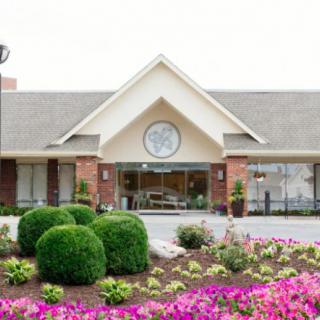

 Skilled Nursing Facilities vs. Nursing Homes: Making Sense of the Differences
 A Detailed Examination of Nursing Home Costs Across the U.S.
 Exploring Nonmedical Home Care: Understanding Services, Costs, and Financial Approaches