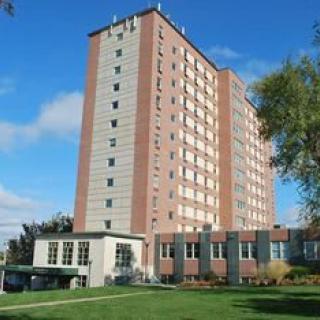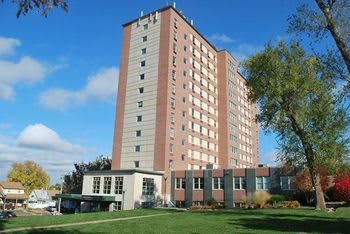



2205 S 10th St, Omaha, NE 68108
To contact a resident: (402) 952-5000
For more information about senior living options: (866) 208-4318
St. Joseph Tower Assisted Living Costs & Pricing
St. Joseph Tower Assisted Living offers a one-bedroom unit at a monthly cost of $4,060, which reflects the specialized services and amenities tailored to enhance the quality of life for its residents. In comparison, the average assisted living costs in Douglas County stand at approximately $2,803, while across Nebraska the figure hovers around $3,167. This indicates that St. Joseph Tower's pricing is significantly higher than both the county and state averages, likely due to its unique offerings and personalized care options that cater to individual needs. Potential residents should consider these factors when evaluating their options in assisted living facilities, as they may find that the added value at St. Joseph Tower justifies the premium cost.
| Floor plans | St. Joseph Tower Assisted Living | Douglas County | Nebraska |
|---|---|---|---|
| 1 Bedroom | $4,060 | $2,803 | $3,167 |
Assisted Living communities with a similar price nearby
-
from +$444 / mo
Valley Lakes
$4,504 to $4,854 / month22.1 miles away -
from -$325 / mo
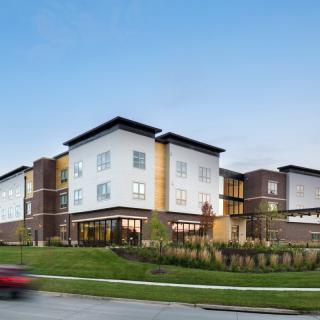
Aksarben Village Senior Living Community
$3,735 to $4,915 / month4.8 miles away -
from -$783 / mo

Westgate Assisted Living
$3,277 to $5,783 / month5.6 miles away -
About the same
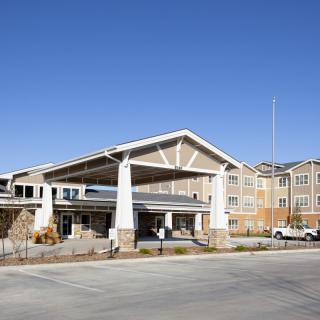
Cedarhurst of La Vista
$4,000 to $6,200 / month6.5 miles away -
from -$380 / mo
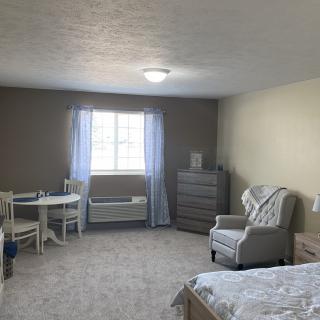
Bailey Pointe at Plattsmouth
$3,680 to $4,295 / month16.5 miles away
Overall Review of St. Joseph Tower Assisted Living
Pros
 They are fantastic and very thankful.
- This would be a great home for Jonathan.
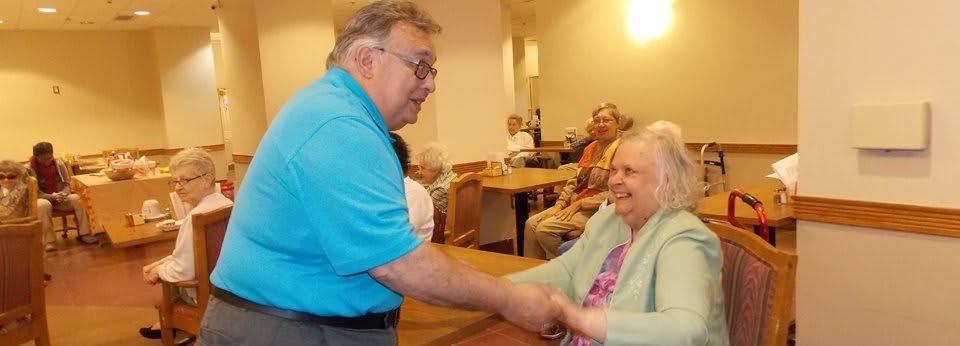
- The St Joseph Tower community offers a variety of activities for residents, like cards and bingo nights.
- They would recommend this community to other families.
- The staff are awesome there, and residents are happy with the outcome.
- The apartments are spacious and clean, with three meals a day and many activities to participate in.
- They treat residents well and show care.
Cons
 They killed grandma.
- The food is sloppy.
- They are highly racist.
- They kick out residents based on lies told by the director.
Review
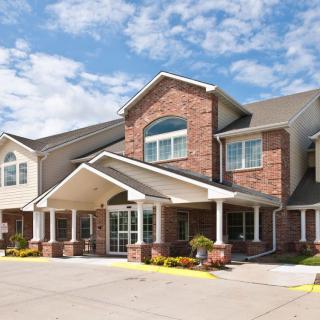
St. Joseph Tower Assisted Living in Omaha is best suited for seniors who want a lively, socially engaged community with a clear daily rhythm and accessible amenities. The facility consistently draws praise for an active calendar that includes cards, bingo, and other group activities, creating ample reasons for residents to step out of isolation and participate. Families looking for spacious, clean apartments with three meals a day and visible staff involvement will find this setting appealing. It works best for those who value a homelike, community-forward atmosphere where camaraderie and routine drive daily life rather than a clinical, high-acuity care model.
Those who should consider alternatives include families prioritizing the highest standards of dining quality and a consistently harmonious culture, or those who require robust, transparent medical oversight and a culture with zero tolerance for conflict or mistreatment allegations. A subset of reviewers raise serious concerns that cannot be dismissed: one account describes allegations of mistreatment and racist behavior coupled with eviction claims, which signals a potential risk for residents who are especially sensitive to staff culture, bias, or governance. For families with substantial medical needs or a strong emphasis on flawless caregiving and grievance handling, it may be prudent to compare options that emphasize stricter oversight and clearer accountability.
The strongest positives at St. Joseph Tower lie in its social infrastructure and living layout. Residents can expect a steady stream of activities that help combat loneliness, with a social environment that many families report as welcoming and warm. The apartments are described as spacious and clean, which supports independent living within a supported setting. The three daily meals and the sense that staff are attentive and caring contribute to a daily experience that feels organized and resident-centered. Taken together, these elements create tangible value for seniors who want companionship, predictable routines, and a straightforward, activity-rich day-to-day.
However, the serious allegations noted by a minority of reviews cannot be ignored, and they shape the risk calculus. When concerns about racism, improper discharge practices, or inconsistent caregiver interactions enter the decision, families should demand concrete assurances: direct conversations with the administrator, transparent incident reporting, and documented responses to any past complaints. The existence of conflicting personal experiences, some families praising caregiving and others warning about mistreatment, means reputation can be uneven across floors and shifts. Prospective residents would be wise to request current resident references, observe staff responsiveness during tours, and verify how the community handles grievances, cultural sensitivity training, and resident rights protections.
In practical terms, this community makes the most sense for families prioritizing sociability, accessible housing, and a predictable, activity-rich lifestyle. It provides a solid baseline of daily structure, reasonable dining, and visible care engagement that can support independent seniors who still want meaningful interaction. Those who need more specialized medical programming, or who cannot tolerate potential inconsistencies in culture or governance, should actively compare with other Omaha options that emphasize clinical oversight and robust quality assurance. The decision should hinge on a careful, in-person assessment: request a meal, observe a meal service, speak with multiple residents across shifts, and probe how concerns are investigated and resolved.
Ultimately, St. Joseph Tower stands as a practical, community-forward choice for a segment of families who prize social life and straightforward care in a home-like setting. It can deliver a satisfying, engaging experience for residents who fit that profile and who are comfortable with, or intent on monitoring, governance around complaints and culture. For others, particularly those with strong expectations around dining perfection, flawless day-to-day operations, or zero-tolerance climate concerns, it is prudent to broaden the search and compare options that foreground consistent quality control and comprehensive clinical support. A targeted tour and a candid dialogue with current residents will crystallize whether this tower lives up to the hoped-for balance between community vitality and dependable care.
 Assisted Living
 Activities off-site
 Air-conditioning
 Cable or satellite TV
 Devotional services off-site
 Indoor common areas
 Kitchenette
 Outdoor common areas
 Wi-Fi/high-speed internet available
 Eppley Airfield (5 miles away)
 Ambulatory care
 Diabetic care
 High acuity care
 Medication management
 Guest meals
 Art classes
 Catholic services
 Cooking classes
 Day trips and outings
 Educational speakers / life long learning
 Karaoke
 Live musical performances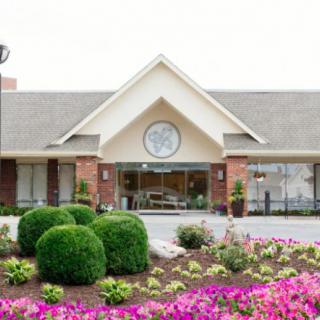


 Vibrant Senior Living: A Comprehensive Guide for Active Older Adults
 When to Transition from Assisted Living to Memory Care: Key Indicators, Steps, and Finding the Right Community
 Assisted Living and Memory Care: Understanding Their Core Differences