
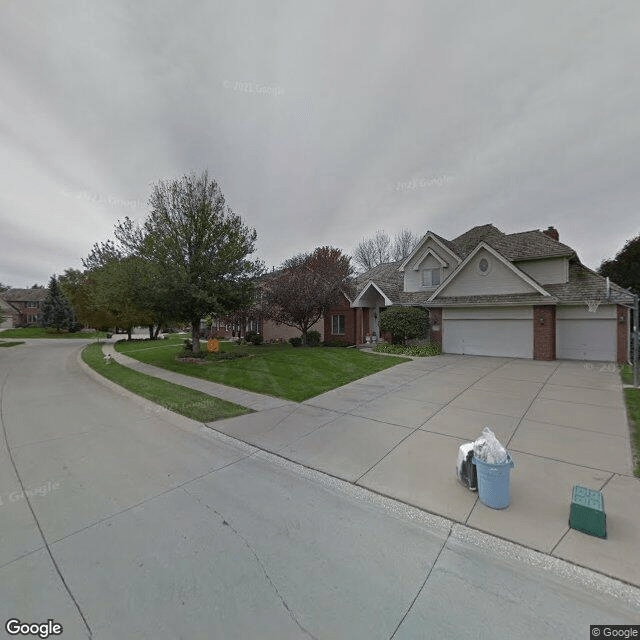
Created specifically for YGL, Omaha, NE 68130
For more information about senior living options: (866) 208-4318
Overall Review of Edgewood Vista - Nebraska
Pros
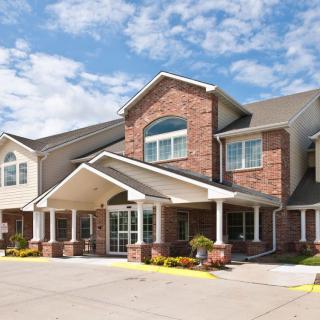
 Edgewood Omaha is a rare, 12-room memory care facility that delivers on care.
- A nurse is in the building Monday through Friday, ensuring consistent care.
- The staff provide one-on-one attention and stay on top of what’s happening in the facility.
- The Director and Assistant Director personally participate in meals and activities with residents.
- Edgewood Omaha is described as a memory care-focused place and a hidden gem.
- It is considered the absolutely best memory care facility, with five-star praise.
- The facility’s size makes it feel like a home, and staff know each resident individually.
- The team is knowledgeable, compassionate, and responsive to questions and changes associated with Alzheimer’s.
Review
Edgewood Vista in Omaha is best suited for seniors who need memory-care support in a deliberately intimate setting and for families who prize hands-on, relationship-driven care over a bustling campus. The 12-room footprint creates a home-like feel that more closely resembles a private residence than a conventional facility, making it a strong fit for residents with Alzheimer's or other dementias who respond to consistency and personal attention. Families who want to see staff form real bonds with residents, who value prompt access to those caring for their loved ones, and who are comfortable with a smaller community will find Edgewood Vista particularly compelling. It is not a generic, one-size-fits-all memory care option; it is a specialized, small-scale choice that delivers measurable warmth and attentiveness.
From the reviews, the core strengths cluster around the intimate scale and the hands-on leadership. Residents receive substantial one-on-one attention, supported by a daily rhythm that includes a nurse in the building on weekdays. The presence of the Director and Assistant Director actively engaging in meals and activities signals a culture of accountability and personal involvement at all levels. Families consistently describe staff as knowledgeable and compassionate, with caregivers who know each resident’s history, preferences, and quirks. The emphasis on memory care is clear: staff tailor routines, respond to questions promptly, and provide reassurance as Alzheimer’s and related changes unfold. The outcomes feel tangible, calmer days, purposeful prompts, and relationships that endure.
Yet the model has trade-offs. The tiny 12-room configuration naturally limits the breadth of programs, services, and scheduling options that larger campuses can offer. While weekday nursing is available, weekend coverage is less explicit, which matters for families seeking continuous medical oversight. A lone 1-star rating among eight reviews hints at possible gaps that should be explored in person, whether it’s during admissions, care planning, or weekend availability. Prospective residents must weigh the appeal of a home-like, memory-focused environment against the reality that some supports and activities will be more limited than in bigger communities. The small size also means fewer on-site professionals for rehab, transportation, or specialty therapies.
Despite those constraints, the strengths cancel out many of the potential downsides. Personal relationships flourish precisely because staff-to-resident interactions are unhurried, consistent, and deeply informed by each resident’s history. The visible leadership presence reduces opacity typical of larger campuses, delivering reassurance that issues surface quickly and are addressed with care. The focused memory-care approach translates into predictable routines, meaningful engagement, and clearly communicated progress. In short, the best parts of the small community, trust, familiarity, and prompt responsiveness, offset the gaps that a smaller operation might otherwise encounter.
For families who must plan around broader service needs, alternatives that offer larger campuses with more expansive programming, 24/7 on-site nursing, and greater rehab capacity may be worth considering. If the priority is a robust social calendar, diversified activity options, or proximity to a wide network of specialists, a bigger community could deliver more of what’s desired. For residents with more advanced medical conditions requiring constant monitoring, or for those who want the flexibility to move between levels of care on a single campus, Edgewood Vista may feel too constrained. In short, alternatives shine where scale and breadth matter most.
Overall, Edgewood Vista stands out as an exemplary memory-care option for families who value a small, caregiver-forward environment where staff know every resident well. The combination of tight-knit staffing, direct leadership involvement, and a clearly defined memory-care focus creates a reliable, reassuring setting for those in early-to-mid-stage dementia who thrive on routine and personal attention. For families who prioritize scale, continuous medical coverage, and expansive programming, other communities will likely be more appropriate. A direct tour, questions about weekend nursing coverage, current occupancy, and the care-planning workflow will crystallize whether Edgewood Vista aligns with the loved one’s stage of dementia and overall care goals.
 Eppley Airfield (4 miles away)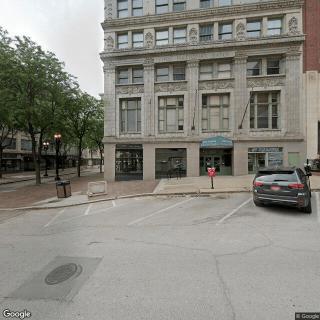



 In-Home Care Costs in 2025: A Detailed State-by-State Exploration
 Understanding Home Health Care: A Comprehensive Guide
 Home Health Care Demystified: A Comprehensive Guide for Families and Caregivers