


6404 North 70Th Plaza, Omaha, NE 68104
For more information about senior living options: (866) 208-4318
Overall Review of Quality Living
Pros
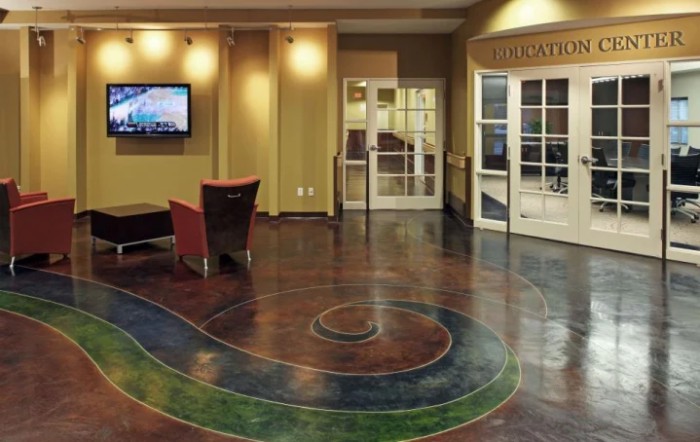
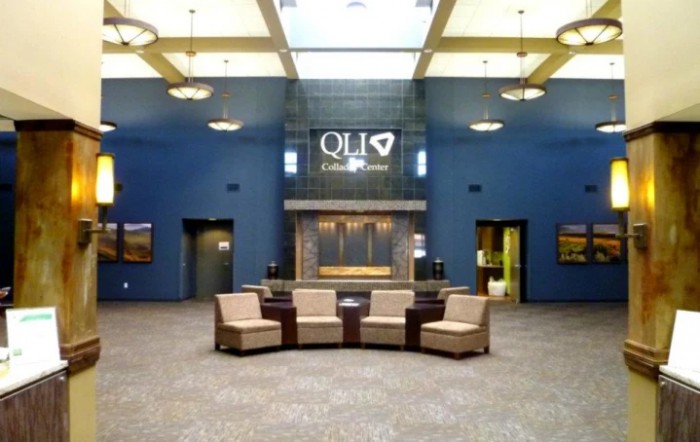
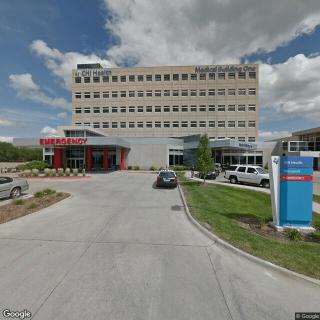
 QLI is an exceptional facility with beautiful grounds, quality housing, and wonderful staff.
- The staff at QLI is caring and compassionate, ensuring residents are well taken care of.
- QLI's spinal cord injury program supports recovery and a hopeful path to independence.
- The involvement of staff in activities like poker nights, a coffee bar, and pond fishing differentiates QLI from typical rehab facilities while maintaining top-notch medical care.
- QLI is described as a crown jewel organization in Omaha.
- Family housing at QLI makes visitors feel at home.
- The therapists at QLI are very professional, experienced, and compassionate.
- The environment at QLI is peaceful and up-to-date, with amenities and ongoing services such as physical therapy and nourishing meals.
- The staff's dedication gives families peace of mind that their loved ones are safe and well cared for.
- QLI empowers residents to live as independently as possible, within the supportive framework of the facility.
Cons
 The facility is the worst place in the Omaha area.
- They do not recommend it, because their family members are not cared for properly.
- The staff are worthless and do not take care of any of the patients correctly.
- They are furious about how their loved one was treated.
- They would give zero stars if that were possible.
- They believe no dogs should be allowed, and that policy is bad.
Review
Quality Living (QLI) in Omaha is best suited for individuals with spinal cord injuries or other complex rehabilitation needs who are pursuing a pathway to independence within a highly engaged care environment. Families choosing QLI are typically seeking a therapy-forward experience, where dedicated clinicians and support staff work as a team to restore function and everyday living skills. The community is not a generic rehab campus; it operates with a culture that treats recovery as a collaborative project, backed by beautiful grounds, modern housing, and a campus that encourages social connection as part of healing.
Those who may want to consider alternatives include families prioritizing pet-friendly settings or a simpler assisted-living model. A dog-friendly environment matters to some residents, and the policy at QLI is explicit, which can be a deal-breaker for pet lovers. A small number of reviews allege insufficient care or unresponsive staff, suggesting that experience can vary by shift or unit. For seniors who need less intensive rehab, or who want a more traditional, maintenance-focused living arrangement rather than a specialized spinal cord injury program, other Omaha options may deliver a more straightforward fit.
The strongest positives center on the staff and the rehab ecosystem. Reviewers repeatedly praise an engaged, compassionate team that treats residents as individuals and pushes for real progress toward home independence. The spinal cord injury program is central, with therapy teams that emphasize practical skills, mobility, and daily routines. There are meaningful extras that transform daily life: poker nights, a coffee bar, fishing by a pond, and a culture that supports purposeful activities alongside medical care. The facility’s professional nursing and therapy staff, comfortable family housing, three meals daily, on-site laundry, and well-kept courtyards all reinforce a sense that recovery is both achievable and enjoyable.
Yet the downsides are real for a minority of experiences. A few reviewers describe care gaps or dismissive behavior, which underscores that staff consistency and responsiveness can vary and that a one-size-fits-all approach does not apply here. The no-dogs policy, while explained, is a practical constraint for residents whose quality of life includes a pet. For families that require constant, high-touch attention or prefer a lower-acuity setting, these concerns justify looking at alternatives. The best use of this information is to verify current staffing stability, request direct conversations with front-line therapists, and tour with a focus on the specific rehab needs of the loved one.
Still, the overall impression is that the pros substantially offset these potential drawbacks. The community is often described as a crown jewel for Omaha, with a track record of helping people regain independence after brain injuries or spinal injuries. The combination of specialized rehab, experienced therapists, and a culture of care translates into tangible outcomes for many families. When coupled with the warmth of staff, the meaningful on-site activities, and the comfort of a thoughtfully designed living environment, QLI proves its value as a destination for serious recovery rather than a casual living option.
For families deciding where to place a loved one, the verdict is clear: Quality Living is a strong contender for spinal cord injury recovery and independence-focused rehab in Omaha. Prospective residents should prioritize a tour that includes meetings with the rehab team, review current staffing levels, and confirm the policy and impact of the dog restriction on daily life. If pet companionship, a less intensive care setting, or a different model of assisted living is essential, alternatives may be preferable. For those who want a proven path to reclaiming life after serious injury, QLI offers a practical, experienced, and well-supported option.
 116 resident community capacity
 Skilled Nursing Facility
 Air-conditioning
 Beauty salon
 Cable or satellite TV
 Computer center
 Dining room
 Fitness room
 Fully furnished
 Gaming room
 Garden
 Housekeeping services
 Kitchenette
 Move-in coordination
 Outdoor space
 Private bathrooms
 Restaurant-style dining
 Small library
 Telephone
 Wellness center
 Wi-Fi/high-speed internet available
 Eppley Airfield (7 miles away)
 Community operated transportation
 12-16 hour nursing
 24-hour call system
 Activities of daily living assistance
 Assistance with bathing
 Assistance with dressing
 Assistance with transfers
 Diabetes diet
 Medication management
 Mental wellness program
 Special dietary restrictions
 Concierge services
 Planned day trips


 Home Health Care Demystified: A Comprehensive Guide for Families and Caregivers
 Seniors and Modern Transportation: Exploring Uber, Lyft, and Other Ride-Hailing Options
 Comprehensive Guide to Qualifying for Home Health Care Services