Lifeline of Immanuel Medical
Save
6901 N 72nd St, Omaha, NE 68122
For more information about senior living options: (844) 490-3973
What level of care are you interested in?

Assisted Living

Memory Care

Independent Living

Skilled Nursing Facility

Continuing Care Retirement Community (CCRC)CCRC

Other
The collection of patient perspectives on Immanuel Hospital and related facilities paints a landscape of sharp contrasts. On some floors and in certain units, patients describe dedicated, attentive care and staff who seem to genuinely want to help. In other experiences, the same facilities are marked by understaffing, lapses in hygiene and communication, and a sense that efficiency and empathy were sacrificed to other pressures. Taken together, the reviews reveal a health system that can deliver high-quality medical expertise in some moments while failing to meet basic expectations in others.
One particularly stark set of accounts centers on a family's experience with a father who had a past stroke and seizures. The critique focuses on cleanliness and communication: rooms allegedly never kept clean, with stains and dirt buildup, and a long delay in addressing care after transfers. The family felt that staff were more interested in clocking in and collecting a paycheck than in maintaining a professional standard of care. They argue that every patient has a right to direct and choose their care, and they felt these rights were violated, effectively feeling treated more like prisoners than patients at times.
In contrast, other reviews speak to moments of strong, compassionate bedside care. A patient who was admitted to Immanuel for ICU care praised the nursing staff and the engagement of senior leadership in checking on how nurses were doing. This person highlighted a stark contrast with the dietary experience, describing meals that were often inedible or misserved, with repeated delays and incorrect trays. Despite the dietary shortcomings, there were silver linings: praise for a baker whose breads were "moist and fluffy," and admiration for an emergency room technician who successfully placed an IV on the first try, even under challenging conditions with very small veins. The hospitality and competence of non-dietary staff helped balance the otherwise negative dietary experiences.
Another thread of the narrative is optimism about the quality of the medical and nursing staff in certain contexts. A family recounts a week-long ICU stay for a father who underwent surgeries and is now recovering, hailing the staff as amazing and the nurses as a "God's gift." The doctors and nurses are described as responsive and proactive, addressing problems quickly and providing reassurance during a frightening period. In these voices, Creighton's reputation is invoked as a compliment, suggesting a belief that the hospital can offer top-tier care when the right teams and conditions align.
Beyond ICU and general medicine, several reviews touch on specific departments and experiences that left strong impressions. A patient with spine-related care or follow-up compliments the "excellent staff" across those services. A separate note from a different patient's experience at the mammogram reception describes the receptionist as helpful and kind, underscoring that positive interactions exist in administrative areas as well as clinical settings. However, these positives are interspersed with other reports of frustration, illustrating that the hospital's perceived warmth and professionalism can be uneven by department and circumstance.
There are also critical voices that describe dangerous or troubling experiences. One reviewer claims to have endured a traumatic stay marked by mismanagement and an inability to feel safe, resulting in a decision to leave the hospital. Another describes repeated missteps in care and a perception that staff were slow to respond, contributing to fear and ongoing concerns about patient safety. These accounts emphasize the human cost of systemic issues, including communication gaps, inconsistent risk management, and a perceived lack of vigilance in safeguarding vulnerable patients.
Financial and administrative concerns appear alongside clinical critiques. Several reviewers report ongoing trouble with billing, including errors, delays, and a sense that the hospital's billing practices are opaque or unfair. One reviewer explicitly labels the financial interactions as "scam artist"-like, despite acknowledging certain positive clinical experiences. The tension between high-quality medical care in some circumstances and frustrating, costly administrative friction in others adds another layer to the overall impression: for some patients, the care pathway is as much a financial and logistical hurdle as a medical one.
On the spectrum of praise and disappointment, there are also standout individual recognitions. A patient thanks a specific doctor, Dr. Monique Tolston, for delivering excellent, timely care and for her approachable bedside manner, noting the smooth coordination of appointments and the sense that her team genuinely listened and responded to needs. Other reviews celebrate empathetic doctors and nurses who communicated clearly, respected patient preferences, and provided compassionate care during challenging events like childbirth or acute illness. Yet even these positive notes acknowledge that the hospital's strengths may be unevenly distributed, with some patients feeling that the system stumbles when faced with more complex, high-risk situations.
Overall, the sentiment across these reviews is mixed and nuanced. The hospital network is seen by many as capable of delivering high-caliber medical care in the hands of skilled clinicians, especially in critical or specialized scenarios. Yet the same network is criticized for hygiene lapses, inconsistent communication, understaffing, and administrative frustrations that undermine patient trust and safety. The recurring themes point to a healthcare environment where patient rights and dignity are variably upheld, where a caring, professional culture can exist side by side with neglected rooms, delayed meals, and tense interactions with billing and administration. The pattern suggests a need for targeted improvements in staffing, cleanliness, patient communication, and financial transparency to ensure that the positive experiences can be expected consistently rather than hoped for on a case-by-case basis.
The assisted living community at Immanuel Medical in Omaha, NE offers its residents a vibrant and convenient lifestyle. With two cafes nearby, residents can enjoy a cup of coffee or a light meal with ease. Additionally, the seven parks in close proximity provide ample opportunities for outdoor recreation and relaxation.
The community's close proximity to 13 pharmacies ensures that residents have easy access to medications and healthcare supplies. Moreover, with 19 physicians located nearby, residents have a wide range of healthcare professionals readily available for their medical needs.
For those who appreciate dining out or trying new cuisines, the eight restaurants in the vicinity offer diverse options. Whether it's a quick bite or a special occasion, residents can indulge in delicious meals without traveling far.
Above all, the presence of three hospitals near Immanuel Medical provides peace of mind to both residents and their families. In case of emergencies or specialized care needs, prompt medical attention is readily available.
This assisted living community at Immanuel Medical offers not only top-notch healthcare facilities but also convenient access to various amenities that enhance the overall quality of life for its residents.
This part of Omaha, Nebraska, offers a convenient location with easy access to a variety of amenities. The area is well-served by pharmacies such as CHI Health Pharmacy and Baker's Pharmacy, as well as healthcare facilities like Alegent Health Clinic and UNMC Family Medicine. In terms of recreation, there are several parks nearby including Somerset Park and Standing Bear Lake. Dining options range from casual fast food establishments like Sonic Drive-In to sit-down restaurants such as Charleston's Restaurant and The Cheesecake Factory. For coffee lovers, cafes like Scooter's Coffee and Panera Bread are also within reach. Transportation is readily available with the Union Pacific Railroad nearby. Overall, this area provides a mix of convenience, healthcare services, dining options, and recreational opportunities for seniors looking to settle down in Omaha.
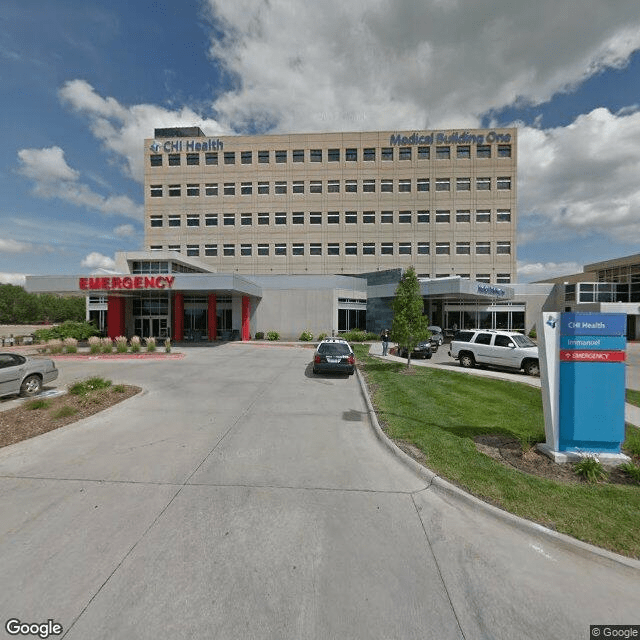
Lifeline of Immanuel Medical is located at 6901 N 72nd St, Omaha, NE 68122 in Washington County, Nebraska
Immanuel Medical Center
Omaha, NE
Friendly dining room staff and on-site garden.
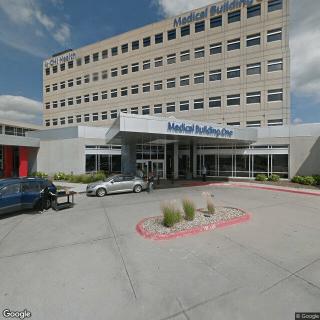
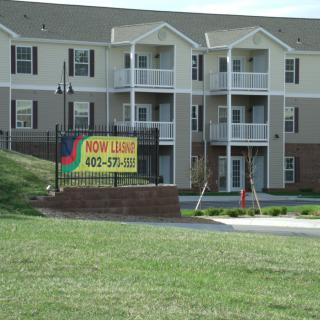
Immanuel Medical Center reviews
Immanuel Medical Center images
Assisted Living At Immanuel Village
Omaha, NE
Specialized diabetic care with medication management; on-site activities and social spaces; convenient access to nearby dining and healthcare.
Assisted Living At Immanuel Village reviews
Assisted Living At Immanuel Village images
Woodbridge Senior Village
Omaha, NE
Friendly, helpful staff; active resident community with on-site activities; clean facilities and good value.
Woodbridge Senior Village costs
Woodbridge Senior Village reviews
Woodbridge Senior Village images
Villa de Sante Terrace
Omaha, NE
Excellent tour and favorable impression of amenities.
Villa de Sante Terrace costs
Villa de Sante Terrace reviews
Villa de Sante Terrace images
Keystone Villas Senior Living
Omaha, NE
Affordable pricing with newly available amenities and an active social scene.
Keystone Villas Senior Living costs
Keystone Villas Senior Living reviews
Keystone Villas Senior Living images
Royale Oaks/House Of Hope Alzheimers Care
Omaha, NE
Clean, well-maintained facility with beautiful grounds and friendly, accommodating staff; seamless progression between care levels.
Royale Oaks/House Of Hope Alzheimers Care costs
Royale Oaks/House Of Hope Alzheimers Care reviews
Royale Oaks/House Of Hope Alzheimers Care images
Understanding Hospice Care at Home: Comprehensive Services, Key Benefits, and Eligibility

Hospice care at home provides specialized end-of-life support that focuses on comfort and dignity for individuals with life-limiting illnesses, offering a range of services including medical management, emotional and spiritual support, and logistical assistance tailored to the family's needs. It involves collaboration to create individualized care plans and extends to bereavement support after a loved one's passing.
Understanding the Full Cost of 24/7 In-Home Care: A Detailed Overview

The guide outlines the rising costs of 24/7 in-home care, ranging from $10,000 to over $20,000 monthly, driven by factors such as location and caregiver qualifications. It discusses the limited coverage by Medicare and private insurance, potential Medicaid support, and the emotional and living condition considerations influencing families' decisions on care arrangements.
Exploring the World of Home Health Nurses: Qualifications, Roles, and Hiring Tips
Home health nursing is an expanding field where licensed professionals provide specialized medical care in patients' homes, addressing the needs of an aging population through personalized services like assessments and medication management. Effective collaboration with healthcare teams, cultural sensitivity, and quality assurance measures are essential for fostering trust and ensuring positive patient outcomes.