Residents and families repeatedly describe care that feels personal.
Many reviews highlight staff who are kind, respectful, and attentive, with several mentioning a family-like atmosphere. Multiple families say caregivers helped them through difficult decisions and treated residents with dignity and comfort. Some reviewers also point to teamwork across departments, including nurses, aides, therapists, and social work, reinforcing the same experience from visit to discharge.
common10 reviews mention this
Therapy support for rehab
Physical and occupational therapy support is a frequent highlight.
Several reviews focus on rehab progress, including being helped to walk sooner or reaching a comfortable level during therapy. Families also describe therapists who work closely with residents, and at least one review specifically credits therapy staff for meaningful recovery milestones. A few comments also note therapy was good even when time with therapists felt limited.
caveat10 reviews mention this
Dining quality varies widely
Food quality and consistency are a recurring concern.
Some residents and families report meals that were excellent or that options were offered. Others describe cold food, frozen items, and inconsistent portions, and one reviewer says meals were so poor they would not even feed it to others. Overall, dining comes up both as a bright spot and as a frequent source of frustration.
common9 reviews mention this
Activities and social work help
Activities and social work support show up often in reviews.
Reviews frequently mention engaging activities and staff who participate with residents during the day. The activities director is singled out by multiple reviewers for bringing music, games, and other engagement. Several families also describe strong guidance from social workers and business-office contacts, especially when handling Medicaid-related processes.
caveat9 reviews mention this
Call light and staffing concerns
Some reviews raise concerns about responsiveness and staffing levels.
A number of negative reviews describe delayed or missed help when residents need assistance, including problems with call lights and getting help promptly. Other critiques mention understaffing or unresponsive staff, plus difficulty reaching staff by phone. There are also a couple of contrasting positive notes where reviewers say call lights were answered quickly, but the overall pattern includes enough responsiveness complaints to matter.
caveat5 reviews mention this
Outdated appearance and cleanliness mixed
Expect an older-looking building, with cleanliness concerns mentioned by some.
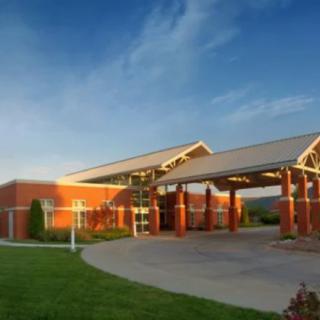
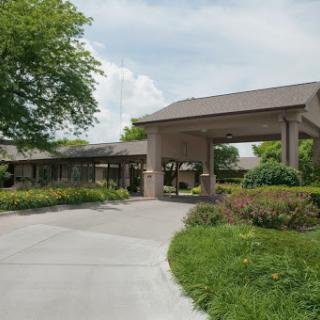
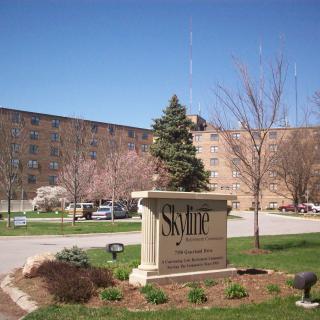
Some reviewers say the facility looks outdated or underwhelming when they first arrive, even when they still feel staff care makes up for it. A smaller set of reviews also mention cleanliness issues or dirty items, along with concerns about skin breakdown and sore areas. Taken together, appearance and cleanliness come up as a mixed experience rather than a consistently praised one.
How we summarize
Counts show how many written reviews mention each theme; a review can touch several themes, and only frequently mentioned themes are displayed.
Features
Types of Care
Skilled Nursing Facility
Transportation
Eppley Airfield (6 miles away)
Nearby Places of Interest
This area of Omaha, Nebraska offers a variety of healthcare options with several hospitals and pharmacies within close proximity, ensuring access to medical care. The abundance of physicians' offices nearby provides convenience for regular check-ups and specialized treatments. Additionally, the presence of parks offers opportunities for outdoor recreation and relaxation, promoting overall well-being. There are also a number of dining options ranging from fast food to sit-down restaurants, providing a variety of choices for meals without having to travel far. For those who enjoy coffee or tea, cafes are easily accessible for socializing or enjoying a quiet moment alone. Transportation is conveniently located with the Union Pacific Railroad nearby for easy access to explore other parts of the city. Overall, this area offers a balanced mix of healthcare services, dining options, recreational activities, and convenient transportation that could be appealing to seniors looking for a comfortable and convenient living environment in Omaha.
Hospitals
Alegent Health Immanuel Medical Center (0.5 miles)
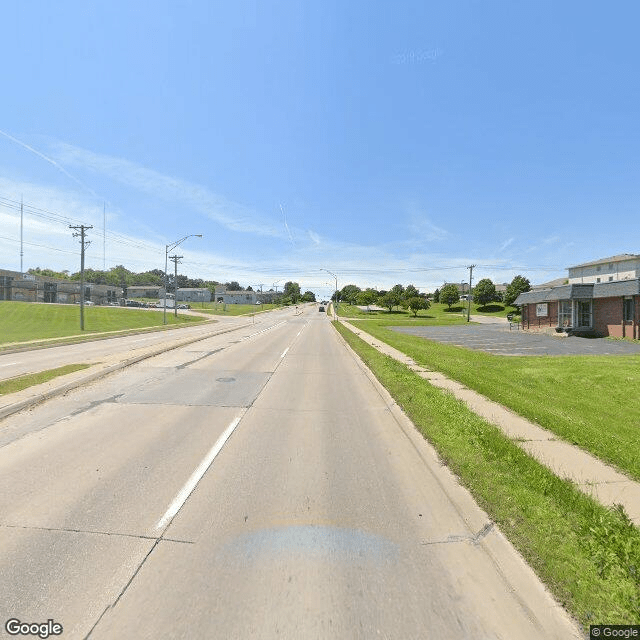
Omaha Nursing Home is located at 6520 Sorensen Pkwy, Omaha, NE 68152 in Washington County, Nebraska
Nearby Communities
Immanuel Courtyard
Omaha, NE
4.5 from 16 reviews
Maintenance-free independent living with personalized diabetic care, plus welcoming indoor spaces and easy access to dining, parks, and healthcare nearby.
Immanuel Village
Omaha, NE
4.4 from 92 reviews
Spacious, modern apartments with beautiful grounds and a caring staff.
Quality Living - Lied Assisted Living
Omaha, NE
4.7 from 35 reviews
24/7 supervision with diverse amenities.
Immanuel Fontenelle
Omaha, NE
4.1 from 20 reviews
CCRC with multiple care levels (Memory Care, Skilled Nursing) and extensive on-site amenities.
Quality Living
Omaha, NE
4.7 from 34 reviews
Extensive amenities and activity options.
Life Care Center Of Omaha
Omaha, NE
4.2 from 127 reviews
Attentive staff with personalized care and therapies.
Villa de Sante Terrace
Omaha, NE
5 from 1 review
$575 to $655 / month
Excellent tour and favorable impression of amenities.
Royale Oaks/House Of Hope Alzheimers Care
Omaha, NE
4.4 from 10 reviews
$2,950 to $3,295 / month
Clean, well-maintained facility with beautiful grounds and friendly, accommodating staff; seamless progression between care levels.
Keystone Villas Senior Living
Omaha, NE
3.4 from 53 reviews
$675 to $2,600 / month
Affordable pricing with newly available amenities and an active social scene.
Fecal incontinence, prevalent among older adults, arises from factors like weakened pelvic muscles and nerve damage, significantly affecting well-being and social interactions. Diagnosis involves clinical evaluation and tests to inform tailored treatments, while caregivers and preventive measures can aid in managing the condition effectively.
Anticipatory grief is an emotional response to the impending loss of a loved one, characterized by complex emotions such as sadness and anger, and involves navigating stages similar to those identified by Kübler-Ross. Coping strategies are vital for managing this process, emphasizing compassionate communication, self-care, and support groups while recognizing the cultural influences on grieving.
Adult day care programs offer essential support and activities for older adults, yet many hesitate to participate due to concerns about independence and stigma. To alleviate these apprehensions, families should facilitate open discussions, explore financial resources, suggest trial visits, and collaborate with healthcare providers to highlight the benefits of such services for both the participants and their caregivers.
Get PricingAsk A QuestionSchedule A TourContact Senior Advisor
By clicking submit, you agree to our Partner's Terms of Use. You
also consent to receive calls and texts, which may be autodialed, from our Partner. Your consent is not a condition to
using our Partner's service. Please visit our Partner's Privacy Policy for information about their privacy practices.

 Skilled Nursing Facility
 Eppley Airfield (6 miles away)
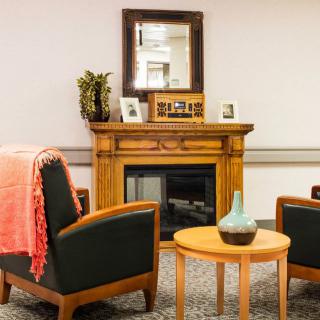
 Maintenance-free independent living with personalized diabetic care, plus welcoming indoor spaces and easy access to dining, parks, and healthcare nearby.

 Fecal Incontinence in Older Adults: A Comprehensive Guide
 Recognizing the Journey: Understanding and Navigating Anticipatory Grief
 Encouraging Participation in Adult Day Care: A Guide to Supporting a Hesitant Parent