
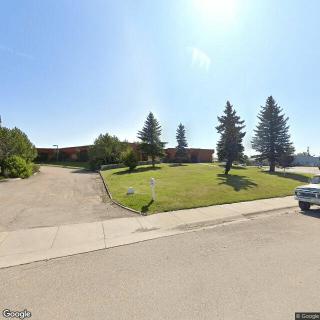
630 Park Drive, Shelby, MT 59474
For more information about senior living options: (866) 208-4318
Overall Review of Marias Care Center
Pros
 The staff at Logan Health are excellent and caring.
 - Dr. Hamm is wonderful.
- The staff were polite and answered questions during the COVID-19 test.
- Results were delivered quickly, about an hour after the test.
- The front desk, nurse, and doctor were kind, attentive, and understanding.
- Michelle made check-in a pleasant experience.
- Peter the radiologist provided helpful posture adjustments, supporting a smooth therapy start.
- The clinic offered same-day COVID-19 test results, aiding cross-border travel.
Cons
 The nurse NICHE was rude and showed an attitude toward the family.
- She rushed instructions, speaking fast and directing where to place the urine bottle, causing confusion.
- She seemed annoyed when the instructions weren’t understood the first time.
- NICHE demonstrated an attitude problem, making the family feel uncomfortable, anxious, and frustrated.
- The clinician provided incorrect diagnoses, leading to prolonged pain for years.
- The clinic turned away a 6-month-old with a fever of 105 and simply advised giving medication.
- They misdiagnosed pink eye when sinus drainage was the actual issue.
- The office sent a medical card without consent and appeared unaware of FMCSA standards.
Review
Marias Care Center in Shelby works best for seniors who already live in an assisted-living setting or rely on timely, straightforward medical input. The center delivers practical access to clinicians and rapid diagnostic capacity, paired with a courteous front-desk and generally attentive nursing and physician staff. It is not presented as a full-service geriatric care home with 24/7 supervision or a tightly integrated care team designed around long-term chronic-disease management. For families prioritizing daily living support, memory-care programming, or a single, continuous medical home, this facility is unlikely to meet every expectation.
Those who may want to consider alternatives are clear: residents who require consistent, highly coordinated care over months and years, including complex chronic conditions, frequent specialist input, or memory-impairment management, should look for providers that offer ongoing care coordination within a single community. Also, if the priority is a consistently respectful, patient-centered culture across shifts, or a staff whose communication and procedures are uniformly reliable, other options with established geriatric care pathways may be a better fit. In short, this center can support episodic medical needs, but it is not a substitute for a comprehensive, long-term senior-living medical home.
The strongest positives are courteous, accessible staff and clinicians who can deliver clear guidance when on duty. Reviews repeatedly highlight friendly front-desk teams and a doctor described as wonderful, with a radiologist who makes thoughtful adjustments to imaging. The ability to obtain rapid testing and timely results also stands out as a key practical benefit, especially for residents who need quick medical input or confirmation before proceeding with treatment or activity plans. These elements collectively reduce friction during urgent or time-sensitive moments, creating a dependable first stop for immediate medical questions or quick evaluations.
Yet the center’s greatest strengths can be offset by notable drawbacks. Care quality appears inconsistent across encounters, with multiple accounts of uneven care experiences and, in at least one instance, misdiagnoses or unclear follow-up. A single staff member’s rude and rushed communication profoundly undermines confidence, particularly for seniors who rely on calm, respectful interaction from health professionals. Administrative gaps add another layer of risk, some reviewers raise concerns about consent-related processes and documentation practices. Taken together, the positives create real value, but the variability and potential for miscommunication mean reliance on this center as a sole medical home carries risk.
In practical decision terms, the facility functions well as a supplementary medical touchpoint rather than the centerpiece of a senior living plan. It can support urgent questions, quick imaging or testing, and access to a caring clinician on occasion, advantages that matter when a resident needs fast input without navigating a large hospital system. However, for families seeking dependable, integrated geriatric care with a clearly defined care manager, seamless coordination with other providers, and a stable culture across shifts, alternatives with stronger continuity and on-site daily-living support should be pursued. The balance tilts toward using Marias Care Center for short-term or episodic needs, while ensuring a robust, long-term care strategy elsewhere.
When evaluating options, key questions should center on continuity and oversight: who typically handles the resident’s visits and whether a dedicated point person or care manager exists; how the clinic coordinates with the resident’s primary caregiver and any specialists; and what safeguards ensure respectful, patient-centered communication. Clarify consent practices and privacy protections, especially around medical records and any required documentation. Also assess whether the setting offers in-house geriatric services or rehabilitation options, and how decisions are documented and communicated to the broader care team. A careful mapping of these elements helps families decide if Marias Care Center can credibly function as a reliable supplementary partner or if a more integrated senior-living option is the prudent path.
In sum, Marias Care Center offers practical benefits: rapid access to clinicians, courteous staff, and efficient testing capacity that can ease immediate health concerns and support general wellness checks. It is not the best fit for residents who need steady, long-term medical management and a consistently high-touch care culture within a single community. The recommendation is to view this center as a pragmatic adjunct within a broader care strategy, not as a standalone solution for ongoing geriatric care. For families prioritizing reliability, coordination, and daily living support, seek alternatives with deeper geriatric integration and a proven track record of continuity across every shift and service.
 53 resident community capacity
 Skilled Nursing Facility
 Air-conditioning
 Beauty salon
 Cable or satellite TV
 Computer center
 Dining room
 Fitness room
 Fully furnished
 Gaming room
 Garden
 Housekeeping services
 Kitchenette
 Move-in coordination
 Outdoor space
 Private bathrooms
 Restaurant-style dining
 Small library
 Telephone
 Wellness center
 Wi-Fi/high-speed internet available
 Community operated transportation
 12-16 hour nursing
 24-hour call system
 Activities of daily living assistance
 Assistance with bathing
 Assistance with dressing
 Assistance with transfers
 Diabetes diet
 Medication management
 Mental wellness program
 Special dietary restrictions
 Concierge services
 Planned day trips


 Exploring Palliative Care in the Home: A Comprehensive Overview
 Comprehensive Insights into Palliative Home Care: What It Is and What to Expect
 Skilled Nursing Facilities vs. Nursing Homes: Making Sense of the Differences