
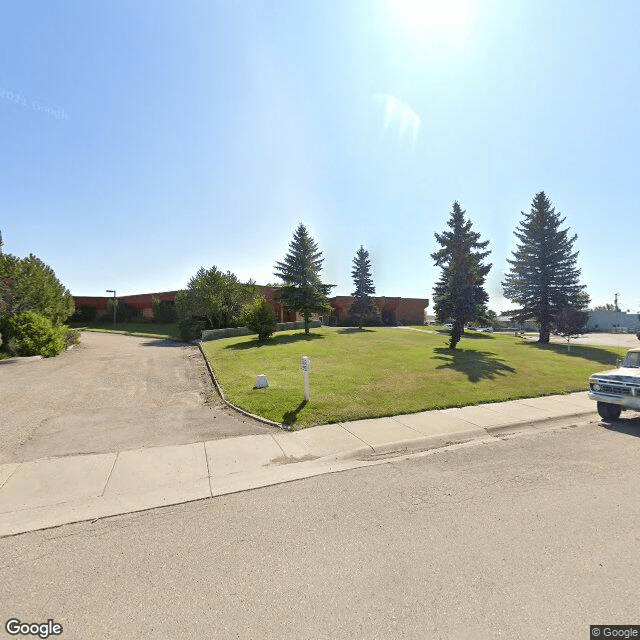
630 Park Avenue, Shelby, MT 59474
To contact a resident: (406) 434-9140
For more information about senior living options: (866) 208-4318
Overall Review of Marias Heritage Ctr
Pros
 Dr. Hamm is wonderful.
- The staff were professional and caring.
- The staff were polite and answered questions about the process.
- The results were delivered in about an hour.
- Everyone was kind and helpful.
- They provided same-day COVID-19 test results.
- Attentive and courteous staff.
- Michelle made check-in a pleasant experience.
- Peter the radiologist helped improve the imaging process with careful posture adjustments.
Cons
 The nurse NICHE was rude and showed attitude toward the family, speaking quickly and giving unclear instructions.
- NICHE offered a fake apology and radiated negative energy, leaving the family feeling uncomfortable, anxious, and frustrated.
- The reviewer felt the back condition was repeatedly misdiagnosed, first as a tiny bulge and later as a ruptured disk, and warned others not to go to Maria’s Health Care.
- The clinic/ER experience is inconsistent (50/50), including turning away a 6-month-old with a fever of 105 and telling caregivers to just give medication.
- The clinic allegedly sends medical cards without consent and appears unfamiliar with FMCSA standards.
Review
Marias Heritage Center in Shelby, Montana is best suited for seniors and families who want readily accessible, personable healthcare with a strong emphasis on attentive, human-centered care. The setting works well for those seeking practical, everyday medical attention, urgent needs, routine visits, imaging follow-ups, and straightforward diagnostics, delivered by a team known for courtesy and responsiveness. It is a sensible fit for households that value a warm, approachable experience and clear, compassionate communication over high-stakes, specialty-driven care. For families prioritizing ease of access and comfort in a smaller-town environment, this center can be a dependable anchor in a rural health plan.
On the positive side, the staff profile stands out. Reviewers consistently describe the team as courteous, professional, and genuinely helpful, with patients appreciating the receptive reception and supportive nurses. The presence of reliable clinicians who communicate in a straightforward, empathetic manner is repeatedly noted, and patients credit this culture of care with easing visits and reducing anxiety. When a quick answer or a prompt test result is needed, the center earns goodwill for the approachable atmosphere and the ability of certain doctors and radiology staff to facilitate smooth, understandable experiences. In practical terms, the human element here translates into less friction during routine care and when navigating time-sensitive questions.
Yet the experience is not uniformly positive, and that's a critical factor for decision-making. Several reviews point to inconsistent visits, times when care felt rushed or communication slipped, leaving patients uncertain about next steps. A recurrent concern is variable diagnostic quality, including outspoken dissatisfaction about misdiagnoses or prolonged discomfort after visits, which undermines trust over repeated encounters. Administrative gaps also surface, such as complaints about records or consent processes that appear unclear or mismanaged. Taken together, these reports suggest that while the center can be excellent in the moment, it sometimes lacks the predictable, repeatable quality that many seniors rely on for ongoing health management.
These strengths and weaknesses interact in meaningful ways. The center’s most reliable assets, kindness, accessibility, and efficient front-to-back interactions, can substantially reduce day-to-day stress for seniors and their families. However, the specter of inconsistent diagnoses and occasional administrative lapses means that trust in continuity of care may fluctuate. For a senior with multiple chronic conditions or a need for careful care coordination across specialists, those gaps can be more than a nuisance; they can shape overall health outcomes. In practice, the facility serves best as a responsive first stop for uncomplicated needs and as a strong support option for families who can closely monitor and supplement medical guidance.
To act with clarity, families should enter visits with a plan. Seek continuity with a specific clinician whenever possible and request written explanations for diagnoses and treatment plans. Bring a trusted family member to appointments to help document instructions and to ensure consent and record-keeping are handled explicitly. Verify that medical records, prescriptions, and referrals are correctly aligned with insurance and consent preferences. Compare these strengths with alternatives that prioritize rigorous diagnostic consistency and robust care coordination, larger hospitals or senior-focused networks that may offer steadier outcomes over time. If a warm, accessible environment matters most, this center delivers; if unwavering consistency across visits is the priority, it warrants careful comparison.
Overall, Marias Heritage Center offers practical, people-focused care that can ease daily health management for seniors who prize accessibility and a compassionate touch. The obvious caveat is variability: care quality and communication can be inconsistent, and missteps in diagnosis or administration have been cited by several reviewers. When weighed thoughtfully, the center remains a viable option for immediate-access care and supportive, friendly service. For families seeking a reliable, ongoing, tightly coordinated care pathway with uniform outcomes, exploring alternatives with stronger continuity standards is wise. In the right circumstances, this community serves as a comforting, dependable entry point into rural healthcare; in others, it should be part of a broader evaluation that prioritizes consistent, connective care across visits.
 Assisted Living
 Activities on-site
 Devotional services off-site
 Indoor common areas
 Ambulatory care
 Diabetic care
 Meals provided


 How and When Medicaid May Cover Assisted Living Costs
 A Detailed Exploration of Assisted Living Medicaid Waivers Across the United States
 Comprehensive Residential Support and Assisted Living Solutions for Individuals with Disabilities