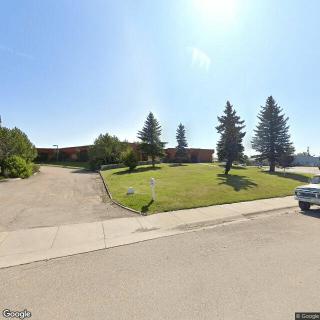
Marias Heritage Center

111 2nd Street South, Shelby, MT 59474

For more information about senior living options: (844) 490-3973

4.2 from 21 reviews
5 stars
11
4 stars
5
3 stars
4
2 stars
0
1 stars
1

Assisted Living

Overall Review of Marias Heritage Center

Pros

  • pro The reviews describe the museum as an awesome tribute to the county and region with beautifully displayed personal artifacts.
  • pro The displays are kept in pristine condition and presented in a home-like setting, making the experience very personable.
  • pro Mary and her husband are thanked for greeting visitors, sharing their expertise, and caring for this community treasure.
  • pro The museum is described as incredible, with a broad range of history from the area and beyond.
  • pro The attendants are described as knowledgeable and friendly, with evident passion for the exhibits.
  • pro Shelby's visit is portrayed as a must-see, with a wealth of history pieces that can blow one's mind.
  • pro The two museums across the street are praised for offering a rich, engaging history lesson enjoyable for all ages.
  • pro The institution is highlighted as a great place to learn about local history with excellent staff and free admission.
  • pro The collections include diverse artifacts - oil drilling history, light and camera collections, shell casings, old pictures, and an old school room - contributing to a deeply engaging experience.
  • pro The venue is associated with memorable moments, such as Jack Horner's lecture, described as awesome.

Cons

  • pro The reviewer described the experience as "It's okay," indicating mild dissatisfaction.

Review

This collection of reviews paints a vivid picture of a remarkable tribute to the county and region, centered around two companion museums that sit just down the block from each other. Visitors repeatedly describe walking into a living history lesson, where every corner is packed with personal artifacts and carefully labeled items that tell the stories of the area. One site is housed in what appears to be an unassuming residence donated to the county, and the other sits just across the street, offering its own distinct, equally engaging glimpse into the past. Together they create a powerful sense of place, inviting travelers and locals alike to step back in time and see how life used to be on the northern plains.

The first site invites visitors to explore a homey, almost intimate display style. The collection includes personal artifacts, labeled pictures, and original newspaper articles that lend authenticity to the narratives. Clothing is showcased on mannequins, and the range of items spans household and farming equipment, medical and barber gear, general store paraphernalia, veteran memorabilia, furniture, and even dinosaur bones. The care with which these pieces are preserved is repeatedly emphasized, with many reviewers noting the pristine condition and the way the displays are arranged to feel like a living room rather than a traditional museum gallery. The effect is highly personable, making it easy to imagine daily life in the past.

Visitors consistently credit the experience to the people who curate and run the place. The hosts - notably a welcoming Mary and her husband - are highlighted for greeting guests, sharing expertise, and bringing a palpable sense of love and care to the community treasure. Attendants are described as knowledgeable and friendly, often going the extra mile to explain exhibits and tailor tours. One guest specifically called Mary "super helpful," underscoring how meaningful attentive staff can be to the overall experience. The sentiment across reviews is clear: the staff's passion is contagious, and their hospitality makes the museum more than just a collection of artifacts.

A second site, located just down the block and across the street, broadens the scope of the experience with its own distinctive attractions. Reviewers note a "giant saw clock," carriages, and an old school room as highlights, alongside many other rooms filled with history. The two sites together are described as a must-see, with visitors saying they could have spent even more time exploring. The proximity of the two venues - across the street from one another - offers a comprehensive, two-stop immersion that doubles the opportunity to encounter the region's stories and artifacts. The collective impression is that these spaces together form a more complete, multi-faceted portrait of the area's heritage.

The content of the exhibits ranges from everyday rural life to more high-profile moments in local lore. Reviewers speak of the early days of Marias County, the broader experience of rural America, and the pioneers of the northern plains, all presented in a way that makes "life a century ago" feel tangible and accessible. One guest emphasizes that the museum is not just about the distant past but also about the lived history of the community - oil drilling histories, local gun and camera collections, and even records of notable events that put Shelby, Montana, on the map. An atmosphere of discovery pervades, with new details waiting to be noticed on repeat visits.

Among the most memorable anecdotes anchored in the collections is the telling inclusion of Jack Dempsey's 1923 fight and its impact on the town. Reviewers note that the arena and the surrounding history connected to that era are well represented, offering a slice of sports history that resonates beyond local boundaries. The exhibits also include a wide array of smaller, equally intriguing items - lighter collections, bullet shell casings, old photographs, and more - ensuring that there is something to capture the attention of visitors with varied interests. Some reviewers even mention the challenge of taking it all in at once, underscoring the density and richness of the displays.

Even beyond the permanent exhibits, the experience has produced several memorable moments for visitors. For example, one reviewer recounts a remarkable event when Jack Horner gave a talk there in July 2016, which felt less like a formal lecture and more like a communal storytelling gathering - complete with ice cream and hometown charm. The sense of community spirit is palpable in such moments, highlighting how these museums function not just as repositories of objects, but as living, shared spaces for memory and education. When a guide named Dean is mentioned as someone who will give tours if time allows, it further reinforces the sense that this is a place where visitors are welcomed, guided, and encouraged to linger.

In summary, the experience offered by these two connected museums is frequently described as one of the best ways to understand local history and the broader story of rural life on the northern plains. The combination of meticulous, well-preserved artifacts, engaging and knowledgeable staff, and the warm, home-like atmosphere creates a deeply personal and educational journey. Whether you're a traveler tracing rural Americana, a family seeking a hands-on history lesson, or a curious local revisiting familiar ground, this county's museums offer a generous, immersive doorway into the past - one that invites you to stay longer, learn more, and carry a renewed sense of place long after you leave.

Features

Housing

  • 40 resident community capacity 40 resident community capacity

Types of Care

  • Assisted Living Assisted LivingAssisted living facilities provide crucial support and care for seniors who may need help with daily tasks such as medication management, bathing, and meal preparation. These communities offer a safe and comfortable environment where seniors can maintain their independence while receiving the assistance they need to thrive in their golden years.

Amenities

  • Beauty salon Beauty salonBeauty salons are important for seniors because they provide a space for them to feel pampered, socialize, and maintain their personal grooming and hygiene. Regular visits to a beauty salon can help boost seniors' self-esteem and overall well-being.
  • Cable or satellite TV Cable or satellite TVCable or satellite TV is important for seniors because it provides entertainment, news, and companionship, helping to combat loneliness and boredom. It also offers a wide range of programming options tailored to different interests and preferences.
  • Dining room Dining roomDining rooms are important for seniors as they provide a space for socialization, connection, and nutritious meals. They offer opportunities for residents to bond over shared meals, foster a sense of community, and promote healthy eating habits. Dining rooms also ensure that seniors have access to well-balanced meals tailored to their dietary needs and preferences.
  • Fully furnished Fully furnishedFully furnished senior living communities are important for seniors because they provide convenience, comfort, and a hassle-free moving experience. Seniors can easily settle into their new living space without the stress of having to buy and move furniture. This allows them to focus on enjoying their new home and community.
  • Garden GardenGardens are important for seniors as they provide a peaceful and therapeutic environment for relaxation, physical activity, and socialization. Being in nature has been shown to reduce stress, improve mood, and promote overall well-being. Gardens also offer opportunities for seniors to engage in gardening activities, which can improve mobility, flexibility, and cognitive function. Additionally, gardens create a sense of community and connection with others who share a passion for plants and outdoor spaces.
  • Housekeeping services Housekeeping servicesHousekeeping services are important for seniors because they help maintain a clean and safe living environment, promote independence, and reduce the risk of accidents or illnesses. Additionally, having assistance with household chores can alleviate physical strain and allow seniors to focus on other aspects of their well-being.
  • Kitchenette KitchenetteKitchenettes are important for seniors living in senior living communities because they provide the convenience and independence of being able to prepare simple meals and snacks in the comfort of their own living space. This can help promote a sense of autonomy and well-being for seniors, allowing them to maintain some level of control over their dietary choices and daily routines.
  • Move-in coordination Move-in coordinationMove-in coordination is important for seniors because it helps ease the transition into their new living environment. It ensures that all logistics, such as packing, organizing movers, and setting up utilities are taken care of, allowing seniors to focus on settling in and adjusting to their new home. Having a smooth move-in process can alleviate stress and anxiety, making the transition smoother and more enjoyable for seniors.
  • Outdoor space Outdoor spaceOutdoor spaces are important for seniors as they provide opportunities for physical activity, social interaction, exposure to natural light and fresh air, and a sense of connection to nature. Having access to outdoor spaces can improve overall well-being and quality of life for older adults living in senior communities.
  • Restaurant-style dining Restaurant-style diningRestaurant-style dining is important for seniors because it allows them to enjoy delicious, nutritious meals in a social and upscale setting. This enhances their dining experience, promotes healthy eating habits, and fosters socialization with fellow residents, ultimately contributing to their overall well-being and quality of life.
  • Small library Small librarySmall libraries are important for seniors as they provide access to a variety of reading materials, including books, newspapers, and magazines. This can help stimulate their minds, keep them engaged, and provide a sense of community through book clubs and other social activities. Additionally, reading has been shown to improve cognitive function and overall mental well-being in older adults.
  • Telephone TelephoneTelephones are important for seniors as they provide a lifeline for communication with loved ones, emergency services, and healthcare providers. They offer a sense of security and independence, enabling seniors to stay connected and access assistance when needed.
  • Wi-Fi/high-speed internet available Wi-Fi/high-speed internet availableWi-Fi/high-speed internet is important for seniors to stay connected with loved ones, access online resources, and participate in virtual activities to combat feelings of loneliness and isolation. It also allows them to easily manage healthcare needs, access entertainment, and engage in lifelong learning opportunities.

Care Services

  • 24-hour call system 24-hour call system24-hour call systems are important for seniors because they provide peace of mind and immediate assistance in case of emergencies. This technology ensures that help is always available, promoting safety and security for elderly individuals living alone or in assisted living facilities.
  • 24-hour supervision 24-hour supervision24-hour supervision is important for seniors to ensure their safety, well-being, and access to immediate assistance in case of emergencies or health issues. This constant support provides peace of mind for both seniors and their loved ones, allowing them to age in place with dignity and security.
  • Activities of daily living assistance Activities of daily living assistanceActivities of daily living assistance are important for seniors because they provide essential support with tasks such as eating, bathing, dressing, and mobility. This assistance helps seniors maintain their independence, dignity, and overall quality of life as they age.
  • Assistance with bathing Assistance with bathingAssistance with bathing is crucial for seniors as it helps maintain personal hygiene, prevents infections, and ensures their overall well-being and comfort. It also provides a sense of dignity and independence for seniors who may struggle with this task on their own.
  • Assistance with dressing Assistance with dressingAssistance with dressing is important for seniors because it helps maintain their independence, promotes personal hygiene, prevents accidents and injuries, and improves overall quality of life. This service ensures that seniors can continue to dress comfortably and confidently, despite any physical limitations they may have.
  • Assistance with transfers Assistance with transfersAssistance with transfers is crucial for seniors as it helps prevent falls and injuries, maintains their independence, and ensures they can safely navigate their living environment. It also provides peace of mind for both seniors and their loved ones.
  • Diabetes diet Diabetes dietA diabetes diet is crucial for seniors as it helps manage blood sugar levels, reduce risks of complications, and improve overall health and well-being. By following a balanced and nutritious diet tailored to their specific needs, seniors can better control their diabetes and enhance their quality of life.
  • Meal preparation and service Meal preparation and serviceMeal preparation and service are crucial for seniors as they may have limited mobility or energy to cook nutritious meals. Having access to healthy and convenient food options can ensure they are getting the proper nutrition needed to maintain their overall health and well-being.
  • Medication management Medication managementMedication management is crucial for seniors to ensure they are taking the right medications at the correct dosages and times. This helps prevent adverse drug interactions, reduces the risk of medication errors, and promotes overall health and well-being. Proactive management also allows for adjustments as needed based on changing health conditions or new prescriptions.
  • Mental wellness program Mental wellness programMental wellness programs are essential for seniors as they promote cognitive stimulation, emotional support, and social engagement. These programs help prevent isolation, depression, and cognitive decline, ultimately enhancing the overall quality of life for older adults.
  • Special dietary restrictions Special dietary restrictionsSpecial dietary restrictions are important for seniors because age-related changes in metabolism and health conditions can make it difficult for their bodies to process certain foods. By following a diet tailored to their specific needs, seniors can maintain their overall health and well-being, manage chronic conditions, and reduce the risk of complications such as malnutrition or food interactions with medications.
Dining

  • Diabetes diet Diabetes dietA diabetes diet is crucial for seniors as it helps manage blood sugar levels, reduce risks of complications, and improve overall health and well-being. By following a balanced and nutritious diet tailored to their specific needs, seniors can better control their diabetes and enhance their quality of life.
  • Special dietary restrictions Special dietary restrictionsSpecial dietary restrictions are important for seniors because age-related changes in metabolism and health conditions can make it difficult for their bodies to process certain foods. By following a diet tailored to their specific needs, seniors can maintain their overall health and well-being, manage chronic conditions, and reduce the risk of complications such as malnutrition or food interactions with medications.

Activities

  • Community-sponsored activities Community-sponsored activitiesCommunity-sponsored activities are important for seniors as they provide opportunities for social interaction, mental stimulation, and physical activity. These activities can help improve overall well-being, combat loneliness and isolation, and promote a sense of belonging and purpose among older adults.
  • Resident-run activities Resident-run activitiesResident-run activities are important for seniors as they encourage social interaction, creativity, and a sense of autonomy. These activities empower seniors to stay engaged and active in their community while fostering meaningful connections with their peers.
  • Scheduled daily activities Scheduled daily activitiesScheduled daily activities are important for seniors because they provide structure, socialization, mental stimulation, and physical activity. Engaging in regular activities can improve overall well-being and quality of life for seniors living in a community setting.

Description

Marias Heritage Center in Shelby, MT is an assisted living community that offers a range of amenities and care services to meet the needs of its residents. The center provides a comfortable and fully furnished living environment with cable or satellite TV, Wi-Fi/high-speed internet, and a small library for leisurely reading. The dining room offers restaurant-style meals and special dietary options to cater to individual needs.

At Marias Heritage Center, residents can enjoy outdoor spaces and gardens for relaxation and recreation. Housekeeping services ensure that the living areas are always clean and well-maintained. Move-in coordination is provided to assist new residents in transitioning smoothly into their new home.

The community emphasizes the importance of care services, offering 24-hour supervision and assistance with activities of daily living such as bathing, dressing, and transfers. Medication management ensures that residents receive their prescribed medications on time. A mental wellness program is implemented to support the emotional well-being of the residents.

For those with specific dietary restrictions or conditions like diabetes, specialized meal preparation and service are available. The center also encourages resident engagement by organizing resident-run activities and scheduled daily activities to keep everyone active and entertained.

Located in close proximity to parks, physicians, restaurants, transportation options, places of worship, and hospitals, Marias Heritage Center provides convenience and accessibility for its residents. With its comprehensive amenities and care services, this assisted living community offers a supportive environment where seniors can thrive in comfort and peace of mind.

Nearby Places of Interest

Places of Worship

  • St Luke's Lutheran Church (0 miles)
  • Southern Baptist Convention (0.1 miles)
  • Living Faith Baptist Church (0.1 miles)
  • United Methodist Church (0.2 miles)
  • Saint Williams Catholic Church (0.3 miles)
  • Church of Jesus Christ of Latter Day Saints (0.5 miles)
  • First Baptist Church (0.6 miles)

Parks

  • Williamson Park (0.1 miles)
  • Cut Bank Park & Rest Stop (23.1 miles)
  • Montana Department-Fish Wildlife (23.7 miles)
  • Legion Park (23.8 miles)

Restaurants

  • Kow Loon Chinese Restaurant (0.1 miles)
  • Shelby Alamo (0.1 miles)
  • Montana Club (0.1 miles)
  • Tap Room (0.1 miles)
  • The Griddle (0.2 miles)
  • Oasis Bar (0.2 miles)
  • Dash Inn (0.5 miles)

Transportation

  • Shelby Amtrak Station (0.2 miles)
  • Amtrak (0.2 miles)
  • Shelby Flying Service (0.8 miles)
  • Burlington Northern Railroad (0.8 miles)
  • Amtrak (0.8 miles)
  • Bnsf Railway (22.9 miles)
  • Rent-A-Wreck (23 miles)

Hospitals

  • Marias Medical Center (0.5 miles)
  • Northern Rockies Medical Center (23.1 miles)
  • Glacier Care Center (23.2 miles)
  • Pondera Medical Center (23.2 miles)

Physicians

  • Dr Rock Svennungsen, O.D. (0.8 miles)
  • Family Practice (23.5 miles)

Cafes

  • Java Hut (23.1 miles)
  • Latte Da (23.3 miles)
  • Folklore Coffee (23.5 miles)
  • Folklore Coffee (23.5 miles)

Theaters

  • Glacier Cinemas (23.5 miles)
  • Orpheum Theatre (23.5 miles)

Pharmacies

  • Olson's Drug (23.5 miles)
  • Drug Mart (24 miles)

Frequently Asked Questions

Where is Marias Heritage Center?

Nearby Communities

Related Resources

  • how to pay for assisted livingSecuring Financial Support for Assisted Living: A Comprehensive Overview

    Assisted living facilities offer crucial support for older adults needing help with daily activities but come with varying and significant costs, which can be financed through personal savings, government assistance programs, long-term care insurance, and home equity options. Professional guidance from experts can aid families in navigating these financial complexities to establish a sustainable budgeting approach for assisted living services.

  • assisted living for seniors on social securitySocial Security Benefits and Assisted Living: Navigating Options Across the U.S.

    Assisted living costs often exceed Social Security benefits, necessitating a combination of funding sources like state aid and Medicaid. Understanding the interaction between Social Security programs and available financial support is essential for affording such care.

  • aid and attendance vaAn Extensive Exploration of the VA Aid and Attendance Benefit

    The VA Aid and Attendance benefit provides financial support to veterans needing assistance with daily living due to medical conditions or disabilities, augmenting standard VA pensions for services like in-home care. Eligibility is based on service duration, wartime status, income, and medical needs, with a detailed application process required to access funds for caregiving and home modifications.