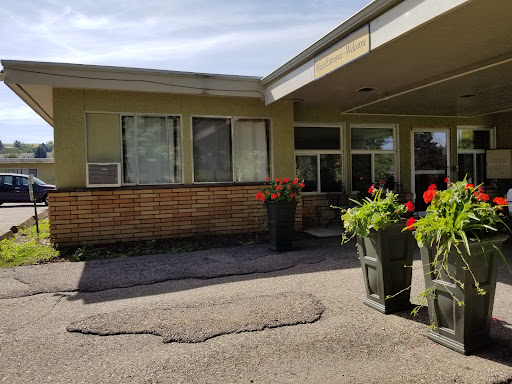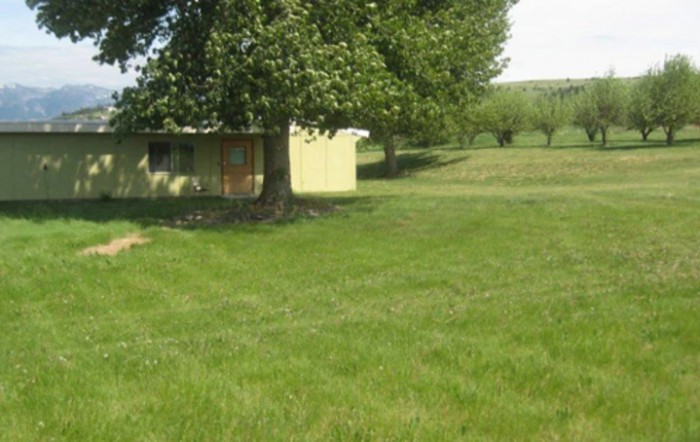
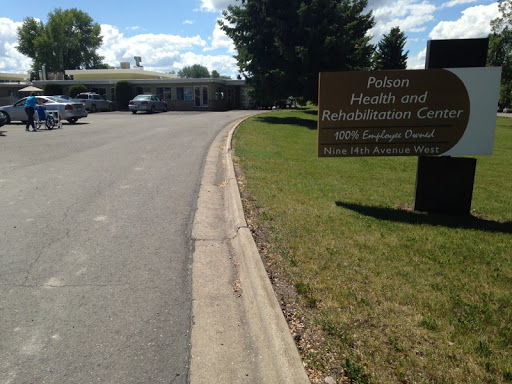
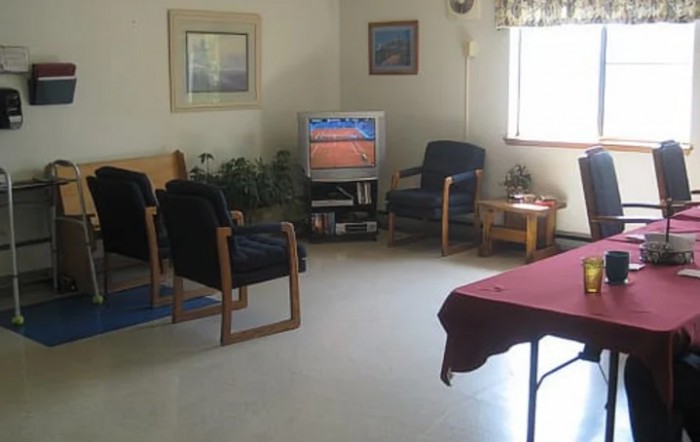



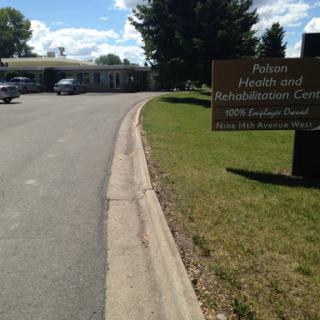
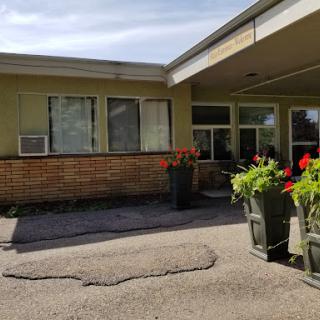








9 14Th Avenue W, Polson, MT 59860
For more information about senior living options: (866) 208-4318
Overall Review of Polson Health & Rehabilitation Center
Pros
 Thomas and his team are amazing; they truly care about the patients and families.
- The staff are excellent, and the therapists are the best.
- The care after a stroke was excellent, and the patient walked out.
- The food is great and the nursing care is excellent.
- The residents are lovely.
- The staff is friendly and caring; the patients seem happy and well cared for; the kitchen staff is proud of what they do.
- The physical therapist earned five stars, and Mike was awesome.
- Moving mom to The Springs resulted in her living in her own apartment, gaining 20 pounds, and becoming cognitive again.
Cons
 The staff left residents on hold and spoke to them rudely on the phone.
- They warn never to put a loved one in this facility.
- CNA care was inconsistent; staff followed different practices, with no guidelines, and the facility was short-staffed.
- Food was served cold because it sat in the hallway.
- Care plans were never implemented; laundry was often lost despite labels.
- Residents fell repeatedly and staff claimed they had a right to fall, with slow responses to bells.
- A resident became bedridden with dementia while in this facility.
- Rooms were not cleaned and sheets were not washed; stains remained for weeks.
- For $10,000 per month, the facility was a joke.
- A complaint via Facebook allegedly led to the reviewer being blocked.
Review
Polson Health & Rehabilitation Center is best suited for families pursuing aggressive rehabilitation for a loved one, especially after a stroke or major surgery, where access to skilled therapists can be a decisive factor. The facility has a track record of strong physical therapy and nursing care in some cases, and for residents who respond well to rehab-focused regimes, progress can be meaningful when staff are present and attentive. However, the overall experience is highly uneven, and the upside hinges on staffing stability and reliable day-to-day care. For families that cannot tolerate unpredictable care or frequent management pushback, this is a setting to approach with substantial oversight and contingency plans.
For those who should consider alternatives, the warnings are concrete and recurring: chronic understaffing and inconsistent CNA performance, care plans that are not consistently implemented, and routine lapses in basic daily needs such as hygiene, laundry, and timely assistance. Several reviewers reported long delays when bells were rung, with residents left waiting during critical moments. Food quality and service also emerge as a major red flag in multiple accounts, with meals described as cold or inadequately prepared, and even clean linens and sheets sometimes neglected for extended periods. Safety concerns are persistent, including repeated falls and a perception that risk management is under-acknowledged by leadership, which makes this a risky choice for any resident with mobility or cognitive challenges.
The standout positives are tangible but sporadic: certain therapists and nursing staff have earned high praise for their expertise and compassion, delivering genuine progress when present. The strongest testimonials highlight physical therapy and post-acute recovery work as the facility’s redeeming quality, with a few staff members going above and beyond to help families navigate procedures and understand the rehabilitation plan. Kitchen staff are described as proud of their work, which translates into moments of genuine quality in meals. These pockets of excellence matter, but they depend on reliable day-to-day staffing, a condition that this community struggles to meet consistently, which limits their overall reliability as a long-term solution.
Given the mixed track record, the pros do not fully offset the main cons for most families. The potential for meaningful rehab can be undermined by frequent staffing gaps, inconsistent care planning, and hygiene lapses that threaten comfort and health. Recovery and stability demand predictable staffing, rapid response to needs, and meticulous care management, areas where the facility’s performance is uneven. For a resident with stable, high-level support from family or a private caregiver, the rehab opportunities may still be worth pursuing, but this arrangement cannot stand alone without strong external oversight. In short, the rehab advantage is real but insufficient to counterbalance daily-care risks for most residents.
Practical guidance for families considering this center is concrete. Schedule an in-depth tour during typical shifts to observe CNA interactions, call-light response times, and the cleanliness of rooms and linens. Request to see current care plans and daily progress notes; ask point-blank how often those plans are updated and who coordinates them. Inquire about staffing ratios, turnover, and the process for handling emergencies or falls, plus how meals are prepared and delivered to rooms. Check references with current residents and families, and verify any recent incident reports or state inspections. If possible, request a trial period with clearly defined benchmarks for safety, nutrition, and rehab milestones.
The bottom-line recommendation is decisive: Polson Health & Rehabilitation Center is not a universal solution. It can work for a resident whose primary goal is rehabilitation and who has reliable external support to supervise care, but it demands vigilant oversight and a willingness to switch plans if red flags persist. For families prioritizing consistent daily care, predictable housekeeping, and robust responsiveness, alternatives should be pursued, such as nearby facilities with stronger staffing discipline or the noted high-performing rehab-focused centers in the region. In practice, this means exploring options like St. Joseph hospital-assisted living or other local facilities, and considering The Springs if a move is contemplated, given its contrasting outcomes in similar trajectories. The choice should center on safety, reliability, and the certainty that essential needs are met consistently every day.
 70 resident community capacity
 Skilled Nursing Facility
 Air-conditioning
 Beauty salon
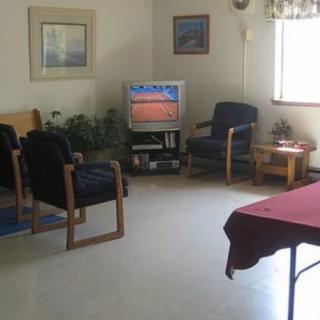
 Cable or satellite TV
 Computer center
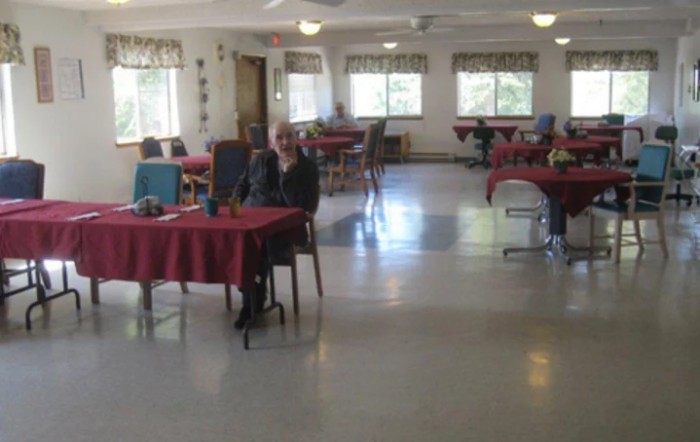
 Dining room
 Fitness room
 Fully furnished
 Gaming room
 Garden
 Housekeeping services
 Kitchenette
 Move-in coordination
 Outdoor space
 Private bathrooms
 Restaurant-style dining
 Small library
 Telephone
 Wellness center
 Wi-Fi/high-speed internet available
 Community operated transportation
 12-16 hour nursing
 24-hour call system
 Activities of daily living assistance
 Assistance with bathing
 Assistance with dressing
 Assistance with transfers
 Diabetes diet
 Medication management
 Mental wellness program
 Special dietary restrictions
 Concierge services
 Planned day trips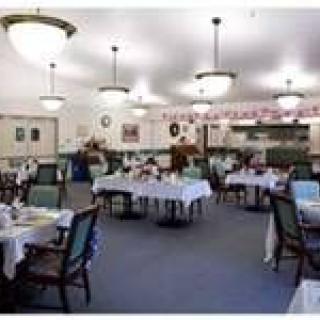




 Home Health Care Aides: Understanding Their Role and Supporting Your Family
 Urinary Tract Infections in Older Adults: Comprehensive Insights on Symptoms, Treatment, and Prevention
 California's Form 602A: An In-Depth Examination of Senior Care Assessment