
405 6th Ave West, Polson, MT 59860
To contact a resident: (406) 883-1021
For more information about senior living options: (866) 208-4318
The Pines of Polson Costs & Pricing
The Pines of Polson offers competitive pricing for its various room types, which align closely with the costs in Lake County. For both private and semi-private rooms, The Pines of Polson maintains a monthly rate of $3,200, reflecting local market conditions while also presenting a significant saving compared to the state average - $4,402 for a private room and $3,874 for a semi-private one in Montana. Additionally, their studio apartments are priced at $3,200 as well, slightly below Lake County's average of $3,250 and favorably positioned against the state average of $3,729. This strategic pricing positions The Pines of Polson as an attractive option for residents seeking quality accommodation without straining their budget.
| Floor plans | The Pines of Polson | Lake County | Montana |
|---|---|---|---|
| Private | $3,200 | $3,200 | $4,402 |
| Semi-Private | $3,200 | $3,200 | $3,874 |
| Studio | $3,200 | $3,250 | $3,729 |
Overall Review of The Pines of Polson
Pros
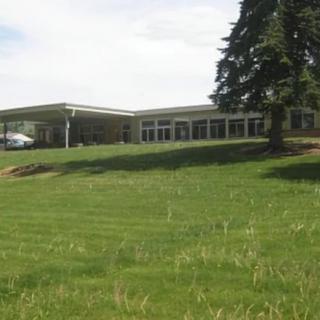
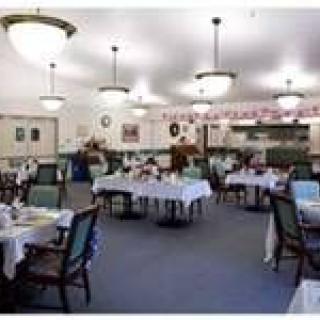
 The Pines Assisted Living is very small, but very homey, and it makes guests feel comfortable as soon as they walk in.
- The director is really nice and easy to work with, and he knows the ins and outs of the Medicaid system.
- The staff care about residents and treat them with love and respect.
- The facility is run like a home, not a hospital.
Review
The Pines of Polson is best suited for families seeking a small, intimate, home-like assisted living environment where personal attention and a sense of belonging are the top priorities. This community shines for residents who value a non-institutional atmosphere, uncomplicated routines, and straightforward assistance with finances and Medicaid navigation. It is not the right fit for those requiring expansive medical oversight, highly structured programming, or a large, bustling campus.
Those who may want to consider alternatives include families with residents who need intensive clinical care or specialized memory-support programs. The Pines operates like a home more than a hospital, which is a strength when warmth and daily familiarity matter, but can feel lacking for anyone seeking frequent on-site therapy sessions, complex wound care, or multiple, highly coordinated care teams. Families seeking a big calendar of activities, robust social programming, or a wide network of external healthcare partners may find larger facilities more aligned with those expectations.
The strongest pro line-up centers on the intimate, caring environment. The small scale means residents are known by name and circumstances, creating a consistent, predictable daily rhythm that feels respectful and reassuring. Staff members appear genuinely devoted to each person, treating residents with kindness and dignity and avoiding a sterile, impersonal vibe. The director stands out as a practical resource, especially for families navigating Medicaid, emerging at every turn with practical guidance and a clear handle on the system. In short, this is a place where human connection and a home-like tenor can meaningfully reduce the stress that accompanies senior housing transitions.
That warmth and clarity, though, must be weighed against what the setting does not aggressively offer. The trade-off for a homelike, low-key operation is a comparatively narrow scope of on-site medical services and a limited menu of high-intensity programs. For families worried about 24/7 clinical coverage, frequent physical therapy, or specialized care for complex conditions, The Pines may feel undersized. Yet when these elements are not the primary concern, when comfort, regularity, and a straightforward path through Medicaid are the deciding factors, the pros effectively offset the potential drawbacks. The result is a reassuring, manageable environment that supports daily living without the distraction of an impersonal, large-scale facility.
As a decision-maker weighs options, the value proposition here rests on practicalities more than spectacle. The staff’s emphasis on respect and a family-like approach translates into fewer administrative headaches for relatives, clearer communication, and a smoother transition for someone who thrives in a predictable, at-home routine. The Medicaid know-how offered by the leadership is not merely a convenience; it mitigates a major source of strain for many families by clarifying eligibility, payments, and coverage, and by shortening the path to stable, affordable care. This pragmatic advantage often makes the difference between chronic worry and confident, ongoing care planning.
In the end, The Pines of Polson serves a distinct niche: a compact, lovingly run residence where residents receive attentive, individualized caregiving in a setting that feels like home. It is especially compelling for families prioritizing personal connection, dignity, and uncomplicated financial navigation over expansive services or a busy, hospital-like environment. Those who expect expansive clinical infrastructure or elaborate activity programming should look elsewhere. For the right resident, one who values warmth, continuity, and a clear, caregiver-focused approach, the Pines delivers meaningful peace of mind and a dependable daily life.
 Board and Care Home
 Memory Care
 Cats allowed
 Dogs allowed
 Activities off-site
 Devotional services off-site
 Ground floor units
 Indoor common areas
 Outdoor common areas
 Private
 Wheelchair accessible showers
 Wi-Fi/high-speed internet available
 Diabetic care
 High acuity care
 Incontinence care
 Medication management
 Anytime dining
 Art classes
 BBQs or picnics
 Birthday parties
 Cooking classes
 Day trips and outings
 Forever fit
 Gardening club
 Live musical performances
 Stretching classes
 Trivia games

 Delving into the Inner World of Dementia: Insights into Thoughts and Awareness
 Five Subtle Dementia Indicators to Observe: An In-Depth Guide to Understanding “Does My Mom Have Dementia?”
 Dementia, Paranoia, and Caregiver Guidance: Understanding the Connection