
1303 Rivendell Court, Polson, MT 59860
For more information about senior living options: (866) 208-4318
The Retreat Costs & Pricing
The Retreat offers competitive pricing in comparison to the broader market conditions of Lake County and the state of Montana. For a one-bedroom unit, The Retreat is priced at $3,670 per month, which is slightly above Lake County's average of $3,610 but exceeds the state average of $3,468. Similarly, for two-bedroom accommodations, The Retreat aligns with Lake County at $4,615; however, it still remains higher than Montana's average rate of $4,247. These figures suggest that while The Retreat maintains a premium position in the local rental market, it also reflects quality and value that may justify the slight cost differences when compared to county and state averages.
| Floor plans | The Retreat | Lake County | Montana |
|---|---|---|---|
| 1 Bedroom | $3,670 | $3,610 | $3,468 |
| 2 Bedrooms | $4,615 | $4,615 | $4,247 |
Overall Review of The Retreat
Pros
 It is a family-style assisted living.
- It is the best place to have one’s parents cared for.
- It is a great place for someone you love to receive special treatment with 100 percent care and love.
- It is a blessing for families.
Review
This community is best suited for families seeking a deeply personal, home-like assisted living experience in Polson, Montana, where aging loved ones are treated with warmth, respect, and unwavering attention. The Retreat positions itself as a family-style setting, and the most emphatic signals from the resident community are the high praise for individualized care and the sense that residents are cherished rather than processed. At least one reviewer calls it the best placement for parents, while another emphasizes that the care feels intimate and attentive, almost like a blessing for a spouse. For families prioritizing emotional warmth, steady routines, and consistent caregiving relationships, this facility maps well to those priorities.
Those who may want alternatives are led by needs that extend beyond personal attention and a close-knit atmosphere. If a resident requires robust clinical oversight, access to memory-care specialization, or a broader slate of medical or therapeutic services under one roof, the small, family-style model may feel limiting. The Retreat’s rural, intimate footprint naturally implies a different balance of day-to-day care versus on-site medical resources than larger campuses. For families seeking a campus with extensive on-call physicians, highly structured programming, or a wide diversity of accredited supports, it makes sense to compare options that emphasize clinical breadth and formal memory-care environments.
The strongest positives center on the essence of care: a warm, family-oriented environment in which staff appear deeply invested in each resident’s well-being. Reviewers repeatedly highlight 100 percent care and love as a hallmark, describing the setting as one where residents receive special treatment that makes them feel genuinely valued. That level of personalization, where routines, meals, and daily assistance feel tailored rather than standardized, delivers emotional security for families and dignity for residents. In practice, this translates to caregivers who remember preferences, anticipate needs, and foster relationships that resemble kinship more than routine service.
Yet the main caveat follows logically from the same strengths. The intimate scale that enables such closeness can also constrain the range of services and activities available, especially for residents with complex medical needs or those requiring highly specialized therapies. The reviews don’t spell out every clinical capability, so prospective residents should confirm the facility’s capacity to manage specific conditions, emergency protocols, and the availability of trained memory-care staffing if that becomes necessary. Additionally, the rural setting, while charming and quieter, may pose visiting logistics or access to certain specialists compared with urban alternatives.
The pros, if weighed against these potential limits, strongly offset the cons for a large segment of families. When emotional warmth, continuity of care, and staff familiarity with a resident’s preferences matter most, the advantages are compelling. The Retreat appears to minimize the sense of abandonment that can come with aging by embedding residents into a supportive, predictable routine and by ensuring caregivers know individual histories. For seniors who prize companionship, familiarity, and a nurturing touch from caregivers who act like extended family, the offset is substantial enough to consider this community a top choice in its niche.
Conclusion and guidance: The Retreat stands out for families who prize a homey atmosphere where care feels personal, sincere, and highly attentive. It is less suited for those who demand broad medical services on-site, aggressive programming, or quick access to a wide network of specialists. Visitors should quantify their loved one’s medical needs, verify staffing levels and qualifications for any memory- or complex-care requirements, and assess whether the nearby rural setting aligns with visiting plans and contingency care. For families prioritizing dignity, intimate connections with caregivers, and the reassurance that a loved one will be treated with genuine, daily affection, The Retreat offers a proven, high-ethos option in Polson that warrants strong consideration.
 15 resident community capacity
 Assisted Living
 Beauty salon
 Cable or satellite TV
 Dining room
 Fully furnished
 Garden
 Housekeeping services
 Kitchenette
 Move-in coordination
 Outdoor space
 Restaurant-style dining
 Small library
 Telephone
 Wi-Fi/high-speed internet available
 24-hour supervision
 Activities of daily living assistance
 Assistance with bathing
 Assistance with dressing
 Assistance with transfers
 Diabetes diet
 Medication management
 Mental wellness program
 Special dietary restrictions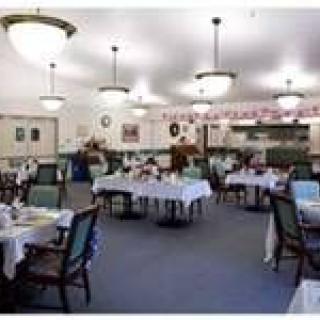





 Comprehensive Residential Support and Assisted Living Solutions for Individuals with Disabilities
 Comprehensive Supportive Living Arrangements for Adults with Disabilities
 Funding and Affording Assisted Living: A Thorough Overview