
321 North Fifth Avenue, Bozeman, MT 59715
For more information about senior living options: (866) 208-4318
Overall Review of Bridger Rehab And Care Center
Pros
 Staff was great.
- Staff was responsive.
- Staff was attentive.
- Lunches were typically very good.
- The room had a nice view.
Cons
 They claimed the caregivers would let a loved one slip through their hands unless monitored 24/7.
- They alleged the staff did not follow the patientā€™s wishes, including not taking his temperature as he wished.
- They stated the head nurse, Mark, had no compassion during the situation and up to the passing.
- They described the father being left in a diaper with feces crusted for days.
- They criticized the meals as low quality, noting breakfast and dinner were heavy on cheaper carbs.
- They alleged the billing office withheld refunds, required upfront payments, and threatened chargebacks.
- They noted accessibility issues: the front door has a wheelchair ramp, but inside the building it is all stairs, making it inaccessible for handicapped individuals.
Review
Bridger Rehab and Care Center in Bozeman, Montana, is best suited for families that can actively supervise a loved one through a short-term rehabilitation stay when medical needs are not highly complex. It functions as a transitional option where a caregiver or advocate can press for timely attention and clear decisions. Those requiring around-the-clock nursing, highly skilled end-of-life oversight, or managing complex medical conditions should consider facilities with stronger 24/7 monitoring and more consistent palliative care expertise. In short, it can serve well for basic rehab with vigilant oversight, but it is not a substitute for higher-acuity or fully supervised environments.
There are moments when the staff show real strength. Several accounts describe frontline team members as responsive and attentive, capable of addressing routine needs when oversight is present. There are also mentions of functional dining experiences during lunch, and a resident room that offers a pleasant view. These positives matter, but they hinge on consistent execution and ongoing advocacy. Without steady, assertive family involvement, the favorable interactions and small comfort touches may not translate into a reliably solid day-to-day experience.
The most troubling, persistent concerns revolve around care quality and compassion. One account alleges a profound lapse at a critical moment, with a loved one not receiving appropriate attention and care aligned with his stated wishes. Other descriptions describe neglectful or insufficient bedside care, someone left in a diaper with waste and not receiving timely basic monitoring. While these anecdotes may be isolated, they signal a real risk to safety and dignity that families cannot ignore. When care quality is uneven or delayed, the emotional and practical stakes for families are high, often outweighing any perks from meals or room views.
Operational issues compound the risk. Billing disputes surfaced in at least one stay, including an upfront payment requirement for additional days and a delayed refund process, creating tension for families budgeting for care. A month-long delay on refunds is unacceptable and erodes trust. Accessibility inside the building also raises red flags: a wheelchair ramp exists at the entrance, but beyond the door the interior is stair-only, with no clear, navigable route from the lobby to upper floors for residents with mobility challenges. These structural and financial realities complicate the decision for any resident who relies on predictable access and transparent financial arrangements.
Who should consider alternatives? Anyone needing dependable 24/7 monitoring, consistent end-of-life care, or steady housekeeping and nutrition should look elsewhere. Families that can live with a best-case scenario, where responsive staff and brief rehab stays are possible but where care quality and logistics vary, may still find value here, but the bar is uneven. If safety, dignity in daily care, transparent billing, and reliable mobility access are non-negotiable, this community warrants a careful comparison with other options that demonstrate steadier execution across these domains.
Practical next steps are essential. Schedule an in-person tour focused on real-time staff interactions and the floor plan for residents with mobility concerns. Request current staffing levels, turnover rates, and a copy of the latest care plans and orders to verify how resident needs are managed day-to-day. Seek concrete examples of meal options and dining schedules, and ask about procedures for transfers, safety incident prevention, and clearly documented end-of-life preferences. Inspect interior accessibility, confirm whether elevators or alternative routes exist for upper floors, and review state inspection records and references from current families to gauge whether the positive anecdotes translate into consistent, reliable care over a longer stay.
 103 resident community capacity
 Skilled Nursing Facility
 Air-conditioning
 Beauty salon
 Cable or satellite TV
 Computer center
 Dining room
 Fitness room
 Fully furnished
 Gaming room
 Garden
 Housekeeping services
 Kitchenette
 Move-in coordination
 Outdoor space
 Private bathrooms
 Restaurant-style dining
 Small library
 Telephone
 Wellness center
 Wi-Fi/high-speed internet available
 Gallatin (8 miles away)
 Community operated transportation
 12-16 hour nursing
 24-hour call system
 Activities of daily living assistance
 Assistance with bathing
 Assistance with dressing
 Assistance with transfers
 Diabetes diet
 Medication management
 Mental wellness program
 Special dietary restrictions
 Concierge services
 Planned day trips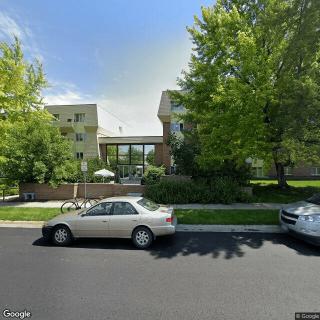



 Comprehensive Guide to Blood Pressure Charts for Older Adults: Understanding Normal and High Readings by Age
 Financing Long-Term Nursing Home Care Through Social Security: A Thorough Exploration
 Essential Knowledge on Pneumonia in Older Adults