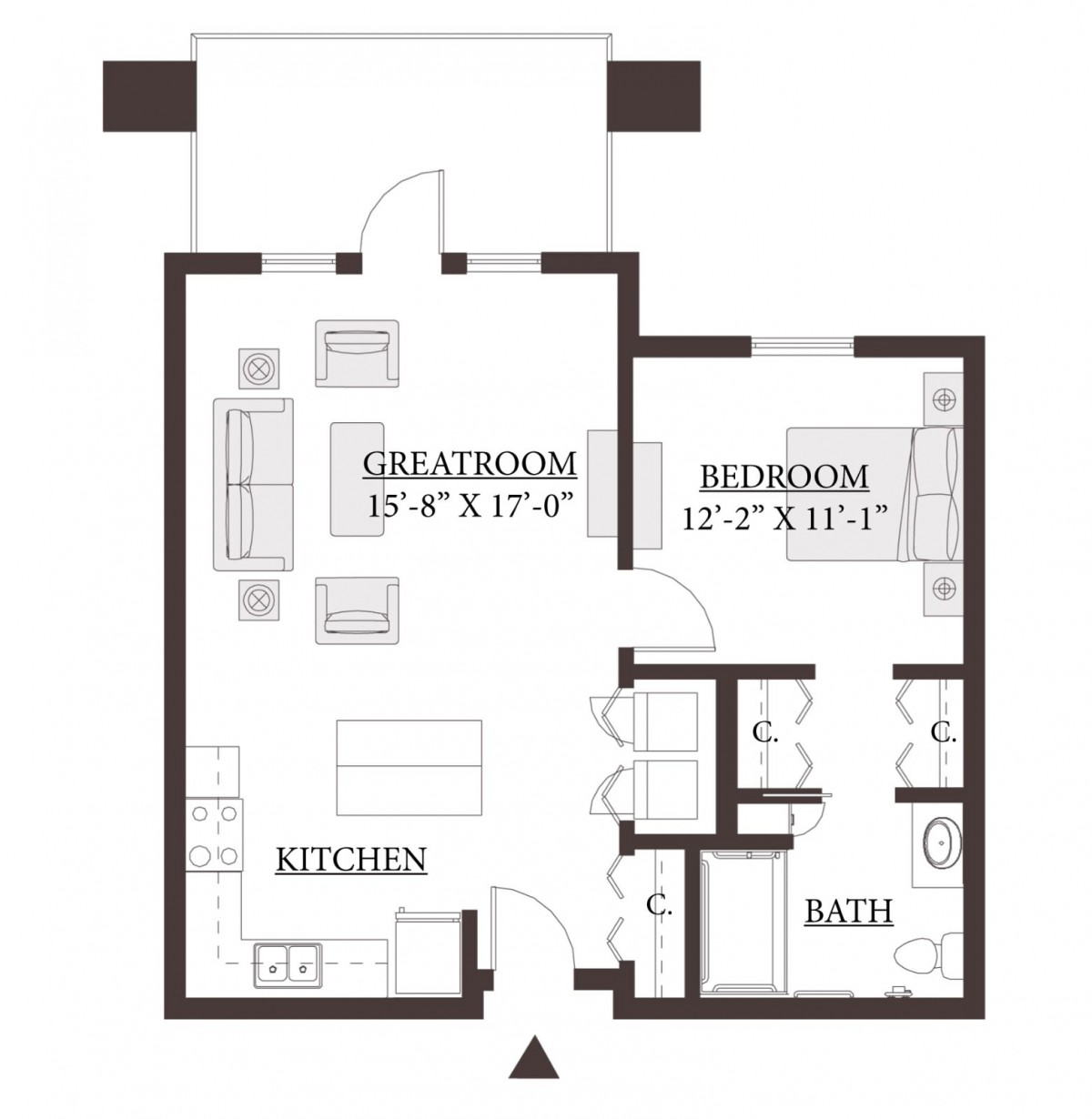
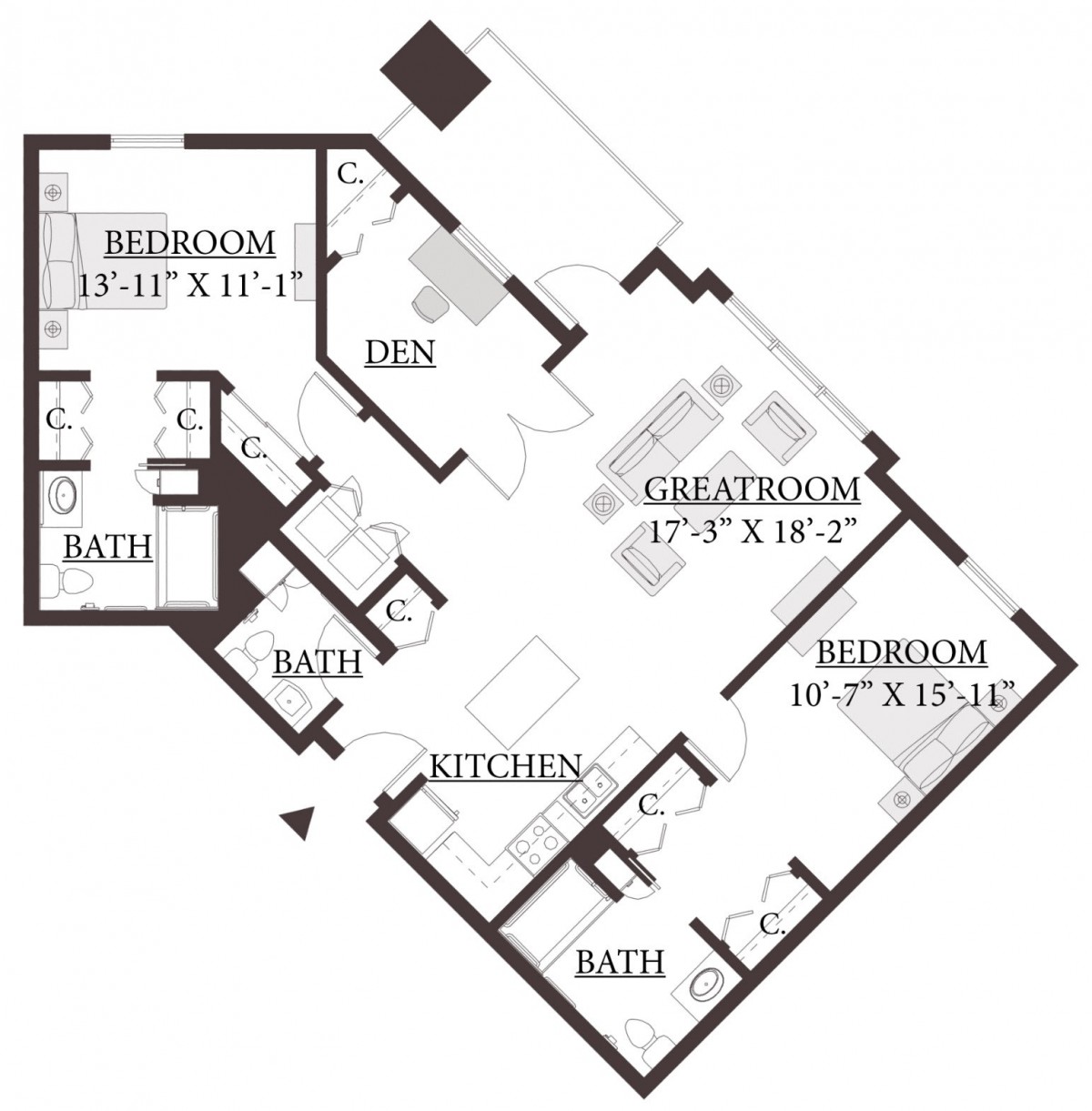
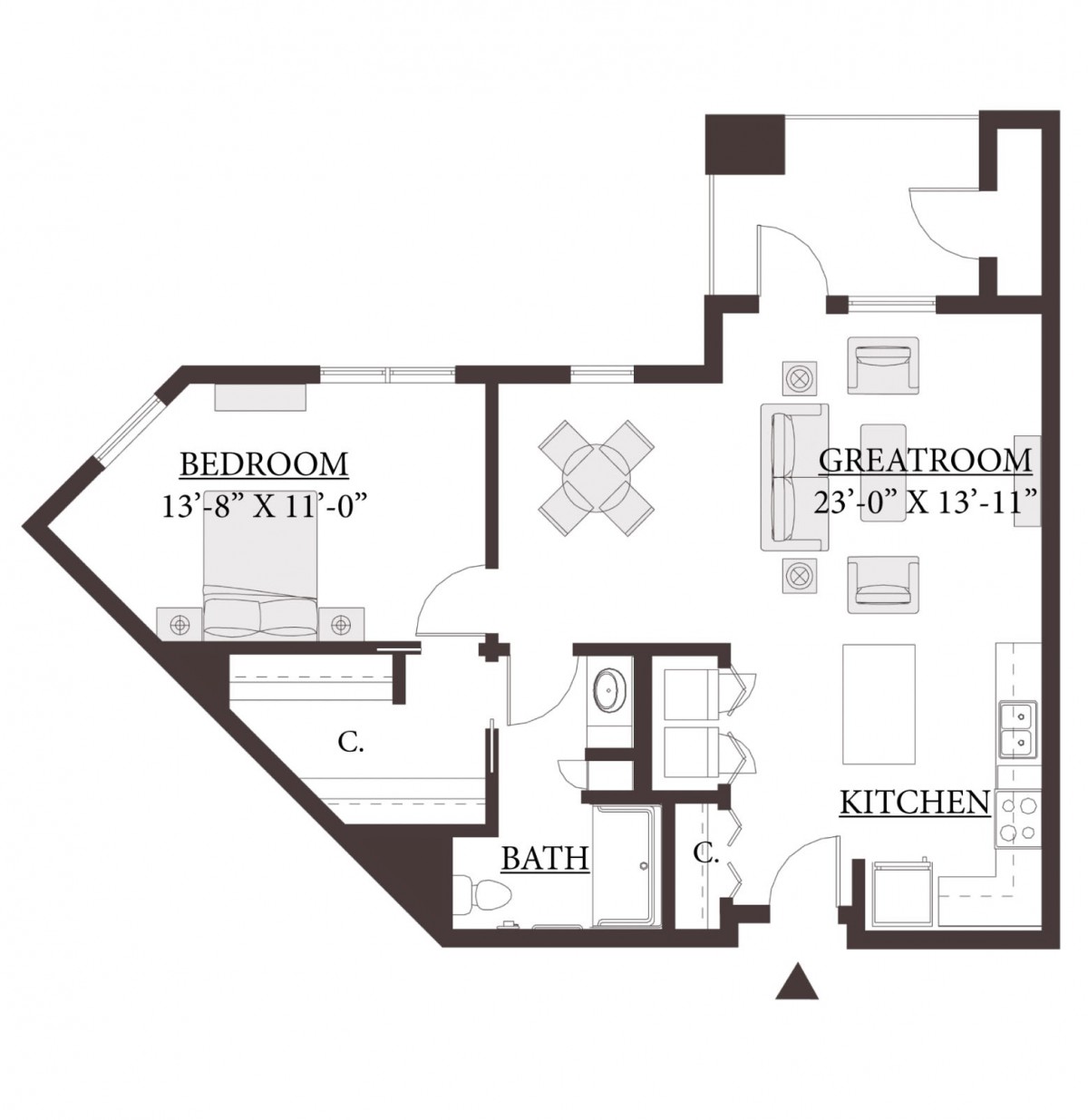
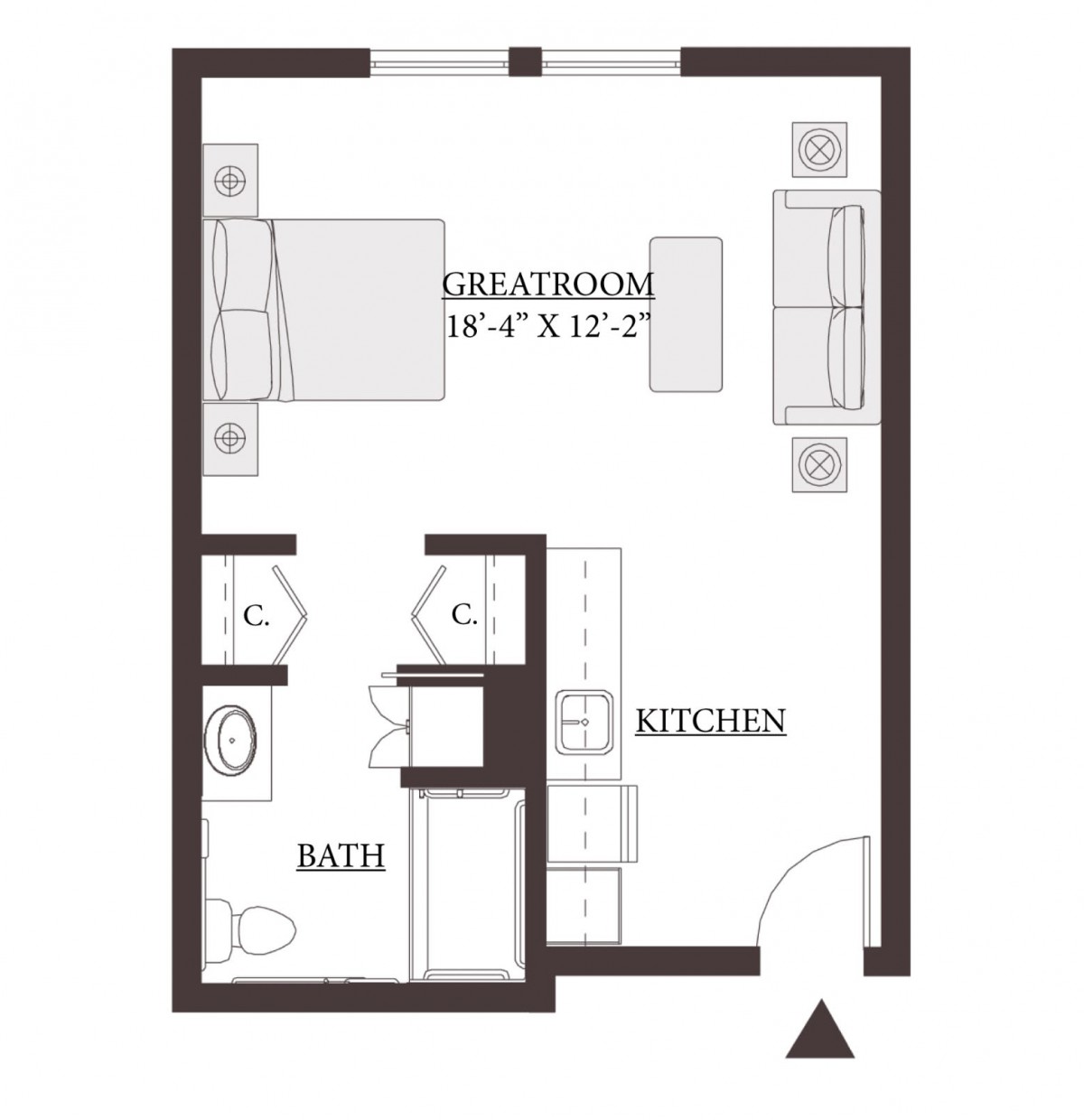
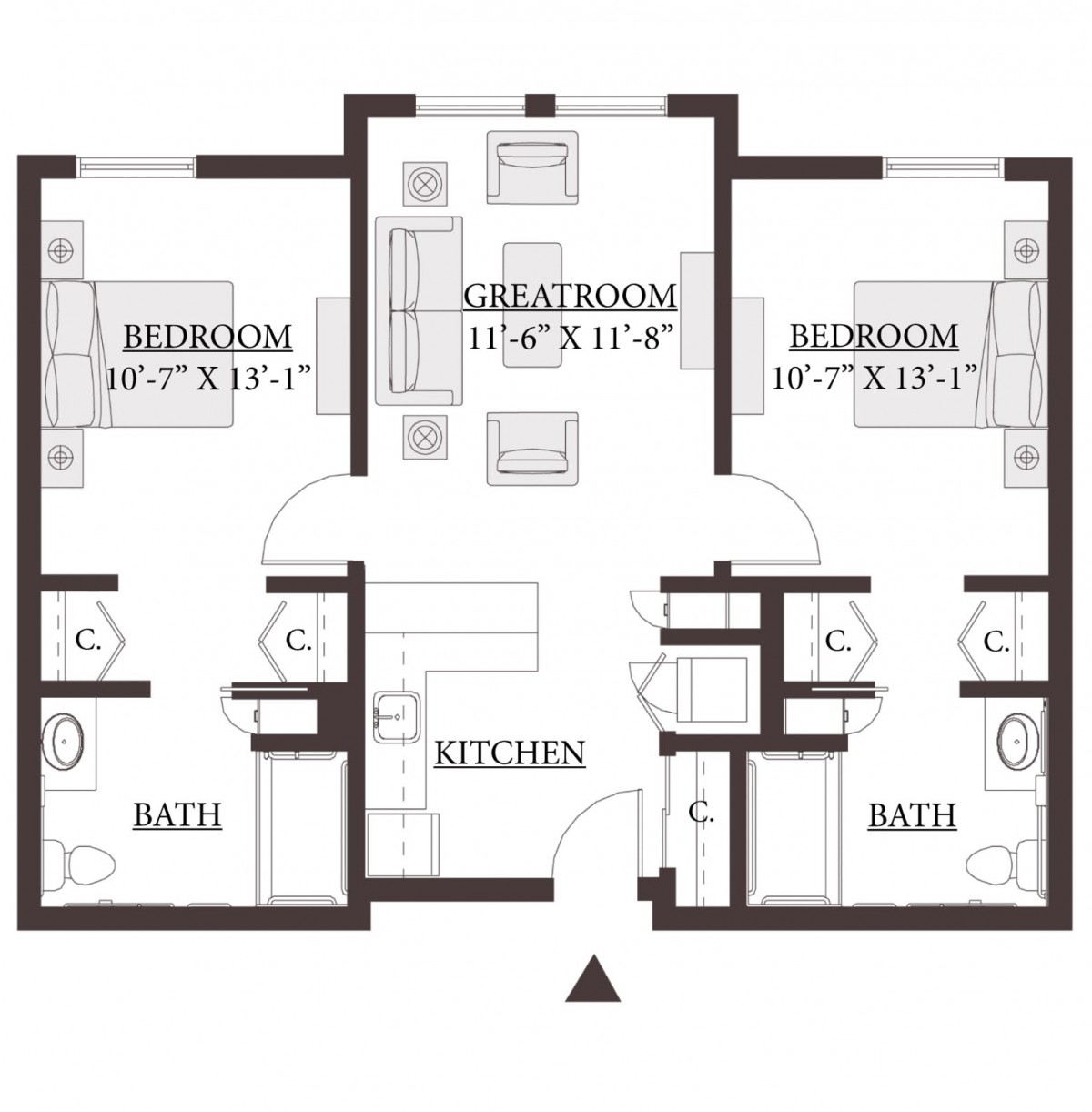
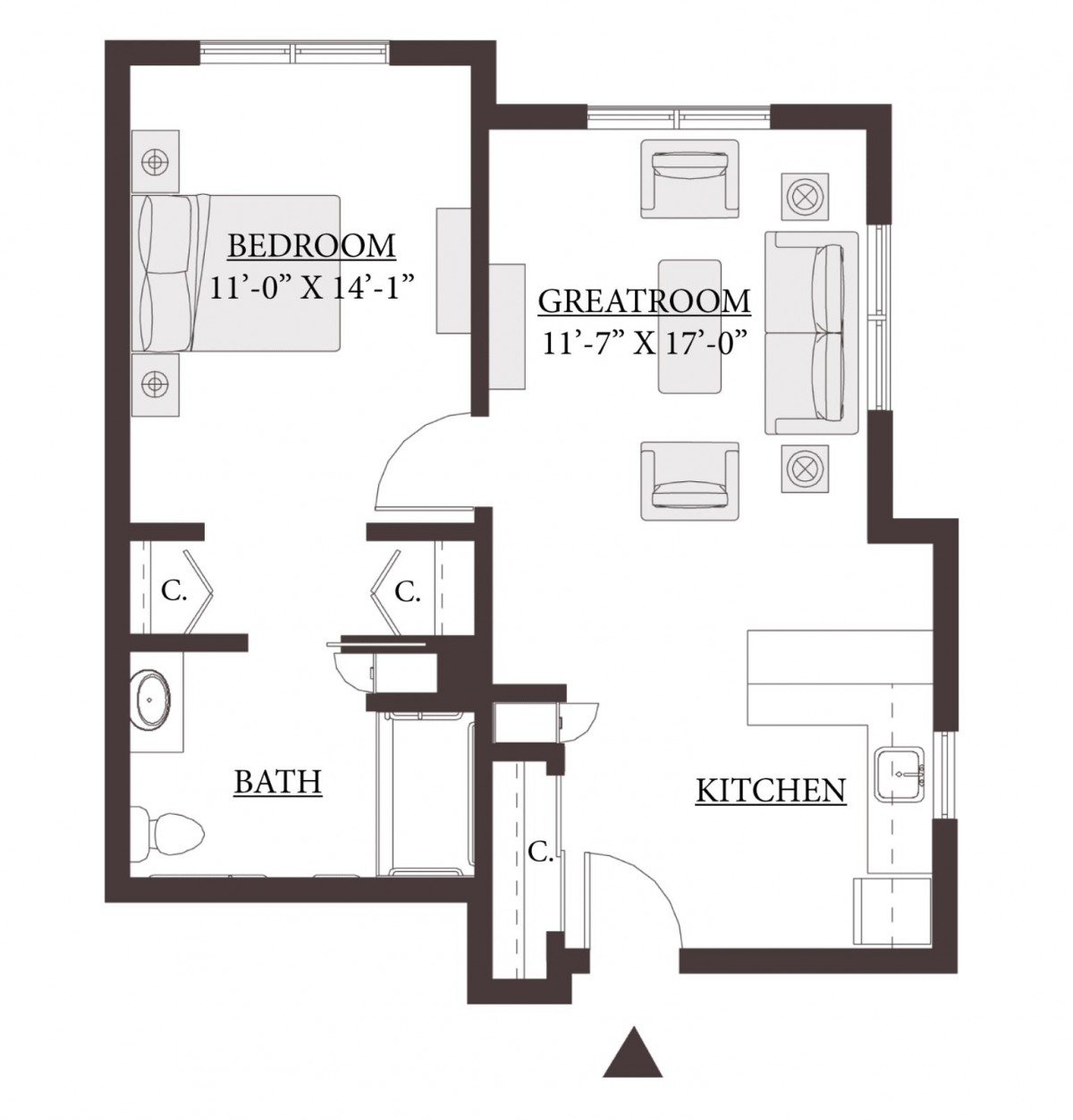
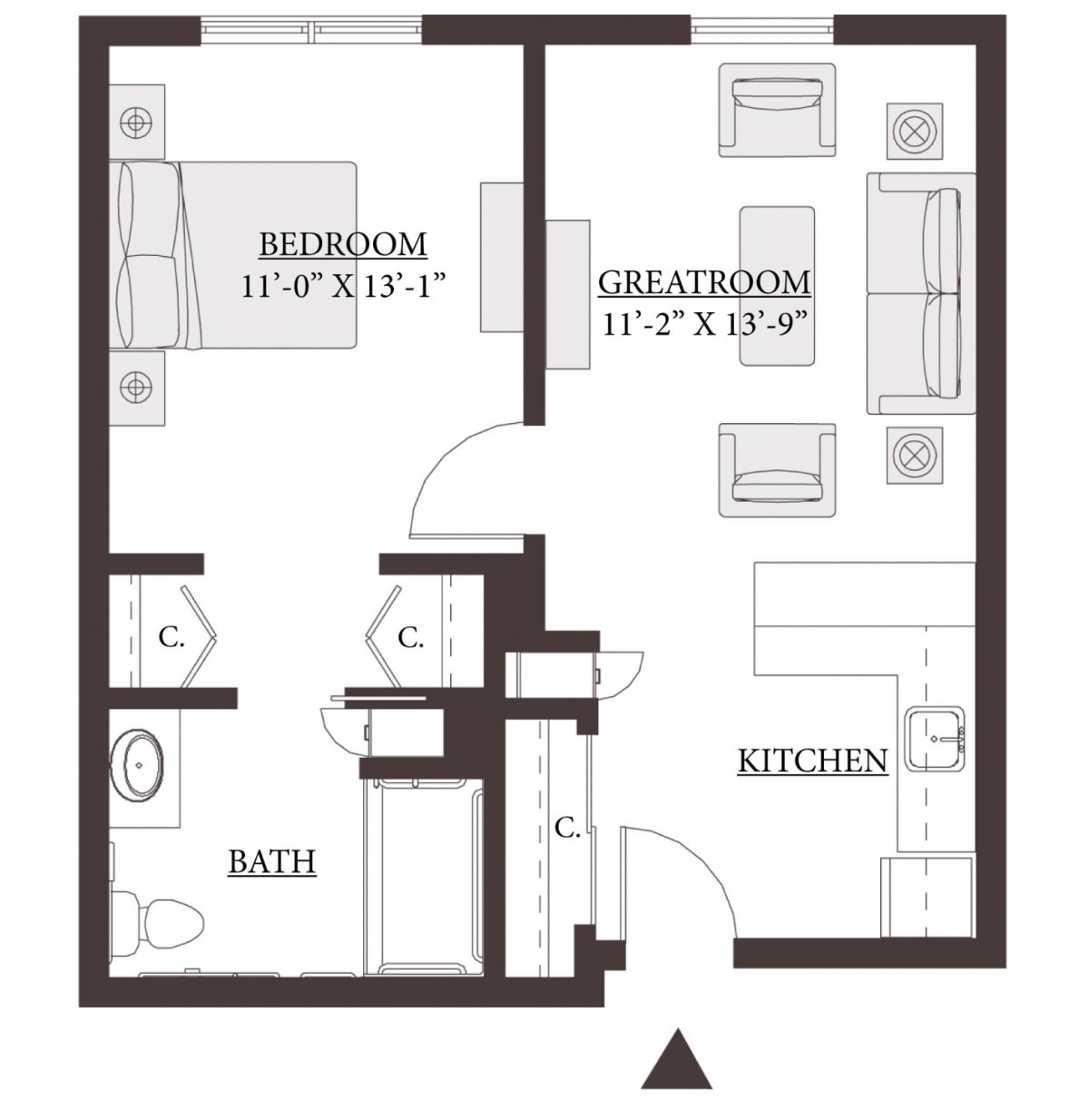
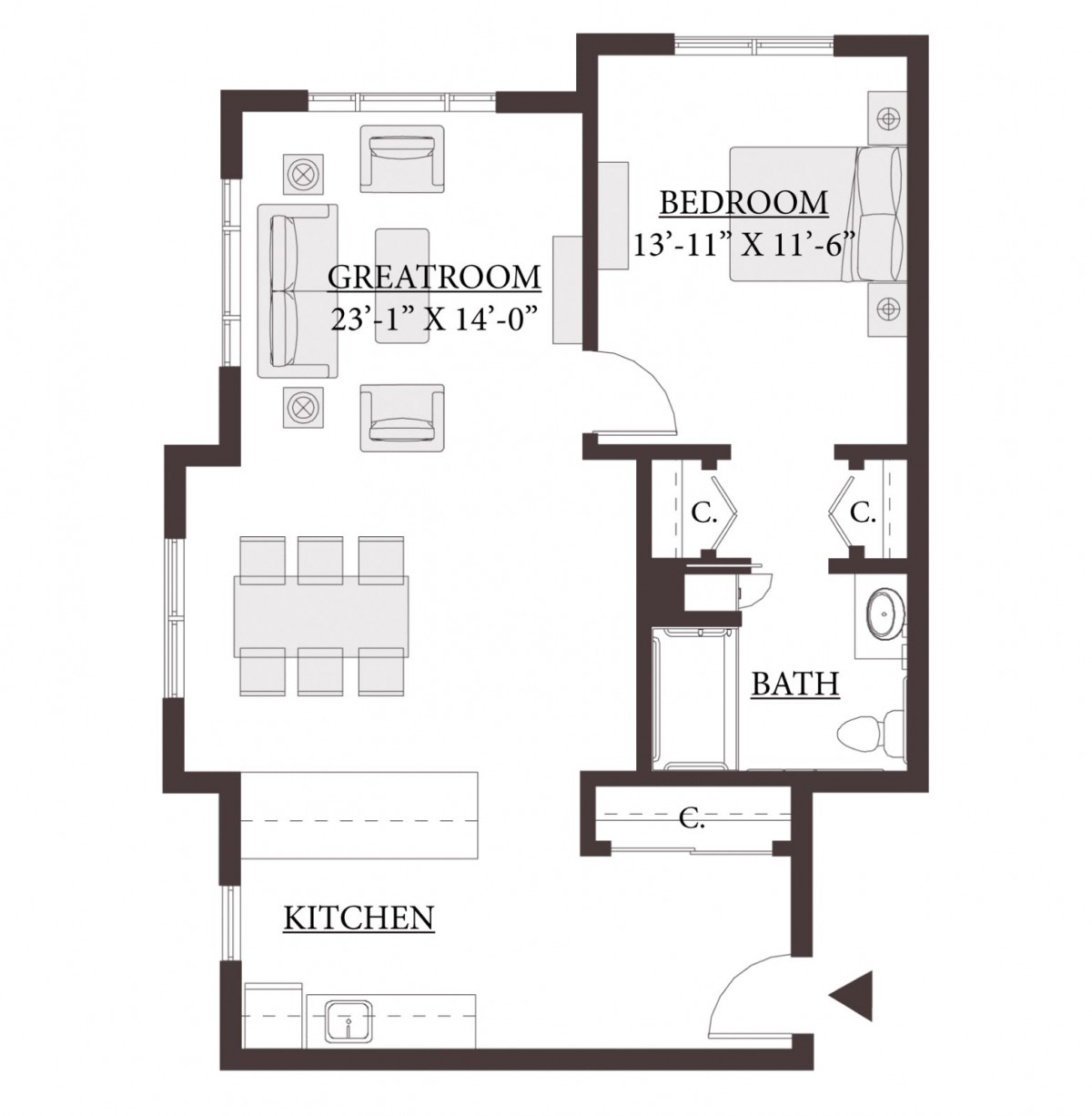
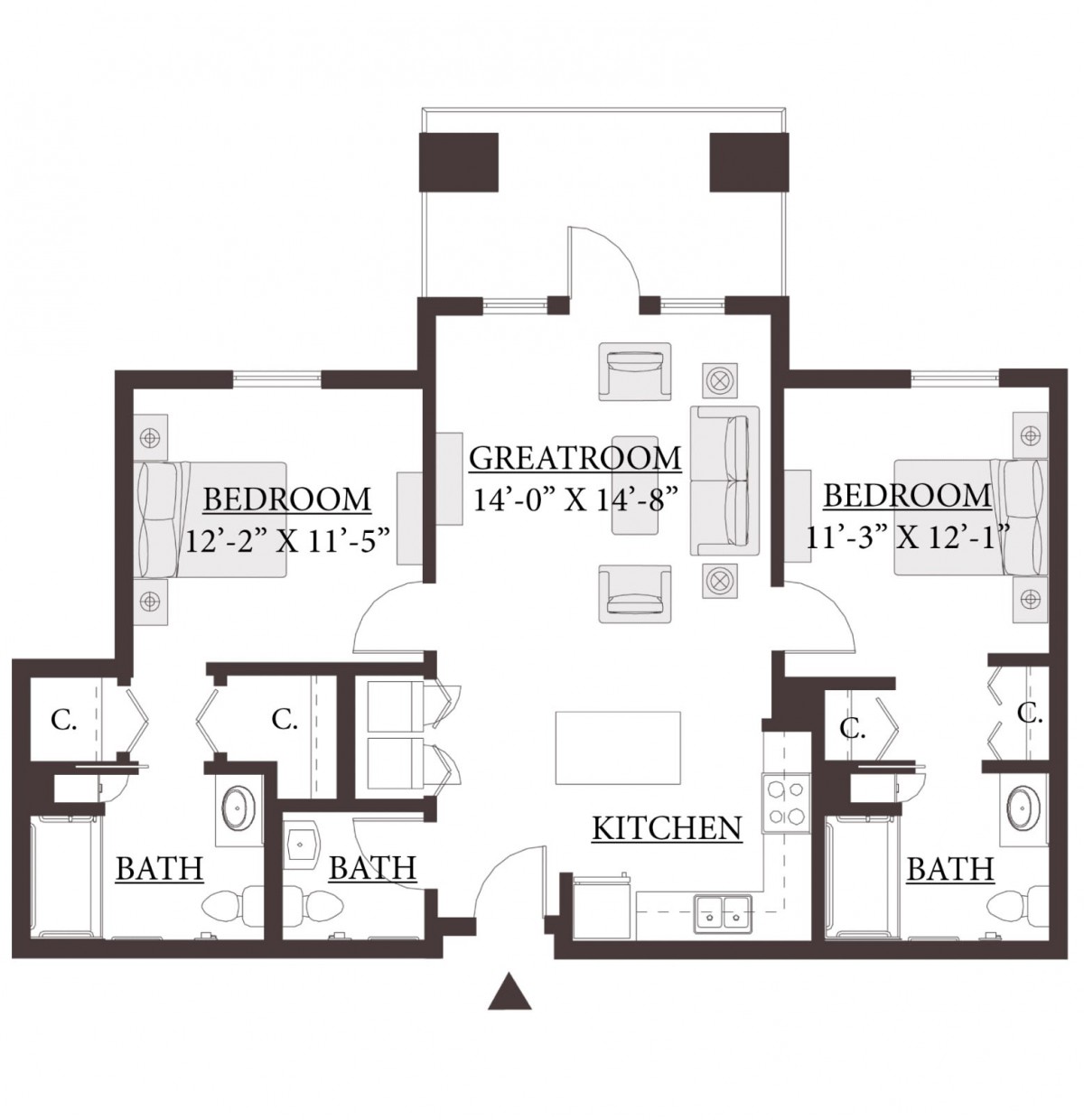
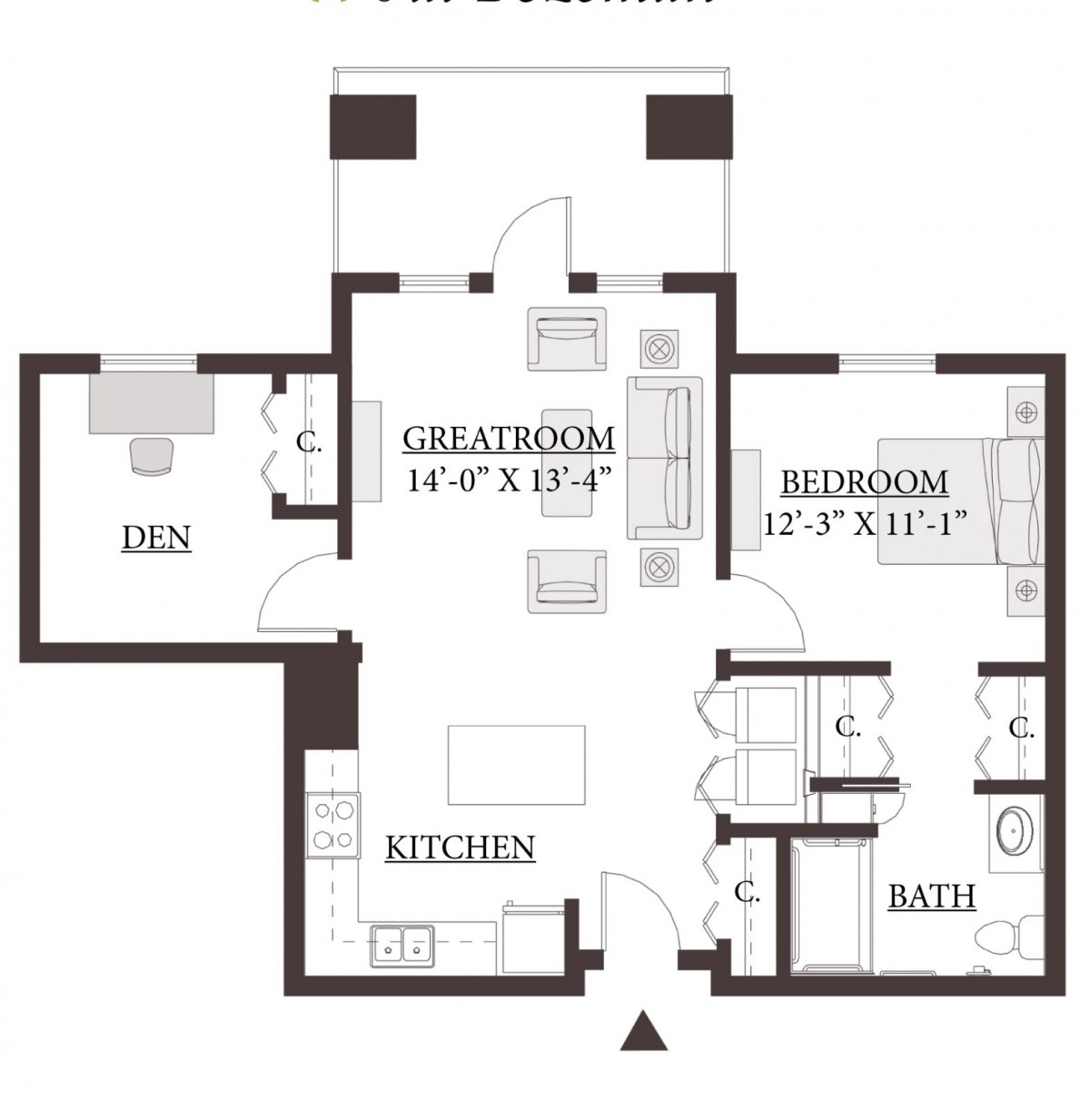
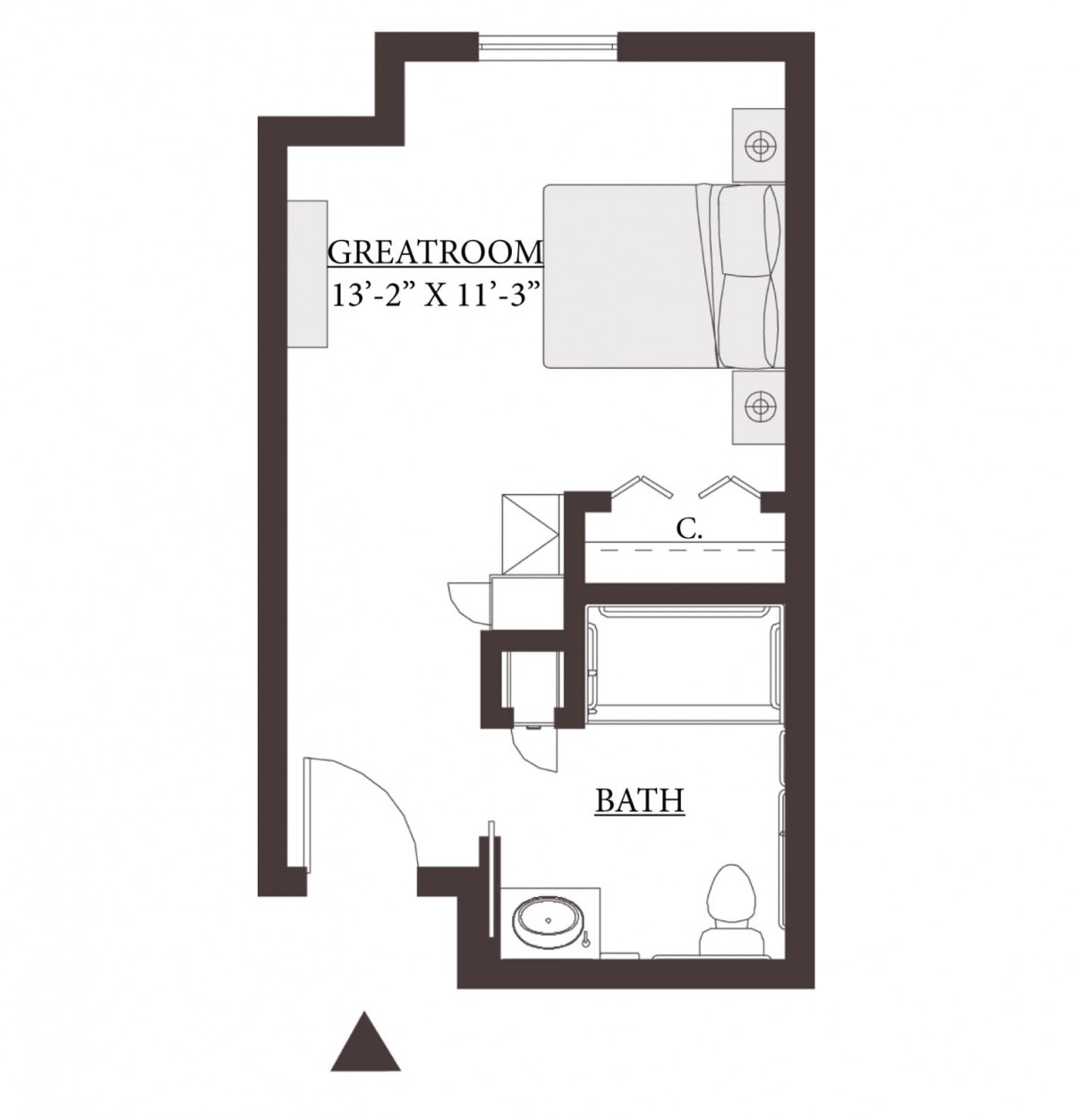
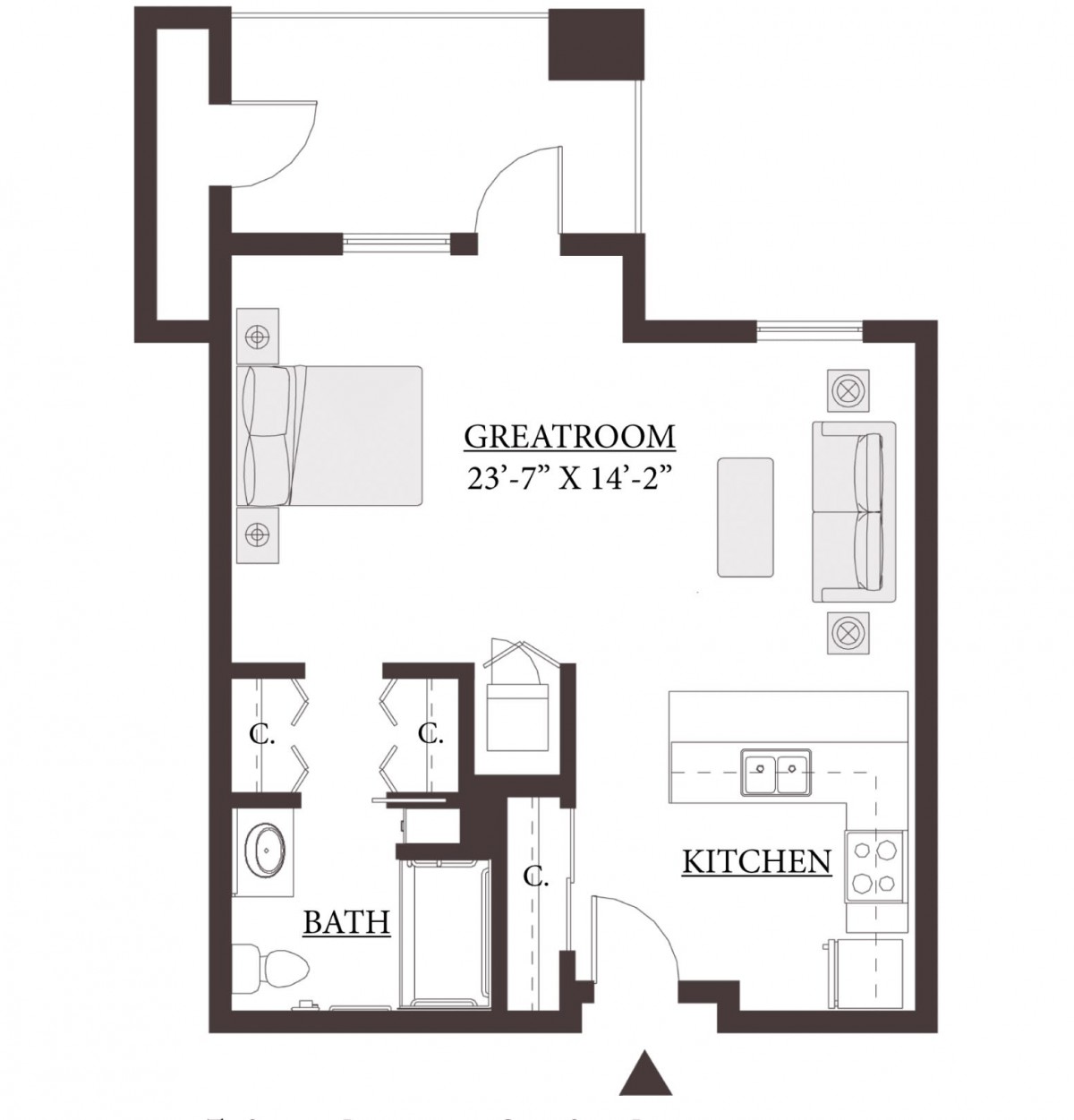
The Springs at Bozeman offers a competitive pricing structure for its various room types when compared to both Gallatin County and the broader state of Montana. For a studio, residents can expect to pay $3,600 per month, which is significantly lower than the county average of $6,250 and slightly above the state average of $3,729. One-bedroom units are priced at $4,100, aligning closely with Gallatin County's average of $4,163 while remaining below the state's average of $3,468. The two-bedroom option is available at $5,425 per month, which is higher than both Gallatin County's average of $5,090 and Montana's average of $4,247. Overall, The Springs at Bozeman presents an appealing choice for potential residents seeking quality accommodations in a desirable location without exceeding local market rates significantly.
Floor plans
The Springs at Bozeman
Gallatin County
Montana
Studio
$3,600
$6,250
$3,729
1 Bedroom
$4,100
$4,163
$3,468
2 Bedrooms
$5,425
$5,090
$4,247
Overall Review of The Springs at Bozeman
common40 reviews mention this
Staff care is consistently praised
Residents and families repeatedly describe attentive, kind, and responsive staff.
Many reviewers highlight how the staff treats residents with warmth and consistency, including getting to know residents personally and following through when needs come up. Several also mention caregivers being friendly during visits, and note a calm, supportive environment for families during difficult transitions. A smaller number of reviews raise concerns about management or care consistency, but the overall feedback emphasizes genuine care from day-to-day employees and leadership.
common12 reviews mention this
Activities keep residents engaged
Reviewers describe a wide range of activities that help residents stay active.
Multiple reviews say activities are varied and engaging, with options that suit different interests. Some mention resident trips and community events, and others call out scheduled programming that keeps older adults active. The reviews also connect activities to overall quality of life, not just a one-time event during the sales process.
common8 reviews mention this
Food is a frequent bright spot
Dining stands out in reviews, with many describing meals as good or excellent.
Several reviewers say the food is better than what they’ve experienced elsewhere, with comments about service and meal quality. Some specifically mention a robust, frequently updated menu and describe dining as a pleasant part of daily life. A few reviewers describe food more neutrally, but the dominant theme is that meals are satisfying rather than institutional.
common7 reviews mention this
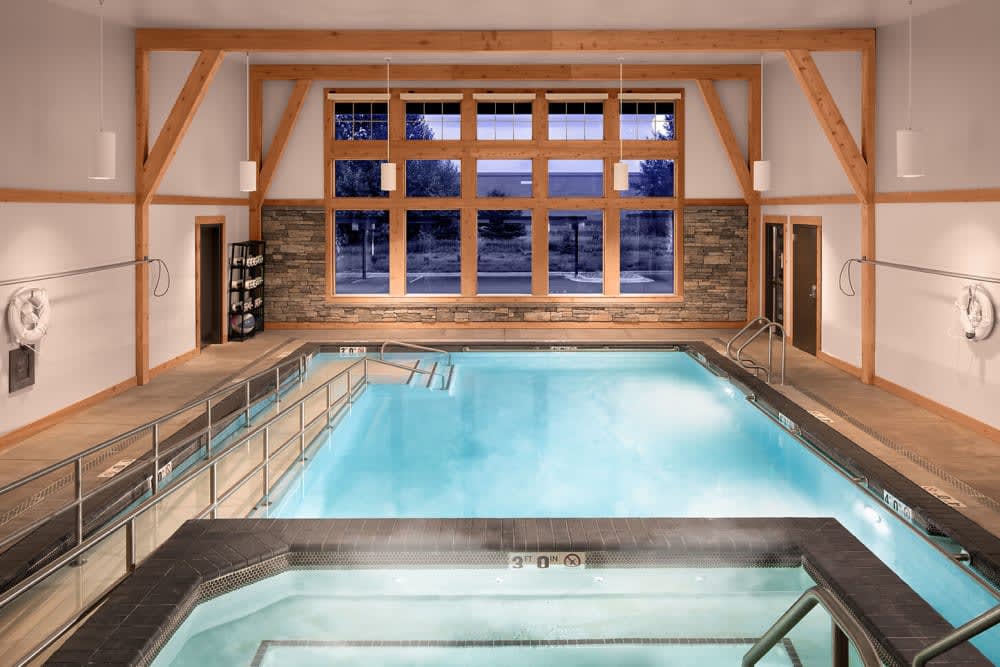
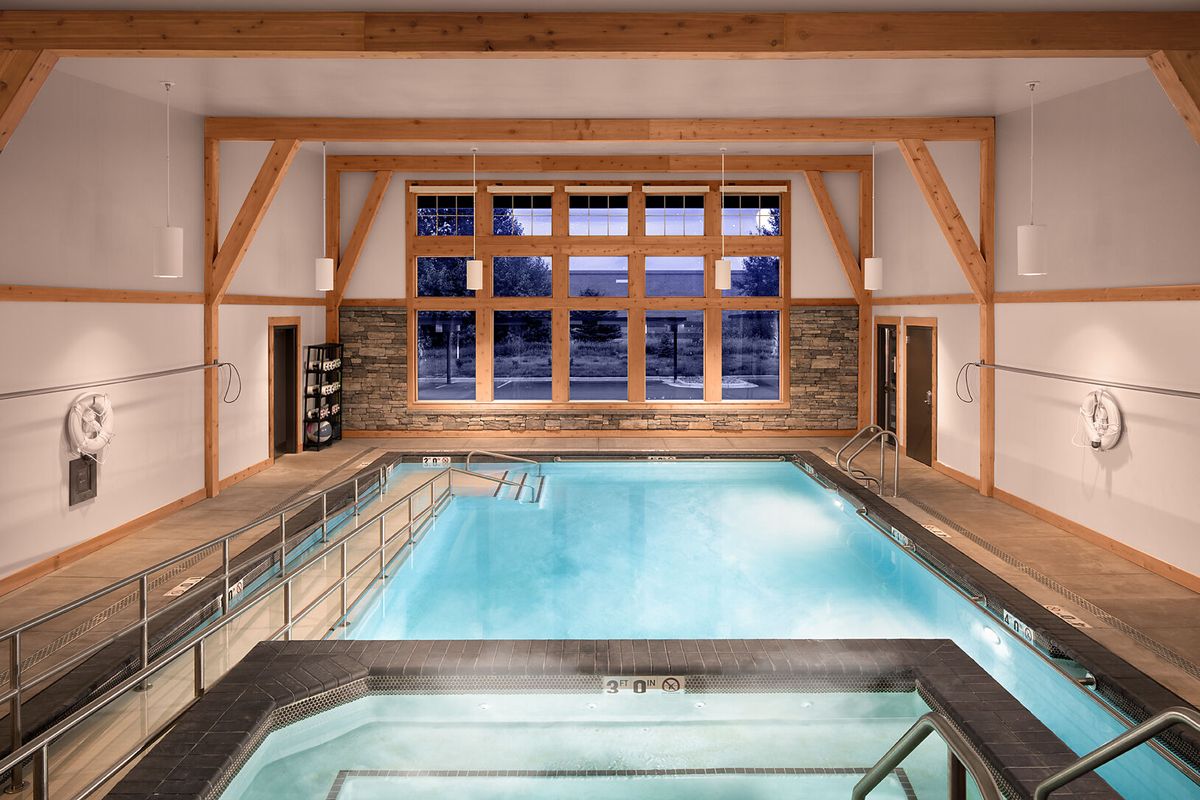
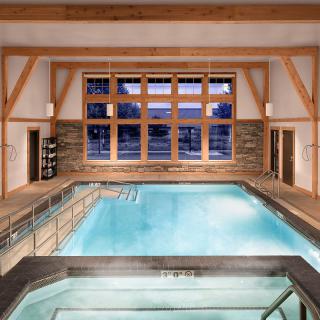
Pool and hot tub are well-liked
The pool and hot tub are repeatedly mentioned as welcome amenities.
Reviews frequently point to the pool as a go-to amenity, including comments that it stays warm and is kept clean. Some describe being able to continue water-based programs during renovation periods, and others mention using the therapy pool and hot tub. A few also describe the pool experience as part of what makes the facility feel comfortable for visitors and residents.
common10 reviews mention this
Facility cleanliness and comfort matter
Many reviews emphasize a clean, comfortable, and welcoming facility.
Multiple reviewers describe the building as clean and warm, and several say it feels more like a welcoming environment than a traditional institutional setting. Others mention how the common areas and atmosphere contribute to comfort during visits and day-to-day life. One review does raise concerns about management and care approach, but cleanliness and overall facility comfort appear broadly in positive feedback.
How we summarize
Counts show how many written reviews mention each theme; a review can touch several themes, and only frequently mentioned themes are displayed.
Features
Housing
21 resident community capacity
1-bedroom apartments
2-bedroom apartments
3-bedroom apartments
Condos / townhomes
Detached homes
Studio apartments
Types of Care
Assisted Living
Independent Living
Memory Care
Pets
Cats allowed
Dogs allowed
Amenities
Activities off-site
Activities on-site
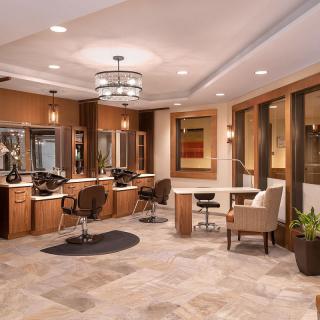
Beautician on-site
Beauty salon
Cable or satellite TV
Devotional services off-site
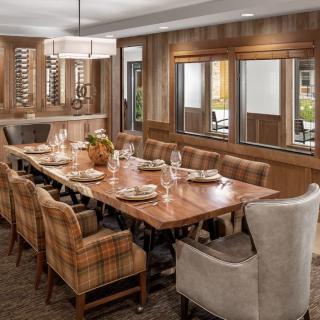
Dining room
Financial aid
Financing advice
Fully furnished
Garden
Guasts at mealtime
Guest parking
Hiking trails
Home sale assistance
Housekeeping services
Indoor common areas
Kitchenette
Laundry
Move-in coordination
Outdoor space
Resident parking
Respite or short term stays offered
Spa
Swimming pool
Swimming pool / hot tub
Telephone
VA Benefits Consultation
Wellness center
Wheelchair accessible showers
Wi-Fi/high-speed internet available
Transportation
Gallatin (6 miles away)
Transportation & parking
Care Services
24-hour call system
24-hour supervision
Activities of daily living assistance
Ambulatory care
Assistance with bathing
Assistance with dressing
Assistance with transfers
Coordination with health care providers
Dementia waiver
Diabetes diet
Diabetic care
Hospice care
Hospice waiver
Incontinence care
Meal preparation and service
Medication management
Mental wellness program
Mild cognitive impairment
Special dietary restrictions
Specialized memory care programming
Transportation arrangement (medical)
Transportation to doctors appointments
Dining
Diabetes diet
Meals provided
Special dietary restrictions
Activities
Activities off-site
Activities on-site
Community-sponsored activities
Devotional activities offsite
Fitness programs
Resident-run activities
Scheduled daily activities
Languages Spoken
English
Videos
Nearby Places of Interest
This part of Bozeman, Montana offers a variety of amenities and services that cater to the needs of seniors. With several restaurants and cafes within close proximity, residents can enjoy a range of dining options without having to travel far. Places of worship are also easily accessible, providing spiritual support and community connections. The numerous parks in the area offer opportunities for outdoor recreation and relaxation. Additionally, pharmacies and physicians' offices are nearby, ensuring convenient access to healthcare services. For more specialized medical needs, there are hospitals in the vicinity as well. Overall, this part of Bozeman provides a well-rounded environment for seniors looking to live comfortably and conveniently.
Restaurants
Outlaw Brewing (0.2 miles)
Great American Grill (1 miles)
Old Chicago (1 miles)
La Tinga (1.1 miles)
Wendy's (1.2 miles)
Olive Garden (1.2 miles)
Mongolian BBQ (1.4 miles)
Cafes
Starbucks (1.1 miles)
Coldsmoke Coffee House (1.3 miles)
City Brew Coffee (2.1 miles)
The Farmer's Daughters Cafe (2.3 miles)
Feed Cafe (2.4 miles)
The Daily Coffee Bar (2.4 miles)
Starbucks (2.5 miles)
Places of Worship
Shining Mountains Lutheran Church (1.1 miles)
Bedrock Church Bozeman (2.2 miles)
Holy Rosary Catholic Church (2.7 miles)
Alliance Fellowship (2.9 miles)
Center For Campus Ministry (3 miles)
Parks
Gallatin County Regional Park (1.2 miles)
Dinosaur Playground (1.2 miles)
Rose Park (1.4 miles)
East Gallatin Recreation Area (1.6 miles)
Centennial Park (2.4 miles)
Story Mill Park (2.4 miles)
Valley West Park (2.6 miles)
Pharmacies
Smith's Food & Drug (1.3 miles)
Option Care Health (1.5 miles)
Price Rite Drug and Medical Equipment (2.1 miles)
CVS Pharmacy (2.2 miles)
Albertsons Pharmacy (2.4 miles)
Collective Elevation (2.4 miles)
Safeway Food & Drug (2.5 miles)
Physicians
Allergy & Asthma Consultants of Montana (1.6 miles)
Pure Dermatology (1.6 miles)
Ridgway Plastic Surgery and Medical Spa (1.6 miles)
Treasure State Hearing (1.7 miles)
Allergy & Asthma Consultants of Montana (1.7 miles)
The Springs at Bozeman offers a competitive pricing structure for its various room types when compared to both Gallatin County and the broader state of Montana. For a studio, residents can expect to pay $3,600 per month, which is significantly lower than the county average of $6,250 and slightly above the state average of $3,729. One-bedroom units are priced at $4,100, aligning closely with Gallatin County's average of $4,163 while remaining below the state's average of $3,468. The two-bedroom option is available at $5,425 per month, which is higher than both Gallatin County's average of $5,090 and Montana's average of $4,247. Overall, The Springs at Bozeman presents an appealing choice for potential residents seeking quality accommodations in a desirable location without exceeding local market rates significantly.
The Springs at Bozeman offers 1-bedroom apartments, 2-bedroom apartments, 3-bedroom apartments, Condos / townhomes, Detached homes, and Studio apartments.
The Springs at Bozeman offers a comprehensive array of features tailored to support residents with dementia or Alzheimer's disease, ensuring their safety and enhancing their quality of life. With 24-hour supervision, residents receive continuous monitoring, which is crucial for those prone to wandering or requiring immediate assistance. The provision of help with activities of daily living, such as bathing, dressing, and transfers, promotes dignity and independence while addressing physical limitations. Coordination with healthcare providers ensures that medical needs are effectively managed, complemented by medication management that helps prevent errors. Specialized memory care programming engages residents in cognitive exercises that stimulate mental wellness, bolstered by a structured mental wellness program designed specifically for individuals experiencing mild cognitive impairment. Additionally, the establishment of a dementia waiver allows for tailored care plans that accommodate each resident's unique needs. Incontinence care and meal preparation further support comfort and nutrition, while transportation arrangements facilitate access to necessary medical appointments. Together, these features create a nurturing environment that prioritizes both the emotional and physical well-being of residents navigating the challenges of memory loss.
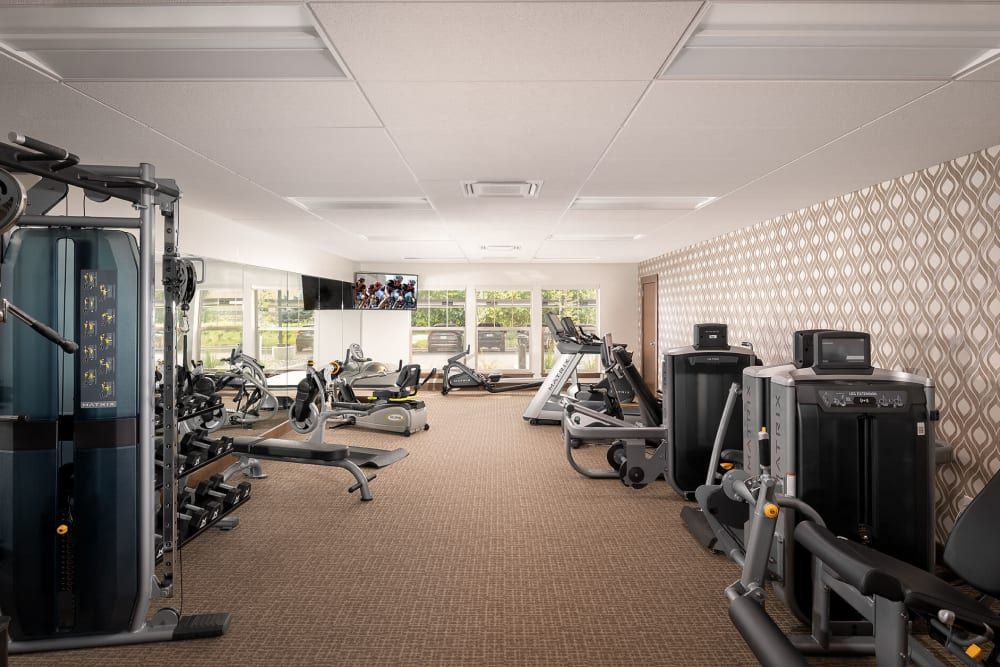
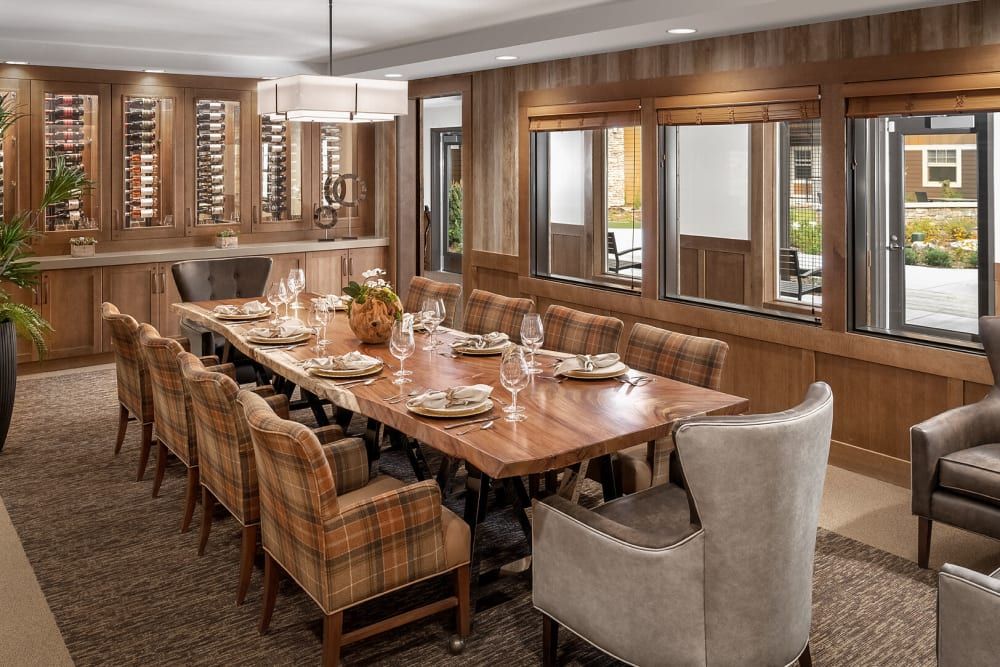
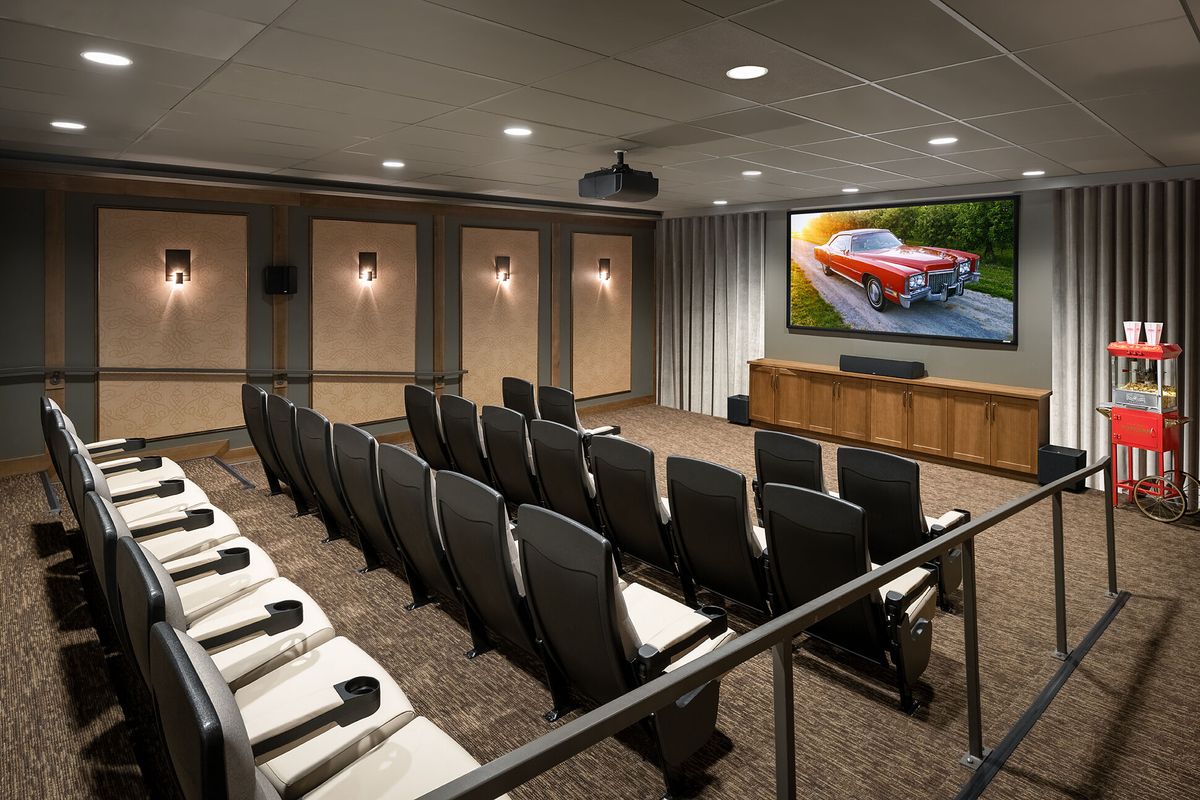
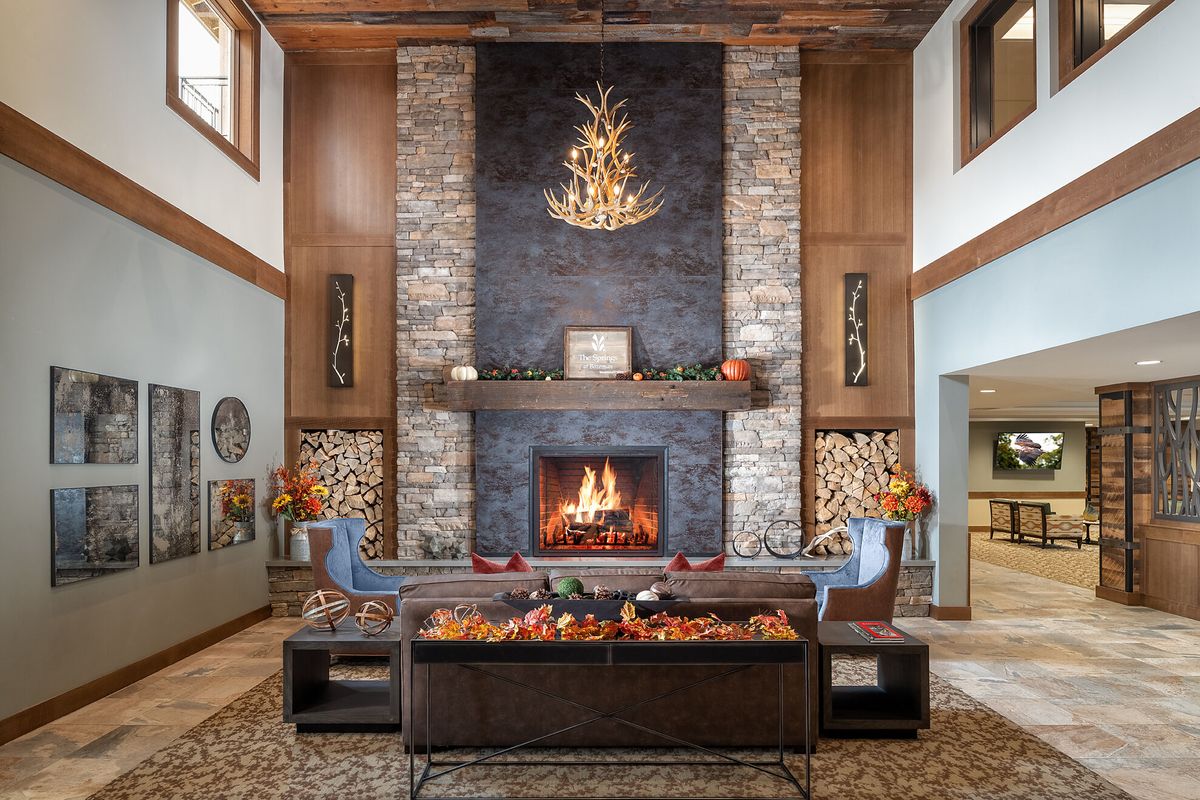
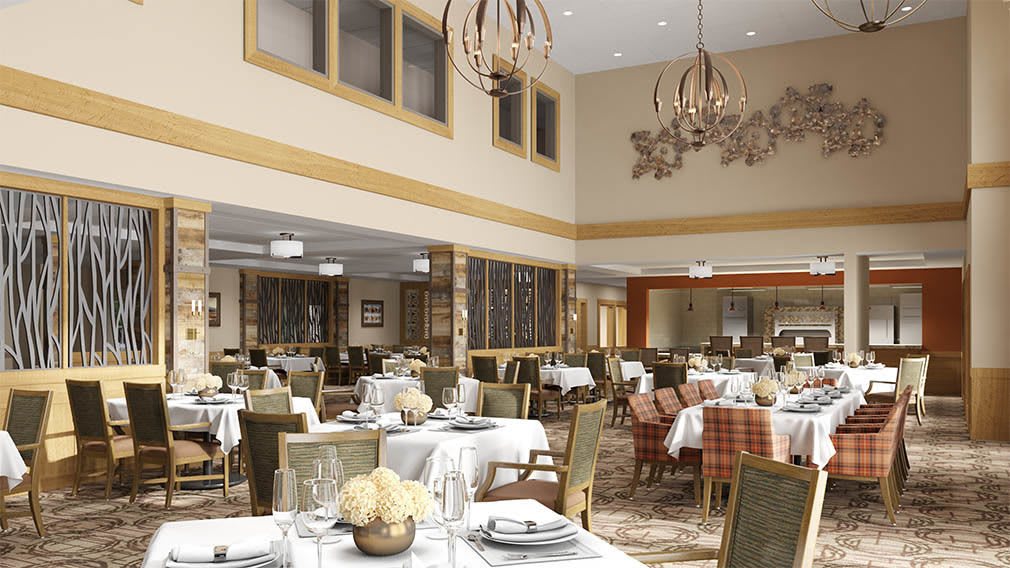
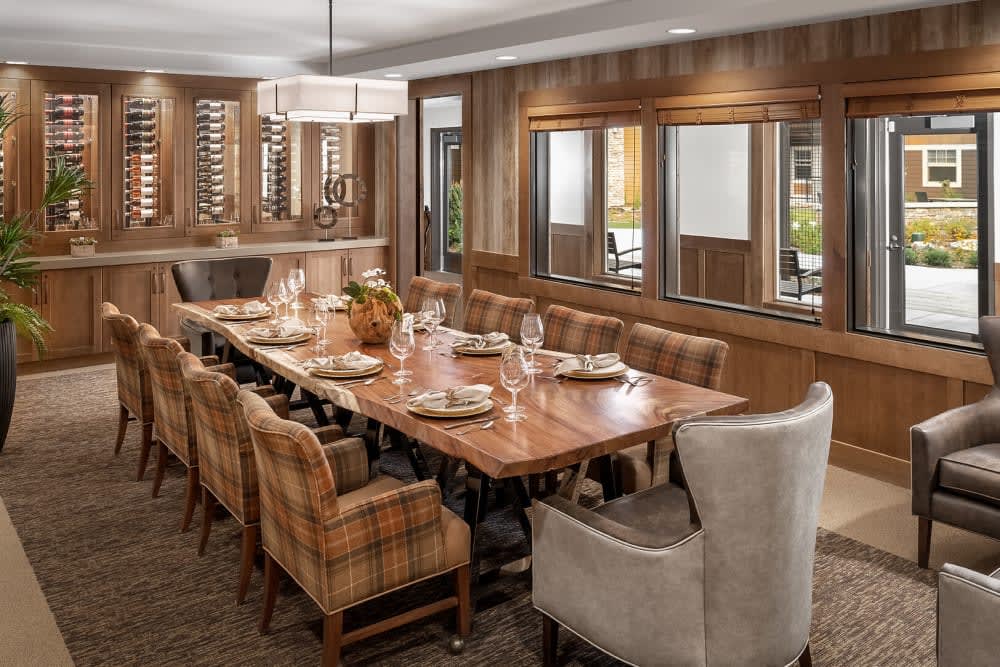
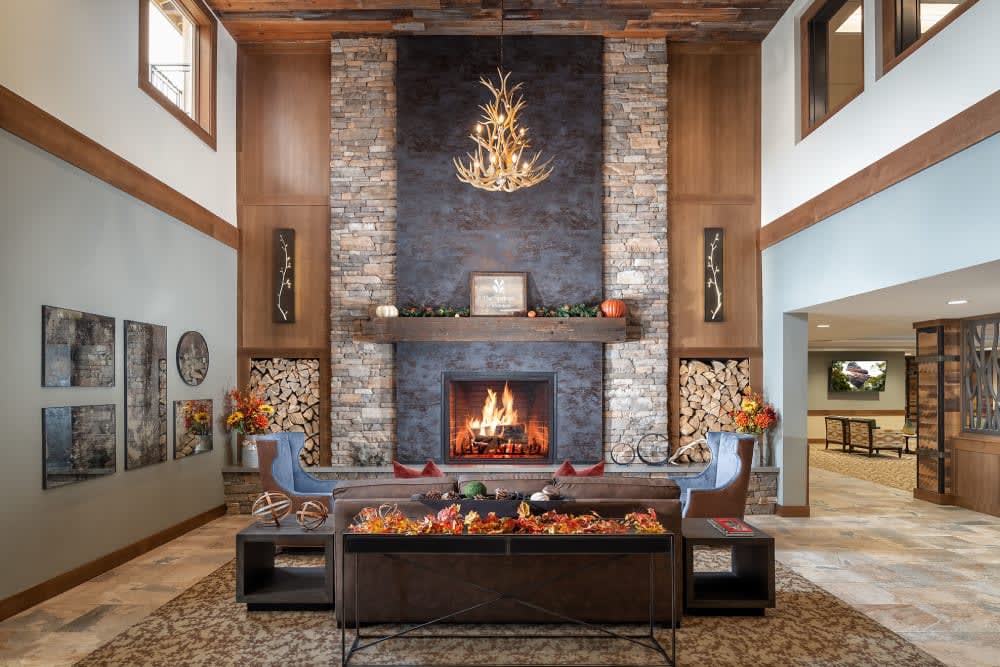
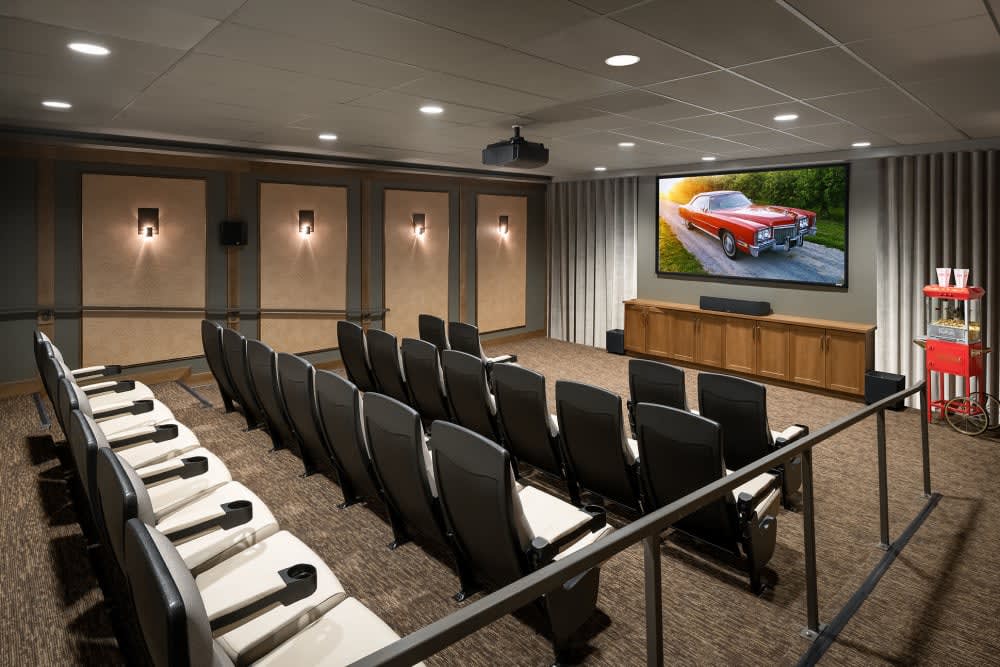
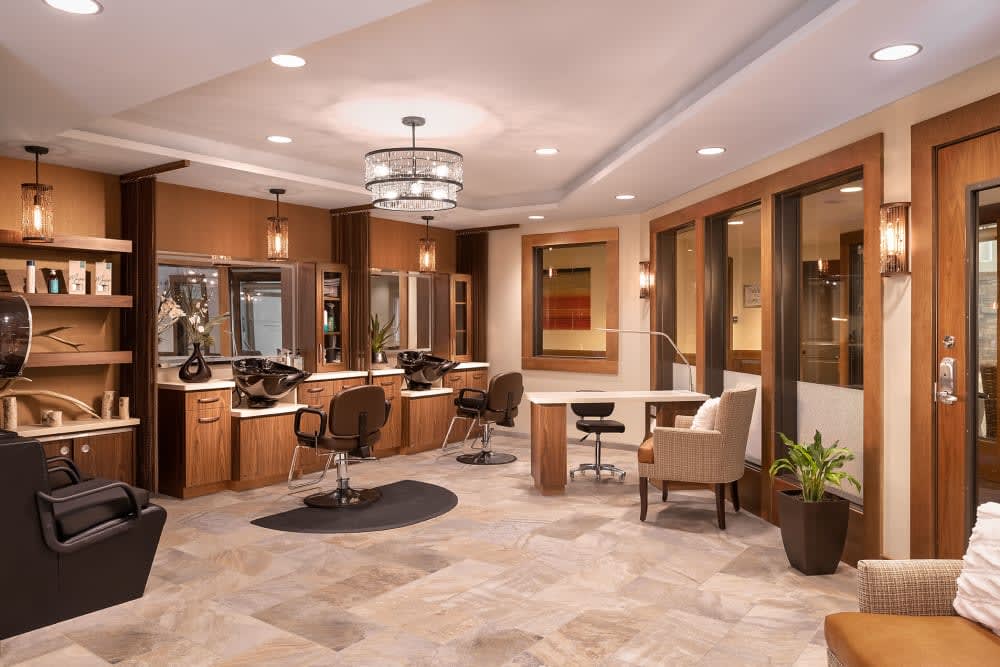
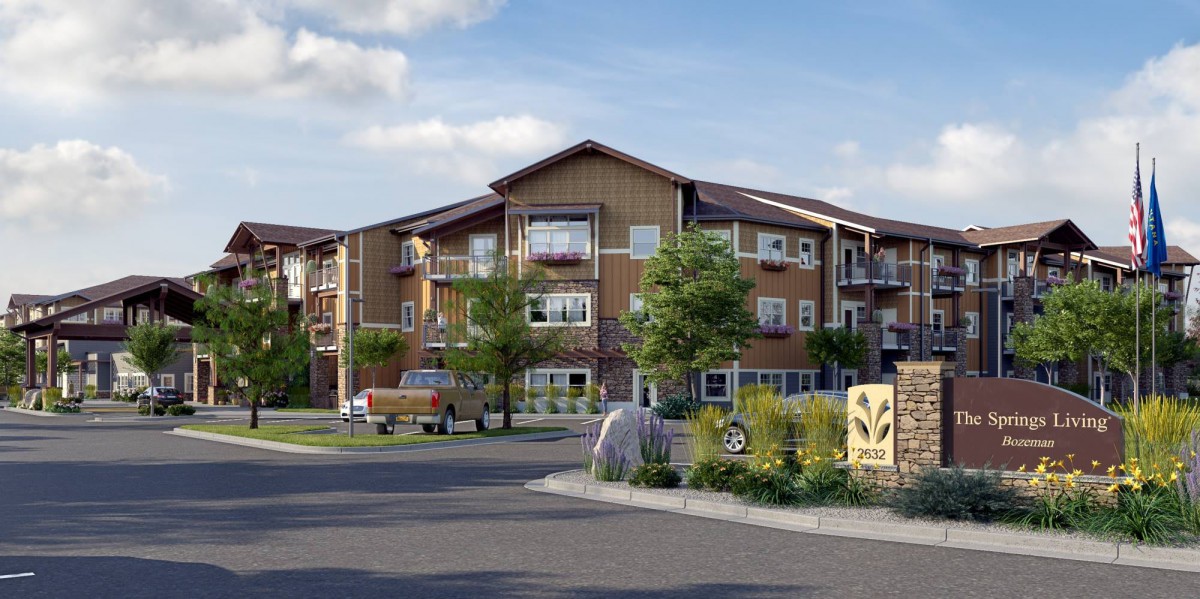
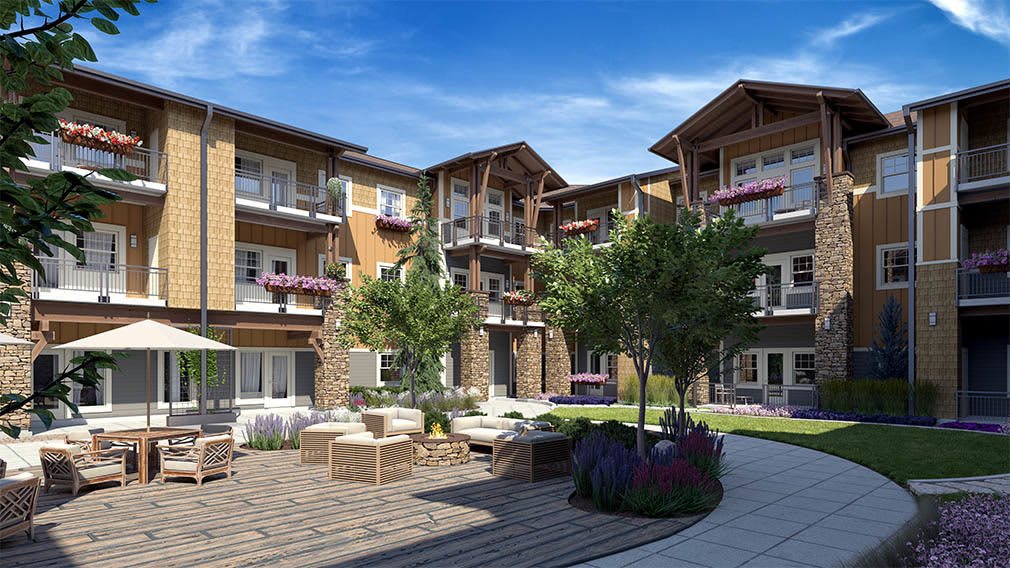
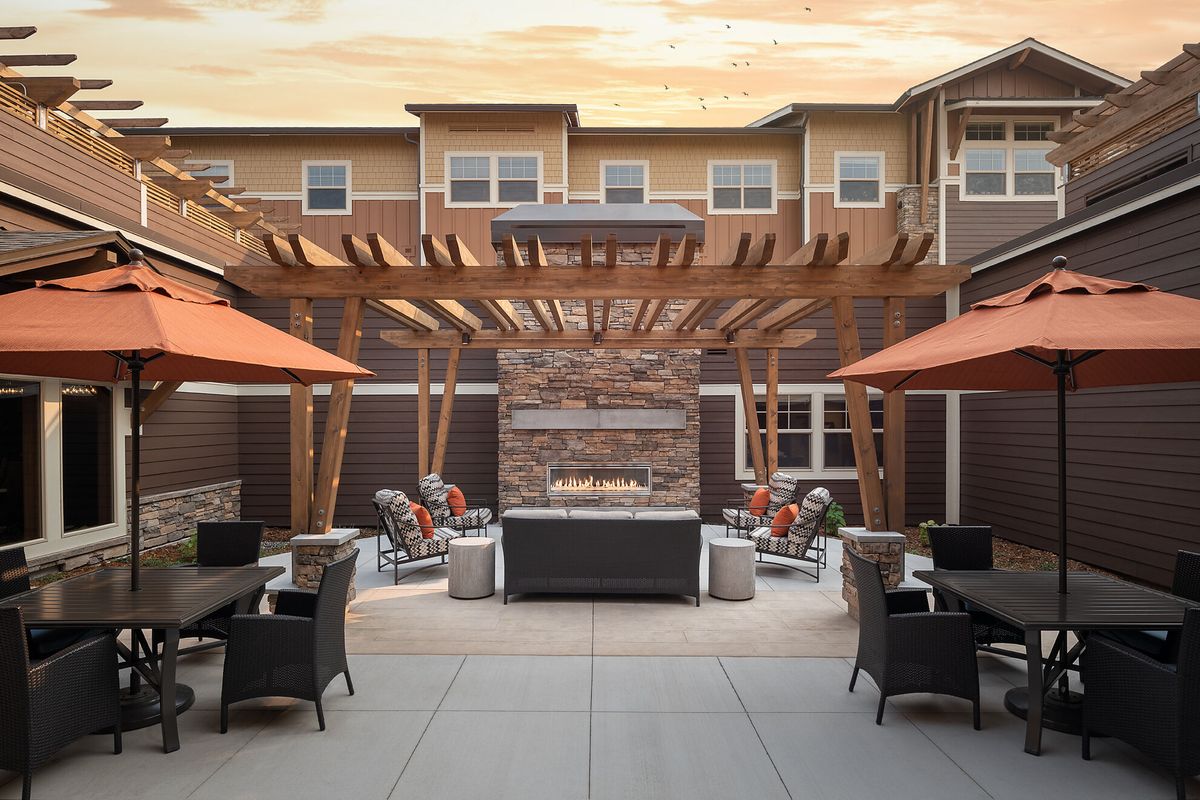
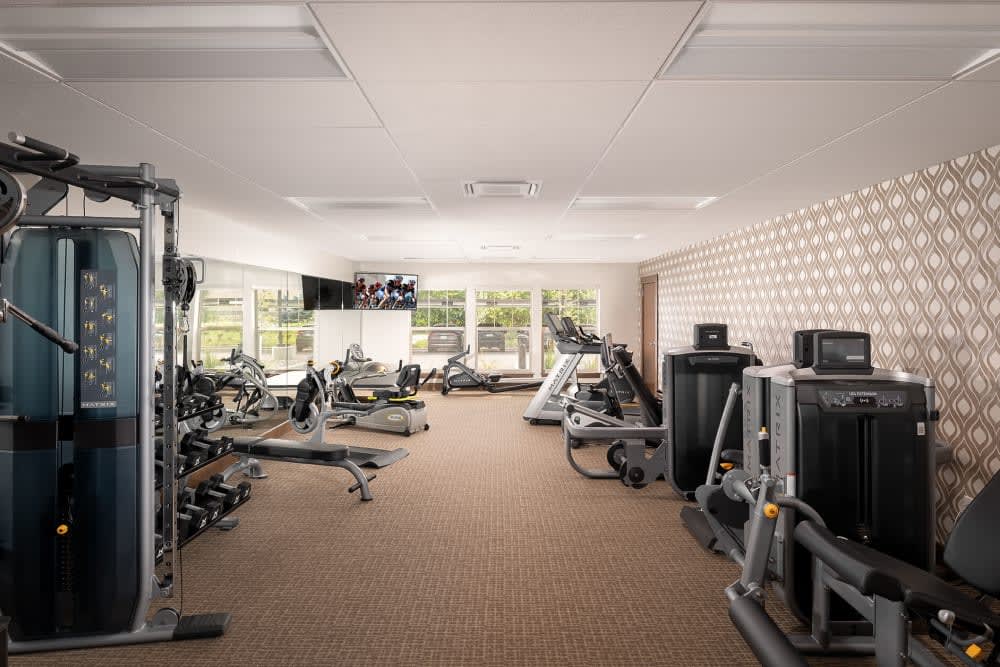
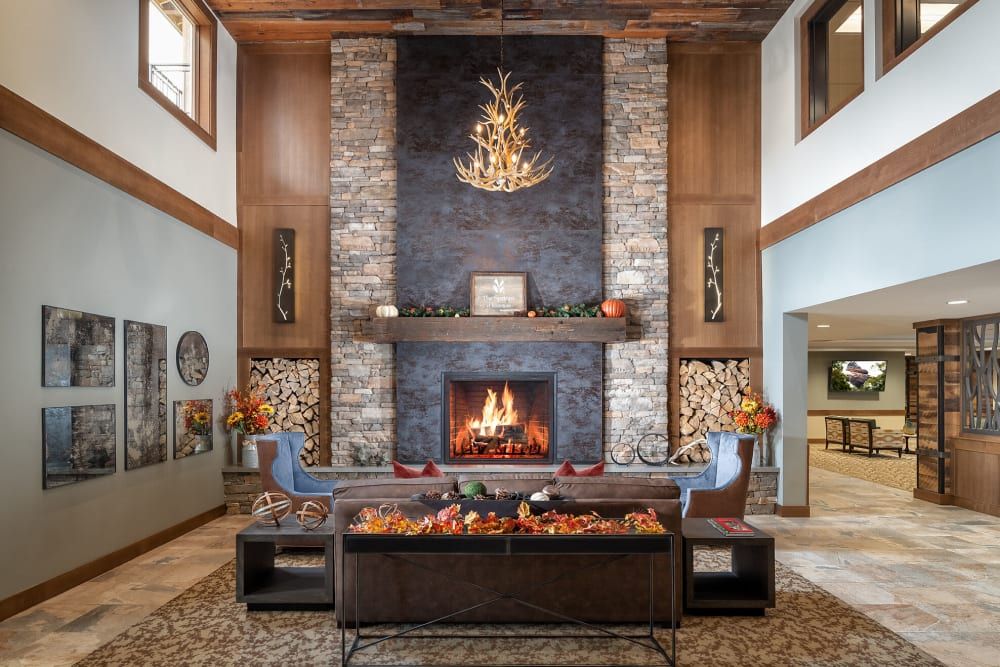
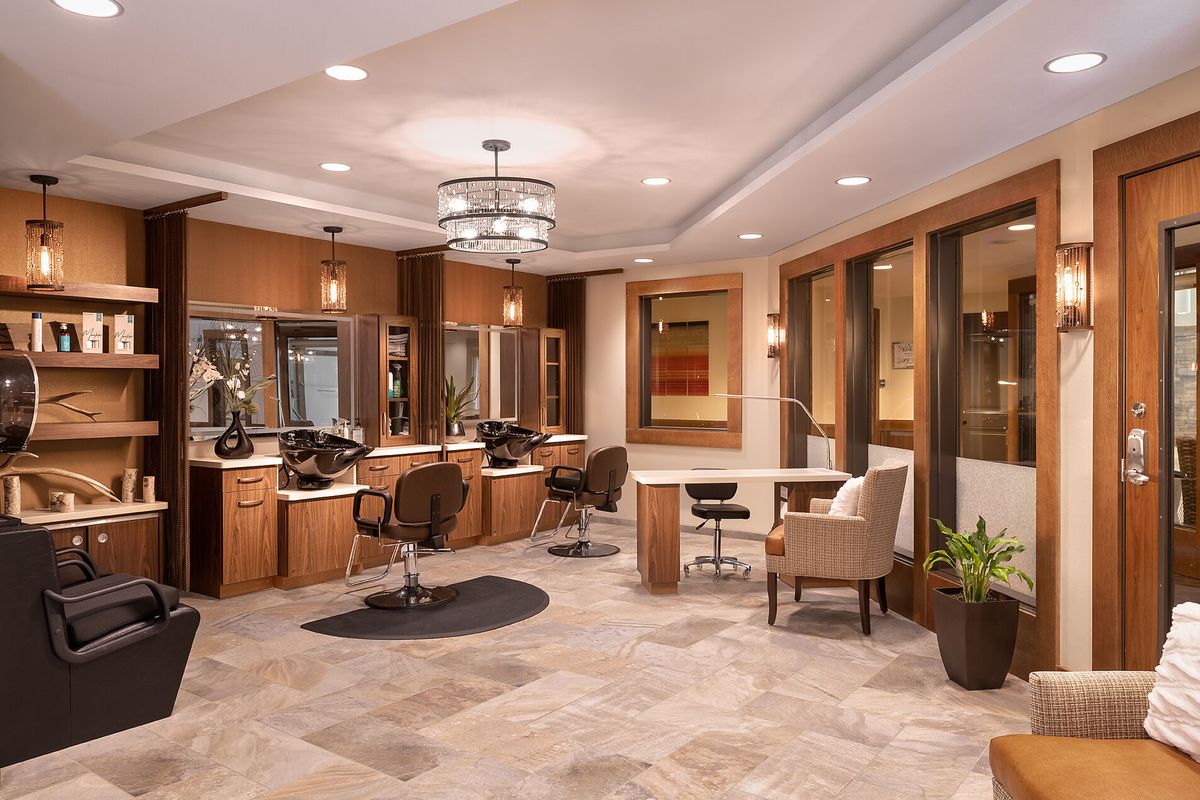
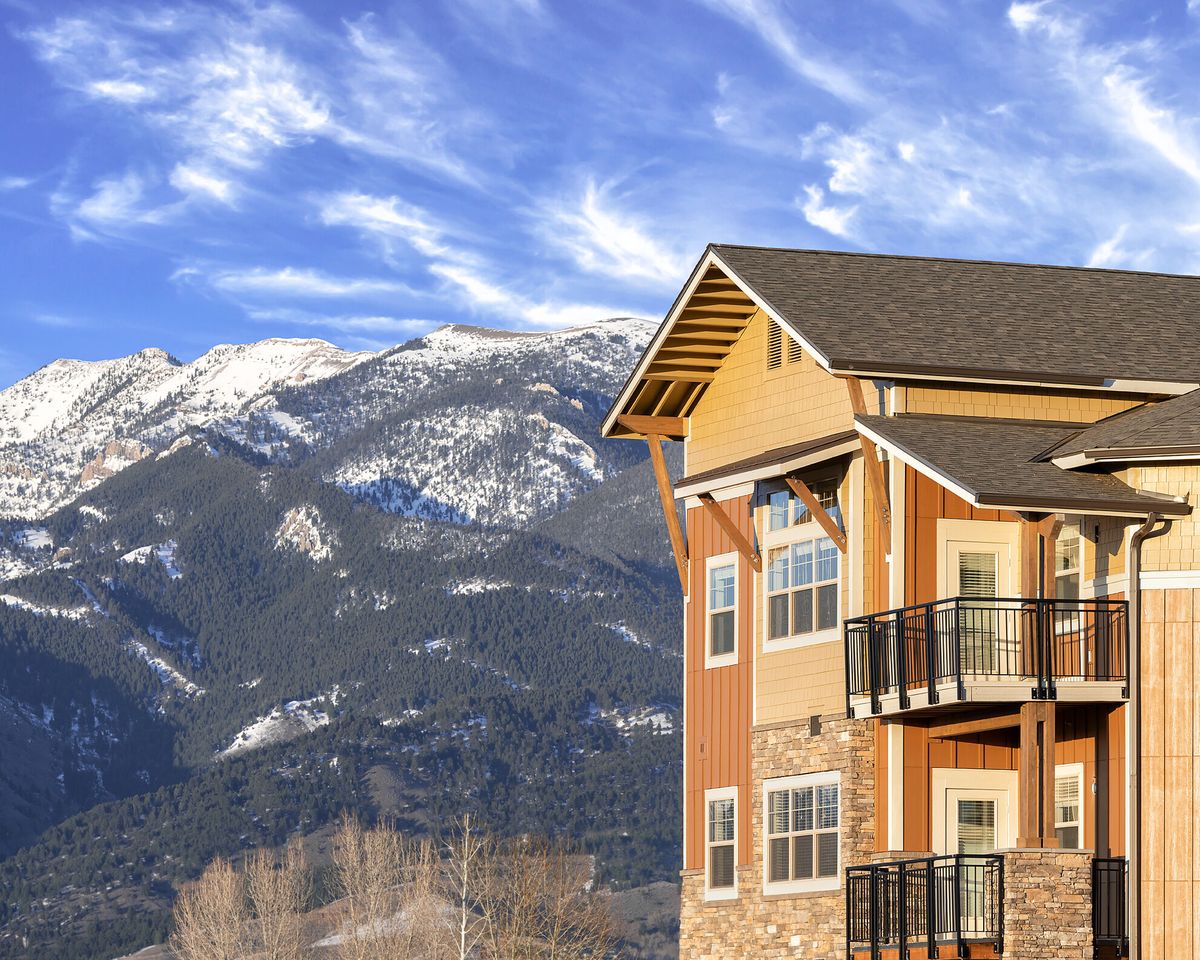
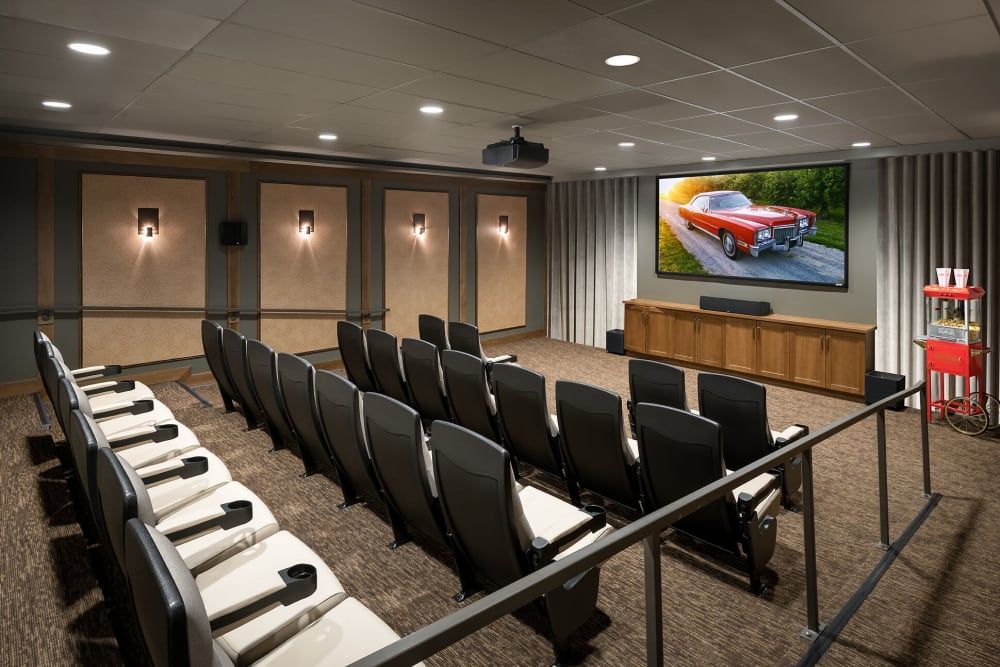
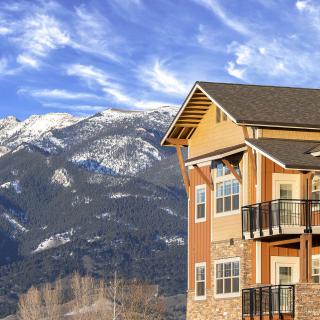
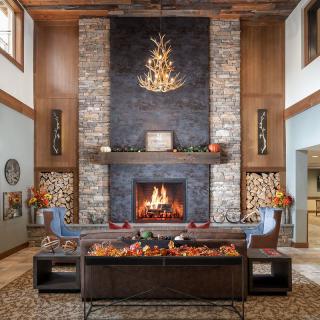
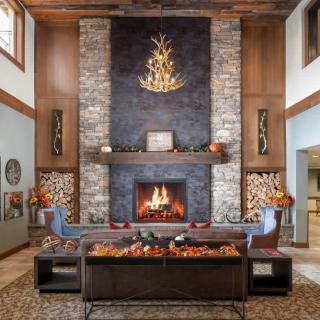
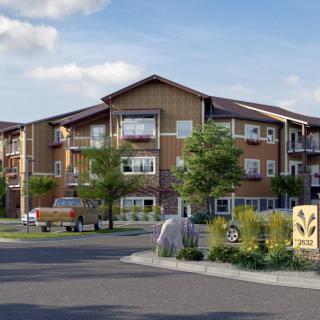
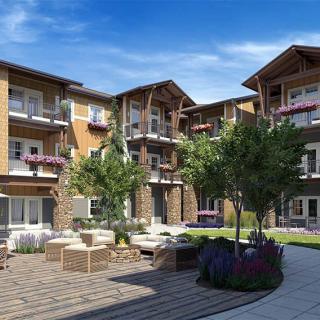
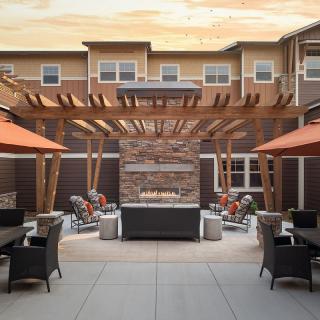
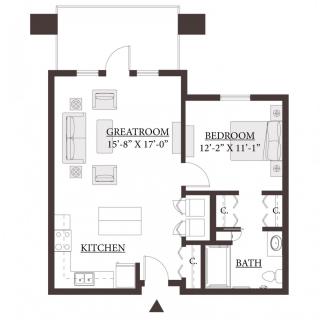
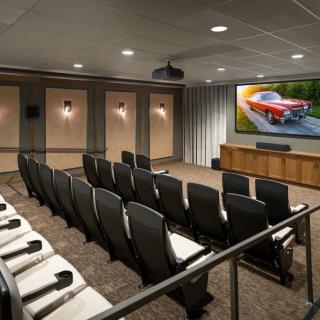
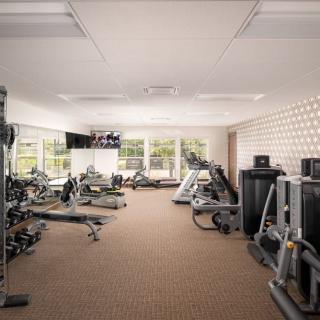
The Springs at Bozeman on seniors.fyi includes 35 photos including images showing floor plan, interior, living room, architecture, theater, dining, bedroom, bathroom, and more.
Nearby Communities
Spring Creek Inn
Bozeman, MT
4.8 from 118 reviews
$7,200 to $8,900 / month
Compassionate staff with 24-hour nursing, plus engaging activities in a clean, welcoming setting.
Bozeman Lodge
Bozeman, MT
4.5 from 116 reviews
$4,225 to $4,755 / month
Friendly, attentive staff in a modern, well-maintained facility with spacious, well-lit apartments and engaging activities.
Highgate at Bozeman
Bozeman, MT
4.7 from 103 reviews
Compassionate staff and a clean, well-maintained facility with engaging activities and a range of amenities.
Qualicare Big Sky
Bozeman, MT
4.9 from 66 reviews
Caring, attentive staff with well-qualified caregivers and affordable quality care.
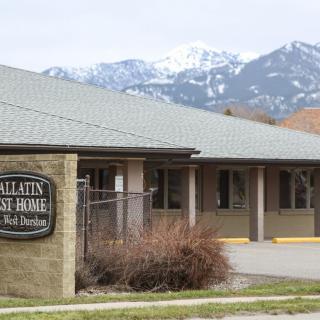
Gallatin Rest Home
Bozeman, MT
4.1 from 52 reviews
Caring, professional staff with strong family communication and clean, welcoming surroundings.
Darlinton Manor
Bozeman, MT
4.1 from 11 reviews
$2,285 to $3,440 / month
Competitive pricing across studio and 1-2 bedroom units, plus diabetes care and on-site activities.
"Memory Care Pathways: A Holistic Guide to Dementia Support" outlines the complexities of dementia and its various types, emphasizing early detection, patient-centered care strategies, caregiver support, and long-term care options while addressing legal and financial considerations to enhance the quality of life for individuals with dementia and their families.
Sundown syndrome, or sundowning, is a phenomenon in dementia patients characterized by increased confusion and agitation during late afternoon and evening, influenced by factors like disrupted circadian rhythms and fatigue. Effective caregiver strategies include establishing routines and managing environmental light while addressing caregiver stress through support services.
Delirium is a rapidly onset, reversible cognitive disturbance often caused by acute medical issues, while dementia is a gradual and irreversible decline due to chronic neurodegenerative diseases. Accurate differentiation between the two is essential for appropriate treatment and management in older adults.
Seating Area, Outdoor, Patio, Pergola, and Umbrellas
Outdoors, Nature, and Mountains
Exercise Equipment, Gym, Fitness, Exercise Room, and Treadmills
Outdoor Seating, Courtyard, Modern Architecture, Apartment Complex, and Residential Building
Salon and Mirrors
Seating and Theater
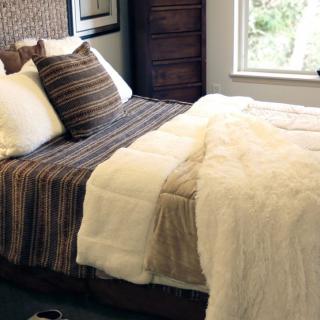
Studio Apartment
Swimming Pool and Hot Tub
Stone Wall
Place Settings and Modern Lighting
Design
Indoor Pool
Open Concept
Room Layout
Projector Screen
Spa
Studio
Projector
Wooden Beams
Get PricingAsk A QuestionSchedule A TourContact Senior Advisor
By clicking submit, you agree to our Partner's Terms of Use. You
also consent to receive calls and texts, which may be autodialed, from our Partner. Your consent is not a condition to
using our Partner's service. Please visit our Partner's Privacy Policy for information about their privacy practices.




 21 resident community capacity
 1-bedroom apartments
 Condos / townhomes
 Detached homes
 Assisted Living
 Independent Living
 Memory Care
 Cats allowed
 Dogs allowed
 Activities off-site
 Beautician on-site
 Cable or satellite TV
 Devotional services off-site
 Dining room
 Financial aid
 Fully furnished
 Garden
 Guest parking
 Hiking trails
 Housekeeping services
 Indoor common areas
 Kitchenette
 Laundry
 Move-in coordination
 Outdoor space
 Respite or short term stays offered
 Spa
Spa Swimming pool
 Telephone
 Wheelchair accessible showers
 Wi-Fi/high-speed internet available
 Gallatin (6 miles away)
 Transportation & parking
 24-hour call system
 Ambulatory care
 Assistance with bathing
 Assistance with dressing
 Assistance with transfers
 Diabetes diet
 Diabetic care
 Hospice care
 Incontinence care
 Meal preparation and service
 Medication management
 Mental wellness program
 Special dietary restrictions
 Transportation arrangement (medical)
 Fitness programs
 English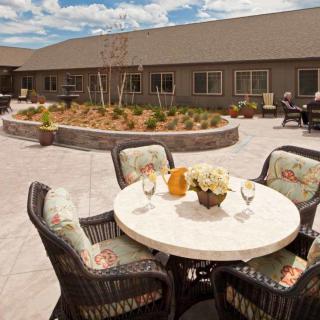
 Compassionate staff with 24-hour nursing, plus engaging activities in a clean, welcoming setting.
 Memory Care Pathways: A Holistic Guide to Dementia Support
 Comprehending Evening Confusion in Dementia: Causes, Manifestations, and Support
 Delirium and Dementia: Unraveling the Key Differences