For more information about senior living options: (866) 208-4318
2.4 from 34 reviews
5 stars
7
4 stars
5
3 stars
2
2 stars
0
1 stars
20
Overall Review of The Estates Of Spanish Lake
caveat9 reviews mention this
Belongings theft is a major complaint
Several residents’ families describe theft or loss of personal items.
A recurring concern in the reviews is missing or taken belongings, including medication and personal property. Multiple reviewers say items were stolen while residents were in the facility, and several mention having to re-request care-related basics like bedding changes. One review also describes clothing getting lost after moving-in and paperwork/labels not preventing mix-ups. A few reviewers use very strong language to argue this problem directly affected their loved one’s wellbeing.
caveat6 reviews mention this
Call lights and staffing feel unreliable
Residents’ families describe slow or missed responses for help.
Several reviewers report that help requests were not answered promptly, including situations where a call light reportedly went unanswered for extended periods. Others describe shifts or units where staff were not readily available when needed, with one reviewer specifically describing a lack of ways to contact anyone. Reviews also mention difficulties reaching nurses or patient advocates, and say urgent needs were not addressed quickly. Even reviewers who acknowledge some caring staff still describe delays and coverage gaps as a recurring problem.
Reviews repeatedly describe the facility as filthy, including accounts of infestations and rooms or common areas that looked poorly maintained. Some reviewers mention soiled bedding and say they had to request or even arrange changes themselves. A separate account describes food quality in harsh terms, while another describes medication and items left around in resident spaces. Together, these comments point to cleanliness and basic care standards being inconsistent in day-to-day life.
caveat5 reviews mention this
Care needs don’t always get met
Some reviewers say care needs were not handled properly.
Beyond staffing and cleanliness, several reviews describe care that they believe fell short of what their loved ones needed. Examples include trouble getting help for medical concerns and therapy-related moments where the reviewer says care did not feel appropriate. Some reviewers also describe medication mistakes or residents being given the wrong medication. Others mention safety outcomes they attribute to gaps in monitoring or follow-through, including falls and the need for urgent evaluation.
common5 reviews mention this
Some families report genuinely caring staff
Some reviewers say staff members truly care about residents.
While the negative experiences are prominent, a number of reviews describe staff who were attentive, kind, and invested in residents’ day-to-day lives. Several families mention positive interactions with employees in memory care, including follow-up after a loved one passed away. A few reviewers also describe the overall environment and management changes in a positive way, saying the owners and staff take time to get to know residents. These comments don’t negate the concerns others raised, but they show that some residents and families had a very different experience with care and communication.
How we summarize
Counts show how many written reviews mention each theme; a review can touch several themes, and only frequently mentioned themes are displayed.
Features
Housing
150 resident community capacity
Types of Care
Skilled Nursing Facility
Amenities
Air-conditioning
Beauty salon
Cable or satellite TV
Computer center
Dining room
Fitness room
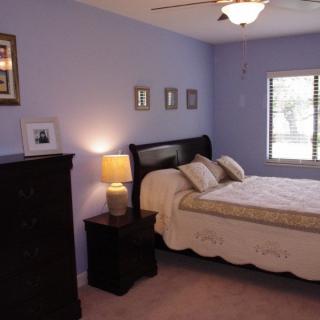
Fully furnished
Gaming room
Garden
Housekeeping services
Kitchenette
Move-in coordination
Outdoor space
Private bathrooms
Restaurant-style dining
Small library
Telephone
Wellness center
Wi-Fi/high-speed internet available
Transportation
Lambert-St Louis International (10 miles away)
Community operated transportation
Transportation arrangement
Care Services
24-hour call system
24-hour supervision
Activities of daily living assistance
Assistance with bathing
Assistance with dressing
Assistance with transfers
Diabetes diet
Meal preparation and service
Medication management
Special dietary restrictions
Dining
Diabetes diet
Special dietary restrictions
Activities
Community-sponsored activities
Concierge services
Fitness programs
Planned day trips
Resident-run activities
Scheduled daily activities
Nearby Places of Interest
Restaurants
White Castle (2.1 miles)
Taco Bell (6.2 miles)
Chili's Grill & Bar (6.4 miles)
McDonald's (6.6 miles)
Chick-Fil-A (6.6 miles)
Uncle Linny's Family Restaurant (6.6 miles)
KFC (7 miles)
Pharmacies
Walgreens (2.8 miles)
CVS Pharmacy (2.9 miles)
Walgreens (4.6 miles)
Walgreens (4.8 miles)
Schnucks (6.5 miles)
Walgreens (6.6 miles)
Walgreens (6.6 miles)
Transportation
U-Haul Moving & Storage (2.8 miles)
U-Haul Moving & Storage (8.1 miles)
Metrolink North Hanley Station (8.3 miles)
Enterprise Rent-A-Car (9.4 miles)
Terminal 2 Parking (9.7 miles)
Southwest Airlines (9.7 miles)
National Car Rental (9.7 miles)
Hospitals
Christian Hospital (3.1 miles)
Gateway Regional Medical Center (5.7 miles)
Alton Memorial Surgery Center (8.5 miles)
Alton Memorial Hospital (8.6 miles)
Saint Anthony's Health Center (9.1 miles)
VA Medical Center Spinal Cord Injury Program (9.7 miles)
Metropolitan St Louis Psychiatric Center (9.9 miles)
Cafes
Starbucks (6.7 miles)
Old Town Donut Shop (7.5 miles)
Made. by Lia (7.8 miles)
Starbucks (8.2 miles)
Maeva's Coffee (8.7 miles)
Physicians
Riverbend Ophthalmology (7.8 miles)
Saint Anthony's Cancer Center of Excellence (7.9 miles)
St Louis Cardiology Consultants (8.6 miles)
Alton Internal Medicine (8.6 miles)
Saint Anthonys Sleep Studies (9.1 miles)
JCH Mecical Group (9.1 miles)
Alton MultiSpecialists (9.3 miles)
Parks
St Ferdinand Park (7.9 miles)
Fairground Park (8 miles)
Garfield Park (8.1 miles)
Horseshoe Lake State Park (8.1 miles)
Piasa Park (8.4 miles)
Wohl Recreation Center / Sherman Park (8.9 miles)
Gordon Moore Park (9.8 miles)
Places of Worship
St Ann Catholic School (8 miles)
Millennium Temple Church of God in Christ (8.7 miles)
Skilled nursing facilities (SNFs) provide high-level medical care and rehabilitation for short-term recovery, typically covered by Medicare after hospitalization, while nursing homes focus on ongoing custodial care for chronic conditions, mainly funded by Medicaid or private payments. The staffing and regulatory structures differ significantly between the two, necessitating clarity for families in choosing appropriate long-term care options.
Nursing home care costs in the U.S. vary significantly based on location, level of care, and amenities, with private room prices ranging from approximately $6,700 to over $30,000 monthly. Families need to explore various payment options and conduct thorough research to manage these expenses effectively.
Nonmedical home care provides assistance with daily activities and companionship for individuals wishing to maintain independence and quality of life at home, without medical intervention. Its growing popularity is driven by an aging population, the need for supportive environments for recovery, and the emotional benefits of caregiver companionship, while costs vary based on service frequency and location.
Get PricingAsk A QuestionSchedule A TourContact Senior Advisor
By clicking submit, you agree to our Partner's Terms of Use. You
also consent to receive calls and texts, which may be autodialed, from our Partner. Your consent is not a condition to
using our Partner's service. Please visit our Partner's Privacy Policy for information about their privacy practices.

 150 resident community capacity
 Skilled Nursing Facility
 Air-conditioning
 Beauty salon
 Cable or satellite TV
 Computer center
 Dining room
 Fitness room
 Fully furnished
 Gaming room
 Garden
 Housekeeping services
 Kitchenette
 Move-in coordination
 Outdoor space
 Private bathrooms
 Restaurant-style dining
 Small library
 Telephone
 Wellness center
 Wi-Fi/high-speed internet available
 Lambert-St Louis International (10 miles away)
 Community operated transportation
 24-hour call system
 Activities of daily living assistance
 Assistance with bathing
 Assistance with dressing
 Assistance with transfers
 Diabetes diet
 Medication management
 Special dietary restrictions
 Concierge services
 Planned day trips
 Low monthly rent for 1- and 2-bedroom units compared to city/state averages.
 Skilled Nursing Facilities vs. Nursing Homes: Making Sense of the Differences
 A Detailed Examination of Nursing Home Costs Across the U.S.
 Exploring Nonmedical Home Care: Understanding Services, Costs, and Financial Approaches