

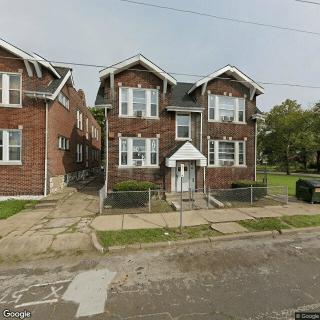
5200 S Broadway, St. Louis, MO 63111
To contact a resident: (314) 352-2400
For more information about senior living options: (866) 208-4318
Overall Review of Good Samaritan Home
Pros
 Good Samaritan met all grandma's needs and provided wonderful care.
- They provided companionship and a listening ear for Grandma.
- Peggy is a caregiver loved by the family through Good Samaritan.
- The hours are flexible and pay is competitive.
- The company has been wonderful for years and continues to be.
- Good Samaritan Senior Care is a great company and highly recommended.
- The caregiving staff is professional in their actions and appearance.
- The experience with the office staff and caregivers has been exceptional.
Cons
 Good Samaritan rarely provides backup caregivers, leaving families in the lurch when a caregiver is unavailable.
- Their communication is lacking at times.
- The failure to arrange a backup left a 93-year-old mother waiting in bed for a caregiver.
- The agency’s higher cost compared to independently hiring a caregiver is viewed negatively.
- The reviewer terms the overall experience totally unacceptable.
Review
Good Samaritan Home is best suited for families who want a warm, home-like alternative to a traditional nursing facility, with ongoing companionship and daily-task support that helps an elderly loved one stay in a familiar space. It works particularly well for seniors who need help with housekeeping, meal cleanup, light chores, and errands, and for those who value personal attention from caregivers who can become part of the household routine. Named caregivers such as Janice, Debbie, and Kelly often make scheduling predictable and approachable, and the setting is described as clean and pet-friendly, with a family-like atmosphere and ongoing staff training. This arrangement serves best when stability through a small, closely connected caregiving team matters more than the breadth of services. It is less compelling for clients who require guaranteed 24/7 backup coverage or more intensive medical supervision.
The strongest positives are concrete and daily: caregivers handle routine tasks, dishes, vacuuming, and general housekeeping, so the home remains tidy and manageable for someone who wants to stay independent. Companionship is a core strength, with staff members who listen, engage, and help stave off isolation, which can be a game changer for mood and overall well-being. The agency’s professionalism, timeliness, integrity, and ongoing training create a reliable culture that families can trust, at least with the caregivers they know well. The ability to arrange errands or transportation, including outings for wheelchair users, expands independence and reduces the burden on family members. A family-like atmosphere, cleanliness, and pet-friendly policies further reinforce a sense of comfort and continuity that is hard to match in more clinical settings. For families prioritizing personal touch and steady daytime support, these advantages carry real weight.
The big caveat is backup coverage. Several families report that when the primary caregiver is ill or unavailable, the agency struggles to supply a substitute, leaving the elder without care for extended periods. Communication gaps compound the problem, with inconsistent or delayed updates about who will arrive and when. One very troubling incident, an elder waiting in bed for a caregiver who never arrived on time, illustrates a failure that can be unacceptable to families relying on reliable staffing. The cost angle also matters: in often requiring backup arrangements, Good Samaritan can be pricier than independently hired caregivers, and the value proposition hinges on the likelihood of seamless substitutions. Taken together, the reliability gap becomes the decisive factor for households needing predictable, around-the-clock support.
Yet, when the positives align with the right client, these strengths substantially offset the drawbacks. A steady cadre of professional caregivers who maintain a respectful, family-like approach yields meaningful daily engagement and reduces the stress on exhausted family members. In-home support for meals, housekeeping, and errands supports ongoing independence and helps prevent avoidable decline, a distinct advantage over more impersonal alternatives. The home-like setting, concerted cleanliness, and pet-friendly policy contribute to a sense of normalcy and comfort that many seniors thrive on. The consistency of office staff and caregivers, where repeat assignments occur and relationships can build, can deliver a dependable feel over time, as long as reliability of coverage remains sufficiently high. For families who value intimate, personalized care and gradual relationship-building with caregivers, the upside is tangible.
For those weighing options, the question becomes who should look elsewhere. Seniors with high mobility needs, significant dementia requiring constant supervision, or families unwilling to tolerate even occasional coverage gaps will want alternatives that guarantee substitutions or provide round-the-clock on-site staffing. A larger, facility-based setting with established nursing or memory care services may offer more predictable coverage and safety nets. Budget considerations also push some families toward other models, such as independent caregiving or agencies with more aggressive backup policies. Finally, if social programming, structured activities, and 24/7 responsiveness are non-negotiable, a different arrangement may better meet expectations than a smaller, home-like operation can sustain.
To decide with confidence, obtain a written backup policy that specifies substitution timelines and how disruptions are managed, and seek the opportunity for a trial period to experience real scheduling dynamics. Ask targeted questions about scheduling routines, the pool of active caregivers, and how shifts are covered during illness or vacations. Review a sample care plan that covers mobility assistance, daily routines, meals, housekeeping, and transportation, and confirm pet policies and any fees for extra errands. Interview multiple caregivers in addition to the office staff to gauge compatibility, reliability, and responsiveness, and check references beyond the immediate family’s impressions. Finally, compare the overall value by weighing tangible daily support and companionship against the risk of backup gaps and cost, then align the choice with the elder’s temperament, medical needs, and the family’s tolerance for risk and disruption. In the right circumstances, Good Samaritan Home delivers warmth, dignity, and practical help that can ease caregiving burdens while preserving independence in a familiar setting.
 Skilled Nursing Facility
 Lambert-St Louis International (9 miles away)





 Caregiver Exhaustion: Recognizing the Signs and Restoring Your Well-Being
 Understanding Hospice Care at Home: Comprehensive Services, Key Benefits, and Eligibility
 Understanding the Full Cost of 24/7 In-Home Care: A Detailed Overview