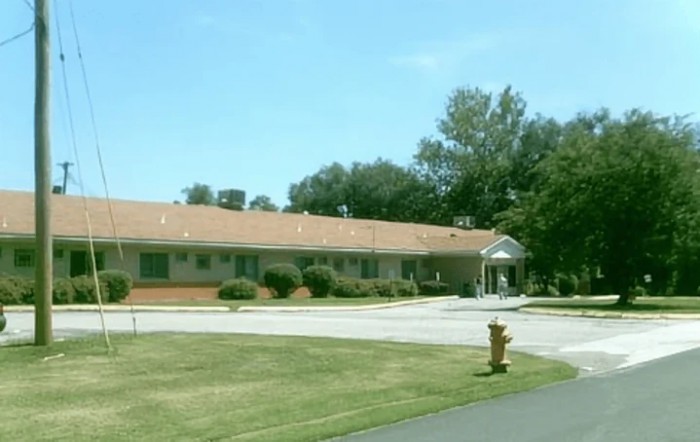
Estates Of St Louis

Save
Estates Of St Louis

Estates Of St Louis

2115 Kappel Drive, Saint Louis, MO 63136

For more information about senior living options: (844) 490-3973

2.4 from 17 reviews
5 stars
6
4 stars
0
3 stars
0
2 stars
0
1 stars
11

Skilled Nursing Facility

What level of care are you interested in?

Assisted Living

Memory Care

Independent Living

Skilled Nursing Facility

Continuing Care Retirement Community (CCRC)CCRC

Other


Request a tour at Estates Of St Louis

    Overall Review of Estates Of St Louis

    Pros

    • pro The staff are friendly and professional during visits.
    • pro The staff are good with their workers.
    • pro The reviewer looks forward to spending more time at the facility.

    Cons

    • pro The facility is dirty and infested with mice and rats, with persistent odors throughout.
    • pro Residents lack basic supplies for hygiene and personal care, and their care is neglected.
    • pro Activities for residents are hardly provided; meaningful engagement is minimal.
    • pro Laundry staff are incompetent and do not know how to perform their jobs properly.
    • pro The food and overall hospitality are described as horrible.
    • pro Residents cannot watch TV in their rooms due to a lack of electrical outlets.
    • pro The lockdown unit is reportedly infested with scabies because staff do not wash hands or use gloves.
    • pro There is no adequate place for visitors to meet with their loved ones.
    • pro The environment is filthy, with dirty toilets, bleach-stained beds, and widespread pests.
    • pro Turnover is very high; new staff arrive constantly and state inspectors are frequently present, indicating unprofessional management.

    Review

    There is a troubling pattern in a number of recent observations about this facility, with multiple visitors and workers painting a consistently grim portrait of how care is administered and managed. The core message across these accounts is one of neglect, disarray, and a breakdown in basic standards that should be in place at a residential care setting. While a few lines offer a contradictory note, the prevailing tone is that the environment is poorly managed and unsafe, and that residents suffer as a result.

    Infection control and sanitation emerge as among the most alarming concerns. Several reviewers describe a lockdown unit where scabies is alleged to be present, attributing this to poor hand hygiene and a lack of gloves between assisting residents. Beyond this, there are repeated complaints about the facility feeling dirty and unhygienic overall: floors and rooms that smell, mice running through the building, and signs of inattention to cleaning duties. One account mentions a pervasive problem with toilets full of feces and beds stained with bleach, suggesting cleaning practices that fall well short of acceptable standards. The combination of pests, odors, and inconsistent cleaning contributes to a sense of ongoing health risk for residents.

    Hygiene and personal care for residents are described as severely under-supplied and poorly managed. Reviewers report that residents do not have enough supplies to maintain personal hygiene, and that the logistics of laundry and clothing are chaotic to the point of causing residents to end up wearing someone else's clothes or none at all. There is a sense that basic routines - getting dressed, cleaning up, and keeping track of clothing - are not reliably supported, which compounds the emotional strain of living in a facility that already feels unsafe.

    Activity and engagement opportunities appear limited as well. Several comments indicate that activities are not meaningfully offered, and residents are left with little stimulation or structured social interaction. A related frustration is that residents cannot even watch television in their rooms because there are not enough outlets or proper accommodations, which compounds feelings of neglect and isolation. The overall impression is that there is not a robust program of activities to keep residents mentally and socially engaged, contributing to dissatisfaction and a sense that life in the facility is stagnant.

    The character and conduct of staff and management are frequently cited as major problems. Some reviewers describe a high turnover rate with new staff and frequent state visits that disrupt daily operations, implying instability rather than consistent, reliable care. There are explicit accusations of unprofessional behavior, drama among staff, and a supervisor described as rude, with several accounts suggesting that supervisors and leadership do not communicate effectively or treat residents and families with respect. The sense of disorganization at the leadership level appears to filter down to day-to-day interactions and the overall atmosphere of the facility.

    Visitors' experiences and the physical environment are also a focal point of criticism. Reviewers note that there is little to no designated space for family visitation, which makes it difficult for relatives to spend meaningful time with loved ones. The building itself is described as dirty, with floors in disarray and an ongoing sense of neglect. Complaints about odor, pests, and a lack of basic maintenance contribute to a broader impression that the facility is not a welcoming or safe place for residents to reside or for families to visit.

    Despite the breadth of negative feedback, there are a few brief mentions that suggest some workers may have been adequate or even good in their interactions, but these notes are overwhelmed by the pervasive concerns. One terse comment simply states "Good with their workers," while others highlight that, overall, the experience is dominated by poor care, unsanitary conditions, and a sense of disrespect toward residents. A few lines also echo a sentiment that management issues are at the root of many of the problems, implying that improvements would require leadership to change direction and adopt more rigorous standards.

    Across these reflections, the recurring themes point to a facility that many perceive as unsafe and poorly managed. Residents are described as neglected in basic care tasks, exposed to unsanitary conditions and pests, and deprived of a consistent, respectful care environment. The combination of insufficient supplies, inadequate hygiene practices, limited activities, and a perceived lack of accountability at the management level creates a overwhelmingly negative impression. For families and prospective visitors, the message is to approach with caution and to seek care options that prioritize cleanliness, consistent staffing, and genuine resident-centered care.

    Features

    Housing

    • 94 resident community capacity 94 resident community capacity

    Types of Care

    • Skilled Nursing Facility Skilled Nursing FacilitySkilled Nursing Facilities are crucial for seniors as they provide round-the-clock medical care, rehabilitation services, and assistance with daily activities. These facilities ensure that seniors receive the specialized care they need to maintain their health and well-being as they age.

    Amenities

    • Air-conditioning Air-conditioningAir conditioning is important for seniors as they are more vulnerable to heat-related illnesses and may have underlying health conditions that make it difficult for them to regulate their body temperature. It helps to keep them comfortable, safe, and healthy in hot weather.
    • Beauty salon Beauty salonBeauty salons are important for seniors because they provide a space for them to feel pampered, socialize, and maintain their personal grooming and hygiene. Regular visits to a beauty salon can help boost seniors' self-esteem and overall well-being.
    • Cable or satellite TV Cable or satellite TVCable or satellite TV is important for seniors because it provides entertainment, news, and companionship, helping to combat loneliness and boredom. It also offers a wide range of programming options tailored to different interests and preferences.
    • Computer center Computer centerA computer center is essential for seniors as it provides access to technology, communication tools, and resources that can enhance their daily lives. It allows them to stay connected with loved ones, engage in online activities, and learn new skills, ultimately promoting socialization and mental stimulation.
    • Dining room Dining roomDining rooms are important for seniors as they provide a space for socialization, connection, and nutritious meals. They offer opportunities for residents to bond over shared meals, foster a sense of community, and promote healthy eating habits. Dining rooms also ensure that seniors have access to well-balanced meals tailored to their dietary needs and preferences.
    • Fitness room Fitness roomHaving a fitness room in a senior living community is essential for seniors to stay active, maintain their physical health, and improve their overall well-being. Regular exercise can help prevent falls, reduce the risk of chronic diseases, and promote mental sharpness. It also provides social opportunities for residents to connect with others and enjoy a sense of community.
    • Fully furnished Fully furnishedFully furnished senior living communities are important for seniors because they provide convenience, comfort, and a hassle-free moving experience. Seniors can easily settle into their new living space without the stress of having to buy and move furniture. This allows them to focus on enjoying their new home and community.
    • Gaming room Gaming roomGaming rooms are important for seniors as they provide a fun and engaging environment for socializing, cognitive stimulation, and physical activity. Games can improve memory, problem-solving skills, and overall mental well-being while fostering friendships and reducing feelings of isolation.
    • Garden GardenGardens are important for seniors as they provide a peaceful and therapeutic environment for relaxation, physical activity, and socialization. Being in nature has been shown to reduce stress, improve mood, and promote overall well-being. Gardens also offer opportunities for seniors to engage in gardening activities, which can improve mobility, flexibility, and cognitive function. Additionally, gardens create a sense of community and connection with others who share a passion for plants and outdoor spaces.
    • Housekeeping services Housekeeping servicesHousekeeping services are important for seniors because they help maintain a clean and safe living environment, promote independence, and reduce the risk of accidents or illnesses. Additionally, having assistance with household chores can alleviate physical strain and allow seniors to focus on other aspects of their well-being.
    • Kitchenette KitchenetteKitchenettes are important for seniors living in senior living communities because they provide the convenience and independence of being able to prepare simple meals and snacks in the comfort of their own living space. This can help promote a sense of autonomy and well-being for seniors, allowing them to maintain some level of control over their dietary choices and daily routines.
    • Move-in coordination Move-in coordinationMove-in coordination is important for seniors because it helps ease the transition into their new living environment. It ensures that all logistics, such as packing, organizing movers, and setting up utilities are taken care of, allowing seniors to focus on settling in and adjusting to their new home. Having a smooth move-in process can alleviate stress and anxiety, making the transition smoother and more enjoyable for seniors.
    • Outdoor space Outdoor spaceOutdoor spaces are important for seniors as they provide opportunities for physical activity, social interaction, exposure to natural light and fresh air, and a sense of connection to nature. Having access to outdoor spaces can improve overall well-being and quality of life for older adults living in senior communities.
    • Private bathrooms Private bathroomsPrivate bathrooms are important for seniors in senior living communities because they provide independence, dignity, and comfort. Having a private bathroom allows seniors to maintain their personal hygiene routines without the need for assistance, promoting a sense of autonomy and privacy. Additionally, private bathrooms help prevent the spread of infections and provide a safe and clean environment for seniors to navigate safely.
    • Restaurant-style dining Restaurant-style diningRestaurant-style dining is important for seniors because it allows them to enjoy delicious, nutritious meals in a social and upscale setting. This enhances their dining experience, promotes healthy eating habits, and fosters socialization with fellow residents, ultimately contributing to their overall well-being and quality of life.
    • Small library Small librarySmall libraries are important for seniors as they provide access to a variety of reading materials, including books, newspapers, and magazines. This can help stimulate their minds, keep them engaged, and provide a sense of community through book clubs and other social activities. Additionally, reading has been shown to improve cognitive function and overall mental well-being in older adults.
    • Telephone TelephoneTelephones are important for seniors as they provide a lifeline for communication with loved ones, emergency services, and healthcare providers. They offer a sense of security and independence, enabling seniors to stay connected and access assistance when needed.
    • Wellness center Wellness centerWellness centers are important for seniors because they offer a variety of programs and services that promote physical, mental, and emotional well-being. These centers provide opportunities for exercise, socialization, education, and relaxation, helping seniors maintain their overall health and quality of life.
    • Wi-Fi/high-speed internet available Wi-Fi/high-speed internet availableWi-Fi/high-speed internet is important for seniors to stay connected with loved ones, access online resources, and participate in virtual activities to combat feelings of loneliness and isolation. It also allows them to easily manage healthcare needs, access entertainment, and engage in lifelong learning opportunities.

    Transportation

    • Lambert-St Louis International (6 miles away) Lambert-St Louis International (6 miles away)
    • Community operated transportation Community operated transportationCommunity operated transportation is crucial for seniors as it provides them with the means to access essential services, social activities, and medical appointments. It allows seniors to maintain their independence and quality of life by ensuring they can participate in activities outside of their homes. Additionally, community-operated transportation services offer a safe and reliable way for seniors to travel without having to rely on family or friends for assistance.
    • Transportation arrangement Transportation arrangementTransportation arrangements are crucial for seniors as they may face challenges with driving, mobility, or access to public transportation. Having reliable transportation services ensures that seniors can easily attend appointments, social activities, and maintain their independence and quality of life.

    Care Services

    • 24-hour call system 24-hour call system24-hour call systems are important for seniors because they provide peace of mind and immediate assistance in case of emergencies. This technology ensures that help is always available, promoting safety and security for elderly individuals living alone or in assisted living facilities.
    • 24-hour supervision 24-hour supervision24-hour supervision is important for seniors to ensure their safety, well-being, and access to immediate assistance in case of emergencies or health issues. This constant support provides peace of mind for both seniors and their loved ones, allowing them to age in place with dignity and security.
    • Activities of daily living assistance Activities of daily living assistanceActivities of daily living assistance are important for seniors because they provide essential support with tasks such as eating, bathing, dressing, and mobility. This assistance helps seniors maintain their independence, dignity, and overall quality of life as they age.
    • Assistance with bathing Assistance with bathingAssistance with bathing is crucial for seniors as it helps maintain personal hygiene, prevents infections, and ensures their overall well-being and comfort. It also provides a sense of dignity and independence for seniors who may struggle with this task on their own.
    • Assistance with dressing Assistance with dressingAssistance with dressing is important for seniors because it helps maintain their independence, promotes personal hygiene, prevents accidents and injuries, and improves overall quality of life. This service ensures that seniors can continue to dress comfortably and confidently, despite any physical limitations they may have.
    • Assistance with transfers Assistance with transfersAssistance with transfers is crucial for seniors as it helps prevent falls and injuries, maintains their independence, and ensures they can safely navigate their living environment. It also provides peace of mind for both seniors and their loved ones.
    • Diabetes diet Diabetes dietA diabetes diet is crucial for seniors as it helps manage blood sugar levels, reduce risks of complications, and improve overall health and well-being. By following a balanced and nutritious diet tailored to their specific needs, seniors can better control their diabetes and enhance their quality of life.
    • Meal preparation and service Meal preparation and serviceMeal preparation and service are crucial for seniors as they may have limited mobility or energy to cook nutritious meals. Having access to healthy and convenient food options can ensure they are getting the proper nutrition needed to maintain their overall health and well-being.
    • Medication management Medication managementMedication management is crucial for seniors to ensure they are taking the right medications at the correct dosages and times. This helps prevent adverse drug interactions, reduces the risk of medication errors, and promotes overall health and well-being. Proactive management also allows for adjustments as needed based on changing health conditions or new prescriptions.
    • Special dietary restrictions Special dietary restrictionsSpecial dietary restrictions are important for seniors because age-related changes in metabolism and health conditions can make it difficult for their bodies to process certain foods. By following a diet tailored to their specific needs, seniors can maintain their overall health and well-being, manage chronic conditions, and reduce the risk of complications such as malnutrition or food interactions with medications.

    Dining

    • Diabetes diet Diabetes dietA diabetes diet is crucial for seniors as it helps manage blood sugar levels, reduce risks of complications, and improve overall health and well-being. By following a balanced and nutritious diet tailored to their specific needs, seniors can better control their diabetes and enhance their quality of life.
    • Special dietary restrictions Special dietary restrictionsSpecial dietary restrictions are important for seniors because age-related changes in metabolism and health conditions can make it difficult for their bodies to process certain foods. By following a diet tailored to their specific needs, seniors can maintain their overall health and well-being, manage chronic conditions, and reduce the risk of complications such as malnutrition or food interactions with medications.

    Activities

    • Community-sponsored activities Community-sponsored activitiesCommunity-sponsored activities are important for seniors as they provide opportunities for social interaction, mental stimulation, and physical activity. These activities can help improve overall well-being, combat loneliness and isolation, and promote a sense of belonging and purpose among older adults.
    • Concierge services Concierge servicesConcierge services are essential for seniors as they provide assistance with daily tasks and errands, enhance their quality of life by offering convenience and personalized care, and promote a sense of safety and security.
    • Fitness programs Fitness programsFitness programs are crucial for seniors as they help improve strength, flexibility, balance, and overall well-being. Staying active can reduce the risk of chronic diseases, improve mental health, and enhance quality of life in older adults.
    • Planned day trips Planned day tripsPlanned day trips are important for seniors because they offer opportunities for socialization, mental stimulation, and physical activity. They provide a change of scenery and help seniors stay engaged and connected to their community, promoting overall well-being and quality of life.
    • Resident-run activities Resident-run activitiesResident-run activities are important for seniors as they encourage social interaction, creativity, and a sense of autonomy. These activities empower seniors to stay engaged and active in their community while fostering meaningful connections with their peers.
    • Scheduled daily activities Scheduled daily activitiesScheduled daily activities are important for seniors because they provide structure, socialization, mental stimulation, and physical activity. Engaging in regular activities can improve overall well-being and quality of life for seniors living in a community setting.

    Description

    The Estates Of St Louis in Saint Louis, MO is an assisted living community that offers a wide range of amenities and care services to meet the needs of its residents. The community features a beauty salon, cable or satellite TV, community operated transportation, a computer center, a dining room, a fitness room, and fully furnished apartments. Residents can also enjoy the gaming room, garden, housekeeping services, kitchenette, move-in coordination services, outdoor space, private bathrooms, restaurant-style dining, small library, telephone access, wellness center, and Wi-Fi/high-speed internet.

    In terms of care services provided, the Estates Of St Louis offers 24-hour supervision to ensure the safety and well-being of all residents. Assistance is provided with activities of daily living such as bathing and dressing. Transfers are also assisted to help residents move around comfortably. The community offers diabetes diet plans for those who require it and meal preparation and service for all residents. Medication management is available to ensure that medications are taken correctly. Special dietary restrictions are accommodated as needed. Transportation arrangements are made for residents who need assistance getting around.

    For dining options in the area surrounding the community, there are three cafes nearby as well as thirteen restaurants nearby offering plenty of choices for residents to explore. There are also ten pharmacies located close by for any medication needs. In terms of religious needs and healthcare services in the area, there is one places of worship nearby and one hospital nearby for convenience.

    In addition to these amenities and care services offered by the Estates Of St Louis in Saint Louis, MO., there are also various activities available for residents to enjoy such as concierge services, fitness programs to keep active and healthy planned day trips to explore what the local area has to offer. Resident-run activities provide social opportunities within the community while scheduled daily activities provide structure and variety.

    Overall, the Estates Of St Louis provides a comfortable and supportive environment for seniors seeking assisted living care. Residents can enjoy a wide range of amenities, personalized care services, and engaging activities to enhance their quality of life in a convenient location surrounded by cafes, pharmacies, restaurants, places of worship, and healthcare facilities.

    Nearby Places of Interest

    Pharmacies

    • Walgreens (1.5 miles)
    • Walgreens (2.7 miles)
    • Schnucks (3.2 miles)
    • Walgreens (3.3 miles)
    • Express Scripts (3.6 miles)
    • Walgreens (3.6 miles)
    • CVS Pharmacy (3.7 miles)

    Hospitals

    • Christian Hospital (2.2 miles)
    • Metropolitan St Louis Psychiatric Center (6.5 miles)
    • Gateway Regional Medical Center (6.7 miles)
    • VA Medical Center Spinal Cord Injury Program (7.3 miles)
    • St Louis Children's Hospital (7.5 miles)
    • The Rehabilitation Institute of St Louis (7.6 miles)
    • SSM Cardinal Glennon Children's Medical Center (8.7 miles)

    Restaurants

    • White Castle (2.4 miles)
    • Chili's Grill & Bar (4.6 miles)
    • McDonald's (4.7 miles)
    • Florissant City Diner (4.7 miles)
    • KFC (4.9 miles)
    • Firehouse Subs (4.9 miles)
    • Chipotle Mexican Grill (4.9 miles)

    Transportation

    • U-Haul Moving & Storage (3.5 miles)
    • Metrolink North Hanley Station (3.8 miles)
    • Enterprise Rent-A-Car (5 miles)
    • Terminal 2 Parking (5.4 miles)
    • Southwest Airlines (5.4 miles)
    • National Car Rental (5.4 miles)
    • Hertz Rent A Car (5.6 miles)

    Places of Worship

    • St Ann Catholic School (3.7 miles)

    Cafes

    • Old Town Donut Shop (4.7 miles)
    • Starbucks (4.8 miles)
    • Starbucks (4.9 miles)
    • Made. by Lia (5 miles)
    • Blueprint Coff (6.7 miles)
    • Starbucks (6.8 miles)
    • Starbucks (8.3 miles)

    Parks

    • St Ferdinand Park (5.5 miles)
    • Wohl Recreation Center / Sherman Park (5.7 miles)
    • Fairground Park (5.9 miles)
    • Shaw Park (8.3 miles)
    • Bar K (8.7 miles)

    Physicians

    • Barnes-Jewish Hospital (7.7 miles)
    • BJC Behavioral Health Service - Dinu Petru Gangure MD (8.6 miles)

    Theaters

    • AMC Esquire 7 (8.4 miles)

    Frequently Asked Questions

    Where is Estates Of St Louis?

    Nearby Communities

    Related Resources

    • what to say to someone who is grievingCompassionate Conversations: How to Comfort Someone Who Is Grieving

      The article highlights the importance of empathy and open communication when comforting someone who is grieving, noting that grief is unique to each individual and emphasizing the need for sincere expressions of condolence, active listening, and ongoing support. It also addresses cultural differences in mourning practices and encourages tailored approaches to provide effective comfort.

    • home care aideHome Health Care Aides: Understanding Their Role and Supporting Your Family

      Home health care aides provide vital medical and non-medical support to individuals at home, assisting with daily living activities and promoting emotional well-being, while the demand for these services increases due to an aging population. Families benefit from in-home care's flexibility and cost-effectiveness but face challenges like scheduling consistency and caregiver turnover.

    • uti in elderlyUrinary Tract Infections in Older Adults: Comprehensive Insights on Symptoms, Treatment, and Prevention

      Older adults with urinary tract infections (UTIs) often present atypical symptoms, complicating diagnosis due to factors like incomplete bladder emptying and chronic health conditions that increase their susceptibility. Effective management involves prompt treatment with antibiotics, hydration, and preventive strategies while minimizing antibiotic resistance and focusing on holistic care approaches.


    Get Pricing Ask A Question Schedule A Tour Contact Senior Advisor