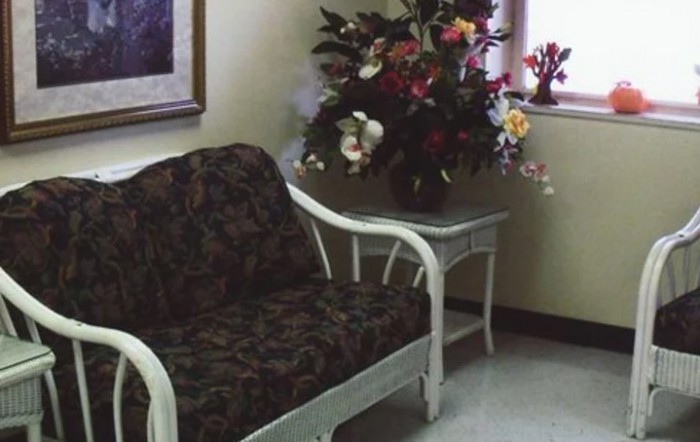
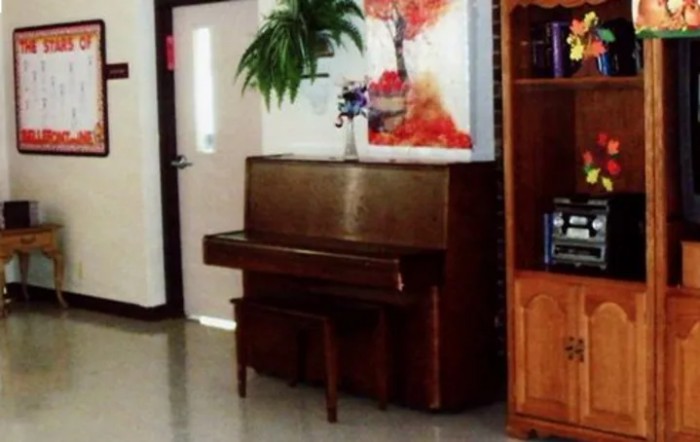
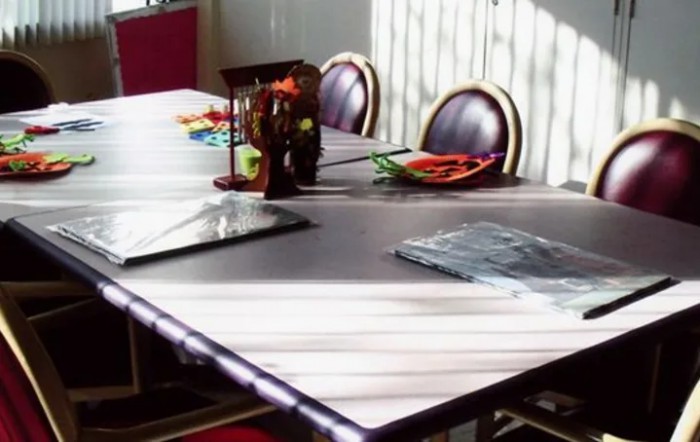
9500 Bellefontaine Road, Saint Louis, MO 63137
For more information about senior living options: (866) 208-4318
Overall Review of Bellefontaine Gardens Nursing & Rehab
Cons
 The nurses and staff were scary and unprofessional.
- They were rough with him, causing scratches and bruising.
- It’s sad that a place designed to care for people could be so careless, rude, unqualified, negligent and inefficient.
- They had to move him from the facility.
- The rating discrepancy suggests that some reviews may come from family members of the staff.
Review
Bellefontaine Gardens Nursing & Rehab in Saint Louis is best-suited for families that want a warmly staffed environment where care can be solid when the team is fully engaged, and where vigilant, hands-on oversight from loved ones can help sustain consistency. It works for residents who do not require constant, high-intensity oversight but do need reliable daily assistance, predictable routines, and a degree of personal interaction with caregivers. For families willing to visit regularly, ask pointed questions, and monitor care plans closely, this community can deliver meaningful daily support and a comfortable atmosphere that feels like a second home.
What stands out in favorable light is the pattern of positive caregiver engagement observed in several reviews. When the staff are functioning at their best, the atmosphere can feel welcoming, with caregivers who are responsive to routine needs and who create a sense of security for residents. That warmth matters, especially for residents who thrive on familiar faces and steady, predictable caregiving. The facility is capable of delivering competent nursing and rehab services, and for families who place a premium on approachable staff and a home-like setting, Bellefontaine Gardens can be an effective, practical choice.
Still, the most salient caution comes from a stark contrast: a review describing severe lapses in professionalism and care. The account portrays nurses and staff as scary and unprofessional, with direct allegations of rough handling, injuries, and neglect. The author reports restricted feeding practices and a disengaged or negligent approach, prompting an urgent move of the resident. This single, forceful indictment undermines confidence in the facility’s consistency and raises legitimate safety concerns. When such incidents surface, they cannot be dismissed as outliers; they illuminate a risk pattern that families must weigh heavily alongside any positive impressions.
Those pros and cons do not cancel each other out neatly. The presence of genuinely caring staff on some shifts demonstrates that reliable, compassionate care is possible at Bellefontaine Gardens. However, the potential for harm or neglect on other days or in other configurations is a nontrivial factor. The mixed quality signals a facility where care quality is variable, good at times, troubling at others. For families, this translates into a need for heightened diligence: insist on direct conversations with the administrator, request current staffing rosters and shift patterns, and seek access to incident and response records. Without that ongoing transparency, the positives become fragile and the risks compound quickly.
For families evaluating options, a practical path is essential. Before deciding, book a thorough in-person assessment: observe the dining and activity environment, speak to multiple caregivers and supervisors, and ask to review recent state inspections and any corrective action plans. Probe staffing levels by day and time, inquire about turnover, and request a detailed explanation of any past safety concerns and how they were resolved. Consider requesting a short trial period to gauge the consistency of care, and set clear expectations around supervision, safety, and resident dignity. If the answers feel uncertain or the staff interview raises more red flags than reassurance, alternatives should be pursued proactively.
The candid takeaway is straightforward. Bellefontaine Gardens can be a viable choice for families willing to invest in proactive oversight and to accept a spectrum of care quality based on staffing and daily leadership. For those whose tolerance for risk around patient safety is low, or who require consistently high-touch, impeccably professional care, it is prudent to look at facilities with stronger safety records, steadier staffing, and more transparent accountability. The decision should rest on a clear-eyed assessment of whether the community’s demonstrated strengths align with the resident’s needs and the family’s capacity to supervise care over time. In the end, a well-matched choice will combine a humane, approachable environment with unwavering reliability in daily care and safety.
 96 resident community capacity
 Skilled Nursing Facility
 Air-conditioning
 Beauty salon
 Cable or satellite TV
 Computer center
 Dining room
 Fitness room
 Fully furnished
 Gaming room
 Garden
 Housekeeping services
 Kitchenette
 Move-in coordination
 Outdoor space
 Private bathrooms
 Restaurant-style dining
 Small library
 Telephone
 Wellness center
 Wi-Fi/high-speed internet available
 Lambert-St Louis International (7 miles away)
 Community operated transportation
 24-hour call system
 Activities of daily living assistance
 Assistance with bathing
 Assistance with dressing
 Assistance with transfers
 Diabetes diet
 Medication management
 Special dietary restrictions
 Concierge services
 Planned day trips
 Convenient access to nearby pharmacies, dining options, transportation, and hospitals.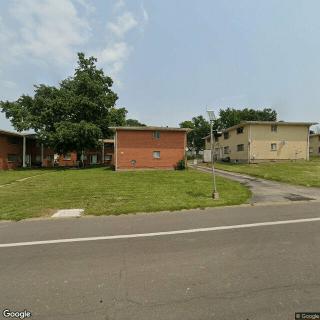
 A Closer Look at Private Pay Home Care
 Comprehensive Approaches for Arthritis: A Detailed Guide to Symptoms, Causes, and Care
 Comprehensive Insights and Practical Strategies to Help Older Adults Avoid Falls