

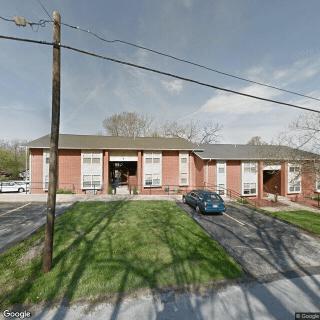
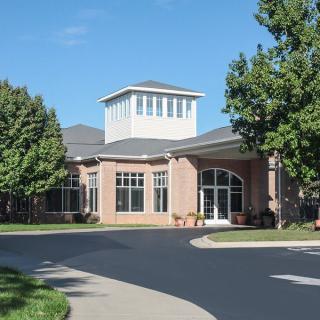
1486 N Riverside Rd, Ozark, MO 65721
To contact a resident: (417) 581-7126
For more information about senior living options: (866) 208-4318
Overall Review of Ozark Nursing & Care Ctr
Pros
 Sally and Jamie provide top-notch care for residents.
- Rosa keeps residents' hair looking perfect.
- The staff are friendly and eager to help, creating a homey atmosphere.
- Misty, the director of nursing, shows dedication and passion to her patients and the team.
- The facility has researched new ways to meet residents' needs and keep them safe.
- The care team communicates openly with families, including during COVID.
Cons
 The new management sucks.
- They fired all the good nurses over stupid stuff.
- The kitchen supervisor yelled at staff for no reason on multiple occasions.
- The new manager doesn’t care about anyone but herself.
- Residents are moved without staff knowing and end up sleeping in other people's rooms.
- The newest administration is running the place into the ground.
- Safety and hygiene practices are not being followed.
- The kitchen has a gross bug problem.
- They threaten to fire employees for even minor mistakes.
- The facility is understaffed, undertrained, and dirty.
- Medications are mishandled, with missing meds and even double-dosed.
- An elderly woman was ignored when she asked for help.
Review
This community is best suited for families that prize hands-on, compassionate frontline care and a home-like atmosphere, especially for residents with dementia or complex behavioral needs. When the caregiving teams are stable, CNAs and nurses form real connections with residents and respond quickly to basic needs, often bending schedules to keep a loved one comfortable. The strongest days arise when staff know individual routines and preferences, coordinating with dietary and activities staff to create a humane daily rhythm. The clear caveat is that administrative turnover and political dynamics can destabilize this care, yet in those moments, the frontline crew still carries most of the day-to-day duties and can support a resident through rough patches.
Alternatives to consider become sensible for families seeking steadier governance, stricter safety, and consistently clean conditions. Repeated reports of new management ushering drama, staff discipline threats, and turnover suggest a fragile culture that can undercut resident care. Cleanliness and food-service standards are concerns in some accounts, with complaints about safety practices and pest issues. Medication management and room safety also surface as problematic in several narratives. For memory care, the absence of reliable lock-down practices and consistent supervision raises red flags. If a strong administrative backbone, transparent communication, and predictable survey results are non-negotiable, exploring other communities is prudent.
On the bright side, multiple families describe caring nurses and CNAs who bring warmth to residents, with DONs or dietary teams receiving specific commendations for patient-minded leadership. There are stories of staff going beyond minimal expectations, and some residents and families feel seen and heard by the caregiving team. That said, these positives exist against a backdrop of frequent criticisms about understaffing, turnover, and inconsistent supervision. Reports of floors not being cleaned, rooms sharing space in ways that confuse residents, and left-unattended safety issues color the overall impression. Medication mishaps, missing pills or supplies, and even reports of locked units or residents wandering raise legitimate concerns about day-to-day safety and reliability. The contrast between individual acts of kindness and systemic gaps is stark.
These pros can offset some frustrations when the care team remains deeply invested and the resident forms trust with caregivers; however, the weight of administrative instability and operational lapses often overwhelms those benefits. For families with a low tolerance for risk and a high need for clean surroundings, consistently safe medication practices, and rapid response to emergencies, the negatives tend to win out. The facility possesses genuine upside in the compassion of frontline workers, but the burden of leadership chaos and maintenance shortcomings erodes confidence that long-term, the standard of care will stay elevated. In short, the core care can be excellent in moments; the environment that governs it is unpredictable.
For families evaluating placement, several steps sharpen decision-making. Ask to speak with the DON and the administrator to gauge staffing stability, turnover, and responsiveness to concerns. Tour the memory care area to assess security, engagement, and daily routine. Observe how quickly call lights are answered and how floors, rooms, and common areas are maintained. Request copies of the most recent state survey and any corrective-action plans, then probe the facility’s pest-control and cleaning schedules. Seek candid input from current residents and families about medication accuracy and item accountability. If the response is defensive, unhelpful, or inconsistent, consider alternatives where accountability is clear and communication is proactive.
Overall, Ozark Nursing & Care Center presents a mixed bag: capable frontline caregivers in a setting that can feel warm, but with enough leadership instability and operational gaps to warrant caution. This community is a viable option for families who can demand accountability, stay engaged, and navigate through occasional chaos to ensure their loved one receives daily kindness and basic safety. For those seeking predictable leadership, pristine conditions, and ironclad medication oversight, alternatives are advisable. A visit with clear questions, supported by recent survey data and caregiver conversations, will reveal whether this is the right fit or a different home is necessary.
 Skilled Nursing Facility
 Springfield-Branson Regional (18 miles away)


 Exploring Palliative Care in the Home: A Comprehensive Overview
 Comprehensive Insights into Palliative Home Care: What It Is and What to Expect
 Skilled Nursing Facilities vs. Nursing Homes: Making Sense of the Differences