
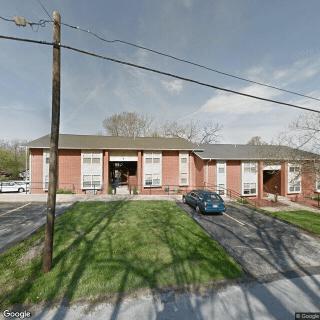
1486 North Riverside Road, Ozark, MO 65721
For more information about senior living options: (866) 208-4318
Overall Review of Ozark Nursing And Care Center
Pros
 The staff are caring and do their best to take care of everyone.
- The nurses are great and CNAs are awesome.
- The facility's rooms are clean and well maintained.
- The food is pretty good.
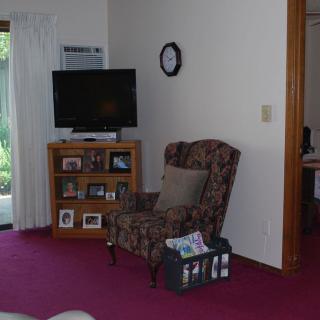
- The facility is quiet, with private rooms and views of grass and trees, creating a peaceful setting.
- The staff are friendly and eager to help, giving a homey feeling.
- The facility keeps families informed and checked in on residents, especially during COVID.
- Dedicated staff like Sally, Jamie, and Rosa provide top-notch care and personal attention.
Cons
 The new management sucks.
- They fired all the good nurses over stupid stuff.
- The kitchen boss yells at staff for no reason and belittles their education.
- The new administrator cares only about herself and ignores residents.
- Residents are moved without staff knowledge and sleep in other people's rooms.
- The administration is running the place into the ground and causes constant drama.
- Resident care is at its bare minimum and supplies are lacking.
- Safety and hygiene practices are not followed, and the kitchen has a bedbug problem described as disgusting.
- The administration threatens employees and fires them for minor mistakes rather than addressing root problems.
- Memory care is left unlocked, allowing a resident to wander away.
Review
Ozark Nursing and Care Center is best suited for families who want a smaller, quieter campus where front-line caregivers can establish genuine rapport with residents and where being able to visit nearby is a real perk. The setting often feels more intimate than larger facilities, with the possibility of private rooms and a calm environment that can suit older adults who donā€™t need constant stimulation. The trade-off is clear: daily life can hinge on the current administration, and turnover among nurses and aides tends to translate into inconsistencies in care. For families able to stay engaged, advocate consistently, and monitor daily routines, a personalized, hands-on approach can still yield meaningful stability.
Those who should consider alternatives are those prioritizing ironclad consistency, rigorous oversight, and impeccable hygiene. If leadership stability, predictable staffing, and proactive problem-solving are nonnegotiables, this community may fall short. Safety and memory-care needs demand especially careful scrutiny, given repeated concerns about management style, turnover, and secure access in memory-care spaces. In short, any family seeking a proven track record of steady administration, spotless cleanliness, and reliably responsive care should look at other options before committing.
On balance, the strongest positives lie with the direct-care teams. Several reviewers praise nurses and CNAs for their compassion, patience, and daily attentiveness, and some families report quiet, homey common spaces, a degree of privacy in rooms, and a setting that feels intimate rather than clinical. There is also evidence that staff have made meaningful efforts to tailor care for complex dementia or behavioral needs, and that a few long-tenured team members remain deeply dedicated to residents. That caring thread matters, and it can create moments of real comfort for residents and families alike.
However, the most persistent and consequential drawbacks revolve around governance and operational stability. Multiple accounts describe new management as disruptive, with drama, turnover, and a sense that resident care routinely takes a backseat to internal politics. Reports of understaffing, insufficient supplies, and lapses in safety and hygiene significantly erode trust. Specific concerns appear in memory-care zones, where security and supervision are critical; anecdotes of rooms being left unsecured or residents wandering point to real safety risks. Loss of belongings, odor and cleanliness issues, and alleged medication handling problems compound the hesitation for families weighing longer tenures.
In practical terms, this facility rewards families prepared to be active, vocal partners in care. Visits should be used as a live audit: observe staff-resident interactions, confirm night and weekend coverage, and note whether medications and meals are administered promptly. Request conversations with the director of nursing and the administrator, and review the most recent state survey results and any corrective action plans. Ask pointed questions about staff turnover, recruitment, training, and how incidents are tracked and communicated to families. Inspect the memory-care area for controlled access, staff presence, and daily routines, and confirm that housekeeping is consistent and floors and equipment remain clean.
Ultimately, Ozark Nursing and Care Center is a mixed-risk option that can work well for families willing to engage closely and tolerate a degree of administrative volatility. The best fit is a resident who values a smaller, quieter environment, where dedicated front-line caregivers can deliver meaningful daily care when supported by vigilant family oversight. Those with high expectations for leadership stability, spotless cleanliness, and fail-safe safety protocols should pursue alternatives. For families pursuing continued proximity to home, and prepared to advocate firmly on behalf of their loved one, this community can still provide moments of genuine, compassionate care amid a backdrop of notable governance challenges.
 120 resident community capacity
 Skilled Nursing Facility
 Air-conditioning
 Beauty salon
 Cable or satellite TV
 Computer center
 Dining room
 Fitness room
 Fully furnished
 Gaming room
 Garden
 Housekeeping services
 Kitchenette
 Move-in coordination
 Outdoor space
 Private bathrooms
 Restaurant-style dining
 Small library
 Telephone
 Wellness center
 Wi-Fi/high-speed internet available
 Springfield-Branson Regional (18 miles away)
 Community operated transportation
 24-hour call system
 Activities of daily living assistance
 Assistance with bathing
 Assistance with dressing
 Assistance with transfers
 Diabetes diet
 Medication management
 Special dietary restrictions
 Concierge services
 Planned day trips





 Comprehensive Approaches for Arthritis: A Detailed Guide to Symptoms, Causes, and Care
 Comprehensive Insights and Practical Strategies to Help Older Adults Avoid Falls
 6 Crucial Ways an Elder Law Attorney Assists Families