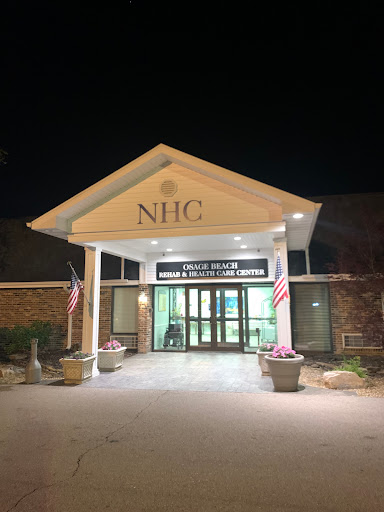
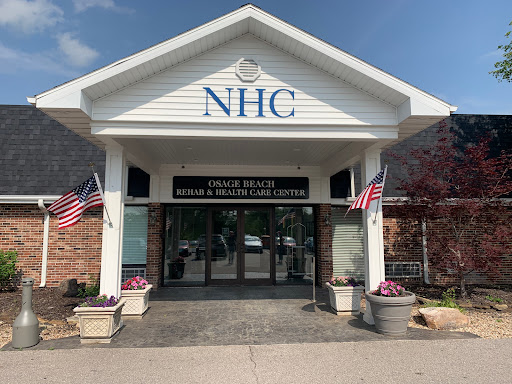

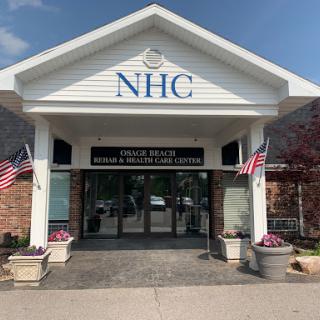
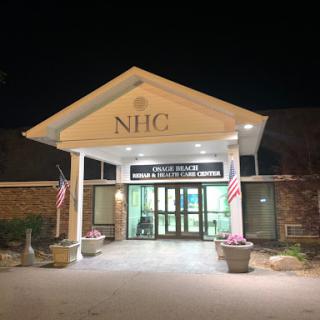
844 Passover Road, Osage Beach, MO 65065
For more information about senior living options: (866) 208-4318
Overall Review of Osage Beach Rehabilitation And Health Care Center
Pros
 The staff are fantastic and clearly care.
- The facility is wonderful.
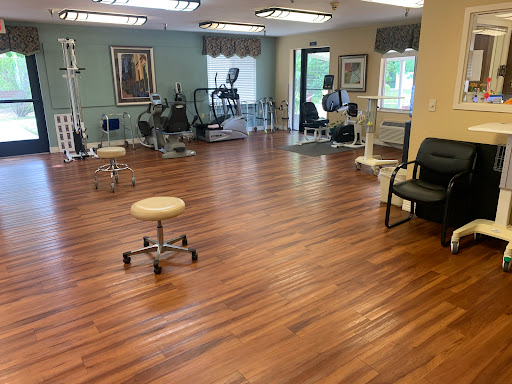
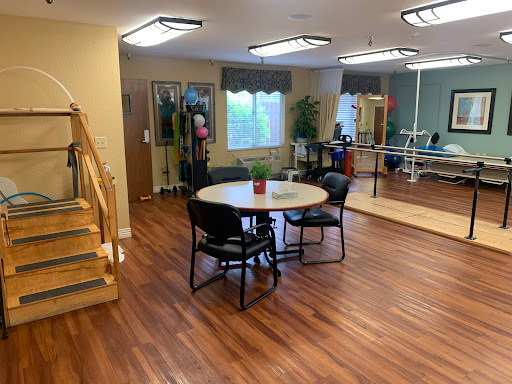
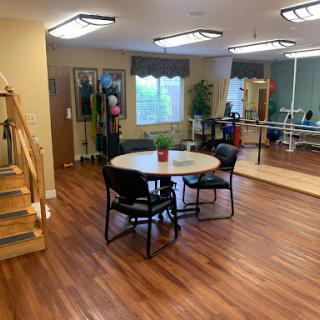
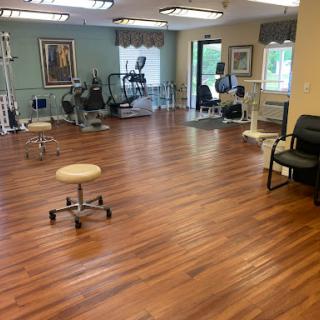
- They have a great therapy department.
- The atmosphere is great, with caring and compassionate staff, and the establishment is clean.
- The service was great, and the staff worked with her to help her go home.
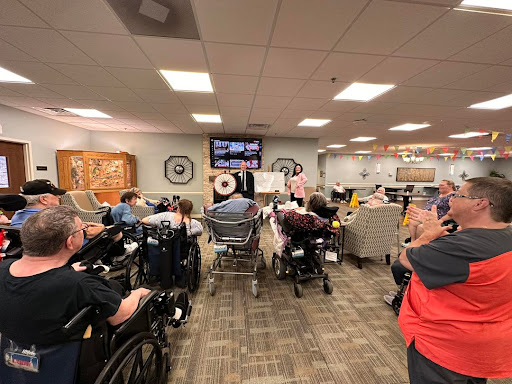
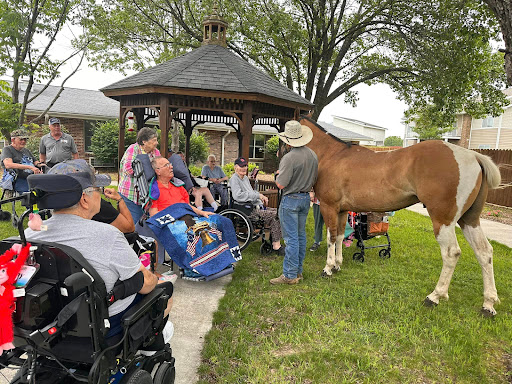
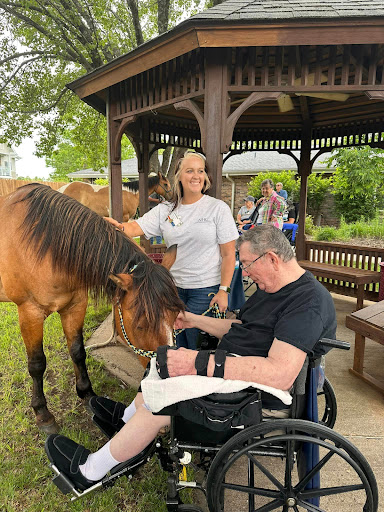
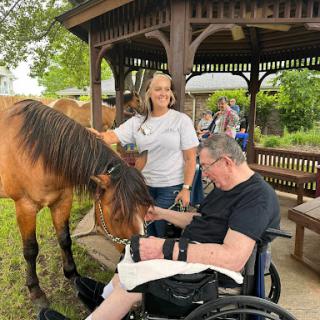
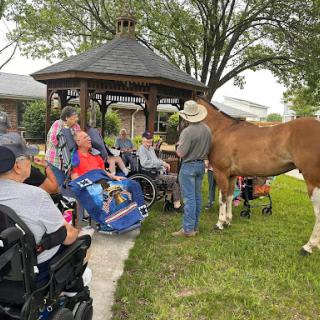
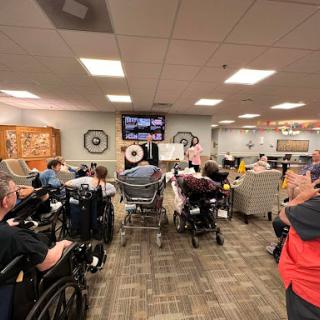
- Activities, therapy services, and food are top notch, and the environment is welcoming with compassionate staff.
- The care is awesome.
- The facility is awesome, with very caring staff and helpful administration.
Cons
 The facility's carelessness and failure to follow doctors' directions led to the grandfather's death after he left in an ambulance.
- The care in this place is absolutely terrible.
- The grandfather fell twice in less than a week, leading to hospital visits.
- The staff did not ensure the patient wore his CPAP at night, leaving his CO2 dangerously high.
- The patient's CO2 level was 110, far above the normal range.
- The Director of Nursing claimed the patient was the only Alzheimer's wanderer they've ever had, revealing alarming safety concerns.
- The administrator mocked the family and repeatedly said they'd "try really hard," showing a dismissive attitude toward requests for help.
- The facility refused to take him back and sent him to the ER without informing the family.
- The facility is out for money and the care needs significant improvement across the nursing and care teams.
Review
Osage Beach Rehabilitation and Health Care Center is best suited for seniors who need structured rehabilitation with strong therapy services and who will benefit from a welcoming, clean, and generally caring environment. For families prioritizing daily therapy engagement, predictable activity programming, and a facility that feels personable, this community offers tangible advantages. It is less ideal for residents who require unwavering medical oversight, meticulous medication management, or dementia care that demands aggressive safety protocols and highly consistent care coordination. In short, it can be a solid fit for rehab-focused needs and transition care, but it exposes enough safety and consistency risks to warrant careful scrutiny for anyone with high medical or cognitive care requirements.
Families considering alternatives should note that the most serious red flags arise when medical management and long-term safety are the top priorities. For residents with advanced Alzheimer's or wandering tendencies, the care team’s ability to contain risk and ensure meds are administered reliably has been repeatedly called into question. The records show troubling instances where medications were missed or delayed, a patient was sent to the ER, and a family’s trust and expectations were strained by perceived insensitivity from leadership. If consistent med administration, rapid response to evolving health needs, and transparent, collaborative problem solving with families are non-negotiable, other options may offer greater predictability and accountability.
On the upside, the facility earns points for a robust therapy department, a genuinely caring staff, and an overall atmosphere that families describe as welcoming and compassionate. When therapy is the focal point, whether for post-acute rehab, mobility improvement, or functional restoration, the program appears well equipped to drive meaningful gains. Cleanliness and a positive environment contribute to a sense of comfort during recovery, and several reviews highlight staff members who work hard to engage residents in activities, therapy, and daily routines. These strengths can translate into real benefits for short-term stays and for families who prioritize a supportive rehabilitation culture.
The most troubling counterweight is the history of care lapses and safety concerns. The most severe anecdotes involve missed medications, insufficient adherence to medical directions, and deteriorating health, including significant weight loss and uncontrolled symptoms. Incidents cited include a patient not wearing required devices like a CPAP, leading to dangerous CO2 elevations, and in one case a family grieving the loss of a loved one who appeared to suffer as a result of care gaps. Reports of staff dismissiveness, pressured discharge conversations, and even alarming miscommunications with families cast a long shadow over the facility’s otherwise warm public persona. These patterns undermine trust and raise legitimate questions about risk management.
Taken together, the pros and cons point toward a cautious, decision-focused conclusion. Osage Beach can be a viable option for families who can actively participate in care planning, monitor medication administration, and leverage strong therapy to rebuild function after a setback. For long-term living arrangements, especially for residents with complex medical needs or dementia requiring consistent, safety-first oversight, the cons loom larger and may justify exploring alternatives with a track record of steadier medical governance. The facility’s strengths in therapy and atmosphere are real, but they do not fully offset the gravity of the safety concerns that have surfaced in multiple reviews.
Practical next steps for families weighing this option are clear. Schedule a comprehensive tour with a focus on medical management workflows: ask to meet the director of nursing, review current nurse-to-resident ratios, and request a detailed medication administration policy and incident log. Inquire about dementia-specific programming, wandering precautions, and how falls or urgent health issues are escalated and communicated to families. If a trial or transition period is possible, set measurable goals for rehab milestones and daily care checks, and insist on clear, written care plans updated after each change in health status. Finally, corroborate impressions with recent family experiences and independent surveys to ensure the community’s strengths align with the resident’s specific care priorities.
 94 resident community capacity
 Skilled Nursing Facility
 Air-conditioning
 Beauty salon
 Cable or satellite TV
 Computer center
 Dining room
 Fitness room
 Fully furnished
 Gaming room
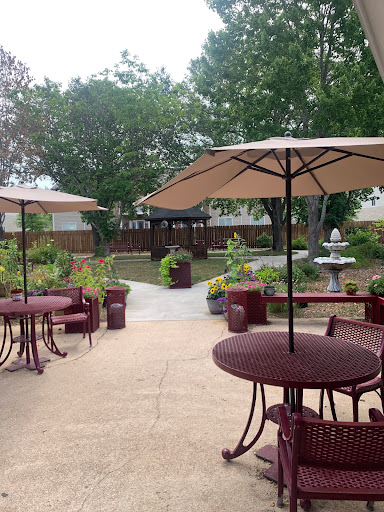
 Garden
 Housekeeping services
 Kitchenette
 Move-in coordination
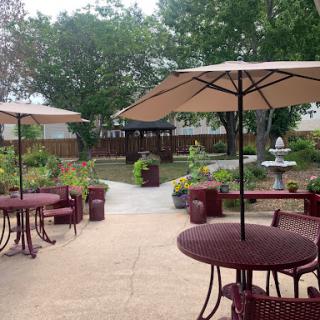
 Outdoor space
 Private bathrooms
 Restaurant-style dining
 Small library
 Telephone
 Wellness center
 Wi-Fi/high-speed internet available
 Community operated transportation
 24-hour call system
 Activities of daily living assistance
 Assistance with bathing
 Assistance with dressing
 Assistance with transfers
 Diabetes diet
 Medication management
 Special dietary restrictions
 Concierge services
 Planned day trips




 Compassionate Conversations: How to Comfort Someone Who Is Grieving
 Home Health Care Aides: Understanding Their Role and Supporting Your Family
 Urinary Tract Infections in Older Adults: Comprehensive Insights on Symptoms, Treatment, and Prevention