Lake Regional Health Systems

Save

  • Building

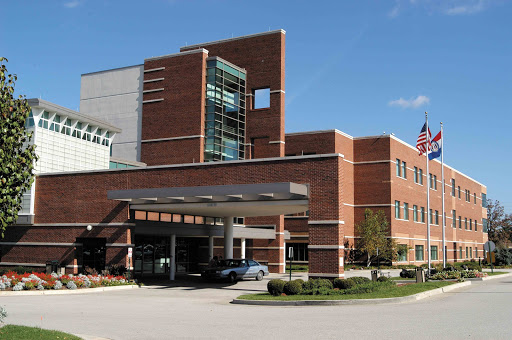
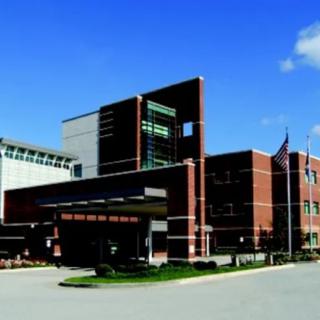
    A modern hospital building with a brick facade against a clear blue sky.
  • Architecture

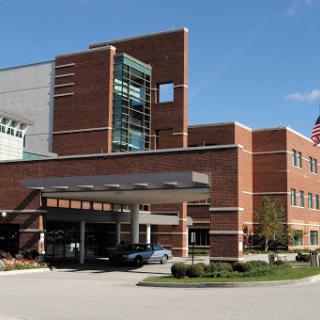
    A modern hospital building featuring a blend of brick and glass architecture.
  • Windows

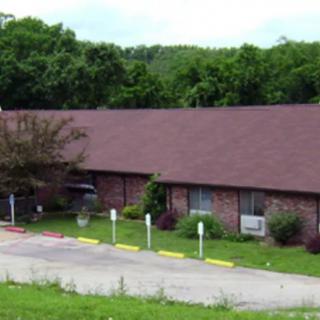
    A modern brick building with large glass windows, surrounded by greenery.
  • Landscaping

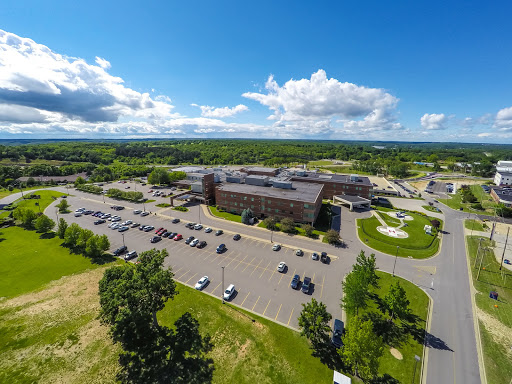
    A beautiful aerial view of a modern building surrounded by a spacious parking lot and lush greenery under a clear blue sky.
  • Kitchen

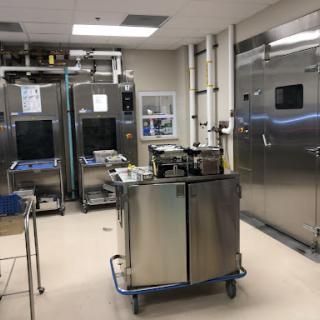
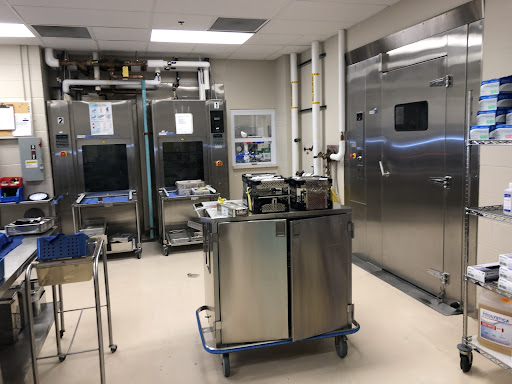
    A clean and organized commercial kitchen featuring industrial-grade stainless steel appliances.
  • Entrance

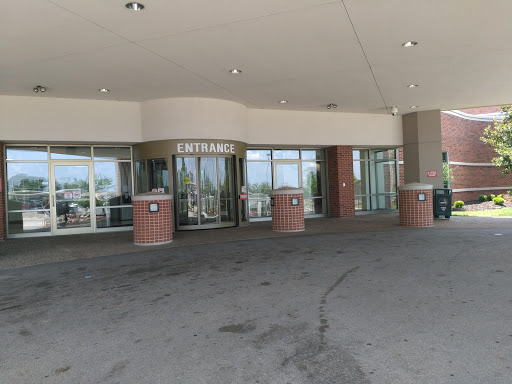
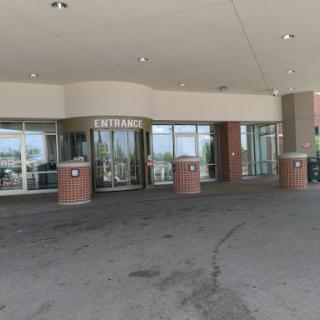
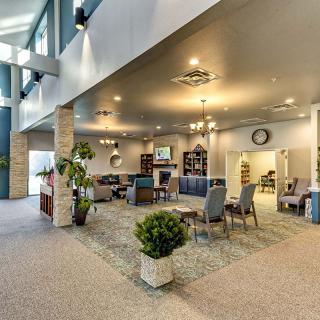
    The entrance of a modern building featuring glass doors and a spacious parking area.
  • Healthcare

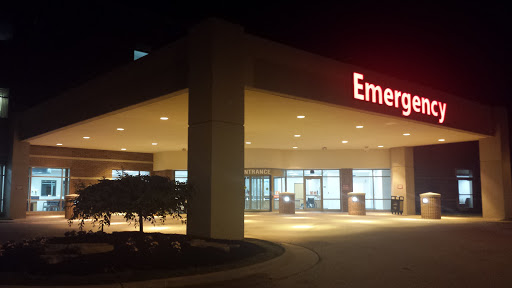
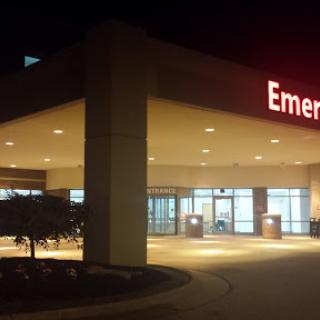
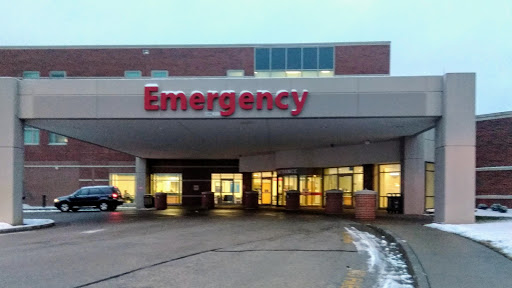
    The entrance to an emergency room at night.

Lake Regional Health Systems

54 Hospital Drive, Osage Beach, MO 65065

For more information about senior living options: (844) 490-3973

2.8 from 100 reviews
5 stars
39
4 stars
6
3 stars
0
2 stars
4
1 stars
51

Skilled Nursing Facility

Overall Review of Lake Regional Health Systems

Pros

  • pro The ICU team was competent, compassionate, patient, and professional in their care.
  • pro Lake Regional cares about its patients and provides the utmost care with every resource available.
  • pro Destini, Autumn, Emma, and Robyn made the birthing experience perfect.
  • pro Krista Jones was absolutely amazing.
  • pro The pulmonary care doctor was excellent and worked hard to gather as much information as possible for care.
  • pro The staff were very kind and provided exemplary care.
  • pro Dr. Jones and Mandy made the patient feel important and well cared for.
  • pro The hospital has a great staff and is highly praised for attentive, efficient care.

Cons

  • pro The hospital is described as a hell hole with outrageous wait times and a disorganized triage system.
  • pro ER wait times were extremely long, and patients were left waiting with severe pain and little/no relief.
  • pro Nurses were seen laughing loudly in the waiting area while patients cried in pain.
  • pro OB-GYN staff were accused of rude behavior and a lack of bedside manner, with no respect for patients or their families.
  • pro A doctor was accused of mocking a patient and accusing her of drug seeking, while staff rummaged through another patient's bags.
  • pro Privacy and dignity were compromised by treating patients in the lobby due to space constraints.
  • pro The facility is said to have gone downhill and to provide deteriorating care.
  • pro Some patients reported minimal care and lack of timely tests or answers after long waits.

Review

A range of experiences paints a complex picture of care at this hospital, with many patients praising acts of compassion and professional excellence while others walk away frustrated by delays, perceived dismissiveness, and organizational challenges. Across departments, some encounters stood out as exemplars of dedication, while others highlighted systemic issues that left patients feeling unheard or underserved. Taken together, the reviews reveal a hospital that both inspires gratitude and exposes moments of weakness.

Several accounts center on high-stakes care in the ICU, where families describe the most positive interactions in their most vulnerable hours. One family called the ICU team "competent, compassionate, patient and professional" and noted that the entire unit operated with a level of care that stood out despite the pressures of severe pulmonary issues and staffing shortages. The same thread of praise highlighted a physician who came in on his day off to follow up on a patient's condition, an act that many readers interpreted as a powerful demonstration of dedication and patient-centered care. In these testimonials, the hospital and its staff appeared to marshal every available resource to support a patient's recovery, reinforcing a sense of community trust and pride in the hospital's mission and capabilities.

In the realm of obstetrics and gynecology, experiences split along similar lines between warmth and frustration. A joyful note celebrated a birthing experience that felt "perfect" thanks to the care provided by Destini, Autumn, Emma, and Robyn, with families expressing heartfelt gratitude for the attentiveness and support they received. Yet other reviewers described rude behavior and a perceived lack of bedside manner within OB/GYN, including accusations of disrespect toward patients and their families. Such contrasting reports suggest that personal interactions and bedside style can dramatically color a patient's overall impression, even when clinical outcomes may be favorable.

A recurring thread centers on a standout provider in obstetrics, with several reviewers singling out Krista Jones for exceptional care. One patient stated she "was absolutely amazing," and multiple posts echoed gratitude for Krista Jones's listening, thoroughness, and willingness to pursue tests and consultations to uncover what was going on. The praise for this individual clinician appears to be a reliable anchor in otherwise mixed feedback, underscoring how a single compassionate practitioner can shape a patient's impression of the entire facility.

The emergency department conversation is perhaps the most charged. A series of accounts describe protracted wait times and frustrations with triage and hallway care. Some patients waited lengthy periods - reports ranged from seven hours to ten hours - with little in the way of decisive action or clear communication. One person recounted being told the day shift doctors are "really good but very, very slow," a comment reflecting perceived inefficiency and dissatisfaction with the flow of care. Others described standing in crowded waiting rooms while others in pain or distress were moved through a system that felt slow, disjointed, or insufficiently private. There were also concerns about privacy and the ethics of treating patients in lobby areas instead of dedicated rooms, with some reviewers feeling that such arrangements compromised dignity and confidentiality. In several accounts, patients described doctors and staff as dismissive or even provocative - aside from medical judgments, there were allegations of staff joking, gossiping, or treating patients as inconveniences rather than individuals seeking help.

Despite the criticisms, some ER experiences shone with effective, empathetic care. A patient who arrived via ambulance with severe dehydration and dangerously low blood pressure praised Dr. Jones and a nurse named Mandy for turning a frightening situation into a manageable one, noting that they treated him like a person and took him seriously. This kind of individualized attention contrasted sharply with other negative stories and reminded readers that excellent, compassionate care can and does happen in the ER when the right clinicians and staff are present.

Beyond the ER, several positive stories highlighted timely and thorough interventions in other services. A review from a patient on vacation described a bowel blockage addressed efficiently, with the patient back on the road to recovery within a few days. Another account praised a pulmonary care visit for being "excellent" and focused on gathering as much information as possible to inform ongoing treatment. A couple of families recounted two-hour stays in which the patient received attentive care from multiple staff members, emphasizing the importance of clear communication, kindness, and coordinated teamwork in building a sense of reassurance during difficult health crises. These notes reinforce that when the hospital functions smoothly - competent clinicians, responsive nurses, and coordinated care pathways - the experience can be both comforting and effective.

Yet the reviews do not shy away from voicing a harsh verdict on overall experience. Phrases like "gone downhill," "hell hole," and "old school triage" appear in several posts, signaling a belief that the institution's processes - especially around triage, waiting room management, and privacy - have deteriorated or become inconsistent. Some reviewers described systems that feel outdated, with patients and families left navigating a tangled web of waiting rooms, multiple check-ins, and procedures that seem disconnected from the speed and privacy expected in emergency care. The sentiment ranges from disappointment to outright disdain for what was perceived as careless or indifferent behavior, including stories of staff talking about patients or appearing to minimize the urgency of severe symptoms. For these readers, the experience is not merely about a single erroneous moment but about an ecosystem that sometimes seems misaligned with the fundamental purpose of compassionate and efficient health care.

In sum, the hospital presents a mosaic of experiences that reflects both extraordinary human care and troubling lapses. On one hand, there are undeniable moments of excellence: ICU teams showing unwavering commitment, Krista Jones delivering patient- and family-centered care, the care teams in OB/GYN and the ER who rise to the challenge, and clinicians who listen, investigate, and advocate for their patients. On the other hand, there are persistent concerns about wait times, privacy, triage efficiency, and the demeanor of some staff members, along with reports of rude or dismissive interactions that understandably diminish trust and confidence. Taken together, the narratives suggest a hospital that can deliver life-saving, compassionate care when the right people are present and working well with the system, but one that would benefit from concerted improvements in flow, privacy, and staff training to ensure consistently positive experiences for all patients and families.

Features

Housing

  • 16 resident community capacity 16 resident community capacity

Types of Care

  • Skilled Nursing Facility Skilled Nursing FacilitySkilled Nursing Facilities are crucial for seniors as they provide round-the-clock medical care, rehabilitation services, and assistance with daily activities. These facilities ensure that seniors receive the specialized care they need to maintain their health and well-being as they age.

Amenities

  • Cable or satellite TV Cable or satellite TVCable or satellite TV is important for seniors because it provides entertainment, news, and companionship, helping to combat loneliness and boredom. It also offers a wide range of programming options tailored to different interests and preferences.
  • Dining room Dining roomDining rooms are important for seniors as they provide a space for socialization, connection, and nutritious meals. They offer opportunities for residents to bond over shared meals, foster a sense of community, and promote healthy eating habits. Dining rooms also ensure that seniors have access to well-balanced meals tailored to their dietary needs and preferences.
  • Fully furnished Fully furnishedFully furnished senior living communities are important for seniors because they provide convenience, comfort, and a hassle-free moving experience. Seniors can easily settle into their new living space without the stress of having to buy and move furniture. This allows them to focus on enjoying their new home and community.
  • Garden GardenGardens are important for seniors as they provide a peaceful and therapeutic environment for relaxation, physical activity, and socialization. Being in nature has been shown to reduce stress, improve mood, and promote overall well-being. Gardens also offer opportunities for seniors to engage in gardening activities, which can improve mobility, flexibility, and cognitive function. Additionally, gardens create a sense of community and connection with others who share a passion for plants and outdoor spaces.
  • Housekeeping services Housekeeping servicesHousekeeping services are important for seniors because they help maintain a clean and safe living environment, promote independence, and reduce the risk of accidents or illnesses. Additionally, having assistance with household chores can alleviate physical strain and allow seniors to focus on other aspects of their well-being.
  • Move-in coordination Move-in coordinationMove-in coordination is important for seniors because it helps ease the transition into their new living environment. It ensures that all logistics, such as packing, organizing movers, and setting up utilities are taken care of, allowing seniors to focus on settling in and adjusting to their new home. Having a smooth move-in process can alleviate stress and anxiety, making the transition smoother and more enjoyable for seniors.
  • Outdoor space Outdoor spaceOutdoor spaces are important for seniors as they provide opportunities for physical activity, social interaction, exposure to natural light and fresh air, and a sense of connection to nature. Having access to outdoor spaces can improve overall well-being and quality of life for older adults living in senior communities.
  • Telephone TelephoneTelephones are important for seniors as they provide a lifeline for communication with loved ones, emergency services, and healthcare providers. They offer a sense of security and independence, enabling seniors to stay connected and access assistance when needed.
  • Wi-Fi/high-speed internet available Wi-Fi/high-speed internet availableWi-Fi/high-speed internet is important for seniors to stay connected with loved ones, access online resources, and participate in virtual activities to combat feelings of loneliness and isolation. It also allows them to easily manage healthcare needs, access entertainment, and engage in lifelong learning opportunities.

Care Services

  • 24-hour supervision 24-hour supervision24-hour supervision is important for seniors to ensure their safety, well-being, and access to immediate assistance in case of emergencies or health issues. This constant support provides peace of mind for both seniors and their loved ones, allowing them to age in place with dignity and security.
  • Activities of daily living assistance Activities of daily living assistanceActivities of daily living assistance are important for seniors because they provide essential support with tasks such as eating, bathing, dressing, and mobility. This assistance helps seniors maintain their independence, dignity, and overall quality of life as they age.
  • Assistance with bathing Assistance with bathingAssistance with bathing is crucial for seniors as it helps maintain personal hygiene, prevents infections, and ensures their overall well-being and comfort. It also provides a sense of dignity and independence for seniors who may struggle with this task on their own.
  • Assistance with dressing Assistance with dressingAssistance with dressing is important for seniors because it helps maintain their independence, promotes personal hygiene, prevents accidents and injuries, and improves overall quality of life. This service ensures that seniors can continue to dress comfortably and confidently, despite any physical limitations they may have.
  • Assistance with transfers Assistance with transfersAssistance with transfers is crucial for seniors as it helps prevent falls and injuries, maintains their independence, and ensures they can safely navigate their living environment. It also provides peace of mind for both seniors and their loved ones.
  • Diabetes diet Diabetes dietA diabetes diet is crucial for seniors as it helps manage blood sugar levels, reduce risks of complications, and improve overall health and well-being. By following a balanced and nutritious diet tailored to their specific needs, seniors can better control their diabetes and enhance their quality of life.
  • Meal preparation and service Meal preparation and serviceMeal preparation and service are crucial for seniors as they may have limited mobility or energy to cook nutritious meals. Having access to healthy and convenient food options can ensure they are getting the proper nutrition needed to maintain their overall health and well-being.
  • Medication management Medication managementMedication management is crucial for seniors to ensure they are taking the right medications at the correct dosages and times. This helps prevent adverse drug interactions, reduces the risk of medication errors, and promotes overall health and well-being. Proactive management also allows for adjustments as needed based on changing health conditions or new prescriptions.
  • Special dietary restrictions Special dietary restrictionsSpecial dietary restrictions are important for seniors because age-related changes in metabolism and health conditions can make it difficult for their bodies to process certain foods. By following a diet tailored to their specific needs, seniors can maintain their overall health and well-being, manage chronic conditions, and reduce the risk of complications such as malnutrition or food interactions with medications.
Dining

  • Diabetes diet Diabetes dietA diabetes diet is crucial for seniors as it helps manage blood sugar levels, reduce risks of complications, and improve overall health and well-being. By following a balanced and nutritious diet tailored to their specific needs, seniors can better control their diabetes and enhance their quality of life.
  • Special dietary restrictions Special dietary restrictionsSpecial dietary restrictions are important for seniors because age-related changes in metabolism and health conditions can make it difficult for their bodies to process certain foods. By following a diet tailored to their specific needs, seniors can maintain their overall health and well-being, manage chronic conditions, and reduce the risk of complications such as malnutrition or food interactions with medications.

Activities

  • Community-sponsored activities Community-sponsored activitiesCommunity-sponsored activities are important for seniors as they provide opportunities for social interaction, mental stimulation, and physical activity. These activities can help improve overall well-being, combat loneliness and isolation, and promote a sense of belonging and purpose among older adults.
  • Scheduled daily activities Scheduled daily activitiesScheduled daily activities are important for seniors because they provide structure, socialization, mental stimulation, and physical activity. Engaging in regular activities can improve overall well-being and quality of life for seniors living in a community setting.

Description

Lake Regional Health Systems in Osage Beach, MO offers a comprehensive range of amenities and care services for individuals seeking an assisted living community. Residents can enjoy the comfort of fully furnished accommodations, beautifully landscaped gardens, and housekeeping services to ensure a clean and comfortable living environment.

With move-in coordination assistance, the transition into Lake Regional Health Systems is made as seamless as possible. Outdoor spaces allow residents to relax and enjoy the natural surroundings, while telephone and Wi-Fi/high-speed internet provide connectivity and communication options.

The care services provided at Lake Regional Health Systems are designed to support residents with their daily activities. Trained staff is available to offer assistance with bathing, dressing, and transfers as needed. Diabetes-specific diets are catered to accommodate those with special dietary restrictions.

Meal preparation and service is provided to ensure residents have access to nutritious meals throughout the day. Medication management is also available to help residents properly adhere to their prescribed medications.

Scheduled daily activities keep residents engaged and entertained. Whether it be socializing with fellow residents or participating in various recreational activities, there is something for everyone at Lake Regional Health Systems.

Conveniently located near several cafes, pharmacies, physicians' offices, restaurants, transportation options, places of worship, and hospitals; Lake Regional Health Systems provides easy access for residents' needs outside of the community.

Overall, Lake Regional Health Systems offers a welcoming assisted living community where individuals can receive the support they need while enjoying a comfortable and fulfilling lifestyle.

Nearby Places of Interest

Hospitals

  • Lake Regional Cancer Center (0.1 miles)
  • Lake Regional Hospital (0.1 miles)
  • Eyes On Missouri (3.2 miles)
  • Lake Regional Health System (5.1 miles)
  • Camdenton Medical Center (7.9 miles)

Physicians

  • Lake of The Ozarks Radiology (0.1 miles)
  • Uzma Khan MD (0.1 miles)
  • Osage Eye Clinic (0.1 miles)
  • Lake Regional Neurology (0.2 miles)
  • Nielsen Robert C DO (0.2 miles)
  • Lake Dermatology & MedSpa (0.4 miles)
  • Forefront Dermatology Osage Beach, MO (0.4 miles)

Restaurants

  • Culver's (0.2 miles)
  • Pablito's Taqueria (0.3 miles)
  • Subway (0.3 miles)
  • The Pancake House (0.5 miles)
  • Jeffrey's Prime Rib & Lobster (0.5 miles)
  • Lake of the Ozarks Brewing Company (0.9 miles)
  • Redhead Lakeside Grill (1.6 miles)

Pharmacies

  • Hy-Vee Clinic Pharmacy (0.2 miles)
  • Dierbergs (3.3 miles)
  • Walgreens (5 miles)
  • Lime In the Coconut (5.2 miles)
  • Woods Supermarket (5.3 miles)
  • CVS Pharmacy (5.3 miles)
  • Lake Regional Pharmacy (7.9 miles)

Transportation

  • X-Press Rent A Car (0.3 miles)
  • U-Haul (6.7 miles)

Cafes

  • Cozy Cafe (0.5 miles)
  • Great Stone Coffee (0.8 miles)
  • Lake of the Ozarks State Park Grand Glaize Marina Recreation Area and Public (0.8 miles)
  • On The Rise Bakery & Bistro (1.1 miles)
  • Panera Bread (2.8 miles)
  • Sip Coffee House (7.6 miles)

Places of Worship

  • The Church at Osage Hills (1.5 miles)
  • Christ the King Lutheran Church (5.7 miles)
  • Lake Ozark Christian Church (5.8 miles)

Frequently Asked Questions

Where is Lake Regional Health Systems?
What photos are available for Lake Regional Health Systems in Osage Beach, Missouri?

Nearby Communities

Skilled Nursing Facility in Nearby Cities

Related Resources

  • adult day careEncouraging Participation in Adult Day Care: A Guide to Supporting a Hesitant Parent

    Adult day care programs offer essential support and activities for older adults, yet many hesitate to participate due to concerns about independence and stigma. To alleviate these apprehensions, families should facilitate open discussions, explore financial resources, suggest trial visits, and collaborate with healthcare providers to highlight the benefits of such services for both the participants and their caregivers.

  • living will definitionComprehensive Exploration of Living Wills and Other Advance Directives

    Living wills and advance directives are crucial legal documents that outline an individual's healthcare preferences when they cannot make decisions themselves, enhancing patient autonomy and alleviating family stress during medical crises. The article emphasizes the need for these documents to be personalized, legally valid, and regularly updated, while also encouraging communication about end-of-life wishes among family members and healthcare providers.

  • living will definitionA Detailed Exploration of Living Wills and Advance Directives

    The article examines living wills and advance directives, highlighting their significance in expressing healthcare preferences for those unable to communicate due to illness or incapacity. It discusses their historical development, legal components, limitations, practical drafting advice, and the importance of clear communication among families and healthcare professionals regarding end-of-life decisions.