
2124 Old Highway 61 South, Port Gibson, MS 39150
For more information about senior living options: (866) 208-4318
Overall Review of Claiborne County Senior Care
Pros
 The daughter receives the best care she has had in years at CCSC.
- She is very happy with the care at CCSC.
- The staff at CCSC is awesome.
- The one-on-one care in the dementia unit is amazing.
- The mom has gained weight, is more active, and her speech has improved since moving there.
- She now recognizes her daughter and sister.
- She has started singing along with music again.
- The care provided at CCSC outweighs other concerns.
- The one-on-one care makes a huge difference in their lives.
Cons
 Claiborne County Nursing Home have very unprofessional workers.
- The DON Ms. Twosnote is very unprofessional and messy; along with her granddaughter.
- They pick with the workers and patients.
- They do not care about the patients.
- The only patients they tend to are the patients that have visitors.
- The other patients rooms are left dirty.
- When reported they just walked off and said oh well they still breathing.
Review
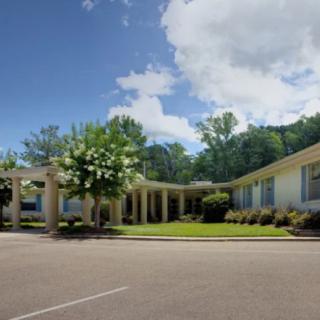
Claiborne County Senior Care in Port Gibson is best suited for families seeking highly personalized dementia-focused care within a smaller, intimate setting where one-on-one attention can translate into tangible improvements. The most compelling case for this community is the hands-on, individualized support that appears to yield meaningful gains in residents with cognitive decline: weight stabilization or gain, renewed activity, clearer speech, and moments of recognition and engagement that families deeply value. For a loved one who benefits from constant proximity to attentive staff and a unit designed for dementia care, this facility can deliver more than most larger, impersonal facilities.
At the same time, prospective residents should actively weigh who may want to consider alternatives. The strongest caveat is a documented concern about professionalism and medication practices that surfaced in a negative review. Reports of a particular DON and family-associated dynamics disrupting staff harmony, along with alleged medication errors and dismissive responses to concerns, raise legitimate safety questions. Potential residents with low tolerance for internal conflict, inconsistent oversight, or cleanliness and housekeeping lapses may find these issues too risky, especially if the person’s needs require uniformly reliable processes and decisive accountability.
On balance, the core advantages here, especially the dementia-focused care and the apparent ability to deliver consistent, meaningful daily improvements, remain compelling. The one-on-one care in the dementia unit is repeatedly praised as a game changer, translating into better weight maintenance, increased activity, clearer communication, and even moments of joy, such as singing and engagement with familiar routines. Families describe tangible progress within short timeframes, suggesting that personalized attention is not merely a comfort but a contributing factor to functional and emotional well-being. For relatives who can participate in care planning and supervision, these strengths can be decisive.
However, the drawbacks cannot be dismissed. The most credible concerns center on the reliability of leadership and broader care practices, including medication management, staff treatment, and the upkeep of resident rooms. A single, pointed negative report paints a picture of neglect and disorganization that could jeopardize safety and trust. The risk is that good intentions and genuine affection among some staff may coexist with inconsistent oversight and fragmented accountability. When these tensions surface, they undermine the otherwise strong potential gains from the dementia program and daily personal attention.
In decision terms, the pros can offset the cons for families prioritizing intimate, dementia-centered care and willing to engage closely with administration to ensure safety standards are upheld. The decisive factors are not purely emotional or anecdotal: they hinge on verified governance, transparent medication protocols, and demonstrable cleanliness and housekeeping routines. Before committing, prospective residents should insist on seeing current medication administration practices, ask for nursing metrics or incident reports, and request a direct conversation with the administrator about steps taken to address past concerns. A thorough tour, conversations with multiple staff members, and a review of state inspection records will illuminate whether the reported strengths truly outweigh the risks.
Ultimately, Claiborne County Senior Care can be a strong fit for families seeking deep, dementia-focused engagement in a home-like setting, with the potential for meaningful improvement and stabilized well-being. It is less suitable for those who prize flawless operational discipline, consistently pristine environments, and beyond-question professionalism in every interaction. For the right resident, one who benefits from dedicated, personalized care and whose family can remain actively involved, this community can deliver noticeable, meaningful outcomes. For others, or for those unable to tolerate reports of staffing and medication concerns, exploring alternatives with stronger safety nets and more uniform oversight is advised.
 73 resident community capacity
 Skilled Nursing Facility
 Air-conditioning
 Beauty salon
 Cable or satellite TV
 Computer center
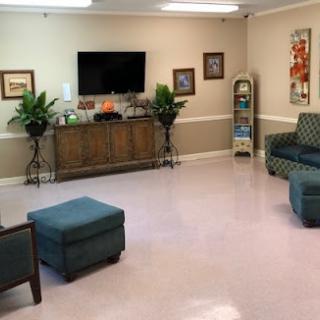
 Dining room
 Fitness room
 Fully furnished
 Gaming room
 Garden
 Housekeeping services
 Kitchenette
 Move-in coordination
 Outdoor space
 Private bathrooms
 Restaurant-style dining
 Small library
 Telephone
 Wellness center
 Wi-Fi/high-speed internet available
 Community operated transportation
 12-16 hour nursing
 24-hour call system
 Activities of daily living assistance
 Assistance with bathing
 Assistance with dressing
 Assistance with transfers
 Diabetes diet
 Medication management
 Mental wellness program
 Special dietary restrictions
 Concierge services
 Planned day trips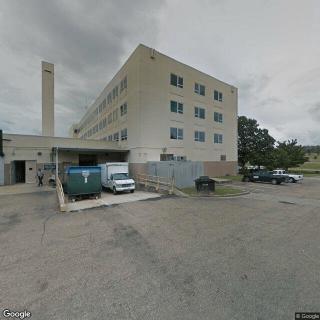


 Comprehensive Look at Senior Blood Pressure Charts: Normal and Elevated Levels by Age
 Top Canine Companions for Older Adults
 Comprehensive Guide to Blood Pressure Charts for Older Adults: Understanding Normal and High Readings by Age