
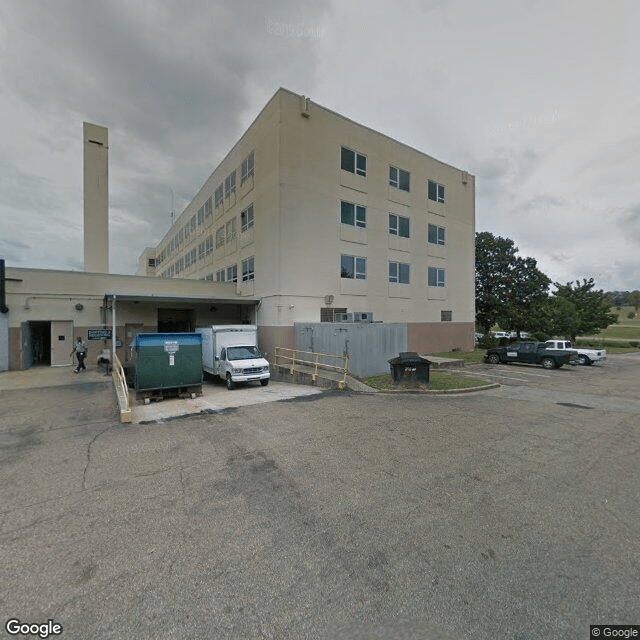
1111 N Frontage Rd, Vicksburg, MS 39180
To contact a resident: (601) 636-2611
For more information about senior living options: (866) 208-4318
Overall Review of Vicksburg Medical Ctr Snf
Pros
 They highly recommend this facility, especially Ms. Ava Christian, who is sweet, helpful, and makes people feel like family.
- The clinic’s Dr. Brown and the entire staff are professional, friendly, and timely.
- The new location has shown improvements, with short wait times and attentive care from Dr. Marie Allen.
- The staff are professional, helpful, and friendly, and problems are addressed with appropriate referrals.
- The clinic is described as the best kept secret in Vicksburg due to its professional, helpful, and friendly staff and smooth service.
Cons
 The front desk clerk asks patients to verify personal information out loud, which could enable identity theft.
- Regardless of insurance, patients are charged $25 before they leave.
- The clinic claimed a mental health nurse practitioner would see them, but that was not the case on arrival.
- A staff member stated that resources would never be wasted on addicts, implying a refusal to help some in need.
- People who actually need help can’t get it there.
- The place is unprofessional and staff were rude with poor customer service.
- They ran out of COVID tests shortly after opening, leaving patients without tests.
- Online registration information could not be deleted and a staff member hung up when asked to remove it, calling the clinic’s legitimacy into question.
Review
This community is best suited for seniors who want prompt, clinic-style primary care delivered with warmth and a straightforward, personable touch. It works well for families seeking timely visits, practical referrals, and a single-location touchpoint for routine medical needs, post-visit follow-ups, and coordination of basic services. Those with expectations of a robust, consistent mental-health program or a highly private, tightly governed administration should look elsewhere, as the reviews reveal gaps in both therapeutic depth and privacy handling that can undermine trust over time.
On balance, the staff and clinicians cited in the reviews can deliver competent, courteous care when things run smoothly. Patients repeatedly praise providers who are professional, friendly, and efficient, with short or no wait times and an easy, patient-centered approach. Specific clinicians are highlighted for their attentiveness and thoroughness, and there are mentions of effective referrals and genuinely positive encounters that leave patients feeling heard and cared for. The overall vibe from several notes is that, when functioning well, the clinic can function as a dependable entry point for routine health needs.
However, substantial concerns consistently surface alongside the positives. Privacy lapses at the front desk, verifying sensitive information out loud, raise legitimate alarm about data handling and personal security. Billing and payment practices appear poorly explained or inconsistently applied, with reports of a $25 charge before discharge that feel arbitrary and burdensome. Even more troubling are claims about inaccurate or incomplete information from staff regarding available mental-health resources or addiction services, including insinuations that resources would not be allocated for addicts. Such remarks, if true, signal a misalignment between patient needs and administrative or clinical policy that can be devastating for vulnerable individuals.
These cons do not merely add up; they call into question the reliability and intent behind patient interactions. The positives demonstrate real clinical capability and compassion, but the weight of the privacy concerns, inconsistent messaging about services, and reported customer-service lapses threaten to undermine the comfort and safety families rely on in choosing care. When a facility’s strengths lie in medical staff’s warmth and efficiency, yet its administrative and policy gaps undercut basic trust, the overall value proposition becomes highly conditional. Prospective residents must weigh the benefit of good clinicians against the risk of privacy slips and unclear processes.
People who should particularly consider alternatives include families prioritizing airtight privacy and predictable administration, or those who require stable access to mental health treatment and addiction support as a core component of care. If the care plan hinges on consistent, transparent communication and a reliable intake-to-billing flow, this facility may fall short. Similarly, if a loved one needs a site with rigorous privacy protections and a consistent policy on patient data and resource allocation for addiction-related care, exploring other options is prudent.
For families deciding whether to move forward, practical steps are essential. Schedule a face-to-face with a known clinician to assess bedside manner, listening skills, and how questions are answered. Ask explicitly who is on-site for mental health and what addiction resources are available, with a concrete plan and timelines. Request a clear, written explanation of billing, charges, and refunds, and probe the privacy policy: who has access to patient information, how data is stored, and how requests to delete or correct information are handled. If possible, arrange a short-term visit to test administrative reliability, confirm appointment flow, reception responsiveness, and the accuracy of referrals. In short, this community can be a solid option for straightforward medical care delivered with care, but only for families willing to vigilantly verify privacy, billing, and resource access beforehand.
 Skilled Nursing Facility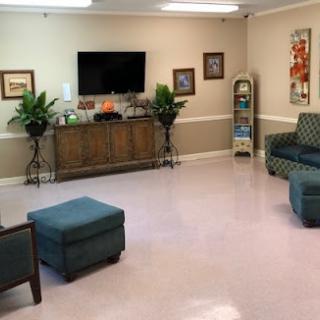





 Skilled Nursing Facilities vs. Nursing Homes: Making Sense of the Differences
 A Detailed Examination of Nursing Home Costs Across the U.S.
 Exploring Nonmedical Home Care: Understanding Services, Costs, and Financial Approaches