
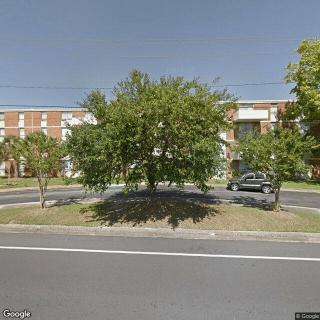
2809 Denny Avenue, Pascagoula, MS 39581
For more information about senior living options: (866) 208-4318
Overall Review of Singing River Skilled Nursing Facility
Cons
 The facility claimed to be 5-star rated and award-winning with in-house doctors and a chef, but it was described as smoke and mirrors.
- They pulled the reviewer’s mother out after 5 days to “save her life” because she was worse off than on admission.
- There was an absence of managed care, with patients left in feces and urine-filled diapers for hours and blistered skin.
- They could not meet dietary needs after multiple leadership meetings, yet bread was served for dinner four nights in a row.
- The room featured a filthy torn comforter and puddles on the filthy floor that were stepped on by staff during changes.
- They claimed to track food and water intake but had no plan to communicate with family or doctors, allowing emaciation and dehydration.
- The patient lost 10 pounds in 5 days, starting from 89 pounds, due to chemo and sepsis, while staff failed to recognize dehydration and starvation.
- Nurse Manager Teresa promised to document notes for the kitchen but failed, with inconsistent statements about how much the patient was eating.
- A staffer rejected feeding the stale bread, calling it a “brick” and indicating poor food quality.
- Staff cited short-staffing and money problems and lied about offering special dietary meals.
- There was no commitment to care or cleanliness to mitigate sepsis, and staff showed an overt lack of awareness of starvation and dehydration.
- Many staff warned of poor quality service, and management was perceived as not caring about patients amid staffing and financial challenges.
Review
This community is best avoided by anyone needing reliable, compassionate, and medically supervised care. The single user review portrays a facility that presents as clean and capable on the surface, but rapidly proves incapable of delivering basic dignity, nutrition, and comfort. The defining message is clear: when care needs go beyond routine tasks, this site falls short in ways that put residents at real risk. Families should reserve judgment until full, verifiable data contradicts these concerns; in practical terms, the best use of Singing River Skilled Nursing Facility, given the reported experiences, is as a last resort only, and only with stringent, ongoing oversight.
Those considering alternatives should focus on residents with significant medical or nutritional needs, including recent chemotherapy, infection or sepsis recovery, dehydration risk, or pronounced weight loss. The review highlights failures that would be intolerable for anyone relying on steady calories, timely bathing and diaper changes, and prompt medical responses. For seniors with complex medical histories, fragile skin, or conditions requiring strict dietary management, the drawbacks described, especially in nutrition and monitoring, signal a high likelihood of preventable harm. In short, this facility is not suitable for those who cannot advocate aggressively for every daily need.
The “pros” advertised, in-house doctors and nurses, a chef, and a purported five-star reputation, do not stand up to scrutiny in this account. They are outweighed by fundamental failures in care coordination, communication, and responsiveness. The lack of a coherent managed-care approach leaves families in the dark about medical and dietary decisions, undermining trust when fragile residents need clear guidance. Even strong staffing claims crumble under the weight of documented gaps in basic daily care, making the apparent advantages ineffective and misleading.
The review details concrete failures that eclipse any potential benefits. A resident was left in soiled diapers for hours, leading to skin breakdown, and was not consistently monitored for hydration or nutrition despite chemotherapy and infection. Dietary needs were repeatedly mishandled, with bread-focused meals served against explicit restrictions, and kitchen communications described as non-existent. A promised system to track intake lacked any meaningful family or physician communication, contributing to a dangerous decline in weight and overall health. These are not occasional lapses; they are systemic indicators of unsafe, undervalued care.
From a decision-making perspective, a prospective family should demand immediate, visible reforms before any admission. Insist on a detailed, resident-specific care plan with daily physician rounds, explicit nutrition and hydration targets, and step-by-step escalation criteria. Require real-time updates to family and primary care doctors, a transparent staffing schedule, and a documented protocol for handling shortages. Tour the facility with a critical eye toward room cleanliness, bedding, and odor control; interview front-line staff about day-to-day routines; and verify that there is a responsive administrator who will engage in rapid problem-solving rather than deflecting concerns. Have an exit strategy ready.
In sum, the documented experience suggests a high risk of harmful outcomes tied to neglect, under‑communication, and inadequate staffing. This combination places residents with real medical needs in jeopardy, and the lack of dependable oversight undermines dignity and safety. Given the severity of the concerns, serious consideration should be given to other skilled nursing options with demonstrated, verifiable stability in care quality, nutrition management, and family communication. If Singing River is the only option, approach it as a temporary measure with stringent safeguards and a clear, enforceable plan to transfer promptly if improvements are not realized.
 36 resident community capacity
 Skilled Nursing Facility
 Beauty salon
 Cable or satellite TV
 Dining room
 Fully furnished
 Garden
 Housekeeping services
 Kitchenette
 Move-in coordination
 Outdoor space
 Restaurant-style dining
 Small library
 Telephone
 Wi-Fi/high-speed internet available
 24-hour call system
 Activities of daily living assistance
 Assistance with bathing
 Assistance with dressing
 Assistance with transfers
 Diabetes diet
 Medication management
 Mental wellness program
 Special dietary restrictions
 Comprehensive amenities and 24/7 care, plus transportation and diabetes-friendly dining.





 8 Essential Assistive Devices for Older Adults
 Navigating the Financial Road to Nursing Home Care: In-Depth Guidance and Resources
 Supportive Employee Benefits That Help Caregivers Attain Better Work-Life Harmony