

3401 Main Street, Moss Point, MS 39563
For more information about senior living options: (866) 208-4318
Overall Review of Singing River Health And Rehabilitation Center
Pros
 The transfer to Singing River Health and Rehabilitation for hospice care proved to be the best decision.
- The manager Jason greeted them, and his pleasant and professional demeanor put them at ease.
- Sheila in admitting made the paperwork painless.
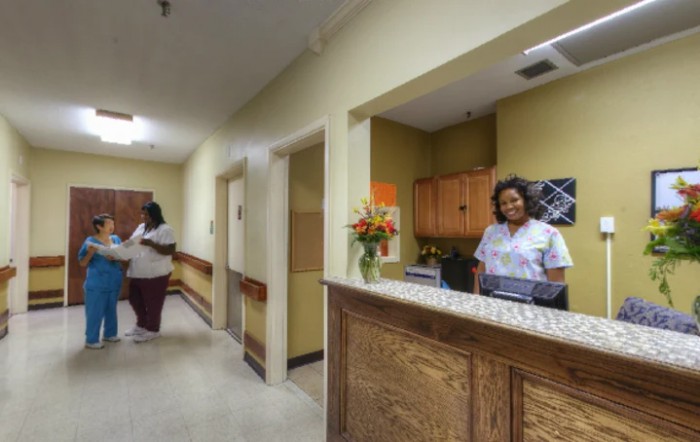
- All of the nurses and staff were efficient, friendly, and provided excellent care.
- Janette, a manager there, recommended bringing him to the facility and was a great comfort.
- It made the memory of his last days easier for the whole family.
- They would highly recommend this place for long-term or hospice care.
- The calendar of activities, including bingo, and transportation to shopping and doctor appointments, helped residents stay engaged.
Cons
 They are completely understaffed, and no one seems to know their respective job or roles when caring for patients.
- They do little to nothing at all to care for the patients.
- They all pass the buck and nothing gets done.
- They leave filth, needle sticks, dirty gloves all over the floor and under the bed.
- They never bathed the loved one during almost two weeks, causing infections and a near-death diagnosis.
- There is nothing good to say about this facility.
Review
Singing River Health and Rehabilitation Center is best suited for families facing hospice or short-to-mid term rehab on the Mississippi Gulf Coast who prize a homey atmosphere, straightforward daily routines, and practical supports such as transportation and accessible activities. The setting and many staff interactions can feel personal and attentive, with private rooms that contribute to a sense of dignity and comfort. This community works best when families are prepared to stay actively engaged as advocates, because consistent communication and steady staffing are pivotal to translating the positive, resident-centered potential into everyday reality.
At the same time, there are clear reasons to consider alternatives. One account reads as a blunt warning: pervasive understaffing, a tendency for caregivers to pass tasks rather than own them, and hygienic lapses that allegedly contributed to serious infections. That vignette is not merely incidental; it signals a risk that quality care can deteriorate if staffing levels slip or if accountability breaks down. For residents with complex medical needs requiring constant, hands-on nursing oversight, or for families unable to supervise closely, exploring options with demonstrable staffing reliability and stronger quality controls is prudent.
The strongest pros center on compassionate, structured care when the system is functioning well. In hospice-admission experiences, competent leadership and efficient, friendly nursing teams helped ease the transition and provided meaningful support to families. For long-term residents, generous activity programming, reliable transportation to appointments and outings, and the privacy of individual rooms help sustain a normal, engaging daily life. Dietary flexibility, where staff accommodate preferences and restrictions, adds a practical layer of comfort. These positives matter deeply for comfort, meaning, and routine, but they depend on a stable, well-led operation to prevent the downsides from intruding.
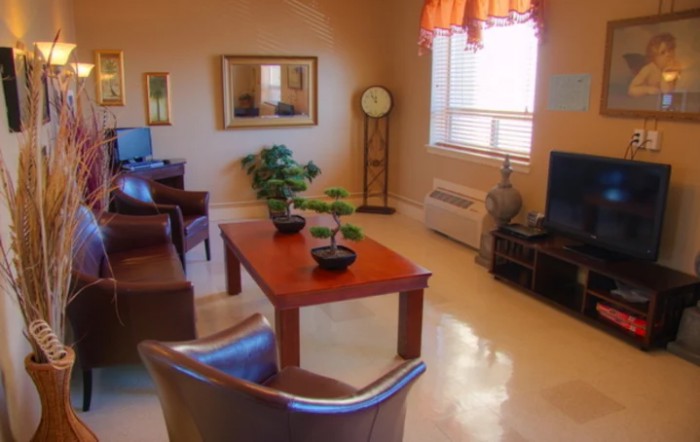
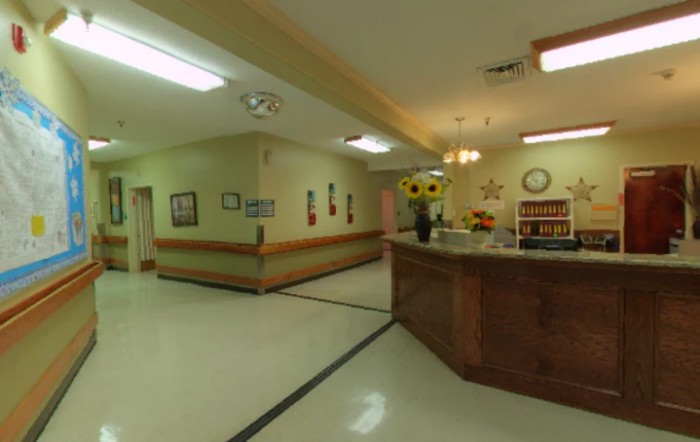
Review narratives illustrate this tension vividly. One family praised the facility as “very good” for the mom with three months of care, praising cleanliness, the nursing staff, and a responsive administration. They highlighted a welcoming environment at the entrance and a home-like atmosphere in the private room. Another account described a seamless hospice experience with supportive admissions staff and a compassionate team. Yet a separate, alarming report described two weeks without bathing, dirty surfaces, discarded gloves and needles, and a near-fatal infection risk. Taken together, the reviews paint a facility that can deliver high-quality, attentive care, but only where staffing remains steady and operational protocols stay rigorous.
To translate these impressions into a sound decision, prospective families should verify concrete factors before committing. A guided tour with the administrator or director of nursing is essential, along with candid discussions about current nurse-to-patient ratios by shift and recent quality metrics. Observe cleanliness firsthand, rooms, bathrooms, and common areas, and watch for prompt responsiveness to routine requests. Probe daily care routines: frequency of bathing, assistance with meals, and how dietary needs are managed. Review the activity calendar, transportation arrangements, and the availability of private rooms within the desired admission window. For anyone considering hospice, spell out expectations and request references from current residents or families to gauge consistency over time.
Overall, Singing River Health and Rehabilitation Center can be a solid choice for families seeking hospice-oriented or rehab-focused care on the coast, particularly when a patient benefits from a homey setting, structured activities, and practical supports. The decisive caveat is the potential for staffing instability and hygiene lapses that can seriously undermine safety and care quality. When due diligence confirms reliable staffing, clear accountability, and rigorous cleanliness, the positives, for comfort, dignity, and practical daily living, outweigh the drawbacks. If those assurances cannot be secured, exploring alternatives with stronger demonstrated quality control and more consistent staffing is advisable.
 160 resident community capacity
 Skilled Nursing Facility
 Air-conditioning
 Beauty salon
 Cable or satellite TV
 Computer center
 Dining room
 Fitness room
 Fully furnished
 Gaming room
 Garden
 Housekeeping services
 Kitchenette
 Move-in coordination
 Outdoor space
 Private bathrooms
 Restaurant-style dining
 Small library
 Telephone
 Wellness center
 Wi-Fi/high-speed internet available
 Community operated transportation
 12-16 hour nursing
 24-hour call system
 Activities of daily living assistance
 Assistance with bathing
 Assistance with dressing
 Assistance with transfers
 Diabetes diet
 Medication management
 Mental wellness program
 Special dietary restrictions
 Concierge services
 Planned day trips








 Encouraging Participation in Adult Day Care: A Guide to Supporting a Hesitant Parent
 Comprehensive Exploration of Living Wills and Other Advance Directives
 A Detailed Exploration of Living Wills and Advance Directives